


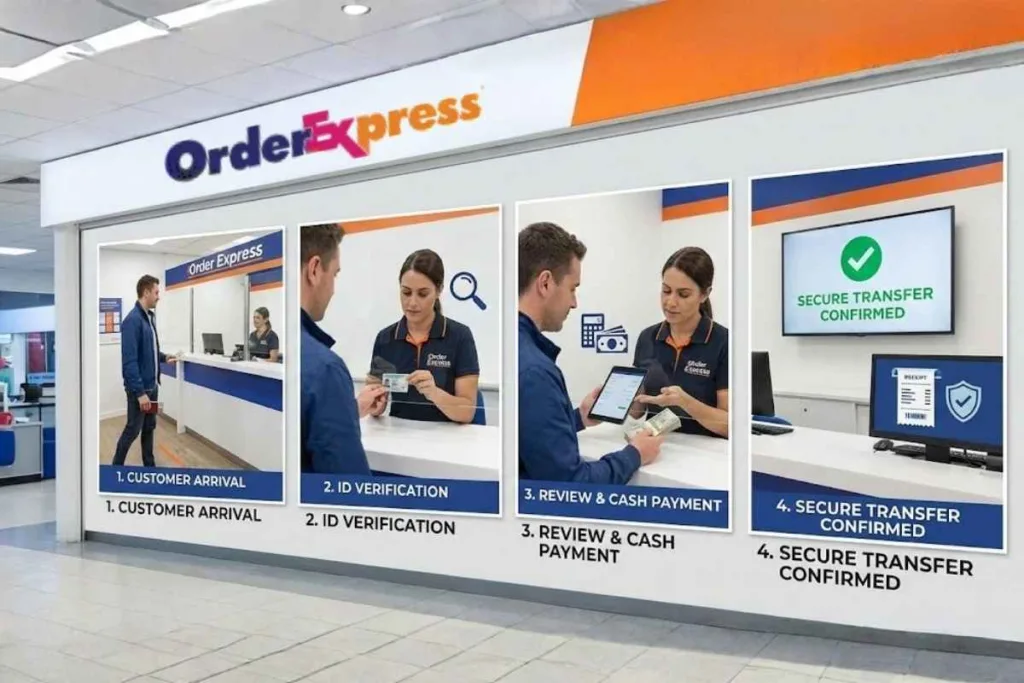
When you pay cash for a money transfer, a licensed money transfer provider verifies your information before completing the transaction. This verification supports compliance, fraud prevention and secure transfers. Customers should expect identification requests, transaction review and clear pricing disclosures at the point of service. Order Express delivers money services through its nationwide network and follows established operational standards for customer transactions. You can learn more about its offerings by visiting the official Order Express website.
Order Express operates as a licensed money transfer provider. Regulatory requirements apply to all licensed financial institutions across the industry. These requirements help protect customers, reduce financial crime and ensure accurate delivery of funds. Verification steps may vary by transaction type, amount and destination.
This guide explains how cash transactions work, why verification matters and what steps customers should take before sending money. Understanding these requirements helps customers complete secure transfers confidently and without delays.

How Cash Money Transfers Work At Financial Service Providers
Cash-based services follow structured steps to protect customers and ensure accurate delivery. These steps are designed to support transparency, accuracy and consumer protection. Order Express provides money services through company-owned locations and authorized agents. These services support domestic and international remittance needs for families, businesses and individuals.
Many customers who rely on cash-based transactions also use multiple in-person financial services. In addition to transfers, Order Express offers convenient access to funds through its check cashing services, which help customers manage everyday financial needs safely and efficiently.
How A Cash Money Transfer Transaction Begins
A Money Transfer begins when a customer visits an authorized Order Express location. The customer provides the cash amount and recipient details to the agent. The agent enters the information into a secure transaction system. The system calculates fees, exchange rates and delivery timing based on the destination and service selected. The customer reviews all details before paying.
This review step supports informed decision-making. Customers always see the full transaction breakdown before completing payment. Clear disclosure helps prevent misunderstandings and supports transparency. These consumer protection principles align with guidance published by the Consumer Financial Protection Bureau consumer education resources.
Why Identification May Be Requested For A Money Transfer
- Agents may request identification during a Money Transfer. Identification helps confirm customer identity and protect transactions from misuse. This step supports accuracy, security and fraud prevention. Identification requests depend on transaction type, amount and applicable regulatory thresholds.
- Federal regulations require licensed financial institutions to maintain customer identification programs under 31 CFR §1022.210. These obligations apply to licensed providers, not customers, and help ensure the integrity of the financial system.
- Customers should bring a valid photo identification when visiting a location. Common examples include a driver license or passport. Providing identification promptly helps avoid delays and allows agents to complete transactions efficiently.
What Information Customers Should Have Ready
Preparation improves the transaction experience and reduces the likelihood of errors. Customers should bring the exact cash amount needed for the transaction. Customers should also know the recipient’s full legal name and destination. Some transfers may require a phone number or specific pickup location.
Accurate information reduces processing time and helps ensure timely delivery. Customers can review available options in advance through Order Express money transfer services to understand delivery methods, payout locations and service availability.
Rules And Protections That Apply To Cash Money Transfers
Cash transactions operate within a regulated environment designed to protect consumers and the financial system. Federal rules apply to all money service providers. Order Express policies guide internal operations and customer experience separately from those federal requirements. These two areas remain separate but complementary.
Federal Requirements That Apply To Cash Transactions
Federal rules exist to protect the financial system and consumers from fraud and financial crime. These rules apply across the industry and are not unique to Order Express. Federal law requires licensed providers to collect certain information for qualifying transactions and monitor activity for unusual patterns under the Anti-Money Laundering Act of 2020.
Certain cash activity may also trigger reporting obligations for financial institutions under 31 CFR §1010.311 Currency Transaction Reporting requirements. These reporting requirements help regulators detect and deter money laundering and other illicit activity.
Industry expectations and examination standards are further outlined in the FFIEC BSA/AML Examination Manual, which applies to regulated financial institutions nationwide.
Order Express Operational Practices For Customer Protection
Order Express maintains internal policies and procedures to support safe and reliable customer service. These practices focus on transaction accuracy, customer transparency and operational consistency. Agents follow standardized procedures at every location to ensure predictable service delivery.
Order Express trains employees and agents regularly to support compliance awareness and service quality. Customers also benefit from access to additional financial offerings through other services provided by Order Express, which support a range of everyday financial needs.
How Customers Stay Protected During Cash Transfers
Customer protection remains central throughout the transaction lifecycle. Secure systems record transaction details accurately and help prevent errors. Receipts provide proof of payment and delivery instructions. Customers should keep receipts until funds are successfully received by the recipient.
Order Express also offers customer assistance through official support channels. Customers who need help with a transaction or have questions can reach out via the Order Express contact page for guidance and resolution.
What Customers Should Know Before Sending Cash
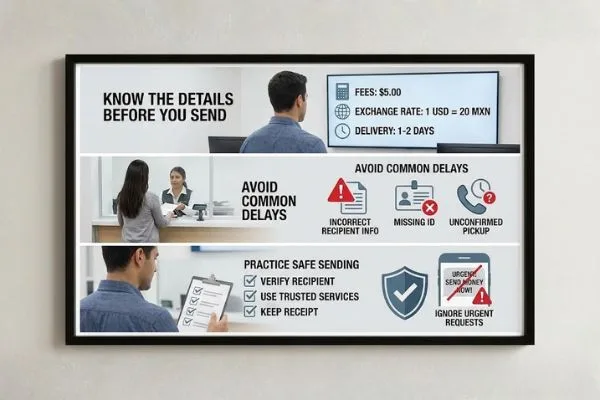
Sending cash requires awareness and responsibility. Understanding the process helps customers complete transactions confidently and safely while reducing the risk of delays or errors.
1. Fees, Exchange Rates And Delivery Timing
Every transaction includes pricing details that customers can review before payment. Fees vary by destination and service type. Exchange rates apply to international remittance transactions. Delivery timing depends on payout method and location.
Customers review all pricing before paying to ensure clarity. This review helps prevent surprises and supports informed decisions. Accurate recipient information also supports timely delivery.
2. Common Reasons Transactions May Be Delayed
Some transactions may experience delays. Incorrect recipient information remains a common cause. Missing identification may also slow processing. System reviews may temporarily pause transactions for verification.
Federal guidance from FinCEN guidance explains that licensed providers have a responsibility to detect and review unusual activity.
3. Smart Practices For Safe Money Sending
- Customers should only send money to trusted recipients.
- Avoid sending cash in response to urgent or unfamiliar requests.
- Scams often rely on pressure, secrecy or emotional urgency.
- Taking time to review transaction details reduces risk and protects funds.
The Role Of Cash In Modern Financial Services
Cash remains an important payment method despite the growth of digital payments. Many customers rely on cash for budgeting, accessibility and control. Financial service providers continue to support cash responsibly within regulated frameworks.
A Money Transfer funded with cash provides immediacy and certainty. Customers know exactly how much they send and what fees apply. This clarity appeals to many households and small businesses that value transparency.
Providers balance accessibility with safeguards. Systems, monitoring and trained staff help maintain trust. Customers benefit from structured processes that protect funds and support reliable delivery.
Understanding Customer Responsibilities During Cash Transfers
Customers play an important role in successful transactions. Providing accurate information remains essential. Reviewing receipts ensures details match expectations before leaving the location.
Customers should retain documentation until funds reach the recipient. Receipts support error resolution if issues occur. Prompt communication with the provider helps resolve concerns quickly.
Responsible use of money services benefits everyone. Awareness and preparation reduce delays, errors and misunderstandings.
Conclusion
Paying cash for a Money Transfer gives customers speed, clarity and control when sending funds. Understanding verification, pricing and documentation helps avoid delays and reduce errors. Bringing accurate recipient details, valid identification and the correct cash amount supports a smooth transaction.
Reviewing receipts and remaining alert to fraud risks adds another layer of confidence. Order Express supports these transactions through transparent pricing, trained agents and established operational procedures.
Ready to send money today? Visit an Order Express location or use official support resources to complete your transaction with confidence.
Disclaimer: This article provides general educational information only. It does not replace official disclosures, receipts or transaction terms. Requirements may vary by transaction type, amount, location and destination. Customers should confirm details at the time of service. Order Express policies may change without notice.
Frequently Asked Questions
Q: What Do I Need To Bring To Send A Cash Money Transfer?
A:
- Valid photo identification
- Exact cash amount
- Recipient’s full legal name
- Destination or pickup location
Q: Why Do Money Transfer Providers Ask For Identification?
A:
Identification helps:
- Confirm customer identity
- Protect transactions
- Reduce fraud and errors
Q: How Can I Avoid Delays When Sending Cash?
A:
- Double-check recipient details
- Bring required identification
- Review transaction details before paying
Q: Are Cash Money Transfers Safe For International Payments?
A:
Yes. Providers use secure systems, transaction monitoring and receipts to protect domestic and cross-border payments.
Q: How can I reduce fraud risk when sending cash?
A:
- Send money only to trusted people
- Avoid urgent or unfamiliar requests
- Ask an agent if something feels unusual

John is a Content & SEO Specialist who enjoys breaking down complex financial topics, like cross-border payments and money transfers, into content that’s easy to understand. He focuses on creating practical, search-driven content that helps people find answers and make informed decisions.


