


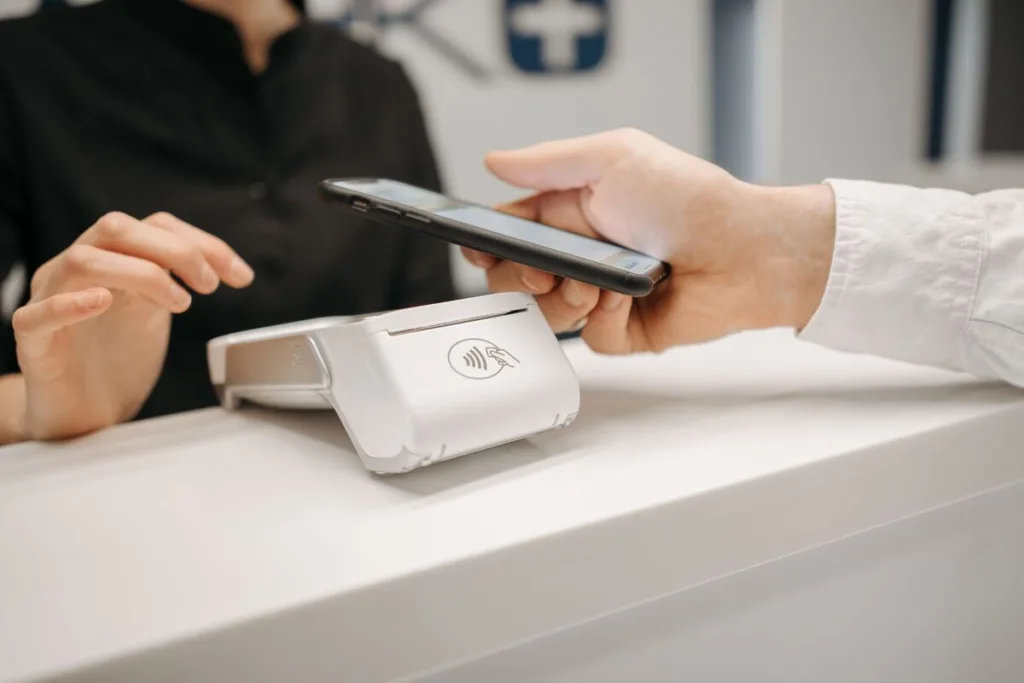
There are many ways to send money, but the safest method depends on your specific situation. For instance, using cash to pay a vendor at a local market is often a smart and straightforward choice. However, sending cash through the mail to pay a bill is risky and highly discouraged.
That’s why understanding your money transfer options through a financial institution or other services is essential, whether you’re moving funds between your own accounts, paying businesses, or sending money to friends and family. Each transfer method has its own benefits and drawbacks, so taking the time to compare them can help you make smarter financial decisions. Some options may be faster, more secure, or even more cost-effective than the traditional methods you’re used to.
With the rise of digital banking and online payment platforms, secure and convenient alternatives continue to grow. By staying informed about your choices, you can ensure your money reaches its destination safely and efficiently, without unnecessary risks or fees.
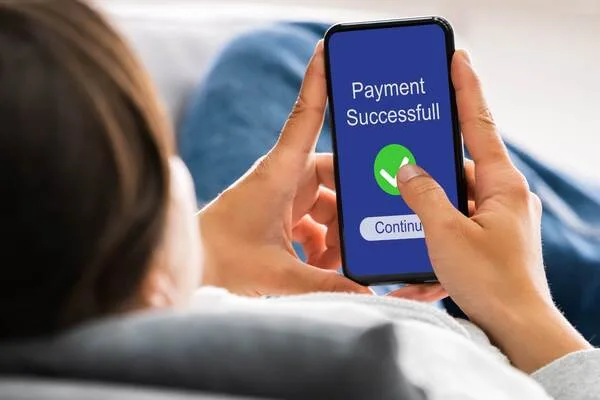
Digital Money Transfers: Finding the Best Option for Your Needs
In today’s digital world, sending money is easier and faster than ever, but with so many options available, choosing the right method can be overwhelming. Whether you’re transferring funds between your own accounts, paying bills, or sending money to others, understanding the pros and cons of each method ensures your transactions are secure and efficient.
From electronic funds transfers (EFTs) and wire transfers to money orders and peer-to-peer (P2P) payment apps, each option offers unique benefits depending on your needs. While some methods prioritize speed and convenience, others focus on security and guaranteed payments. Knowing how these systems work can help you make informed financial decisions and avoid common pitfalls.
Sending Money Online: Secure, Fast, and Convenient
Transferring money between accounts has never been easier, thanks to electronic funds transfers (EFTs). Whether you’re receiving your paycheck through direct deposit, paying bills, or managing your savings, EFTs make the process seamless and secure. Unlike mailing a check, which can be lost or stolen, electronic transfers ensure your funds arrive safely and on time. If you’re relying on outdated methods, switching to digital transactions can save you time, reduce hassle, and even cut down on unnecessary fees.
When transferring money between your own accounts, the process is straightforward:
- Internal Transfers: If both accounts are at the same bank, you can move money instantly by logging into your online banking account and selecting the internal transfer option.
- External Transfers: To send money to an account at a different financial institution, you’ll need to link the accounts first. This often involves entering your external account and routing numbers and verifying small test deposits.
- Potential Fees & Limits: Some banks charge fees for external transfers, and there may be limits on how much you can transfer per transaction or per day.
- Recurring Payments: Many banks and credit unions allow you to set up automated bill payments, helping you avoid late fees and missed due dates.
Electronic Funds Transfers (EFTs) are a reliable option for personal banking and bill payments, offering speed, security, and convenience. However, when sending money to someone else’s account, EFTs may not be the most practical choice since they require the recipient’s banking details. Alternative methods like peer-to-peer payment apps, wire transfers, or online payment services can be more user-friendly and efficient, depending on the situation.
Before selecting a transfer method, it’s important to consider factors such as fees, processing times, and security measures. While EFTs work well for internal transactions, external transfers may come with additional costs. For quick and seamless money transfers, exploring alternative digital payment solutions might be a better approach.
Sending a Money Order: A Secure and Accessible Payment Option
Money order is a convenient and secure alternative to a personal check, especially for people who don’t have a bank account. Like a cashier’s check, a money order is prepaid, meaning it won’t bounce, making it a reliable option for payments. However, money orders are more accessible since they can be purchased not only at banks and credit unions but also at supermarkets, convenience stores, and U.S. Post Office locations. Plus, they often have lower fees, typically ranging from $1 to $5, making them a budget-friendly choice.
Here’s what to keep in mind when using a money order:
- Guaranteed Payment: Because they’re prepaid, funds are available immediately, making them a trusted option for businesses.
- More Secure Than Personal Checks: They don’t include sensitive banking details like your account number or address, reducing the risk of identity theft.
- Purchase Limits: Most money orders have a maximum limit of $1,000, so you may need multiple for larger payments.
- Potential for Scams: Be cautious, if someone overpays you with a money order and asks for a refund in another form, it’s likely a scam.
While money orders are safer than cash and widely accepted, they do come with some drawbacks. You’ll need to purchase them in person, which can be less convenient than online transfers. Additionally, staying alert to potential scams is crucial when receiving money orders. For transactions requiring guaranteed funds, especially when a bank isn’t an option, money orders remain a solid choice.
Key Takeaways:
Money orders are a secure payment method for both senders and recipients, reducing the risk of fraud or bounced checks. They are widely available at post offices, banks, and convenience stores, making them an accessible option. Additionally, money orders do not include personal banking details, offering privacy and protection against identity theft.
Despite their benefits, money orders require an in-person purchase, which can be inconvenient compared to digital payment methods. They also have a maximum limit per order, which may not be suitable for large transactions. Furthermore, while money orders are generally secure, they can still be targeted in scams, so recipients should verify their authenticity before accepting them.
Send Money Securely with a Wire Transfer
When you need to send money quickly and securely, a wire transfer is one of the most dependable options. Whether you’re transferring funds internationally or handling a large transaction, wire transfers offer speed and reliability that traditional payment methods can’t match. Unlike checks, which can take days to clear, wire transfers ensure that the recipient gets the money promptly and without risk of bouncing. However, to make the most of this service, it’s essential to understand how it works, what details you need, and how to stay protected from potential fraud.
Send Money Securely with a Wire Transfer
Need to send money fast and securely? A wire transfer is one of the most reliable ways to move funds electronically, especially for large amounts or international transfers. Unlike personal checks, which can bounce, wire transfers ensure that the recipient gets the money without delays. Services like Order Express provide a trusted and efficient way to send money with confidence. However, it’s important to send money only to people you trust since once a wire transfer is sent, it cannot be reversed.
Before you initiate a wire transfer, make sure you have all the necessary details. Here’s what you’ll need:
- Recipient’s full name and contact information – Ensure accuracy to avoid delays.
- Bank account details – This includes the recipient’s account number and routing number.
- Transfer method – You can send a wire transfer through your bank (online or in person) or use a service like Order Express.
- Fees – Banks and wire services charge fees, so check the cost before proceeding.
Wire transfers are a safe and efficient way to send money when used correctly. While scammers sometimes try to exploit them, you can protect yourself by verifying the recipient and avoiding pressure to send money unexpectedly. Legitimate businesses and trusted services like Order Express provide secure options for money transfers, giving you peace of mind. If something feels off, trust your instincts and explore alternative payment methods. When handled wisely, wire transfers remain a secure and effective way to move funds.
Easily Transfer Money with a Peer-to-Peer Payment App
Sending money to friends or family has never been easier. With peer-to-peer (P2P) payment apps, you can quickly transfer funds electronically without needing cash or checks. Most banks and credit unions now offer built-in transfer options, making it seamless to send money directly from your account using just a phone number or email. It’s fast, convenient, and perfect for splitting bills, paying back a friend, or even covering shared expenses.
Here’s why P2P payment apps are a game-changer:
- Speed & Convenience: Instantly transfer money without waiting for bank processing times.
- Simple Setup: Link your bank account, debit card, or credit card in just a few steps.
- Wide Availability: Many apps support transactions between individuals and some merchants.
- Security Measures: Most services encrypt transactions to protect your information.
- Potential Fees: While some transfers are free, using a credit card may come with extra charges.
While these services are secure, it’s crucial to use them wisely. You should only send money to people you know and double-check recipient details before hitting send, once the payment is out, it’s often irreversible. Scammers take advantage of this by requesting payments through these apps, so never send money to someone you don’t trust. If a deal sounds too good to be true, it probably is. Stay cautious, and use these apps for their best purpose, quick and safe transactions with people you know.
Choosing the Safest Way to Send Money
The most secure method for transferring money depends on several factors, including whether you’re moving funds between your own accounts or sending them to someone else. Additionally, the urgency of the transfer, potential fees, and your familiarity with digital banking tools all play a role in determining the best option. For those uncertain about which method to use, consulting with a representative at your bank or credit union can provide clarity and guidance. Taking the time to assess your options ensures that your money reaches its destination safely and efficiently.
Avoid Structuring:
Do not attempt to divide large transactions into smaller amounts to evade identification or reporting requirements. This tactic, known as structuring, is illegal and may lead to serious legal and regulatory consequences. Always send the full amount in a single, transparent transaction. Partnering with trusted providers like Order Express helps ensure you remain compliant with all applicable laws.
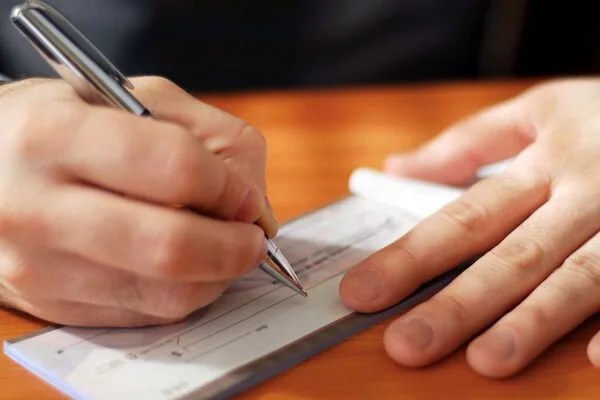
Personal Checks vs. Cashier’s Checks: Which One Should You Use?
Checks remain a trusted method of payment, but not all checks offer the same benefits. Whether you’re writing a personal check for everyday transactions or obtaining a cashier’s check for a secure, high-value purchase, understanding the differences can help you make the best financial decision. While personal checks provide a simple way to pay and keep a record of transactions, they come with risks like fraud and bounced payments. On the other hand, cashier’s checks guarantee funds and offer added security but require a trip to the bank and a small fee. Knowing when to use each option can save you time, money, and potential hassle.
Writing a Personal Check: A Traditional but Reliable Payment Method
Writing a check is a simple and familiar way to transfer money, whether you’re paying bills, sending money to someone else, or moving funds between your own accounts. One of the biggest advantages of using checks is that they create a clear paper trail, making it easy to track payments when needed. If you prefer a tangible record of your transactions or are paying someone who doesn’t accept digital payments, checks can be a good option.
However, checks aren’t always the fastest or most cost-effective method. Here are some key factors to consider:
- Processing Time: Unlike electronic transfers, checks take a few days to clear, meaning the recipient won’t get the funds instantly.
- Potential Fees: Not all banks provide free checks, and ordering a checkbook may come with a fee.
- Risk of Bouncing: If you write a check for more than your account balance, it may bounce, leading to overdraft fees and possible penalties from the recipient.
- Security Concerns: While checks are safer than sending cash, they can still be lost in the mail or stolen. In some cases, thieves can alter the payee’s name or change the check amount.
Key Takeaways
Despite some drawbacks, checks remain a trusted payment method for specific situations. They offer advantages such as being safer than cash, providing a verifiable payment record, and being widely accepted. However, they also come with risks, including slower processing times, possible bank fees, and vulnerability to fraud if stolen. To minimize these risks, always keep your checkbook secure, verify recipient details carefully, and monitor your bank account for any unauthorized transactions.
When prioritizing speed and security, electronic payments may be a smarter alternative. Digital transactions process faster, reduce the risk of check fraud, and often come with added security features. While checks still have their place, staying informed about their pros and cons can help you choose the best payment method for each situation.
Getting a Cashier’s Check: A Secure Payment Option
If you need to make a secure, guaranteed payment, a cashier’s check is a great alternative to a personal check. Unlike a personal check that could bounce, a cashier’s check is backed by your bank or credit union, ensuring that the recipient gets paid. Because of this security, cashier’s checks are often required for large transactions, such as home down payments or car purchases. They also provide added peace of mind, as only the designated payee can cash or deposit the check.
Here’s what to know before opting for a cashier’s check:
- Guaranteed Funds: The bank verifies and sets aside the money before issuing the check, so it won’t bounce.
- More Secure: Cashier’s checks don’t include personal details like your address or bank account number, reducing the risk of identity theft.
- Not as Convenient: You must visit a bank or credit union in person to get one, which can be time-consuming.
- Potential Fees: Most financial institutions charge a $10 to $15 fee to issue a cashier’s check.
Conclusion
Securing your money transfers is crucial to protecting your finances from fraud and unnecessary fees. Whether using digital payments, wire transfers, or money orders, choosing the right method ensures safe and efficient transactions. Always verify recipient details, use secure platforms, and stay alert to potential scams.
As financial technology advances, keeping up with the latest security measures will help you navigate money transfers with confidence. By understanding the benefits and risks of each option, you can make informed financial decisions and minimize security threats. Stay proactive, choose trusted services, and prioritize transaction safety to protect your hard-earned money.
FAQs
What is the safest way to send money?
Using a bank transfer, wire transfer, or a trusted digital payment service ensures secure and verified transactions.
How can I avoid money transfer scams?
Only send money to people you trust, verify recipient details, and avoid requests from unknown sources.
Are money orders safer than personal checks?
Yes, money orders don’t contain personal banking details, reducing fraud risks compared to personal checks.
Do peer-to-peer payment apps charge fees?
Some apps offer free transfers, but using a credit card or instant transfers may incur fees.
Can wire transfers be reversed if sent to the wrong person?
No, wire transfers are typically irreversible, so always double-check recipient details before sending money.

Alvin is a Content and SEO Specialist who creates clear and helpful content about money transfers and payment systems. He focuses on making complex topics easy to understand so readers can learn how these services work in everyday situations.


