


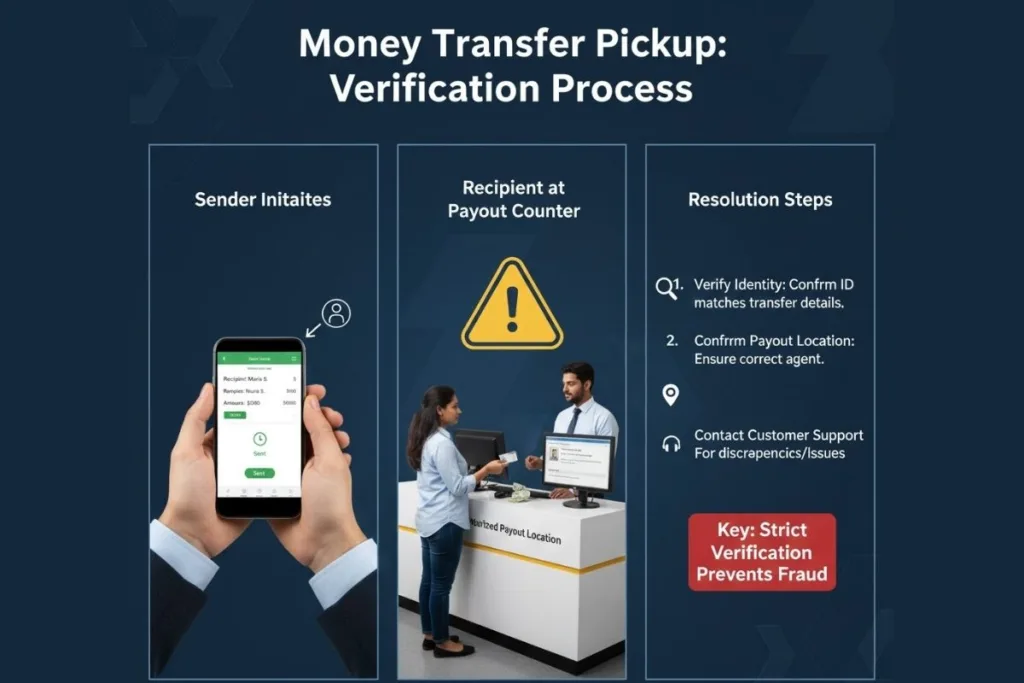
A recipient may be unable to pick up a transfer when required verification or payout details do not match. Licensed money transfer providers like Order Express use strict compliance and security procedures to protect your funds. If a pickup fails, you must confirm the payout location, verify the recipient’s information and contact customer service for support.
These steps help prevent fraud, ensure secure transfers and maintain accurate records. This guide explains why pickup issues occur, how to verify the details involved and what actions you should take to resolve the problem quickly. All information reflects Order Express customer policy. Federal regulatory requirements that apply to money transfer providers are explained separately for clarity.
You can explore additional services by visiting the official Order Express homepage for customer resources.
Why Recipients May Be Unable To Pick Up Funds
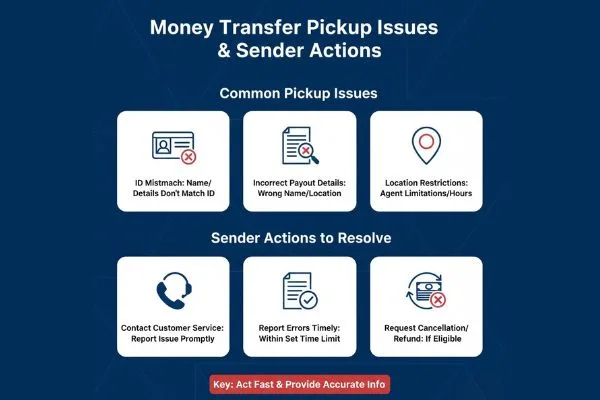
Several situations can prevent a recipient from collecting money at the payout location. Although each case is unique, common issues include identification mismatches, incorrect payout details or operational restrictions at the location. When these issues arise, the money remains uncollected until the sender provides updated instructions or requests support.
Order Express may temporarily restrict payout access when required verification is incomplete or does not match transaction records. These restrictions can occur due to identification requirements, payout location rules, or internal security checks. In these cases, the funds remain pending until the issue is resolved. Order Express agents must verify payout details during the initial transaction to reduce these issues. The manual requires agents to confirm the payout location based on the sender’s instructions. This important step reduces delays and ensures smoother processing. Still, circumstances may change, and recipients sometimes cannot access the transfer as planned.
When the pickup fails, the sender continues to hold specific rights under Order Express policy. These rights allow you to act quickly and request help through established channels. Customers who also use additional services like Order Express Money Transfer may find similar verification processes helpful.
Your Actions When A Transfer Is Not Picked Up
Contact Order Express Customer Service
If your recipient reports that they cannot pick up the transfer, contact Order Express customer service right away. The manual instructs customers to report problems through the call center, compliance department, mail address or customer service email. These communication channels support timely investigation and help restore control over the transaction. You should provide your name, contact details, reference number and the exact nature of the issue so the team can identify your case.
Reporting the issue promptly allows you to protect your transfer and prevent additional complications. Order Express reviews each case and determines the next appropriate step, based on the information available. Customers who need additional help can refer to the Order Express contact resources.
Understand Error Reporting Rights
If the funds remain uncollected, you may report the problem according to Order Express policy. The sender has one hundred eighty days from the date the funds were scheduled to be available to report an error or issue. Order Express investigates each report using internal procedures. When applicable, eligible cases may result in a refund or redelivery.
Provider regulatory note: Financial institutions must follow federal error resolution requirements described in CFPB consumer guidance. These obligations apply to the provider’s investigation process and do not change customer reporting rights under Order Express policy. The error resolution process exists to support financial transparency. You receive written notice of the results once the investigation is complete. Customers may also request copies of the documents used during the review.
Know When Cancellation May Apply
Order Express policy includes a cancellation window for senders who want to stop a transfer. A sender may cancel a remittance transfer within thirty minutes of payment. This right applies only when funds have not yet been picked up or deposited. When a valid cancellation request is received, the refund is issued within two business days.
Provider regulatory note: Money services businesses follow FinCEN compliance obligations that govern provider operations. These obligations do not alter the cancellation rights available to customers under Order Express policy.. If your recipient cannot access funds and you act within the required timeframe, cancellation may be an option. After the thirty-minute window closes, cancellation may no longer apply, but the error resolution steps remain available.
These rights support customer protection while allowing Order Express to manage transactions accurately. They also ensure that customers understand the key time limits that apply to any Money Transfer under Order Express policy.

How Order Express Helps Resolve Uncollected Transfers
Accurate Investigation Of Reported Issues
Order Express follows defined procedures when handling reported problems. The internal team determines whether an error occurred by reviewing system logs, transaction data and information submitted by the sender. The company must complete its investigation within ninety days. These actions help verify why the recipient could not pick up the transfer and whether corrective measures are necessary.
Investigation steps remain separate from federal processes. Provider regulatory note: Financial institutions follow anti-money laundering requirements such as those outlined in 31 CFR §1022.210 Customer Identification Program. These requirements apply to institutional verification procedures and do not create additional obligations for customers. The sender receives the results in writing, which supports transparency and customer clarity. Customers who need other transaction support may also use Order Express Other Services.
Clear Timelines For Sender Rights And Responsibilities
You hold several key rights under Order Express policy when a Money Transfer remains uncollected. These include the thirty-minute cancellation option and the one hundred eighty-day error reporting period. Each timeframe supports different actions. The cancellation window is short because it prevents a completed payout from conflicting with a refund request. The extended error reporting period gives customers reasonable time to detect and report issues related to availability.
Provider regulatory note: Financial institutions follow legal requirements for reporting and recordkeeping, including 31 CFR §1022.320 Suspicious Activity Reporting. These requirements apply to provider compliance processes and remain separate from customer rights and timelines. These timelines do not change even when the recipient cannot access funds immediately. Understanding them helps you act at the right moment. Always contact Order Express when in doubt so the team can guide you properly.
Support For Corrections And Redelivery
When the investigation confirms that funds did not arrive or the recipient could not access them based on a qualifying issue, Order Express may issue a refund or redeliver the transfer according to policy. The company communicates the outcome clearly so customers understand the next step. These remedies help restore confidence and ensure customers maintain control of their transactions.
Provider regulatory note: Financial institutions follow anti-money laundering expectations under the FFIEC BSA/AML Examination Manual. These obligations govern provider controls and do not modify customer remedies under Order Express policy. Although results vary by case, the process always follows the manual. Order Express does not mix federal requirements with internal procedures. Each category of action remains distinct to maintain compliance.
Preventing Issues With Future Transfers
Verify Recipient Identification Details
Recipients must present valid identification when collecting funds. Mistakes in spelling or incomplete information can prevent successful pickup. Before completing a Money Transfer, confirm the exact spelling of the recipient’s name and verify any details required by the payout country. This step reduces delays and improves the transfer experience. Identification requirements vary across locations. Provider regulatory note: Financial institutions must follow identity verification and reporting obligations such as those described in 31 CFR §1010.311 Currency Transaction Reporting. These requirements apply to the provider and may affect payout availability when identification is required.
Providing the correct information at the start protects your transfer from unnecessary complications. You may also explore related services, such as Order Express check cashing, which follow similar accuracy standards.
Expect Additional Review For Certain Transfers
Some transfers may require additional review before payout. Higher amounts or unusual transaction patterns can trigger internal compliance checks. When this occurs, Order Express may request clarification or additional information before releasing funds.
Confirm The Correct Payout Location
Many uncollected transfers occur when the sender selects the wrong payout location. Always verify the country, state, city and partner payout network before sending money. The manual instructs agents to verify this selection with the sender. Taking a moment to confirm these details helps improve accuracy and ensures your recipient can access the funds with confidence.
Customers sending cross-border payments may benefit from learning about verification steps described in the Order Express KYC and Cross-Border Payment Guide. Location accuracy is one of the simplest ways to avoid errors. Whether you send funds for family support, bill payment or emergency needs, correct address information is important for every Money Transfer.
Provide Clear Communication To The Recipient
Inform your recipient of the expected pickup time, identification requirements and payout location. Tell them to report any issues immediately so you can take action. Clear communication supports a smoother experience and helps avoid misunderstandings. Recipients should know the time when the funds are expected to be available so they can plan accordingly.
Strong communication builds trust and improves the success rate of completed transfers. Customers who need more information about the company may visit the Order Express About Us page. It also ensures you receive timely updates when a problem arises.
How This Information Protects Your Financial Transactions
When you understand the steps to follow if a recipient cannot pick up funds, you gain more control over your transaction. You know when to request help, how long you have to report an issue and which steps Order Express takes to resolve concerns. These details reduce confusion and support a stronger customer experience.
The process also supports compliance. Financial institutions must maintain strong oversight under frameworks like the OFAC Compliance Program Framework, though these rules apply to institutions, not customers. Customers benefit when processes are clear and consistent. These procedures ensure that the company treats every Money Transfer with the same level of care and accountability.
This knowledge helps you make informed choices and strengthens your ability to take fast action when needed. You become better prepared to handle unexpected situations and can rely on established support channels.
Conclusion
When a recipient cannot pick up a transfer, fast action protects your money and keeps your transaction on track. Begin by contacting Order Express and providing the reference number so the team can review the issue. Use the thirty-minute cancellation window when eligible, or report the problem within the one hundred eighty-day period if the funds remain unavailable. Clear communication with your recipient and accurate payout details help prevent future delays. Order Express follows defined procedures to support customers and maintain secure financial transactions.
If you experience any pickup issues, reach out immediately for guidance. Ready to send again with confidence? Start your next money transfer with Order Express today.
Disclaimer: This article provides general educational information based on Order Express policies. It does not modify, replace or expand any official rights stated in the Order Express manual. For case-specific guidance, contact Order Express customer service.
Frequently Asked Questions
Q: What Should I Do If My Recipient Cannot Pick Up A Money Transfer?
A: Take these steps:
- Contact Order Express.
- Provide your name, contact details and reference number.
- Explain the issue.
The team will review the transaction and guide you through the next steps.
Q: Can I Cancel A Money Transfer If It Has Not Been Picked Up?
A: Yes. You can cancel within thirty minutes of payment if the funds have not been picked up or deposited. Order Express issues a refund within two business days after a valid cancellation request.
Q: How Long Do I Have To Report An Issue With An Uncollected Transfer?
A: You have one hundred eighty days from the date the funds were scheduled to be available. Order Express investigates and provides written results once the review is complete.
Q: Why Might A Recipient Be Unable To Collect A Money Transfer?
A: Common reasons include incorrect payout details, identification mismatches or location restrictions. Verifying recipient information before sending reduces the chance of delays.
Q: What Information Should I Provide When Reporting A Transfer Problem?
A: You should share:
- Your name and contact information
- The reference number
- A clear description of the issue
This helps Order Express identify the transaction and begin an investigation.

John is a Content & SEO Specialist who enjoys breaking down complex financial topics, like cross-border payments and money transfers, into content that’s easy to understand. He focuses on creating practical, search-driven content that helps people find answers and make informed decisions.


