


Every transaction begins with a simple action, moving money from one place to another. In today’s global economy, online shopping and digital commerce continue to grow rapidly, making electronic transactions an essential part of everyday life. Electronic funds transfer is at the heart of this process, enabling people and businesses to transfer money quickly and securely without the need for physical cash. Whether you are sending payments to a supplier, receiving funds from a customer, or simply transferring money to a family member, understanding how this process works is key to operating efficiently in the modern world.
Electronic funds transfer is the backbone of many payment systems, allowing individuals and organizations to transfer funds from one account to another with speed and convenience. This technology supports everything from routine bill payments to cross-border fund transfers, making it a vital tool for personal and business finance. Knowing how to transfer money effectively not only ensures faster transactions but also helps reduce the risks and delays associated with traditional payment methods. By learning the basics, you can take full advantage of secure, reliable, and accessible ways to transfer funds anytime and anywhere.

The Complete Guide to Money Transfer and Fund Transfer Methods
Money transfer has become an essential part of everyday life, helping individuals and businesses move funds quickly, securely, and without unnecessary delays. Modern methods such as electronic fund transfers, direct deposits, and online transactions have made it possible to transfer money without the need for physical cash or paper checks. We designed these processes to be efficient, accurate, and adaptable, enabling anyone to send or receive payments easily, whether for personal expenses or business operations.
With a variety of options available, from phone payments to ATM transactions, transferring funds has never been more flexible. Each method offers unique advantages, allowing you to choose the one that best fits your needs. When you handle local payments or send money across borders, you gain control over your finances, save time, and enjoy peace of mind knowing you’re processing transactions securely.
What Is an EFT Payment in Money Transfer?
An electronic funds transfer (EFT) is the process of moving money from one bank account to another using a completely digital method. This type of fund transfer does not require physical paperwork or direct involvement from bank staff, making it fast and efficient. EFT has become a leading choice for those who want to transfer money securely and conveniently. Whether used for personal transactions or business purposes, EFT allows you to transfer funds with minimal steps and a high level of reliability.
More people and organizations are choosing EFT, so they use traditional paper checks less frequently because of slower processing times and the extra effort involved. The ability to transfer money digitally saves time, reduces the risk of errors, and offers a more streamlined way to handle payments. Whether you are sending a one-time payment or setting up regular fund transfers, EFT provides a secure and straightforward solution for managing financial transactions.
Identification required. For your security and to comply with the Bank Secrecy Act (BSA), OEI must obtain and record valid government-issued photo ID when a single or aggregated transaction reaches USD 3,000 (lower limits apply in some states or with specific partners). We may request additional supporting documents for higher amounts or unusual activity.
Understanding the Electronic Fund Transfer Process for Money Transfer
Electronic Fund Transfer (EFT) offers a fast and reliable way to send and receive money without relying on physical cash. The process involves two key participants: the sender and the recipient. Once you initiate a transfer, the request travels securely through digital networks, moving from an online platform or payment terminal to the sender’s bank, and finally to the recipient’s bank. This streamlined method is suitable for both personal and business transactions, making it an essential tool for anyone who needs to transfer funds efficiently.
Here are key points to know about EFT:
- Secure transactions: We process all transfers through encrypted digital channels.
- Versatile uses: Ideal for paying for goods, services, or personal obligations.
- Business-friendly: Enables companies to pay suppliers or employees directly.
- Fast processing: Users often complete transactions within a short time frame
- Convenience: Eliminates the need for physical checks or in-person exchanges.
The convenience and speed of EFT have made it a cornerstone of modern money transfer methods. Whether sending a one-time payment or scheduling recurring transfers, this process ensures timely delivery of funds with minimal effort. By removing manual steps, it reduces the chance of delays and errors. As a result, EFT not only saves time but also enhances security and reliability, giving individuals and businesses greater confidence in their financial transactions.
Benefits of Electronic Fund Transfer for Money Transfer
Electronic Fund Transfer (EFT) offers a quick, secure, and efficient way to send or receive funds without the hassle of physical transactions. Whether you need to transfer money domestically or across borders, EFT makes the process faster and more reliable compared to traditional methods. The automated process requires minimal effort, allowing people and businesses to focus on more important tasks instead of handling paperwork or coordinating in-person exchanges. With EFT, both senders and receivers enjoy a smoother experience, making it an ideal choice for personal and business fund transfers.
Unlike paper checks or cash transactions, EFT reduces common risks such as lost mail, stolen checks, or counting errors. There’s no need for physical handling, which eliminates the chances of misplaced payments or fraudulent bills. The system’s built-in security protocols actively protect funds throughout the transfer process. This trust factor not only supports individual transactions but also builds long-term confidence for anyone regularly transferring funds. By simplifying the process and safeguarding transactions, EFT stands out as a smart, dependable way to transfer money and manage funds effectively.
Understanding the Difference Between Money Transfer and Fund Transfer
Financial professionals often use the terms money transfer and fund transfer interchangeably when explaining how money moves from one account to another, though each term can carry slightly different meanings depending on the context. A money transfer generally refers to the process of sending money from one person or entity to another, whether locally or internationally, and can involve various methods such as cash transfers, online payments, wire transfers, or mobile apps. This term is often more consumer-focused, describing the action of moving money for personal, commercial, or emergency purposes.
A fund transfer, on the other hand, is a broader term that includes all types of movement of funds, whether between individuals, businesses, or even internal transfers within the same bank account holder. This could include moving money between your own accounts, paying for goods or other services, or transferring funds in bulk for payroll purposes. All money transfers involve fund transfers, but we don’t consider all fund transfers money transfers, especially when moving funds between internal accounts.
For example, the Automated Clearing House network processes ACH transfer requests, adding extra layers of security but possibly resulting in slower processing times. In contrast, Electronic Funds Transfers (EFT) is a broader category that includes ACH but also covers faster methods such as wire transfers, online payments, and debit card transactions. Choosing between a money transfer method or a specific type of fund transfer often depends on your priorities, whether it’s speed, security, cost-effectiveness, or convenience. By understanding the distinction, you can select the most suitable option for personal, business, or international transactions.
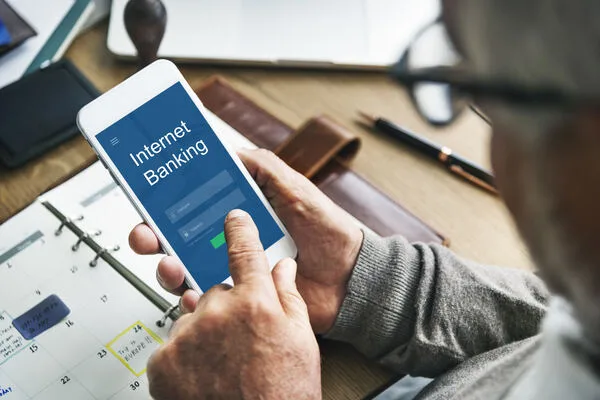
Essential Insights on Money Transfer and Electronic Fund Transfers
Money transfer has evolved far beyond traditional methods, offering individuals and businesses a range of secure, efficient, and flexible options. Electronic Fund Transfers (EFT) form the foundation of many modern payment systems, enabling users to send and receive funds with minimal delay. Within this broad category, methods like Automated Clearing House (ACH) transfers prioritize security, while other EFT options focus on speed and convenience. Understanding how these processes work and what sets them apart helps ensure you choose the right solution for every transaction, whether it’s a personal payment or a business fund transfer.
Modern transfer systems not only facilitate local transactions but also drive the global economy. EFT allows people and companies to move funds across borders with the same ease as domestic payments, helping bridge geographical and market gaps. By ensuring reliable delivery, protecting sensitive information, and adapting to both regulatory and technological changes, EFT supports both everyday needs and long-term growth opportunities. Whether you are sending money to a family member or handling international business payments, having a clear understanding of your transfer options ensures your funds reach their destination securely and on time.
Privacy & OFAC Screening: OEI protects your non-public personal information in accordance with the Gramm-Leach-Bliley Act and screens every transaction against the U.S. Treasury’s OFAC lists to block prohibited parties.
Understanding Money Transfer Methods in Everyday Transactions
Money transfer today is fast, secure, and adaptable, offering various methods for personal and business needs. Options like electronic checks, direct deposits, phone payments, ATM transactions, card payments, and online transfers enable quick, reliable fund transfers without delays. These solutions provide flexibility for both local and international transactions, ensuring efficiency, accuracy, and convenience.
Understanding Money Transfer with Electronic Checks
An electronic check is a digital version of a traditional paper check, created once the payer authorizes the payment. This method allows individuals and businesses to transfer money or transfer funds quickly and securely without the need for physical paperwork. Often used for fund transfer between accounts, e-checks provide a convenient way to handle transactions such as paying vendors or sending payments to other parties. Electronic checks streamline the money transfer process, reduce delays, and ensure accurate records while processing your payments efficiently.
Direct Deposit in Money Transfer
Direct deposit is a convenient way to transfer money directly into a recipient’s account without the need for physical checks or repeated paperwork. It is a popular choice for transferring funds such as salaries, reimbursements, or payments, as the process runs automatically once it is set up. To enable direct deposit, you simply provide the recipient’s bank account details so the funds can be transferred securely. This method streamlines the process of sending or receiving a fund transfer, saving time and ensuring that the money reaches its destination efficiently.
Phone Payments in Money Transfer
Phone payments are a quick and simple way to transfer money or transfer funds without the need for in-person interaction. In this process, the payee provides their payment details, such as a card number, to the recipient over a phone call. Once verbal authorization is given, the transaction is processed on the recipient’s side, requiring minimal effort from the payee. This method is often used for recurring or one-time fund transfers, making it a convenient option for sending or receiving money when other payment channels are not available.
ATM Transactions and Money Transfer
ATM transactions make it easy to access and move your funds almost anywhere in the world. By inserting a debit card into an electronic kiosk, the system communicates securely with your bank to process the request. Whether you need to withdraw cash for immediate use or prepare to transfer money for personal or business needs, ATMs provide a fast and reliable way to handle your finances. This process supports both local and global fund transfer activities, making it a practical option for those who want to transfer funds quickly and efficiently.
Money Transfer Through Card Transactions
When making a purchase in person or online, using a credit or debit card has become one of the most common ways to transfer money instead of paying with cash. This process happens when the card is swiped, inserted, or entered, allowing the payment system to securely receive account details and approve the transfer of funds. Once approved, the payment is scheduled and completed within a short period, making card transactions a fast and convenient way to send or receive a fund transfer. Whether it’s to pay for goods, services, or to transfer money quickly, card transactions ensure the movement of funds happens efficiently and securely.
Internet Transactions for Money Transfer
When you make a payment online, it works much like tapping or swiping a card in person, only instead of a card reader, you enter your payment details into a secure online form and confirm the transaction. This action triggers an approval process that moves the payment forward, ensuring the system can transfer funds from the sender to the recipient. Whether it’s a money transfer, a fund transfer, or simply sending money to someone else, the process ensures that the transfer happens efficiently, with the funds typically reaching the destination within a short time.
Are Electronic Fund Transfers Safe for Money Transfer?
Electronic Fund Transfers are widely recognized as a secure way to send and receive money. Unlike traditional paper checks, which can be lost or altered, EFT transactions move funds electronically, reducing the risk of tampering. The process relies on encrypted systems that protect sensitive information during the transfer, making it a preferred option for those who want to transfer money or funds efficiently and with confidence.
However, the level of security can vary depending on the type of fund transfer used. Some methods offer stronger protection than others, so it’s important to choose the right one for your needs. Always verify the legitimacy of the service handling your transfer and follow recommended security practices. By doing so, you can ensure that your money transfer or fund transfer process is both smooth and safeguarded against potential risks.
How Do Electronic Funds Transfers Support Global Money Transfer?
Electronic Funds Transfers (EFT) have transformed the way individuals and businesses move money across borders. By replacing the slower processes of traditional payment methods, EFT ensures that funds are sent and received quickly, securely, and with minimal hassle. Whether it’s a family sending financial support overseas or a company managing global operations, EFT provides a streamlined way to transfer money or transfer funds worldwide. This accessibility makes it easier to connect people, support economic growth, and enable businesses to operate without geographical limits.
Here are the key advantages of using EFT for global money transfer:
- Speed and efficiency: Transactions are processed faster compared to traditional bank transfers.
- Security and reliability: Advanced encryption protects sensitive financial data.
- Accessibility: Funds can be transferred from almost anywhere with an internet connection.
- Global reach: Enables transactions between countries with varying financial systems.
- Cost-effectiveness: Reduces the need for physical paperwork and in-person banking.
International EFT works similarly to domestic transfers but comes with extra considerations, such as compliance with each country’s regulations and unique processing times. Businesses can use this method to manage suppliers in different countries, streamline payroll for global teams, and strengthen partnerships abroad. For individuals, Electronic Fund Transfer offers a dependable way to send funds for education, family support, or investments overseas. By embracing EFT, both personal and business transactions benefit from faster processing, greater convenience, and the ability to build stronger connections across global markets.
Your OEI Consumer Rights
Pre-payment Disclosures
Before you pay, OEI will give you a written or electronic statement showing the exact amount to be delivered, the exchange rate, all fees & taxes we collect, and the total you will pay. You will also receive a receipt repeating these details.
Cancellation & Error Rights
You have 30 minutes to cancel a transfer for a full refund (or up to three business days for a future-dated transfer). You may report an error within 180 days; OEI will investigate and, when appropriate, refund or re-deliver the missing amount at no cost.
How to Reach Us
Questions or problems? Contact OEI Customer Service at 1-888-666-1602, Compliance at 312-235-5219, email customer.service@orderexpress.com, or write to 685 W. Ohio St., Chicago IL 60654.
Conclusion
Money transfer and fund transfer methods have evolved to provide faster, safer, and more convenient solutions for personal and business needs. From everyday local payments to complex international transactions, electronic fund transfers empower users with flexibility, efficiency and security. By understanding the different methods, their benefits, and when to use each, you can make informed decisions that ensure efficiency and reliability. Whether sending a small payment or managing global operations, choosing the right transfer method helps you protect your funds, save time, and stay competitive in today’s fast-paced financial landscape.
FAQs
What is the main difference between money transfer and fund transfer?
Money transfer usually refers to sending money to another person, while fund transfer covers all types of moving funds.
Are all money transfers considered fund transfers?
Yes, all money transfers are fund transfers, but not all fund transfers are money transfers.
Is an EFT the same as an ACH transfer?
No, ACH is one type of EFT that processes transfers through the Automated Clearing House network.
Can EFT be used for international transactions?
Yes, EFT can send and receive funds internationally, though processing times may vary by country.
Which money transfer method is the fastest?
Wire transfers and certain online payment methods usually process faster than ACH transfers.
Prohibited Transactions: OEI does not process payments for internet gambling or any activity that violates U.S. federal or state law. Attempted gambling payments will be declined and reported.

John is a Content & SEO Specialist who enjoys breaking down complex financial topics, like cross-border payments and money transfers, into content that’s easy to understand. He focuses on creating practical, search-driven content that helps people find answers and make informed decisions.


