


Money transfer businesses must follow strict compliance standards to prevent fraud, money laundering, and regulatory violations. Compliance in money transfer refers to the processes that ensure financial transactions within any financial service meet both federal laws and company policies. These include Know Your Customer (KYC) verification, Anti-Money Laundering (AML) monitoring, and accurate recordkeeping. As global remittances surpass $950 billion, regulators have intensified oversight to protect consumers and strengthen financial transparency.
For money service operators and check cashing providers, compliance isn’t optional, it’s a legal and ethical responsibility. This guide explains the key compliance steps every money transfer business should follow to maintain integrity, meet federal expectations, and build lasting customer trust.
For broader context on how money transfer regulations, compliance, taxes, and reporting requirements operate, review our pillar guide explaining the regulatory framework that governs money transfer services. That foundation helps you understand how money transfer businesses maintain compliance, including regulatory obligations, monitoring requirements, and proper reporting practices.
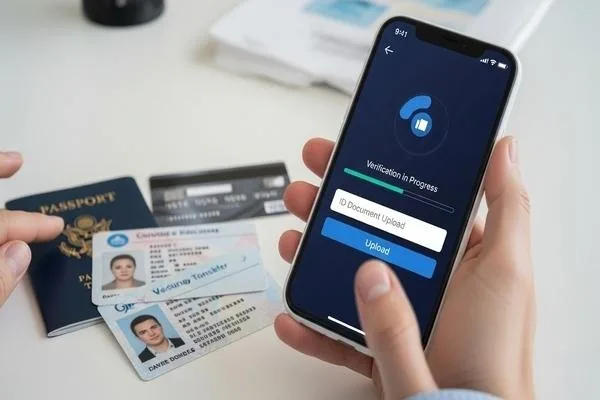
Strengthen Customer Identification And Verification In Money Transfer
Customer verification and transaction monitoring form the foundation of every compliant financial operation. Whether processing money transfers or check cashing, these procedures protect institutions from fraud, identity theft, and regulatory violations. The Know Your Customer framework builds the first barrier against criminal misuse, while continuous monitoring ensures suspicious activities are detected before damage occurs.
Both company and federal standards play essential but distinct roles. Internal policies set operational controls that promote accuracy and accountability, while federal regulations establish the legal boundaries businesses must follow. Understanding how to balance both frameworks allows financial service providers to maintain integrity, prevent fines, and build customer trust.
Know Your Customer (KYC) Essentials
Know Your Customer procedures are a company’s first defense against fraud and money laundering. Federal law requires businesses handling financial transactions to verify each customer’s identity.
Key KYC Practices Include:
- Verify identity with valid government-issued documents.
- Confirm addresses using utility bills or digital verification.
- Conduct periodic rechecks for long-term or high-volume customers.
- Maintain all customer records for at least five years.
These steps align with Bank Secrecy Act (BSA) requirements. Order Express policies complement these laws by enforcing stricter data verification procedures across money transfer and check cashing services.
Note: Under Order Express policy, identification is required for any transaction equal to or exceeding $3,000 in a 48-hour period nationally, $900 in Arizona, or $1,000 in Oklahoma. These thresholds apply to both single and aggregated transactions.
Keeping Company And Federal Standards Distinct
Order Express requires that all customer identity information remain accurate, securely stored, and verified before transactions. Federal requirements, under FinCEN guidance, set the minimum thresholds for reporting and recordkeeping. By keeping these standards distinct, businesses ensure compliance with both regulatory bodies and internal audit expectations.
Improve Transaction Monitoring And Reporting
Every transaction tells a story, and compliance ensures none go unnoticed. As money transfers and check cashing services accelerate, monitoring becomes essential to detect suspicious behavior before it escalates. By combining real-time compliance systems, awareness of red flags, and clearly defined internal versus external reporting duties, financial institutions can prevent fraud, maintain transparency, and uphold both company and federal standards.
Real-Time Compliance Systems
Transactions happen in seconds, but so can fraud. Federal law requires that every money transfer and cash transaction undergo screening for suspicious activity. Money service businesses must use software that identifies unusual activity in real time.
Federal standards, such as the USA PATRIOT Act and FinCEN guidelines, mandate the filing of Suspicious Activity Reports (SARs) within 30 days of detection. These rules help prevent financial crimes.
Order Express adds another layer of protection. Its systems flag transactions that exceed specific thresholds or show unusual behavior. Compliance staff review alerts daily to ensure that every transaction meets both internal and federal standards.
Note: Order Express routes all suspicious activity alerts through its Compliance Committee for review before filing. The 30-day SAR filing period begins after the committee confirms a suspicious event.
Federal rule (filing method): SARs are submitted to FinCEN via the BSA E-Filing system.
Recognizing Red Flags
Compliance professionals must look for warning signs such as:
- Structuring transactions to avoid reporting limits
- Frequent high-value remittances without a clear purpose
- Multiple senders sharing one identification number
- Irregular check cashing volumes or patterns
Order Express systems automatically flag transactions meeting internal thresholds, including cumulative transfers over $48,000 in 12 months or check cashing exceeding $3,000. Each alert is reviewed daily by compliance staff.
Internal Versus External Obligations
Order Express separates internal transaction reviews from federally mandated reporting. Internal monitoring ensures operational accuracy. External reports, such as SARs and Currency Transaction Reports (CTRs), meet legal obligations. This two-layer approach creates consistency and transparency.
Note: Under Order Express policy, all CTRs are filed electronically with FinCEN within 15 days of the transaction or aggregation event exceeding $10,000.

Maintain Financial Transparency And Governance In Money Transfer
Strong financial transparency defines the credibility of every money transfer business. When companies separate operational and personal finances, maintain detailed records, and assign clear accountability, they establish a foundation regulators can trust. This structure not only strengthens compliance but also fosters confidence among banking partners and customers alike.
Order Express promotes a culture where accuracy and responsibility guide every financial decision. Proper account segregation, meticulous recordkeeping, and defined reporting roles ensure that every transaction stands up to scrutiny. These smart practices transform compliance from a legal requirement into a competitive advantage built on integrity and discipline.
Separate Business And Personal Accounts
Federal regulations and Order Express policies require complete separation of personal and business funds. This practice promotes clear audit trails, reduces conflict of interest, and demonstrates integrity to regulators.
Implementation Guidelines:
- Use one dedicated business account per jurisdiction.
- Conduct monthly reconciliations and maintain receipts.
- Retain documentation for a minimum of five years.
- Ensure all accounts comply with Money Services Business (MSB) registration requirements.
For check cashing businesses, transparent records prevent misreporting and protect against regulatory scrutiny. Order Express’ manual emphasizes financial clarity as part of its internal control program, while federal law enforces these principles through BSA and FinCEN registration rules.
Recordkeeping Compliance
Order Express maintains detailed recordkeeping rules that go beyond minimum legal requirements. These include storing customer records, transaction receipts, and KYC data securely. Federal rules, such as those in 31 CFR Chapter X, set the legal minimum for documentation.
Note: Order Express requires that all KYC, CTR, and SAR documentation be retained securely for at least five years in compliance with internal retention policy and 31 CFR Chapter X.
Company Accountability
Within Order Express’ framework, accountability belongs to trained employees and agents who must follow internal reporting procedures. Federally, responsibility lies with the designated compliance officer who oversees reporting accuracy. Keeping these responsibilities separate supports strong governance.

Build A Proactive Compliance Culture For Money Transfer Business
A strong compliance foundation ensures stability, transparency, and trust within every money transfer business. It begins with clear structures that define responsibility and end with systems that maintain accountability. When the right framework is in place, compliance becomes an everyday function, not just a regulatory requirement.
Financial institutions and service providers strengthen compliance through consistency and continuous improvement. Establishing solid pillars, leveraging automation, and investing in training create a culture that reduces risks and enhances credibility. By distinguishing company policy from federal regulation, organizations maintain both internal order and external integrity.
Quick Reference Table: Money Transfer Compliance Essentials
Compliance in money transfer isn’t just a legal formality, it’s a safeguard that protects your business and your customers. The table below summarizes the key areas of compliance and the practical steps every money transfer or check cashing provider should follow to stay secure and compliant.
| Compliance Area | What It Covers | Best Practices |
| KYC Verification | Confirms customer identity | Collect valid ID, verify address, keep records for 5 years |
| AML Monitoring | Detects suspicious activity | Use real-time software, flag red flags, file SARs as required |
| Recordkeeping | Stores transaction and reporting data | Maintain organized logs per FinCEN standards |
| Account Separation | Prevents misuse of company funds | Keep personal and business funds separate, reconcile monthly |
| Governance & Accountability | Defines compliance roles | Appoint compliance officer, conduct regular audits |
| Staff Training | Builds awareness and consistency | Hold annual AML/BSA training and policy refreshers |
| Fraud Prevention | Protects customers and business | Educate customers, verify checks, report suspicious actions |
Following these compliance pillars keeps your business legally sound and operationally strong. By combining technology, staff training, and strict recordkeeping, money transfer providers can maintain transparency, avoid penalties, and strengthen customer trust with every transaction.
The Four Pillars Of Compliance
A reliable compliance program combines structure and accountability. Both federal law and Order Express emphasize these four pillars:
- Policies and procedures – Written guidelines on AML, BSA, and KYC processes.
- Compliance officer – A designated professional responsible for enforcement and oversight.
- Ongoing training – Annual programs for employees and agents to stay informed.
- Independent review – Regular internal or third-party testing of program effectiveness.
Federal law requires these elements for all registered money services businesses. Order Express applies similar principles in its internal manual but adds employee evaluations and system-based training through its learning platform.
Use Of Technology And Automation
Automated compliance tools reduce manual errors and improve efficiency. Modern systems can verify customer identities, track check cashing transactions, and generate reports automatically.
Benefits Include:
- Faster detection of irregular activity
- Fewer manual processing errors
- Centralized compliance documentation
- Easy access to audit trails
Order Express supports technology adoption within its compliance infrastructure but ensures federal data privacy standards remain independent and unaltered.
Staff Education And Training
Employee education is essential to maintaining compliance in the money transfer industry, ensuring staff can detect suspicious activity, follow reporting rules, and protect customers from financial risks. Federal law mandates ongoing AML and reporting training, making employee knowledge a crucial defense against fraud and violations. Order Express upholds this standard through structured online training that uses real-world examples from money transfer and check-cashing operations. Employees and agents must complete and pass these courses before serving customers, promoting confidence, consistency, and accountability across the organization.
Note: All Order Express employees and agents must complete AML/BSA training via the company’s e-learning platform with a minimum score of 80%. Failure to pass within three attempts results in temporary suspension of system access until compliance is achieved.
Distinguishing Policy From Regulation
In money transfer services, company policies and government regulations work together to ensure secure and compliant operations. Internal policies guide employees in verifying identities, tracking transactions, and maintaining consistency, while federal laws like the Bank Secrecy Act and the USA PATRIOT Act establish legal standards for preventing money laundering and reporting suspicious activity. When a company’s policies align with these regulations, it fosters a culture of compliance that minimizes risk, protects customers, and builds trust in the business.

Protect Customers And Prevent Fraud In Money Transfer
Fraud prevention is more than a compliance requirement; it is a commitment to protecting customers and maintaining trust in every transaction. As financial technology advances, so do the methods of fraudsters who exploit the speed and convenience of digital money transfer systems. Staying ahead requires vigilance, education, and the right tools to detect and respond quickly to suspicious activity.
A proactive approach blends technology with human oversight. By training employees, educating customers, and establishing clear internal reporting processes, businesses can reduce exposure to criminal schemes. This not only strengthens customer confidence but also reinforces the company’s integrity within the financial services industry.
Understanding Financial Fraud Risks
Criminal tactics evolve constantly. Fraudsters exploit fast-moving financial systems, from fake remittance platforms to counterfeit checks. Federal laws target these crimes through AML enforcement, while Order Express focuses on prevention through education.
Common Schemes Include:
- Phishing and impersonation scams
- Account takeover or identity theft
- Structuring to avoid detection
- Counterfeit or altered check cashing attempts
Prevention Measures
- Educate customers through alerts and public awareness messages.
- Train employees to recognize new scam patterns.
- Implement multi-factor authentication and transaction verification.
- Encourage staff to report suspicious behavior to compliance officers.
Order Express maintains a fraud policy that outlines clear response steps. Federal obligations under the BSA require reporting confirmed cases through official FinCEN channels. Keeping internal response and federal reporting distinct avoids duplication or error.
Check Cashing Safeguards
Fraud risks are higher in check cashing operations. Always confirm endorsements, validate authenticity, and observe transaction limits. These steps support both operational security and compliance transparency.
Promoting Ethical Practices
Ethical conduct strengthens customer confidence. Order Express encourages its agents and employees to prioritize safety and accountability in every interaction. This approach reflects company culture, while federal regulations ensure uniform standards nationwide.
Note: Order Express policies require employees to report suspected elder financial abuse or exploitation to the Compliance Department or directly via the Eldercare Locator (1-800-677-1116)
Conclusion
Compliance forms the foundation of every successful money transfer business. It ensures the lawful movement of funds, prevents financial abuse, and strengthens trust across every transaction channel.
By separating company policies from federal laws, financial service providers can meet both operational and legal requirements effectively. Order Express enforces strict internal standards for KYC, monitoring, and record retention, while federal laws such as the Bank Secrecy Act and USA PATRIOT Act set the minimum compliance framework.
Money transfer and check cashing businesses that invest in staff training, automated monitoring tools, and transparent processes not only stay compliant, they build a reputation for reliability and integrity.
Compliance isn’t a burden. It’s a business advantage that builds resilience, attracts customers, and protects your license for years to come.
Disclaimer: This article is for educational purposes only. It outlines general compliance practices for money transfer and financial services. It does not constitute legal or regulatory advice. Each business should consult its compliance officer or legal counsel before implementing new policies.
Review your compliance framework today. A prepared money transfer business doesn’t just follow regulations, it leads with trust, transparency, and accountability. Contact Order Express for a secure money transfer transaction!
FAQs
What are the key compliance steps for a money transfer business?
Follow these steps:
- Implement Know Your Customer (KYC) verification
- Monitor transactions in real time
- Maintain accurate records
- Separate business and personal accounts
- Train employees regularly
Why is compliance important in money transfer operations?
Compliance prevents money laundering, fraud, and financial crime. It ensures every transaction follows federal laws, protects customers, and strengthens business credibility.
How can money transfer companies detect suspicious activity?
Order Express policy: For SAR timing, the “date of detection” is the Compliance Committee’s determination date.
Use AML software to:
- Screen transactions against sanctions lists
- Flag unusual patterns
- File Suspicious Activity Reports (SARs) within 30 days of detection
What best practices help prevent fraud in financial services?
- Educate customers about scams
- Use multi-factor authentication
- Validate check authenticity
- Train staff to recognize red flags
What makes a strong compliance culture in money transfer businesses?
Clear policies, active leadership, continuous staff training, automated monitoring, and regular internal audits form the foundation of a strong compliance culture.

John is a Content & SEO Specialist who enjoys breaking down complex financial topics, like cross-border payments and money transfers, into content that’s easy to understand. He focuses on creating practical, search-driven content that helps people find answers and make informed decisions.


