


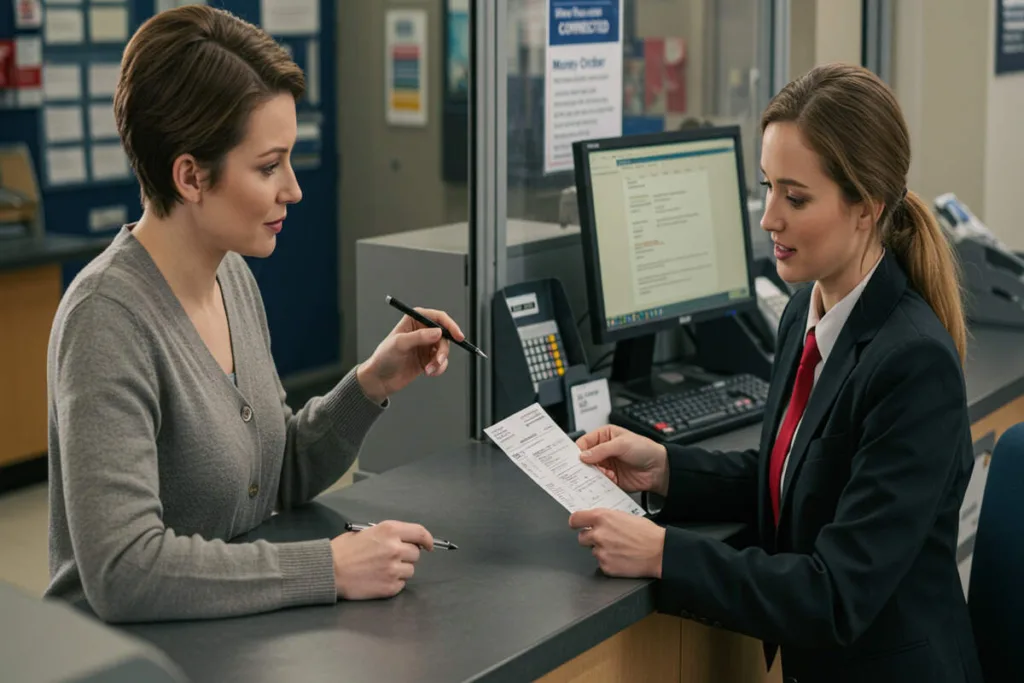
In most cases, you cannot simply correct a mistake on a money order. Instead, issuers generally require you to cancel the incorrect money order and request a replacement. Because money orders are prepaid financial instruments designed with fraud prevention in mind, handwritten alterations may cause them to be rejected.
If you’ve written the wrong payee name, entered an incorrect amount, or made another mistake while completing a money order, acting quickly and keeping your receipt can make resolving the issue much easier. Although procedures vary by issuer, understanding the typical replacement process helps you avoid unnecessary delays and protects your funds.
This guide explains what usually happens when a mistake is made on a money order, which errors typically require a replacement, how cancellation procedures generally work, and practical steps you can take to avoid future problems.
Understanding Money Orders
Money orders are prepaid payment instruments that function similarly to checks. Because the funds are paid in advance, recipients can generally accept them with confidence that the payment will not be returned for insufficient funds.
Many people choose money orders because they are widely available through banks, post offices, retailers, and other financial service providers. They are commonly used to pay rent, send money through the mail, purchase goods, or make other payments when cash or personal checks are not the preferred option.
Unlike personal checks, money orders also provide proof of purchase through a receipt. Keeping this receipt is important because it may be required if you later need to request a cancellation, replacement, or refund.
If you’re dealing with other money order issues beyond writing mistakes, such as lost documents, replacement requests, or refund questions, see Money Order Problems, Refunds, Replacements & Fraud for additional guidance.
Typical Uses For Money Orders
Money orders remain one of the most trusted tools for secure transactions. Many people rely on them for everyday payments because they do not require a bank account, making them widely accessible. Compared to carrying cash, they also provide a safer alternative with added proof of purchase.
Here are the most common ways people use money orders:
- Paying rent or housing-related costs
- Covering small purchases without using cash
- Sending money safely through the mail
- Handling personal transactions where trust is key
- Paying bills or recurring expenses
- Sending money internationally with added security
Beyond these uses, money orders offer peace of mind because the funds are prepaid and guaranteed. This gives recipients confidence that the full amount will be honored without risk of bouncing. For individuals who value security and convenience, money orders are a reliable option. They also serve as a practical solution for anyone seeking to avoid high fees, maintain privacy, or manage payments outside of traditional banking channels.
Why Accuracy Matters
Accuracy is one of the most important parts of completing a money order.
Issuers rely on the information you provide to ensure the payment reaches the intended recipient. Errors involving the payee’s name, payment amount, or other required information may prevent the money order from being accepted.
To reduce the risk of problems:
- Write clearly using permanent blue or black ink.
- Verify the payee’s name before writing it.
- Double-check the payment amount.
- Complete every required field before leaving the service counter.
- Keep your receipt until the transaction has been completed.
Taking a few extra moments to review your information can save time and help you avoid the need for a replacement later.
Before You Cancel a Money Order
If you discover a mistake after completing a money order, avoid trying to erase, cross out, or overwrite the information unless the issuer specifically instructs you to do so. Alterations may affect whether the money order can be processed.
Instead, gather the information you’ll likely need before contacting the issuer, including:
- Your purchase receipt
- The purchase date
- The money order amount
- The serial or reference number (if available)
- Any identification or supporting documentation the issuer requests
Having this information ready can make the review process more efficient and help the issuer determine the appropriate next steps.
Because procedures differ, always follow the instructions provided by the issuer rather than assuming every money order follows the same correction policy.

Correcting Mistakes On A Money Order
Mistakes on a money order are more common than many people realize. Fortunately, most errors can be resolved, although the solution is often replacing the money order rather than correcting it.
Since money orders are designed to reduce fraud and protect both senders and recipients, issuers generally discourage handwritten corrections. Depending on the issuer’s policies, even small alterations may result in the document being rejected.
Understanding which mistakes usually require replacement helps you respond quickly and avoid additional delays.
Can You Correct a Mistake on a Money Order?
In many situations, the answer is no.
Rather than allowing customers to modify a completed money order, many issuers require the original document to be canceled before issuing a replacement. This approach helps maintain the integrity of the payment and reduces the risk of fraud.
Some issuers may have procedures for addressing limited errors, but these policies vary. Instead of attempting to make changes yourself, review the issuer’s instructions or contact customer service for guidance.
Common Money Order Mistakes
The table below summarizes common errors and the actions typically recommended.
| Mistake | Typical Outcome | Common Next Step |
| Wrong payee name | May not be accepted | Contact issuer about replacement |
| Incorrect payment amount | Usually requires replacement | Follow issuer cancellation process |
| Minor spelling error | Depends on issuer | Verify before making any changes |
| Cross-outs or overwritten information | May invalidate the document | Request guidance from issuer |
| Lost money order | Cannot be corrected | Begin replacement or claim process |
| Missing receipt | May slow the process | Provide any alternative documentation requested |
Important: Cancellation procedures, replacement requirements, documentation, fees, and processing times vary by issuer. Always follow the instructions provided for your specific money order.
What Happens If You Fill Out a Money Order Incorrectly?
An error does not necessarily mean your funds are lost, but it may prevent the money order from being processed as intended.
Depending on the type of mistake and the issuer’s procedures, you may need to:
- Request cancellation of the original money order.
- Complete a replacement request.
- Provide your purchase receipt or other documentation.
- Wait while the issuer reviews the request.
Keeping your receipt is one of the simplest ways to protect yourself if a problem occurs. It serves as proof of purchase and can help the issuer locate the transaction more quickly.
Whenever possible, review all information before leaving the purchase location. A final check of the payee’s name, payment amount, and other details can help prevent unnecessary replacement requests.
How Correction Policies Usually Work in Money Order?
Correction policies vary by institution. Financial service providers generally follow similar rules, though details may differ. For example, some may allow slight spelling adjustments while others require a full cancellation.
Most policies emphasize preventing fraud. Cross-outs, overwriting, and changes to the amount raise concerns for processors. Because of this, many issuers instruct customers to request a replacement rather than attempt corrections. Always review the instructions provided at the point of purchase to avoid complications later.ruct customers to request a replacement rather than attempt corrections. Always review the instructions provided at the point of purchase to avoid complications later.
How To Cancel Or Replace A Money Order
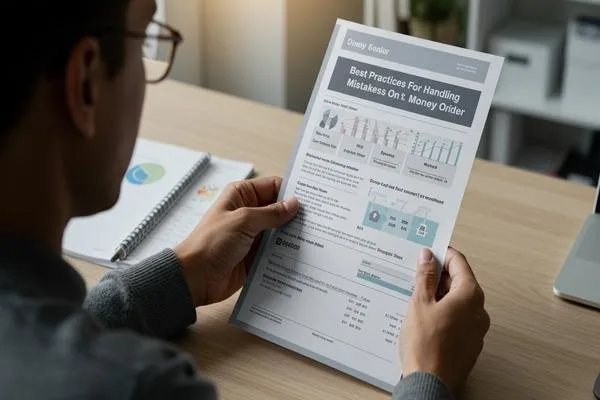
If a money order contains an error that cannot be corrected, the next step is usually to request a cancellation or replacement from the issuer. Although procedures differ, most issuers have established processes for handling these requests.
Rather than attempting to alter the money order yourself, contact the issuer as soon as you notice the mistake. Acting promptly can help prevent delays and make it easier to resolve the issue.
What You’ll Usually Need
Before requesting a replacement, gather any documentation related to the purchase.
Depending on the issuer, you may be asked to provide:
- The original purchase receipt
- The money order serial or reference number
- The purchase date
- The payment amount
- Government-issued identification, when requested
- A completed cancellation or replacement form
If you no longer have your receipt, the issuer may request additional information to help locate the transaction. Requirements vary, so follow the instructions provided for your specific money order.
Typical Replacement Process
Although each issuer has its own procedures, the process generally follows these steps:
- Contact the issuer or return to the location where the money order was purchased.
- Explain the error and ask about the available options.
- Submit any required forms or documentation.
- Provide proof of purchase if requested.
- Wait for the issuer to review your request.
- Follow any additional instructions regarding cancellation, replacement, or refunds.
Some issuers may charge administrative fees or have review periods before issuing a replacement. Because these policies differ, always confirm the current requirements directly with the issuer.
When You May Need a New Money Order
Certain mistakes are more likely to require a replacement than others.
Examples include:
- Writing the wrong payee name
- Entering the wrong payment amount
- Damaging the money order while completing it
- Making handwritten alterations that could affect processing
- Losing the money order before it is negotiated
Even if the mistake appears minor, avoid assuming it can be corrected. Following the issuer’s guidance helps reduce the risk of additional delays.

How To Avoid Future Mistakes
The easiest way to resolve a money order mistake is to prevent it from happening in the first place.
Before completing your purchase:
- Confirm the correct spelling of the recipient’s name.
- Verify the payment amount.
- Complete every required field.
- Use permanent blue or black ink.
- Review all information before leaving the counter.
- Keep your receipt in a safe place until the transaction has been completed.
Creating a simple review routine takes only a few moments and can help you avoid replacement requests, additional paperwork, or unnecessary trips back to the issuer.
A Quick Checklist Before You Leave
Use this checklist every time you purchase a money order:
- Payee name is correct.
- Dollar amount matches the intended payment.
- All required fields are complete.
- Information is written clearly.
- Receipt has been stored safely.
- Money order has been reviewed one final time.
These small steps can help prevent avoidable mistakes and provide peace of mind before you leave the service location.
Federal Rules vs. Provider Policies
It’s helpful to distinguish between general legal requirements and the procedures established by individual money order issuers.
Federal and state laws establish broad regulatory requirements for financial services, while each issuer determines its own policies for handling cancellations, replacements, documentation, and customer service requests.
Because these procedures are not identical across providers, always rely on the instructions provided by the issuer of your money order rather than assuming every company follows the same process.
Conclusion
Mistakes on a money order can usually be resolved, but they often require cancellation or replacement rather than handwritten corrections. Acting promptly, keeping your receipt, and following the issuer’s instructions can help reduce delays and make the process easier.
The best way to avoid problems is to review every detail before completing the transaction. Confirm the recipient’s name, verify the payment amount, and store your receipt until the money order has been successfully used.
If you need additional information about tracking, replacing, or resolving other money order issues, explore Order Express’s educational resources or contact the issuer directly for guidance specific to your transaction.
Take the time to complete your money order carefully. If you need financial services that prioritize speed, accuracy, and customer support, visit Order Express today.
Disclaimer: This article provides general educational information only. It does not constitute legal, financial, or compliance advice. Federal rules and provider policies may change. Always confirm the current policy with the financial institution that issues your money order.
Frequently Asked Questions
Can You Correct A Mistake On A Money Order?
In many cases, no. Rather than allowing handwritten corrections, many issuers require customers to cancel the original money order and request a replacement. Because procedures vary, always follow the issuer’s instructions.
What Happens If You Write The Wrong Name On A Money Order?
Writing the wrong payee name may prevent the money order from being accepted. Contact the issuer as soon as you discover the mistake to learn whether a replacement or another solution is available under its policies.
Can You Cross Out Or Erase A Mistake On A Money Order?
Avoid crossing out, erasing, or overwriting information unless the issuer specifically instructs you to do so. Alterations may affect whether the money order can be processed.
Does Every Money Order Issuer Have The Same Correction Policy?
No. Cancellation procedures, replacement requirements, documentation, fees, and review processes differ among issuers. Always rely on the instructions provided for your specific money order.
How Long Does It Take To Replace A Money Order?
Processing times vary depending on the issuer and the circumstances of the request. Contact the issuer directly for current information about review and replacement procedures.
Can Someone Else Request A Replacement For My Money Order?
Replacement policies differ among issuers. Some may require the original purchaser to submit the request or provide documentation proving ownership. Follow the issuer’s instructions for your specific transaction.

John is a Content & SEO Specialist who enjoys breaking down complex financial topics, like cross-border payments and money transfers, into content that’s easy to understand. He focuses on creating practical, search-driven content that helps people find answers and make informed decisions.


