


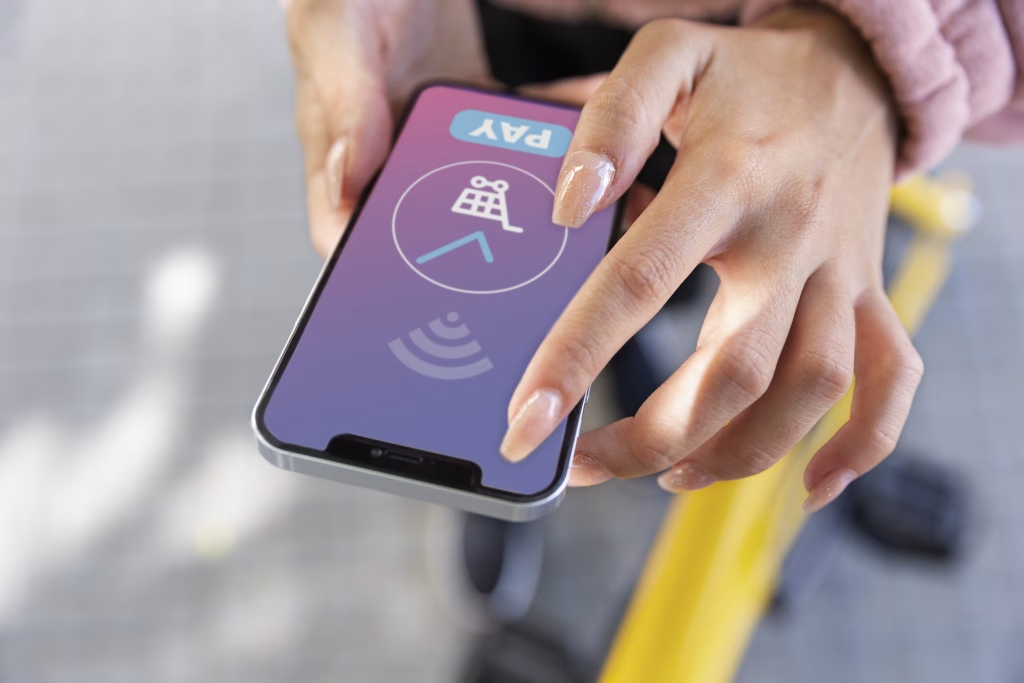
Cross Border Payments have made sending money across the world quick and easy. With so many countries, each using its own payment systems and financial rules, Cross Border Payments used to be complicated and time-consuming.
Today, that’s no longer the case. Thanks to technology, transferring money internationally is often faster and more cost-effective than traditional correspondent bank wires, and it remains dependable. What once felt like a major challenge is now part of everyday life. Whether you’re sending money to family or running a business, Cross Border Payments make it possible to connect and move funds smoothly across borders.
This global shift has made it easier for people and businesses to interact, trade, and support one another across distances. But with so many payment methods available, it’s important to know how each one works and what to expect.
So, what are the most common ways to send money internationally? And what are the key benefits and challenges of each option? Let’s break it down so you can choose the right Cross Border Payment solution for your needs with confidence.

Exploring Common Cross Border Payment Methods
When sending money internationally, choosing the right Cross Border Payment method is key. The best option depends on several important factors, such as the type of account used, how quickly the money needs to arrive, which currencies are involved, and what fees might apply.
That’s why it’s important for both individuals and businesses to take time to understand their options. Selecting the right method can help avoid unnecessary costs, delays, or complications. By matching the method to your specific needs, you can make sure the payment is both smooth and secure.
There are many ways to complete Cross Border Payments, but a few methods stand out as the most widely used. Let’s explore the most common options available today.
What Are Cross Border Payments and Why Do They Matter?
Cross Border Payments are financial transactions where money is sent from one country to another. These payments are processed through banks, financial institutions, or specialized providers and are essential for both businesses and individuals operating across borders.
There are two main types: wholesale and retail. Wholesale payments typically involve large transactions between financial institutions, supporting activities like lending, trading, or international investments. Retail payments, on the other hand, are more common in everyday life. They include personal remittances, online purchases, and payments between small businesses and customers in different countries.
Cross Border Payments matter because they support the global flow of goods, services, capital, and people. As businesses expand internationally and e-commerce continues to grow, the need for reliable international transactions becomes more important. Individuals also rely on these payments to send money to family, pay for education, or support loved ones abroad.
Although they can involve fees, currency conversions, or regulatory steps, Cross Border Payments are becoming more efficient thanks to modern technology. With solutions like Order Express, users can send and receive money across borders faster, more securely, and with greater confidence than ever before.
International Wire Transfers
International wire transfers are one of the most common ways to complete Cross Border Payments. They offer a fast, secure way to move money from one country to another, without the need for physical cash.
Here’s how it works: the sender gives their bank specific instructions to transfer money to a recipient in another country. The funds are then moved electronically from one bank account to another, making this method a trusted option for both personal and business transactions.
These transfers rely on well-established networks that help route the money safely and accurately across borders. One of the most widely used is a global messaging system that connects financial institutions and ensures each transaction includes the correct recipient information. This helps prevent delays and errors.
International wire transfers support multiple currencies and are often used for large or time-sensitive payments. While they’re reliable and widely accepted, it’s important to note that fees and transfer times can vary depending on the location and network used.
For anyone making Cross Border Payments, especially those who need secure and direct transfers, wire transfers remain a popular and effective choice.
Credit Card Payments
Credit cards are one of the most widely used tools for making payments, and that includes Cross Border Payments. Whether shopping online or completing purchases while traveling, many people choose credit cards for their convenience and security.
Using a credit card for international payments is simple. Customers just enter their card details through a secure payment provider to complete the transaction. This method is especially popular for online shopping and in-person purchases abroad.
For businesses, credit card payments make it easier to accept funds in different currencies and track payment status in real time. However, it’s important to be aware that international credit card transactions can come with extra charges, such as currency conversion fees or processing costs.
Still, for many users, the ease of use and wide acceptance of credit cards make them a reliable option for Cross Border Payments, particularly for everyday transactions and consumer purchases.
Digital Wallets
Digital wallets are the modern version of a physical wallet, designed to store, manage, and send money electronically. They offer a convenient way for individuals to make payments, especially when dealing with Cross Border Payments.
What makes digital wallets stand out is their flexibility. Many support multiple currencies, making them an excellent option for international transactions. Whether you’re shopping online or sending money abroad, digital wallets offer a fast and secure experience.
There are two main types of digital wallets:
- Pass-through wallets work like digital versions of credit or debit cards. When making a transaction, they create a one-time code instead of sharing your actual card details. This added security feature helps protect sensitive information during international payments.
- Stored-value wallets allow users to load money into the wallet itself using a bank account, card, or even cash. Once funded, users can make payments or transfers directly from the wallet.
For those looking for speed, simplicity, and added security in Cross Border Payments, digital wallets provide a practical and user-friendly solution.
Digital Currencies
Digital currencies are quickly emerging as an alternative way to make Cross Border Payments. These electronic forms of money are becoming more popular thanks to their low transaction fees and the growing number of options available for international transfers.
One of the key technologies behind digital currencies is blockchain, which allows secure and direct transactions between users without relying on traditional financial institutions. This can make international payments faster and more accessible, especially for those in regions with limited banking access.
However, while digital currencies bring innovation and flexibility, they also come with challenges. Their value can shift suddenly due to market changes, making it harder to predict how much money the recipient will actually receive. In addition, there are still concerns about safety and the risk of fraud, particularly in areas with limited regulation or oversight.
As the world continues to explore new financial solutions, digital currencies will likely play a growing role in Cross Border Payments. But it’s important to weigh both the opportunities and the risks before choosing this method.
Paper Checks
Even in today’s digital world, paper checks continue to be used for Cross Border Payments. While it may seem outdated, this traditional method still plays a role, especially in certain regions where it’s familiar and trusted for business transactions.
The process is straightforward. The sender fills out a check with the recipient’s name, address, and the payment amount. That check can then be mailed or scanned and sent electronically, depending on the bank’s systems.
One benefit of using paper checks is that they often avoid fees from intermediaries or banks. However, they’re slower than most modern options. Delivery and processing times can take several days, or sometimes longer, before the funds are cleared and available to the recipient.
While paper checks may not be the fastest method, they still offer a reliable way to complete Cross Border Payments when speed is not the top priority.

Key Benefits of Using Cross Border Payments
Cross Border Payments offer a wide range of benefits that positively impact both businesses and individuals. In today’s connected world, they serve as a foundation for international growth and financial interaction. From helping companies reach global markets to supporting families across borders, Cross Border Payments are essential to the smooth flow of money worldwide.
By making international transactions easier, faster, and more efficient, they help drive economic growth and unlock new opportunities on a global scale.
Seamless Entry into Global Markets
Cross Border Payments have opened the door for businesses to expand beyond their local boundaries and enter international markets with ease.
By being able to accept both business and retail payments from different countries, companies are no longer limited to operating within a single region. They can now promote their products and services to a global audience, reach new customers, and grow their brand internationally.
This also creates new opportunities to build partnerships with overseas suppliers and business networks, giving businesses more flexibility, more resources, and a stronger competitive edge on the global stage.
Increased Efficiency and Faster Payment Processing
Cross Border Payments streamline the transaction process, helping businesses save time and reduce unnecessary costs. By cutting out delays and simplifying administrative tasks, companies can focus more on growth and less on paperwork.
Faster payments mean improved cash flow and better resource management. It also allows teams to respond quickly to customer needs and supplier demands, boosting overall operational efficiency.
In addition, efficient Cross Border Payments help reduce exposure to currency fluctuations, creating a more stable and predictable transaction experience for both businesses and their customers.
Cost Savings and Improved Cash Flow
One of the key advantages of Cross Border Payments is the potential for significant cost savings. Businesses can benefit from better exchange rates, lower transaction fees, and fewer intermediaries, especially when dealing with countries that share strong financial ties or use similar systems.
These savings can be passed on to customers through more competitive pricing or reinvested to support business growth. Either way, reducing the cost of international transactions contributes directly to higher profits.
Additionally, faster settlement of Cross Border Payments helps improve cash flow. With quicker access to incoming funds, businesses can manage their finances more effectively and respond to opportunities or challenges with greater agility.
Personalized Customer Experience
Offering a variety of international payment options gives customers the freedom to choose how they want to pay, using their preferred method and currency. This level of flexibility not only makes the checkout process faster and more convenient, but also builds trust and satisfaction.
Displaying prices in local currencies and supporting familiar payment tools helps create a more personalized shopping experience. When customers feel understood and valued, they’re more likely to complete a purchase and return in the future.
By meeting local preferences and expectations, businesses can strengthen customer relationships, boost conversion rates, and increase long-term loyalty, all while standing out in competitive global markets.

Common Challenges in Cross Border Payments
While Cross Border Payments offer clear advantages, they also come with unique challenges that businesses and individuals should be aware of. From regulatory hurdles to unexpected costs, navigating international transactions isn’t always straightforward. Recognizing these potential obstacles is the first step to managing risk and making smarter, more efficient payment decisions.
Operational Complexity
Cross Border Payments often involve several layers of coordination between banks, intermediaries, regulatory bodies, and international financial networks. Unlike local transactions, these payments must pass through multiple systems, each with its own requirements and checks.
This added complexity can slow down the process, increase the risk of errors, and lead to higher operational costs. Delays are especially common when multiple parties are involved or when payments are sent to regions with less developed financial infrastructure.
For businesses, this means careful planning and oversight are essential to ensure funds arrive on time and without unexpected issues. Streamlining these operations with a trusted provider can help reduce complexity and improve reliability.
Higher Costs of International Transactions
One of the main challenges with Cross Border Payments is the added cost. Because international transactions often pass through multiple intermediaries, such as correspondent banks or payment processors, each party may charge a fee for their role in the process.
In addition to service fees, businesses also face currency conversion charges, international taxes, and other administrative costs. When financial systems between countries aren’t fully integrated, the need for more intermediaries can make payments even more expensive.
These rising costs can be especially tough on small and medium-sized businesses, which may not have the same access to low-fee services as larger organizations. To stay competitive, it’s important for businesses to carefully choose payment solutions that reduce fees and improve efficiency wherever possible.
Regulatory Requirements
Cross Border Payments are subject to a wide range of regulatory rules that can vary from one country to another. Businesses must often comply with laws related to anti-money laundering, international sanctions, and financial reporting.
Meeting these requirements can be complex and time-consuming. Failing to comply may lead to delayed transactions, financial penalties, or legal issues, making regulatory oversight a critical part of international payments.
To reduce risk and stay on the right side of the law, businesses must stay informed and ensure their payment processes align with local and international regulations. Working with a trusted provider can also help simplify compliance and avoid unnecessary setbacks.
Limited Transparency in Cross Border Payments
One of the common challenges with Cross Border Payments is the lack of transparency. Once a payment is sent, both the sender and the recipient often have limited visibility into its status. There’s usually no real-time tracking, and updates on the progress or delays may be unclear.
In addition to tracking issues, many users are not fully informed about the fees involved, especially when it comes to foreign exchange rates and hidden conversion charges. This can lead to confusion or unexpected costs that impact financial planning and trust in the process.
Improving transparency is key to creating a better experience. When customers and businesses know exactly what to expect, they can make smarter financial decisions and feel more confident about sending money internationally.
Fraud and Security Threats
Security remains one of the most serious concerns when it comes to Cross Border Payments. These transactions involve sensitive financial information, making them a target for cyber threats, identity theft, and payment fraud.
Because international payments often pass through multiple systems and providers, the risk of exposure increases. Weak security measures or lack of oversight at any point in the process can leave both senders and recipients vulnerable.
To reduce the risk, it’s important for businesses and individuals to work with trusted payment providers that use strong security protocols, encryption, and fraud detection tools. Taking the right precautions helps protect data, build trust, and ensure funds are transferred safely across borders.
Conclusion
Cross Border Payments are no longer a luxury, they’re a necessity for global business and personal transactions. With the right method, you can send and receive funds quickly, securely, and cost-effectively. Whether using wire transfers, credit cards, digital wallets, or emerging technologies like digital currencies, each option comes with its own strengths. But understanding how these methods work, and the challenges they may bring, is key to making smart financial decisions.
From expanding into global markets to supporting loved ones abroad, Cross Border Payments are a vital part of today’s economy. They offer opportunities for growth, efficiency, and connection, when handled correctly. That’s why choosing a trusted provider like Order Express can make all the difference. It’s time to take control of your international payments with solutions that match your needs and move with the speed of today’s world.
Note: Order Express is a registered Money Services Business. We comply with the Bank Secrecy Act, the USA PATRIOT Act, and all other applicable regulations.
FAQs
What are Cross Border Payments?
Cross Border Payments are transactions where money is sent between people or businesses in different countries.
What methods are used for Cross Border Payments?
Common methods include wire transfers, credit cards, digital wallets, digital currencies, and paper checks.
Are Cross Border Payments secure?
Yes, if you use a trusted provider with strong encryption and fraud protection protocols in place.
Why do Cross Border Payments sometimes take longer?
They often involve multiple banks, currencies, and regulatory checks that can delay processing.
How can I reduce fees on Cross Border Payments?
Choose providers with transparent pricing, favorable exchange rates, and fewer intermediaries involved.

Alvin is a Content and SEO Specialist who creates clear and helpful content about money transfers and payment systems. He focuses on making complex topics easy to understand so readers can learn how these services work in everyday situations.


