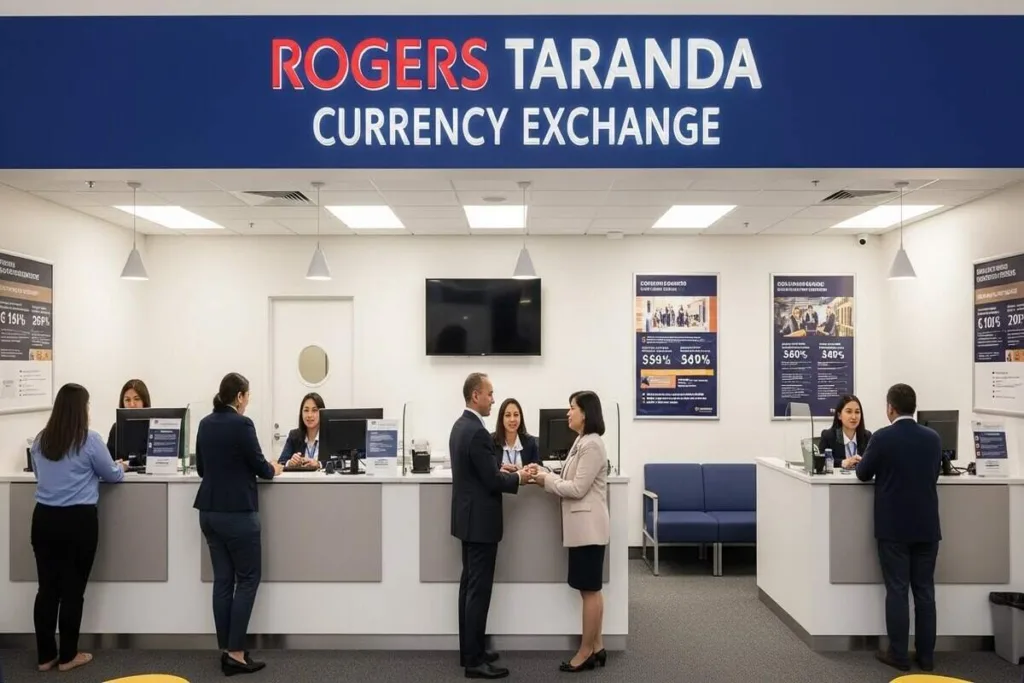
Currency exchange on Kedzie Ave in Chicago, Illinois is handled through licensed, in-person services that convert foreign cash into U.S. dollars or provide foreign currency for travel and personal needs. For local customers, the process is designed to be direct, transparent, and completed at the counter during a single visit.
Currency exchange services follow established regulatory requirements, which shape how transactions are verified, documented, and completed. This article explains how currency exchange works locally, what customers should expect, and how to approach the process with informed awareness.

Know What To Expect From A Currency Exchange On Kedzie Ave In Chicago, Illinois
Customers using currency exchange services along Kedzie Ave often want clarity before approaching the counter. Understanding how a currency exchange is handled helps set realistic expectations around verification, transaction review, and provider responsibilities. In Chicago, Illinois, these services operate within established legal and regulatory frameworks that prioritize transparency and accuracy while keeping the process accessible for everyday use.
From the moment a request is made, the exchange follows a defined sequence designed to protect both the customer and the service provider. Exchange amounts are confirmed before completion, and verification may apply depending on regulatory requirements. Knowing this structure in advance allows customers to engage confidently, review details carefully, and complete transactions with a clear understanding of how regulated currency services function.
What Happens When You Request a Currency Exchange
A request for currency exchange follows a clear, in-person flow designed for accuracy and transparency. The provider reviews the foreign bills presented, confirms eligibility, and calculates the exchange amount at the time of service. Customers see the details before anything is finalized, which supports understanding and allows questions before funds are issued.
The exchange generally moves through these customer-facing steps:
- Review of the foreign currency for type and condition
- Calculation of the exchange amount at the counter
- Presentation of transaction details for customer review
- Completion after confirmation, with funds provided
This structure helps prevent errors and misunderstandings. While compliance monitoring and reporting are handled by the licensed provider, customers are required to present identification and provide necessary transaction information when applicable regulatory thresholds are met.
How Identification and Verification May Apply
Identification is required for currency exchange transactions of $1,000 or more, whether conducted in a single transaction or over a single business day, as required by applicable federal regulations. When identification applies, it is used to support lawful recordkeeping and verification obligations handled by the service provider.
Customers should understand that identification requirements are determined by applicable rules, not by customer preference or request. These measures help ensure currency exchange services operate within established legal standards.
Why Exchange Amounts Are Confirmed at the Counter
Exchange amounts are confirmed at the counter to reflect current conditions and available currency. Customers are shown the calculated amount before completion so they can review the transaction details.
This confirmation step protects both parties and helps prevent misunderstandings. Customers are encouraged to review the information presented and request clarification if anything is unclear before agreeing to proceed.
How Compliance Shapes the Exchange Process
Under Federal law, certain cash transactions exceeding $10,000 in a single business day, including transactions aggregated over a single business day, are subject to recordkeeping and reporting requirements.
These obligations are mandatory and are handled solely by the service provider.
Customers are not involved in determining whether reporting applies. The exchange process is structured to meet these requirements while providing a consistent customer experience.

Prepare For A Smooth Currency Exchange By Understanding Key Requirements
Preparing for a currency exchange involves more than showing up with foreign cash. Customers benefit from knowing how licensed providers review currency condition, verify documentation when applicable, and confirm transaction details before completion. In Chicago, Illinois, these steps help ensure exchanges are handled accurately, consistently, and within established legal frameworks. Understanding what to expect reduces uncertainty and helps customers engage with the process confidently from start to finish.
Foreign currency must typically be in circulation and in acceptable condition, and transaction details are reviewed before funds are issued. Licensed providers operate under defined compliance obligations that guide how services are delivered. By understanding these fundamentals, customers can approach the exchange with clarity, recognize how it differs from other financial services, and make informed decisions when interacting with regulated providers.
Presenting Foreign Currency for Exchange
Presenting eligible bills is the most direct way to ensure a smooth currency exchange experience. Providers first check that foreign paper currency is in circulation and in acceptable condition. This initial review supports accurate counting and helps customers convert funds without unnecessary delays.
Before approaching the counter, customers benefit from basic preparation:
- Separate bills by denomination
- Remove damaged, altered, or obsolete notes
- Present paper currency rather than coins
- Keep the amount organized for easy review
Clear presentation allows the provider to verify and count bills efficiently. This preparation supports a predictable transaction and reduces follow-up questions during the exchange.
Documentation and Transaction Review
Documentation review is a standard part of a currency exchange and helps ensure transactions are completed correctly and lawfully. Identification may be requested depending on regulatory applicability, transaction characteristics, and other required factors. When identification applies, it is reviewed by the provider to support verification and recordkeeping obligations. This process helps customers exchange foreign currency with clarity while maintaining consistent standards across local exchange services.
Customers are also shown transaction details before completion so they can confirm the outcome. Reviewing this information allows customers to understand how funds are being converted and supports informed decisions when they buy or sell currency. This review step helps convert cash safely and avoids misunderstandings before funds are issued.
Understanding the Role of Licensed Providers
Licensed providers play a central role in every currency exchange by applying required compliance, documentation, and service standards. Licensed money services businesses are registered with FinCEN as Money Services Businesses and are subject to applicable compliance and monitoring requirements that guide how currency exchange services are offered to customers. These measures help ensure customers can exchange foreign currency through structured, regulated processes rather than informal methods.
Order Express policy operates alongside applicable laws and does not replace Federal requirements. Licensed providers help customers convert cash safely, especially when handling international travel spending or similar needs. Using established local exchange services supports transparency, consistency, and lawful service delivery throughout the exchange process.
Currency Exchange Compared to Other Financial Services
A currency exchange is distinct from other financial services, including money transfers and digital payment tools. According to Federal law, covered international remittance transfers, which are separate from standard exchange transactions, require pre-payment disclosures and receipts, including transfer amounts, fees, exchange rates, estimated delivery dates, and applicable cancellation or error-resolution rights. Understanding this distinction helps customers choose the correct service for their needs.
Digital or peer-to-peer tools, when used, are subject to provider rules and applicable laws or regulations. Customers seeking to buy or sell currency or manage international travel spending should rely on licensed services to exchange foreign currency through regulated channels that support accuracy and accountability.
Conclusion
Understanding how currency exchange works helps customers avoid confusion and approach transactions with confidence. Licensed providers follow structured steps that include currency review, transaction confirmation, and compliance obligations handled at the service level. Knowing what to expect supports smoother visits and clearer decisions. For those using services in the Chicago region near Kedzie Ave, preparation and awareness make the experience more predictable and transparent.
Customers who want additional clarification may choose to speak with a licensed money services business, such as Order Express, for general information. Taking time to ask questions and review details encourages informed, compliant use of exchange services. With the right expectations, customers can move forward confidently and complete transactions with clarity.
Frequently Asked Questions
Where can I exchange foreign cash in Chicago in Illinois?
Licensed, in-person currency exchange locations operate throughout the city and handle foreign cash transactions at the counter.
Do I need identification to exchange currency in the Chicago area?
Identification may be requested depending on the transaction and applicable regulatory requirements. The provider determines when it applies.
Can damaged foreign bills be exchanged in Illinois’s Chicago community?
Heavily damaged or obsolete bills may not be accepted. Currency condition is reviewed before any exchange is completed.
How is currency exchange different from sending money near Kedzie Avenue?
Exchanging cash is separate from money transfers. Transfers follow different disclosure and consumer protection rules.
Are digital exchange apps regulated like in-person services in Chicago near major streets?
Digital tools are subject to their own provider rules and applicable laws. Licensed locations remain the regulated option for cash exchange.
Educational Disclaimer: This content is for general informational purposes only and does not constitute legal, financial, or regulatory advice.

Alvin is a Content and SEO Specialist who creates clear and helpful content about money transfers and payment systems. He focuses on making complex topics easy to understand so readers can learn how these services work in everyday situations.