


Using Check Cashing services is convenient, but it comes with risks. Identity theft is one of the biggest dangers customers face today. Criminals use many methods to manipulate checks, steal details, and access funds without permission. Unlike traditional financial institutions, which often have stronger safeguards in place, check cashing services may leave customers more vulnerable. Understanding these risks helps you protect yourself.
One major risk is altered or forged checks. Criminals may wash, reprint, or digitally edit a check to change names or amounts. Another growing problem is counterfeit checks, where scammers create fake ones using stolen banking details. Mail theft is also a risk, as thieves intercept and alter checks while in transit.
Account takeovers are another common threat. Once personal details are exposed, fraudsters can cash checks in your name. Paper hanging, also called check kiting, manipulates float times with insufficient funds. Knowing these risks is the first step toward prevention.
Disclaimer: This article is for informational purposes only and does not replace official regulatory disclosures. Please refer to Order Express’ Terms & Conditions and state/federal laws for full details.

Understanding Identity Theft Risks in Check Cashing
Identity theft risks are often hidden but very real for anyone using check cashing services. Criminals rely on forged checks, stolen mail, and altered documents to trick victims. Learning about common fraud methods, recognizing early warning signs, and exploring safer alternatives helps protect your money and secure financial transactions.
Note: Order Express complies with federal and state regulations, including identification and reporting requirements. Valid identification is required for check cashing transactions of 3,000 dollars or more, and lower limits may apply in certain states such as Arizona and Louisiana.
Fees are disclosed upfront and may vary depending on the state, transaction type, and amount. Transactions may also be aggregated within reporting periods when determining identification and reporting requirements.
Common Identity Theft Risks in Check Cashing
Forgery is one of the most frequent problems linked to Check Cashing. Criminals can erase ink with solvents or reprint checks using digital tools. This allows them to change amounts or replace the payee with their own details. Victims often only notice the fraud after money is gone.
Another serious method is check washing. Thieves target mailed checks, erase the information, then rewrite it. This practice causes major losses for both individuals and businesses. Counterfeit checks are also common. These are created from stolen account numbers and appear legitimate until they are rejected.
Mail theft adds another layer of risk. Criminals remove checks from unsecured mailboxes and cash them. Once this occurs, the original recipient may face delays and loss of funds. With all these tactics in play, anyone using Check Cashing must stay alert and cautious.
Red Flags To Spot
Recognizing warning signs helps you avoid identity theft while using Check Cashing. Many fraud attempts share visual or behavioral red flags. Training yourself to notice these signs will reduce your risks.
Key warning signs include:
- A check that looks altered, smudged, or rewritten
- Ink that appears erased or mismatched handwriting
- A check with unusually large amounts or strange formatting
- An unfamiliar or suspicious payor name
- A mailed check that never arrives or disappears in transit
Act quickly if you notice any of these signs. Report missing or altered checks immediately. Fast response prevents larger losses and strengthens your protection.
Please note that transactions may also be subject to reporting obligations under the Bank Secrecy Act. Order Express files Currency Transaction Reports for cash transactions over 10,000 dollars and Suspicious Activity Reports for transactions of 2,000 dollars or more when required by law.
Safer Alternatives to Paper Checks
Paper checks remain useful but carry risks during Check Cashing. Criminals can forge, alter, or steal them with relative ease. That is why safer alternatives are becoming popular for both individuals and businesses.
One option is electronic payments. Direct deposit transfers funds securely without physical checks. Online payment systems also use encryption and authentication to reduce fraud risk. These methods cut out many opportunities for criminals to steal information.
Another option is money transfer services or prepaid debit cards. These alternatives move funds quickly and securely. They reduce exposure to stolen mail or counterfeit checks. While no method is entirely risk free, choosing safer alternatives minimizes identity theft threats. Making the switch can protect your financial records.
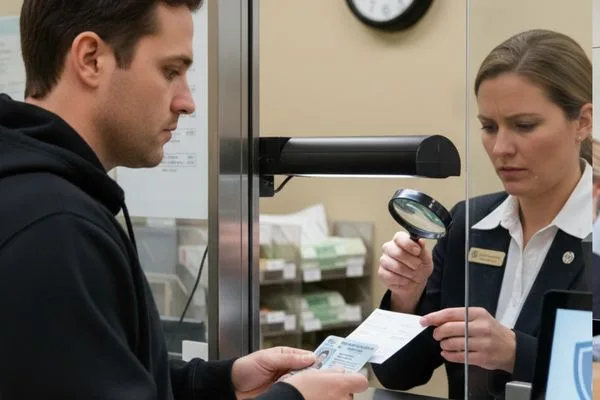
Responding and Recovering from Check Cashing Fraud
Even the most careful customers may face identity theft while using check cashing. Quick action makes the difference between minor inconvenience and long-term damage. By knowing protective steps, understanding fraud response procedures, learning recovery methods, and recognizing legal consequences, you can regain control and safeguard your financial future effectively.
Note: Order Express, a registered MSB with FinCEN, is committed to helping customers detect and prevent identity theft when using financial services like check cashing.
How To Protect Yourself When Using Check Cashing
Prevention is the strongest defense against identity theft. Simple, consistent habits greatly reduce your risk when using Check Cashing. Responsible practices build a secure foundation.
Protect yourself by following these actions:
- Always carry valid identification and proof of address
- Use checks with security features like watermarks
- Endorse checks with “For Deposit Only” and your account number
- Drop checks at a post office or secure drop box
- Monitor accounts with alerts for unusual activity
- Shred unused or outdated checks and documents
Taking these steps ensures criminals have fewer opportunities to exploit weaknesses. Consistent habits protect your finances and identity in the long run.
Note: Valid identification is required for transactions of 3,000 dollars or more. Lower limits apply in some states such as 1,000 dollars in Arizona and Louisiana. Order Express also files reports as required by the Bank Secrecy Act, including Currency Transaction Reports for cash transactions over 10,000 dollars and Suspicious Activity Reports for certain transactions of 2,000 dollars or more.
What To Do If You Suspect Fraud
If you suspect identity theft while using Check Cashing, act immediately. Contact your banking institution first. They can freeze your account and stop further unauthorized transactions. Time is critical in preventing additional damage.
Next, report the issue to the Check Cashing provider. Provide them with transaction details, identification, and the altered check if available. Filing a police report adds another layer of protection. It creates a record for insurance or legal purposes.
Finally, monitor your credit reports and accounts closely. Watch for unfamiliar charges or new accounts opened in your name. Dispute any fraudulent activity with evidence, such as receipts or transaction slips. Taking quick action limits the impact of identity theft and helps secure your financial future.
Steps To Recover After Identity Theft
If you become a victim, fast recovery is essential. Identity theft from Check Cashing can cause serious disruption, but clear steps restore control.
Steps for recovery include:
- Contact your bank or credit union to freeze accounts
- File a police report to document the fraud
- Notify consumer protection agencies and credit bureaus
- Place fraud alerts to block new accounts
- Keep detailed records of all communications
- Dispute unauthorized activity with evidence
Recovery takes time and persistence. Regularly monitor accounts, consider credit monitoring services, and request new checks or accounts if needed. Acting quickly limits long-term damage and restores financial security.
Legal Consequences of Check Fraud
Check fraud is a serious offense with strict legal consequences. When identity theft occurs through Check Cashing, offenders face both criminal and civil penalties. Authorities treat it as financial fraud.
Depending on the severity, charges may include forgery, theft, or fraud. Convictions often bring fines, restitution, and jail sentences. In many states, penalties grow harsher as fraud amounts increase. Repeat offenders may face even longer prison terms.
Victims may also pursue civil lawsuits against fraudsters. Courts can order repayment for stolen funds and damages. Beyond legal punishment, offenders suffer damaged reputations and limited future opportunities. The law treats check fraud as a crime that harms individuals and communities. Understanding these consequences helps deter potential offenders and raises awareness.
Note: Order Express follows all Bank Secrecy Act requirements, including identification, reporting, and five-year recordkeeping. Customers may be asked for identification and additional information when cashing checks at or above certain thresholds, or when activity requires reporting under federal law.
Conclusion
Identity theft remains a major concern for anyone using Check Cashing services. Criminals continue to develop new ways to alter, forge, or steal checks, putting your money and personal details at risk. However, staying informed, spotting red flags, and taking preventive steps greatly reduce your chances of becoming a victim. Responding quickly if fraud occurs also helps limit long-term damage and restores control over your finances.
At Order Express, your safety and trust matter. Our reliable Check Cashing services are designed with customer protection in mind, helping you complete transactions securely and confidently. Don’t wait until it is too late to act. Strengthen your defenses now by applying the protective habits shared in this guide. Visit Order Express today to experience secure, fast, and dependable Check Cashing services that keep your financial well-being a top priority.
Note: Order Express is registered with the Financial Crimes Enforcement Network (FinCEN) as a licensed Money Services Business (MSB). We strictly follow Know Your Customer (KYC) and Anti-Money Laundering (AML) practices to ensure secure, transparent, and compliant financial services.
FAQs
What are the most common risks in check cashing?
The biggest risks include forged checks, stolen mail, counterfeit checks, and identity theft through altered or fraudulent transactions.
How can I recognize a suspicious check?
Look for smudged ink, mismatched handwriting, unusually large amounts, or an unfamiliar payor name on the check.
What should I do if my check is stolen?
Report it immediately to your bank, the check cashing provider, and local authorities to prevent unauthorized use.
Are electronic payments safer than paper checks?
Yes, electronic payments use encryption and authentication, reducing opportunities for criminals to alter or steal information.
What legal penalties exist for check fraud?
Penalties may include fines, restitution, and imprisonment, with severity depending on the amount and intent of the fraud.

Alvin is a Content and SEO Specialist who creates clear and helpful content about money transfers and payment systems. He focuses on making complex topics easy to understand so readers can learn how these services work in everyday situations.


