


Modern air travel relies on more than just aircraft. Behind every flight is a powerful digital framework designed to make ticket booking seamless, efficient, and secure. Airline ticketing software has transformed the way travelers search, book, and manage flights, making it easier than ever to secure a seat from anywhere in the world.Whether you’re traveling for business or leisure, understanding how airline ticketing systems work helps you book smarter, avoid pitfalls, and enjoy a more convenient experience from check-in to arrival. Below, we break down how this software operates, how it benefits travelers, and what you should know before purchasing your next set of plane tickets.

What Goes Into Booking And Issuing Plane Tickets Today
Booking plane tickets involves much more than clicking “confirm” on a travel website. Behind the scenes, a complex system of software and data ensures that flights are accurately listed, reservations are processed correctly, and every traveler gets the right seat on the right aircraft. At the center of this process is the Central Reservation System (CRS), which manages everything from real-time flight availability to payment validation. The full journey begins with a flight search, continues through the booking and payment stages, and ends with the issuance of an electronic ticket. Each phase is automated yet carefully managed to prevent errors, delays, or mismatched itineraries. Let’s break down exactly how that process works.
Before relying on digital booking tools, it helps to know how flight reservations work from search to confirmation. This plane ticket booking guide gives travelers a clearer view of ticket options, booking steps, and travel preparation.
Flight Search and CRS Integration
Airline ticketing starts with a flight search, and behind every search is a system working in real time. When a traveler submits a query through an airline website or third-party app, that request is instantly routed to the Central Reservation System (CRS). This powerful backend tool holds live data on seat availability, routes, and schedules. It quickly filters through its inventory to deliver results that match the traveler’s criteria.
Here’s what the CRS evaluates to return accurate results:
- Departure and arrival cities
- Preferred travel dates and times
- Available fare classes and seat categories
- Current flight schedules and route combinations
By processing all this data, the CRS allows travelers to compare and book plane tickets within seconds. It also adjusts listings dynamically to reflect current demand, which helps reduce booking errors.
Because inventory changes rapidly, the results you see are time-sensitive. High-traffic routes or last-minute searches may show limited availability. That’s why it’s important to act quickly once you find a preferred flight. Staying ready with your travel preferences helps you book faster and with greater confidence.
Booking a Flight
Once a flight is selected, the system begins collecting essential information from the traveler. This includes personal details such as name, destination, preferred departure date, and selected seat category. These inputs help match the traveler’s request with current flight availability and allow the system to temporarily hold a spot.
At this stage, the booking is not yet confirmed. While the system may reserve the seat, the transaction remains incomplete until payment is received and processed. Many travelers mistakenly assume they have secured plane tickets once they enter their details, but confirmation only happens after successful verification. This distinction between reservation and ticketing is important, especially when managing changes or cancellations. Understanding the timing and process behind final booking helps ensure a smoother travel experience.
Payment and Ticket Issuance
Once your payment is confirmed, the airline’s system processes your booking and officially issues an electronic ticket. This step is essential because it turns your reservation into a confirmed travel document tied directly to your identity and trip details.
Here’s what happens immediately after a successful transaction:
- A unique Passenger Name Record (PNR) is created and stored securely
- The system links your flight information with the PNR
- An official e-ticket is generated and assigned to your booking
- A confirmation email is sent with the itinerary and travel details
This digital ticket serves as your authorization to board and access flight services. Whether you’re booking domestic or international plane tickets, it’s critical to check your inbox for that e-ticket confirmation. Without it, your booking remains incomplete. Always save a digital or printed copy and verify that all flight details are accurate before you travel. Taking these steps ensures a smoother check-in and boarding experience.
Finalizing the Reservation
Once a booking is confirmed and payment is processed, the ticketed Passenger Name Record (PNR) becomes the official reference for the traveler. This record holds essential travel details and allows access to services like online check-in, itinerary modifications, or trip cancellations when permitted.
Plane tickets tied to a PNR may still be subject to final review, especially when additional verification is required. In some cases, compliance checks are triggered based on transaction activity or booking patterns, which can temporarily delay the ticket issuance process. While this is not always the case, it is helpful to be aware of possible delays and ensure all information is accurate to avoid disruptions before departure.
Why Timing Matters in Ticket Confirmation
Timely booking plays a major role in securing your desired flight. Airline systems update inventory in real time, but demand can shift quickly. A fare visible now may not be available minutes later. To stay ahead of these changes, travelers should act quickly once they’ve found the right flight. Delays can lead to missed chances or revised itineraries. Here’s what to keep in mind:
- Flight availability can change by the minute
- Fares may increase if payment is delayed
- Real-time systems don’t guarantee price locks
Smart booking involves preparation. While software is designed to streamline checkout, traveler readiness is just as important. To reduce the risk of losing your preferred seat, it helps to plan ahead. These steps make a difference:
- Save your traveler details in advance
- Enable fare alerts or email notifications
- Keep your payment method ready for fast checkout
After selecting plane tickets, confirm your booking immediately. Waiting too long can reset your search or cause pricing changes. A smooth transaction depends on both system speed and traveler response. Completing your booking without delay gives you the best shot at locking in your ideal flight.
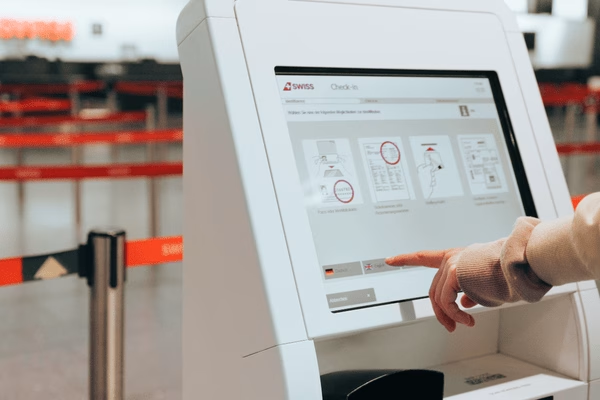
What Makes Airline Ticketing Systems More Traveler-Friendly
Airline ticketing software does far more than process payments. These systems are designed to create a smoother, faster, and more secure travel experience from the moment you search for plane tickets to the second you arrive at your destination. Today’s platforms deliver real-time booking and instant payment processing, giving travelers confidence and speed during checkout. Enhanced interfaces make it easy to search by date, compare prices, and make changes without stress. Whether booking through a laptop or a mobile device, access is available across channels, including agencies using Global Distribution Systems. Add in automatic updates and effortless modifications, and the result is a booking process that puts convenience and control directly in your hands.
Real-Time Booking and Payment Security
Airline ticketing software plays a critical role in making the booking process smooth, fast, and secure. It connects users to real-time systems that validate flight availability and streamline the next steps after selection. For travelers, this means faster decisions and fewer booking errors.
Here’s what the software typically handles behind the scenes:
- Processes credit card transactions securely through encrypted systems
- Confirms flight status in real time during the booking process
- Validates seat availability across multiple fare classes
- Syncs data with global reservation platforms for accuracy
These functions reduce the chance of overbooking and make purchasing plane tickets more reliable from the start.
In addition to improving security, this software boosts efficiency and traveler confidence. It eliminates delays between payment and confirmation, providing instant feedback that a booking is successful. With automation handling key tasks, travelers can focus more on planning their trip instead of second-guessing the process. It’s a technology-driven solution built for speed and clarity in every transaction.
Better User Experience
Modern flight booking systems are designed with user experience in mind, making it easier for travelers to navigate the process without outside assistance. Intuitive interfaces guide users through each step, offering tools to filter results, sort by preferences, and make informed choices with confidence. Whether you’re planning a last-minute getaway or a future trip, these platforms are built for ease and efficiency.
Travelers can now search flexible dates, compare fares, and book plane tickets all within a single dashboard. These features simplify trip planning and give users more control over their itineraries. From selecting seats to reviewing travel details, everything is accessible in one place. The goal is to reduce confusion and empower users to manage their bookings with minimal friction.
Multi-Channel Access
Booking a flight today is easier than ever thanks to digital tools that give travelers multiple ways to plan their trips. Whether you are using a desktop, a mobile device, or working with a travel advisor, the process is designed to fit your schedule and preferences. Plane tickets can now be searched, compared, and secured in just minutes, offering convenience and flexibility that older systems could not provide.
These booking platforms are often powered by Global Distribution Systems, which allow real-time access to flight availability and seat selection across different airlines. This technology ensures a smoother experience from start to finish, helping travelers make more informed choices. With the right tools, finding and managing your flights becomes less stressful and far more efficient.
Seamless Modifications and Notifications
Today’s airline ticketing systems are built for speed and convenience. One of the most valuable features is automation, which keeps travelers informed in real time. Whether you’re flying for work or leisure, having up-to-date notifications can make all the difference in managing your trip with confidence.
Here’s what automated updates typically cover:
- Flight delays or rescheduled departure times
- Gate changes or boarding updates
- Cancellations with rebooking options
- Refund availability for affected flights
These real-time alerts allow travelers to make decisions fast and stay ahead of disruptions. If you’re managing plane tickets through a modern platform, you’ll likely be notified by email, SMS, or app notification
More than just alerts, these systems support quick action. With just a few clicks, you can rebook a new flight or request a refund without waiting in line or calling support. This level of control reduces stress, saves time, and helps you get back on track faster.
How Automation Enhances the Booking Experience
Automation is a driving force behind today’s most efficient airline ticketing systems. Instead of relying on manual processes, automated software handles everything from fare calculation to seat assignments and post-booking notifications. This not only speeds up transactions but also reduces the likelihood of human error, such as double bookings or incorrect traveler details. For travelers, automation means faster checkouts, smoother itinerary changes, and fewer interruptions along the way. Systems can instantly update pricing, apply loyalty rewards, and send real-time confirmations. These advancements have redefined how people buy and manage plane tickets, turning what used to be a complicated task into a self-directed experience that works across devices and platforms.

Key Details That Impact Your Plane Ticket Experience
Booking a flight involves more than selecting a destination and clicking “buy.” There are key details that can affect cost, flexibility, and your overall travel experience. Knowing the difference between a reservation and a confirmed ticket is just the beginning. Travelers should also be aware of the limitations of buying plane tickets at the airport, where prices are often higher and available options are more restricted. In addition, understanding how ticket flexibility works, including refund timelines and change fees, is essential. Airline policies vary, and not all platforms offer the same protections. Taking time to learn these basics helps you avoid costly mistakes and make better travel decisions.
Booking vs. Ticketing
When booking a flight, it’s important to understand the difference between a reservation and a ticket. A reservation simply holds your selected seat for a short period, giving you time to finalize the details. Plane tickets, on the other hand, are only issued once payment is successfully processed and confirmed by the system.
Until that ticket is officially issued, your seat is not guaranteed. This distinction can be critical, especially when availability is limited or travel plans are time-sensitive. Being aware of how the process works helps travelers avoid confusion, missed bookings, or false assumptions about confirmed travel. Knowing exactly when a ticket is locked in ensures better planning and peace of mind before your journey begins.
Airport Purchases and Limitations
Purchasing your ticket at the airport might seem convenient, but it comes with several trade-offs. In most cases, the options available at the counter are more limited than what you’ll find online. Travelers looking to make informed decisions should understand what’s at stake before waiting until the last minute.
Here’s why airport purchases are not your best choice:
- Limited seat availability compared to online platforms
- Fewer fare class options to choose from
- Long wait times during peak hours
- Reduced flexibility for special requests or upgrades
If you want more control over your travel experience, booking your plane tickets online is almost always the smarter move.
Planning ahead allows you to compare flights, select your seat, and avoid unnecessary stress at the airport. Online tools give you greater transparency, helping you book smarter and faster. By confirming your travel details in advance, you reduce the risk of missed flights and limited options once you arrive at the terminal.
Understanding Ticket Flexibility
Flexibility matters when you travel, especially if your schedule might change. After your flight is ticketed, making updates to your booking is possible, but not always simple. Airline policies play a major role in what can or cannot be adjusted.
Before you confirm your booking, take a moment to review the fare rules. This helps you understand what kind of changes are allowed. Key details to look for include:
- Change or cancellation conditions
- Deadline for making adjustments
- Penalties or restrictions tied to changes
- Options for rescheduling or flight credits
Being aware of these terms in advance gives you more control and fewer surprises later.
If you’re unsure about your schedule, choose plane tickets with flexible terms whenever available. Even small differences in fare types can affect your ability to reschedule or cancel. Always read the terms carefully and consider your travel needs before committing. Staying informed helps you protect your trip and avoid unnecessary stress.
Refunds, Fees, and Processing Time
Understanding the difference between a reservation and an actual ticket is a crucial part of air travel. A reservation simply holds your selected seat for a limited time and does not guarantee travel until further steps are completed. Once payment is processed and verified, the reservation moves to the next stage and a ticket is officially issued.
This distinction matters when booking plane tickets, especially if your travel plans require flexibility or need to be confirmed quickly. Travelers often assume that selecting a flight means they are fully booked, but without ticket issuance, the seat is not guaranteed. Knowing where you stand in the booking process can help avoid confusion, delays at check-in, or missed opportunities for rebooking. Clarity at this stage supports a smoother and more informed travel experience.
Why Reviewing Your Itinerary Is Always Essential
Once your ticket is issued, don’t assume everything is perfect. Reviewing your itinerary is a step too many travelers skip, but it can prevent major headaches later. A small mistake in your booking details can cause check-in issues or delays at the airport. Key details to double-check include:
- Full name spelling as it appears on your ID
- Departure and return dates
- Origin and destination airports
Double-checking your flight information can reveal small errors that might otherwise go unnoticed. Even minor mistakes in your schedule or personal details can cause big disruptions on travel day. Make sure you also verify:
- Layovers, connections, and their durations
- Time zone differences between cities
- Flight numbers and terminals
If something doesn’t look right, take action immediately. Contact your airline or booking provider for clarification or corrections. Travelers who book plane tickets and take a few extra minutes to confirm the fine details are more likely to enjoy a smooth, stress-free experience from start to finish. Don’t wait until check-in to catch a problem you could have fixed earlier.
Conclusion
Airline ticketing software has transformed the way travelers plan and secure flights. It streamlines the process from flight search to seat confirmation, helping users make faster and more informed decisions. With real-time availability, secure payment systems, and instant ticket generation, travelers gain the advantage of accuracy, speed, and convenience throughout the booking journey.
By understanding how ticketing systems function, travelers can avoid last-minute surprises and feel more in control of their plans. Reviewing itinerary details, acting quickly on available fares, and using platforms that provide flexible options all contribute to a better travel experience. Booking plane tickets is no longer just about completing a transaction; it is about making smart, confident choices every step of the way. With the right tools and knowledge, securing your next flight becomes a smoother, more efficient process that supports your travel goals from start to finish.
FAQs
How does airline ticketing software work?
It connects your search to a real-time reservation system that processes availability, payment, and ticket issuance.
When is a plane ticket officially confirmed?
Your ticket is confirmed only after your payment is processed and an e-ticket is issued.
Can I hold a reservation without paying immediately?
Yes, but only for a limited time. Unpaid reservations can expire without notice.
Is it better to book tickets online or at the airport?
Booking online gives better options, faster service, and more transparency compared to airport counters.
What should I check after receiving my ticket?
Always verify your name, travel dates, flight numbers, and airport locations before your trip.

Alvin is a Content and SEO Specialist who creates clear and helpful content about money transfers and payment systems. He focuses on making complex topics easy to understand so readers can learn how these services work in everyday situations.


