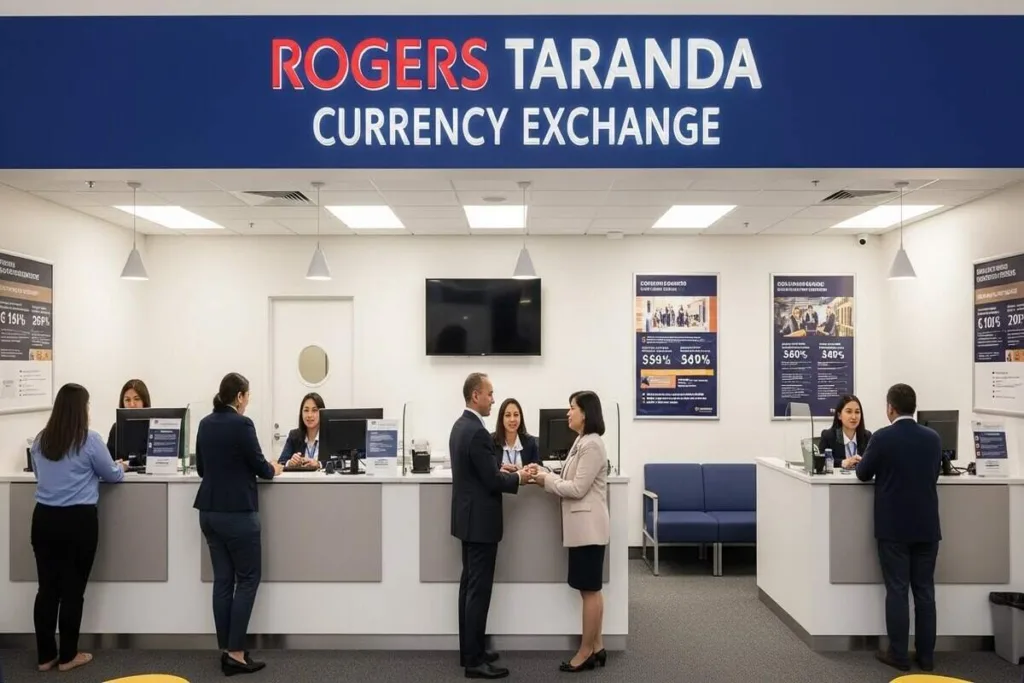
Everyday currency exchange services allow people to convert physical cash for immediate financial needs during travel, payments or urgent situations. These services operate in person through structured steps that prioritize accuracy, compliance and speed for customers ready to exchange funds. When handled through established providers such as Order Express, they support quick access to foreign currency without long delays when local transactions or obligations require cash availability immediately today.
Understanding how the exchange process works helps first-time users approach counters confidently with clear expectations about timing, requirements and outcomes. Clear process knowledge reduces uncertainty, prevents confusion and supports smoother communication with exchange staff during busy daily operating periods locally. Prepared customers can organize identification, currency amounts and questions beforehand, saving time and minimizing stress during in-person exchange transactions overall.
This focused overview explains everyday service behavior without overwhelming details, helping readers feel ready before approaching a currency exchange counter. Knowing what to expect encourages smoother transactions and confident decisions when converting cash through local exchange services for immediate needs.

How customers initiate an everyday currency exchange transaction
Customers begin everyday currency exchanges by clearly stating needs, currencies and amounts to staff at local service counters. Staff guide the process by confirming requirements, quoting live rates and explaining conditions before accepting authorization. Real time quotes reflect availability and market movement, requiring prompt review and clear confirmation from customers. Understanding these initial steps helps first time users move confidently through exchanges without confusion or delays. This overview sets expectations.
For a broader understanding, explore our pillar content on how everyday currency exchange services work, which explains identity verification, rate calculations, and the full in-person exchange process in detail.
What information exchange counters request upfront
Currency exchange counters request specific details to confirm transaction intent, regulatory compliance and accurate rate application before processing.
Staff typically ask which currencies you want to exchange and whether you are buying or selling foreign cash. They may also request identification depending on transaction size, local regulations or reporting thresholds that apply during exchanges. Regulatory expectations for verification and reporting are established for financial institutions under federal rules administered by agencies such as FinCEN, as outlined in the FinCEN Guidance Hub on money services business requirements.
Common information requested before proceeding includes:
- A valid government-issued identification document presented in original form during the transaction process.
- The source currency type and target currency type specified clearly before rate confirmation begins.
- The approximate exchange amount to determine applicable rates, availability and any required documentation.
Note: Identification and reporting requirements may vary based on federal and state regulations.
How exchange rates are quoted in real time
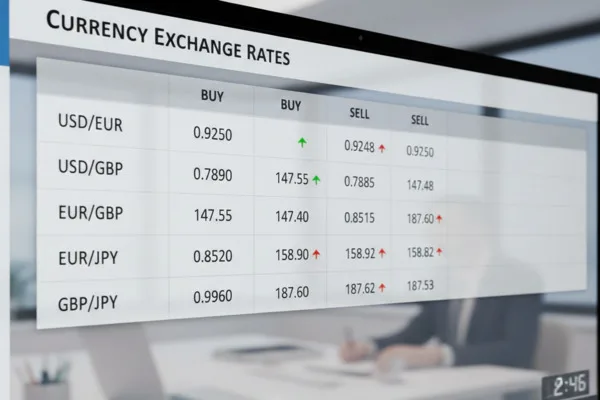
Exchange services quote rates in real time based on current market conditions and available cash inventory levels. Staff calculate the offered rate immediately and disclose it clearly before accepting any funds from the customer. These movements reflect broader market data tracked daily, including benchmarks published in Federal Reserve foreign exchange rate data releases. This quoted rate remains valid only briefly, encouraging prompt decisions to avoid changes during volatile currency periods.
Rate disclosures typically include:
- The buy or sell rate applied to your specific currency pairing at that moment.
- Any included service margin embedded within the quoted exchange rate.
- The final amount you will receive after completing the exchange transaction.
Note: Transaction limits, reporting thresholds, and identification requirements are determined by applicable federal and state regulations and internal compliance policies.
When customers confirm and authorize the transaction
Customers confirm transactions after reviewing the quoted exchange rate, expected payout amount and disclosed service conditions. Staff explain totals clearly so customers understand what they will give and receive. Authorization happens verbally or in writing depending on location policies and transaction requirements. No funds change hands until customers explicitly approve the quoted terms.
Once approval is given, the exchange becomes binding under the displayed rate and stated conditions. Staff then secure the cash and begin required verification and counting procedures immediately. This step locks the rate and prevents changes during short term market movement. Customers should ask final questions before authorizing because changes are limited afterward.
Clear authorization protects customers by ensuring agreement on amounts, rates and transaction expectations. It also protects exchange services by documenting consent before handling cash. Customers benefit from a smoother process when they confirm details calmly and attentively. Understanding authorization steps reduces uncertainty and helps transactions proceed efficiently without avoidable delays for customers every time.
What happens behind the counter during processing
Behind the counter, currency exchange processing follows structured steps designed to protect accuracy, compliance and customer confidence. Staff focus on verifying cash, completing regulatory checks and preparing exchanged funds carefully. These actions happen quickly but follow strict procedures during every transaction. Understanding this behind the scenes workflow helps customers feel assured while waiting for their exchange to complete.
How cash verification and counting occurs
Exchange staff verify cash authenticity and condition using manual checks and detection tools during every transaction. They count funds carefully, often multiple times, to ensure accuracy before completing the exchange calculation. This verification protects both parties and ensures compliance with operational and regulatory requirements. Consumer education initiatives such as the FDIC Money Smart financial education program explain why verification and accurate cash handling are essential safeguards in everyday financial services.
Verification steps typically involve:
- Visual inspection for damage, counterfeiting indicators or unacceptable bill conditions.
- Mechanical or electronic detection checks for currency authenticity and denomination validation.
- Final counted confirmation before issuing the exchanged currency to the customer.
How compliance checks affect everyday exchanges
Everyday currency exchanges follow compliance rules designed to prevent fraud, money laundering and reporting violations. Staff may pause transactions briefly to complete required checks depending on amounts and identification requirements. These procedures occur routinely and should not surprise customers preparing for legitimate currency exchanges. Oversight of exchange rate policy and international currency practices is outlined in U.S. Treasury exchange rate policy guidance, which informs how regulated institutions approach foreign currency activity.
Compliance checks may include:
- Transaction amount thresholds triggering additional documentation or reporting requirements under local regulations.
- Identification verification against required standards for regulated financial service operations.
- Recordkeeping entries that document transaction details for internal and regulatory audits.
How exchanged funds are prepared for delivery
After verification and compliance checks finish, staff begin preparing exchanged currency for customer delivery. Preparation starts with organizing bills by denomination to match the confirmed transaction amount. Staff handle currency carefully to maintain condition and prevent counting errors. Organized preparation supports faster handover and reduces confusion during busy service periods. Customers who plan to send funds after exchanging cash often rely on coordinated services such as international money transfer options to complete their broader financial needs.
Next, staff recount the foreign currency to confirm totals align with authorized exchange details. They place counted funds in view of customers to support transparency and trust. This step allows customers to visually verify amounts before final handover occurs. Clear presentation helps customers feel informed and reassured throughout the exchange process.
Staff then package the exchanged currency securely using envelopes or counter trays. They present the funds clearly while explaining denominations and total amounts received. Customers review, confirm accuracy and take possession once satisfied with the preparation. This careful delivery process minimizes disputes and ensures confident transaction completion. Well prepared delivery reflects operational standards expected from professional currency exchange services.
What documentation customers typically receive
Customers usually receive a printed receipt summarizing transaction details immediately after completing the exchange. The receipt documents currencies exchanged, applied rates, amounts received and the transaction date. Keeping this receipt helps resolve discrepancies and supports recordkeeping for personal or business needs. For broader consumer protection context, the CFPB consumer resources on managing financial transactions explain why retaining transaction records is important.
Receipt details generally include:
- The exchanged currency pair and applied exchange rate used during processing.
- Gross and net amounts exchanged reflecting the completed transaction totals.
- Location, date and reference number identifying the specific exchange service provider.
How customers verify exchanged currency accuracy
Customers should verify received currency amounts and denominations before leaving the exchange counter area. Staff encourage immediate verification to correct any discrepancies while records and counted funds remain accessible. This step protects customers and ensures satisfaction with the completed transaction experience. If customers later need assistance with related services such as converting checks or resolving discrepancies, check cashing support services may be available depending on location.
Verification best practices include:
- Counting bills personally in view of staff before exiting the service area.
- Checking denominations match expectations for intended use after exchange.
- Confirming receipt totals align with printed documentation provided at completion.
Note: Everyday currency exchange services convert cash through identification, real-time rate confirmation, verification and documented delivery steps. These services prioritize transaction accuracy, regulatory compliance and immediate customer confirmation before completion.
Key Takeaways
- Currency exchanges follow a clear step-by-step process: Customers state the currency and amount, receive a real-time rate quote, review the terms, and formally authorize the transaction before funds are exchanged.
- Identification and compliance checks are part of everyday transactions: Exchanges may require government-issued ID and follow AML, KYC, and reporting regulations to ensure legal and secure processing.
- Exchange rates are quoted in real time and can change quickly: The offered rate reflects current market conditions and becomes binding only after customer approval.
- Behind-the-counter procedures prioritize accuracy and security: Staff verify authenticity, count cash multiple times, complete compliance checks, and carefully prepare funds before delivery.
- Customers should verify funds and keep their receipt: Counting the exchanged currency and reviewing documentation before leaving helps prevent discrepancies and supports accurate recordkeeping.
Conclusion
Understanding how everyday currency exchange services work empowers customers to act decisively, reduce wait times and avoid confusion during in-person transactions. Knowing what information to bring, how rates are quoted and when authorization becomes binding creates smoother interactions at the counter. Awareness of behind-the-counter steps like verification, compliance checks and fund preparation builds trust in the process.
Customers who verify amounts and documentation before leaving protect themselves from avoidable issues. When you are ready to exchange cash confidently and efficiently, Order Express provides reliable service, clear communication and secure handling at every step. Visit Order Express today to complete your currency exchange with confidence, accuracy and professional support tailored to immediate needs.
Educational disclaimer: This article provides general information and does not replace guidance from licensed financial or legal professionals. When ready, visit a trusted local exchange counter to complete your transaction smoothly using the steps outlined above.
Note: Order Express is registered with the Financial Crimes Enforcement Network (FinCEN) as a licensed Money Services Business (MSB) under the Bank Secrecy Act (BSA). We strictly follow Know Your Customer (KYC), Anti-Money Laundering (AML), and record retention requirements. These practices ensure that all financial transactions are secure, transparent, and compliant with federal and state regulations.
FAQs
What identification is required for a currency exchange?
Most exchanges require valid government-issued identification, especially for larger amounts or transactions subject to regulatory reporting rules.
How long does an in-person currency exchange usually take?
Most everyday exchanges complete within minutes, depending on transaction size, compliance checks and customer preparedness.
Can exchange rates change while I am at the counter?
Yes, rates can change quickly, which is why quoted rates remain valid briefly until customer authorization occurs.
Why are funds counted multiple times during processing?
Multiple counts ensure accuracy, prevent errors and protect both customers and exchange services during cash handling.
What should I do if I notice an issue after leaving?
Contact the exchange location immediately with your receipt, since prompt reporting helps resolve issues efficiently.

Alvin is a Content and SEO Specialist who creates clear and helpful content about money transfers and payment systems. He focuses on making complex topics easy to understand so readers can learn how these services work in everyday situations.