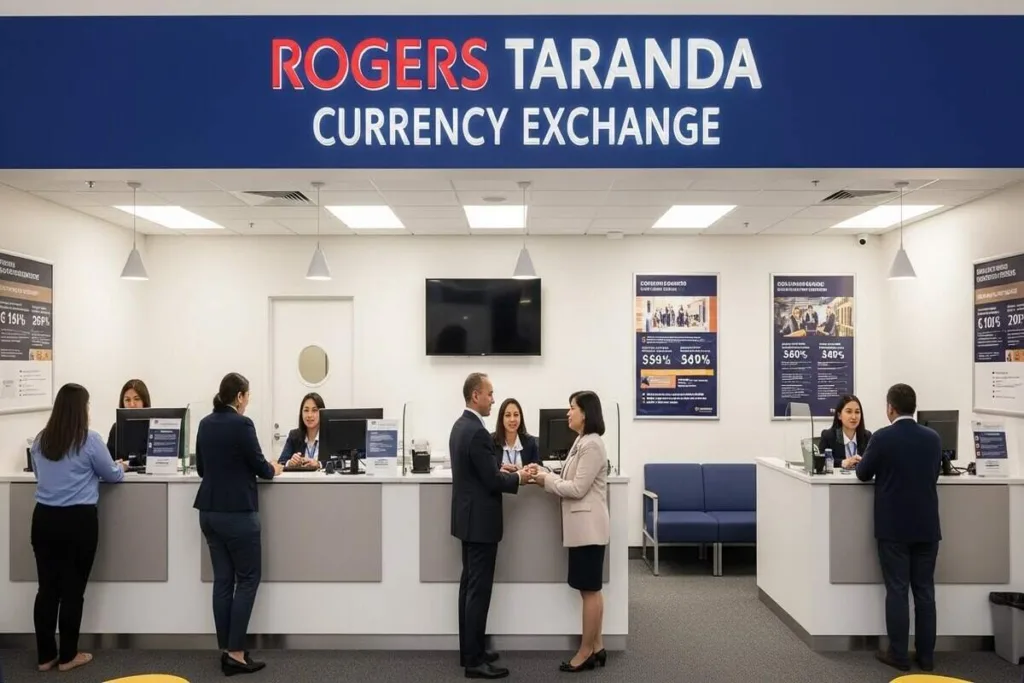
A secure currency exchange protects transactions by implementing safeguards that preserve funds, identities, and compliance throughout every stage of processing. Understanding these protections helps first-time users transact confidently while minimizing risks associated with international payments, conversions, and cross-border regulatory requirements. This focused guide explains how trusted providers ensure transaction security within everyday services that support informed decisions, as explained in this guide on how everyday currency exchange services work.
Secure providers integrate technology, compliance, and operational controls to create a protected environment supporting reliable and efficient currency exchange transactions. First-time users benefit from understanding how these safeguards operate before initiating transactions, ensuring confidence and clarity when selecting an exchange.

What security measures protect currency exchange transactions?
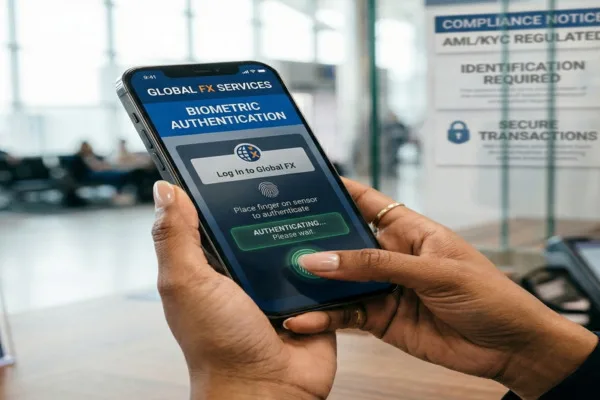
Secure currency exchange transactions rely on layered protections that authenticate users, encrypt sensitive data, and monitor activity in real time. Advanced encryption standards shield payment details during transmission, while multi-factor authentication and biometric verification reduce the risk of unauthorized account access.
In addition, compliance checks, anti-money laundering screening, fraud detection algorithms, and secure banking integrations help ensure transactions meet international regulations and remain traceable across jurisdictions worldwide. These requirements align with federal obligations enforced by the Financial Crimes Enforcement Network (FinCEN), which oversees anti-money laundering compliance for financial institutions.
Note: Authorized providers registered with FinCEN must comply with these requirements, but users should verify the regulatory status of each company.
How encryption and data protection work
Encryption safeguards sensitive information by converting transaction details into secure codes, ensuring unauthorized parties cannot access transmitted financial data. Reputable providers implement advanced encryption standards and secure servers to maintain confidentiality during online, mobile, and in-person currency exchange transactions.
Secure servers and encrypted connections prevent interception during data transmission, ensuring transaction details remain confidential from initiation through final settlement. Consumers seeking guidance on protecting financial information can reference resources from the FDIC Consumer Resource Center.
How identity verification and authentication protect users
Identity verification confirms customer legitimacy by requiring official documentation, biometric scans, and multi-factor authentication before transactions are approved. These measures help prevent identity theft, detect fraudulent accounts, and ensure compliance with know your customer and anti-money laundering regulations that govern financial institutions worldwide.
Federal standards for compliance are outlined in the FFIEC BSA/AML Examination Manual, which provides guidance for financial institutions on maintaining secure and compliant operations.
Strong authentication protocols also create clear accountability by linking each transaction to a verified individual. By safeguarding personal information and limiting unauthorized access, these layered protections reduce financial risk, enhance data security, and strengthen trust between customers and currency exchange providers.
How compliance and regulatory oversight ensure protection
Regulatory compliance ensures currency exchange providers follow anti-money laundering rules, customer protection laws, and reporting requirements established by authorities. Oversight from licensed regulators reinforces transparency, promotes ethical practices, and assures customers transactions meet recognized legal and operational security standards.
Federal oversight of global currency practices is outlined in U.S. Treasury exchange rate policy guidance, which explains how governments monitor international currency movements and maintain financial stability.
Compliance programs include regular audits, staff training, and reporting procedures that reinforce accountability and maintain adherence to financial security regulations. Customers seeking to evaluate a provider’s background and operational standards can review the company profile on the Order Express About Us page.
- Secure currency exchange providers protect transactions through encryption, authentication, regulatory compliance, and monitoring that safeguard funds and information.
- Regulatory oversight and licensing confirm providers operate legally, maintain transparency, and meet established financial security and protection requirements.
How do secure currency exchange platforms monitor and prevent fraud?
Secure currency exchange platforms monitor transactions continuously using automated systems that detect suspicious activity, flag irregular patterns, and intervene promptly. These monitoring systems combine automation with human oversight, ensuring potential threats are assessed accurately and addressed promptly to maintain security.
Automated fraud detection tools analyze data and behavioral patterns to identify risks early and support proactive intervention by security teams. Exchange rate benchmarks referenced during monitoring align with official data published in the Federal Reserve H.10 foreign exchange rate reports.
Note: In addition to federal requirements, currency exchange providers must comply with applicable state regulations.
How real-time monitoring detects suspicious activity
Real-time monitoring evaluates transaction behavior the moment it occurs, using automated systems to compare each exchange against established customer patterns and global risk indicators. Advanced analytics assess transaction size, geographic location, device information, and frequency to detect irregularities that may signal fraud, identity theft, or unauthorized account access.
When suspicious activity is detected, the system can immediately trigger protective actions. Providers may temporarily pause the transaction, request multi-factor authentication, flag the account for review, or notify the customer to confirm legitimacy before allowing the currency exchange to proceed securely.
How transaction alerts and confirmations enhance security
Transaction alerts notify customers of exchange activity through email, mobile notifications, or SMS, allowing them to immediately review transfers and identify any unauthorized behavior. These real-time updates create an added layer of oversight, empowering users to respond quickly if account details, amounts, or destinations appear unfamiliar.
Confirmation steps further strengthen protection by requiring secure authorization codes, biometric approval, or one-time passcodes before transactions are finalized. Digital receipts and detailed summaries also provide transparent records, reinforcing accountability while building customer confidence in the overall security of currency exchange processes. Customers can locate a nearby service location through the Order Express branches.
How secure recordkeeping supports dispute resolution
Secure recordkeeping preserves transaction histories, enabling accurate audits, supporting regulatory reporting, and providing documentation when customers require assistance resolving disputes.
These records enhance accountability and help providers investigate concerns efficiently, ensuring fair outcomes and reinforcing trust in currency exchange services. Individuals needing personalized assistance can reach support through the Order Express contact page.
- Real-time monitoring systems analyze transaction patterns, detect anomalies, and trigger protective interventions that reduce fraud risks during exchanges.
- Transaction alerts and confirmations provide customers with visibility, enabling immediate verification, rapid response, and confidence in exchange activity.
How licensing and transparency indicate trustworthiness
Licensing from recognized financial authorities demonstrates that a currency exchange provider complies with established regulatory standards and operates under ongoing supervision. Regulatory oversight often requires adherence to anti-money laundering rules, data protection laws, and capital requirements, giving customers confidence that the company meets strict legal and security obligations.
Transparency further signals trustworthiness by clearly outlining fees, exchange rates, and processing times before a transaction is completed. Providers that offer straightforward disclosures, detailed terms, and responsive customer support show accountability and a commitment to protecting clients throughout every stage of the exchange process.
Essential security features customers should verify
Customers should confirm that secure currency exchange providers implement encryption, identity verification, transaction monitoring, and regulatory compliance measures before transacting.
- Look for multi-factor authentication, secure payment gateways, and real-time alerts that provide immediate visibility into transaction status and potential irregularities. Individuals sending funds internationally can explore secure transfer options through the Order Express money transfer service.
- Verify that providers maintain segregated customer accounts and publish privacy policies explaining how personal data is stored and protected.
Where to learn more about secure exchange services
This resource provides complementary insights supporting confident decision-making when selecting a secure provider for personal or business currency exchange transactions.
- Customers should verify licensing, transparent pricing, and security features to ensure safe and compliant currency exchange transactions.
- Transparent providers publish clear exchange rates, fee structures, and privacy policies that support informed decisions and strengthen confidence.
Key takeaways
The following key takeaways summarize how secure currency exchange services protect transactions and help customers transact confidently across international markets.
- Secure currency exchanges protect transactions through encryption, identity verification, regulatory compliance, and continuous monitoring that safeguard funds and customer information.
- Real-time alerts, authentication steps, and transparent records enhance accountability while empowering customers to detect irregularities and confirm legitimate exchange activity.
- Choosing licensed providers with strong security features ensures reliable transactions and strengthens confidence when exchanging currency for business purposes.
- Secure currency exchange providers integrate compliance, technology, and oversight to deliver services that protect customers and support transparent financial transactions.
Conclusion
Secure currency exchange services protect transactions through encryption, authentication, compliance, and monitoring, ensuring safe and transparent global financial exchanges. By understanding these safeguards, customers confidently select providers that prioritize security, reliability, and regulatory adherence throughout every transaction. Choosing a trusted provider minimizes risks, enhances transparency, and ensures funds remain protected during domestic and international currency exchange activities.
Order Express delivers secure, compliant, and efficient currency exchange solutions designed to protect transactions and support confident financial decision-making. Its advanced security protocols, transparent pricing, and dedicated support help customers complete transactions smoothly while maintaining trust and accountability.
Take the next step confidently by choosing a secure currency exchange provider committed to safeguarding your funds. Start your transaction with Order Express today and experience reliable, transparent, and secure currency exchange services tailored to your needs. Choose a secure currency exchange provider with confidence and proceed with your transaction knowing your funds and information remain protected.
Disclaimer: This article provides educational information only and does not constitute financial, legal, or regulatory advice regarding currency exchange services.
Order Express is registered with the Financial Crimes Enforcement Network (FinCEN) as a Money Services Business (MSB) under the Bank Secrecy Act (BSA). We strictly follow Know Your Customer (KYC), Anti-Money Laundering (AML), and record retention requirements. These practices ensure that all financial transactions are secure, transparent, and compliant with federal and state regulations..
FAQs
What makes a currency exchange service secure?
Secure services use encryption, identity verification, regulatory compliance, and monitoring to protect transactions and customer information.
How does encryption protect currency exchange transactions online?
Encryption converts sensitive data into secure codes, preventing unauthorized access during transmission and safeguarding financial information.
Why is identity verification important for currency exchange security?
Identity verification confirms customer legitimacy, reduces fraud risks, and ensures compliance with regulatory requirements during financial transactions.
What security features should customers verify before exchanging currency?
Customers should verify encryption, multi-factor authentication, transparent pricing, licensing, and real-time monitoring to ensure secure transactions.
How do transaction alerts improve currency exchange safety?
Transaction alerts provide real-time visibility, enabling customers to verify activity, detect irregularities, and respond quickly to unauthorized actions.

Alvin is a Content and SEO Specialist who creates clear and helpful content about money transfers and payment systems. He focuses on making complex topics easy to understand so readers can learn how these services work in everyday situations.