


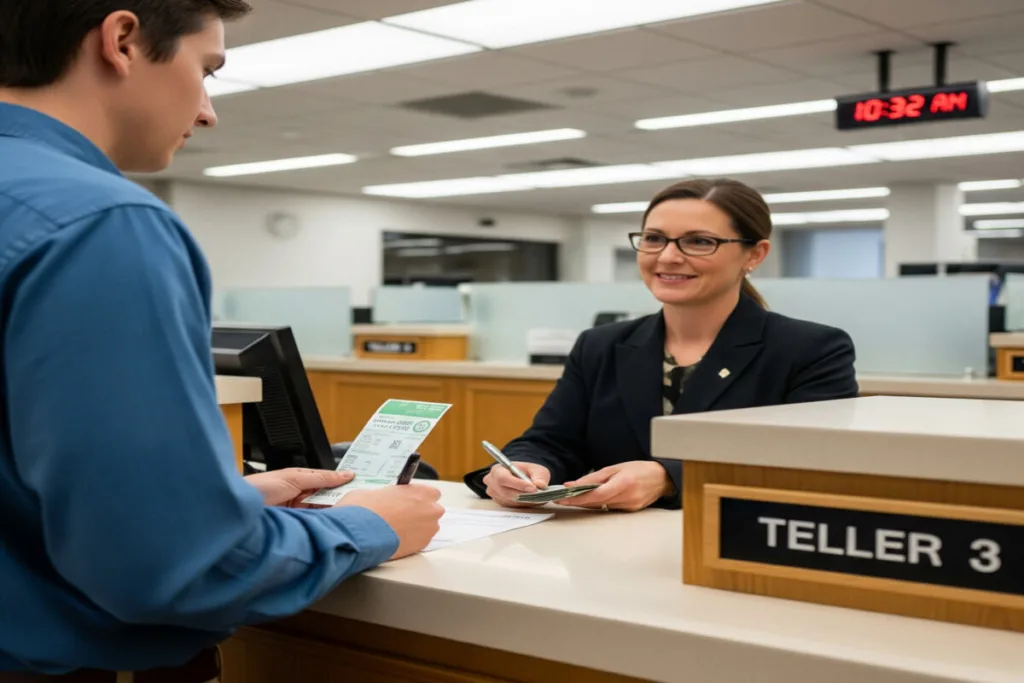
To cash a money order, first check that it is genuine and find a provider that accepts money orders from its issuer. Bring the original money order and acceptable identification, then sign it when the provider instructs you to do so. Ask about any fees and verification requirements before completing the transaction. These steps can help you prepare and avoid preventable delays, although cashing is subject to the provider’s policies and approval.
Order Express provides money services through its business operations and authorized agent network. The availability of individual services, including money-order-related services, depends on the location and the provider’s authorized activities. Confirm the service offered before visiting a location.
Before cashing a money order, it helps to understand how purchasing, completing, and tracking one may affect the payment process. For a broader explanation, explore Money Orders: How To Buy, Fill Out, Cash And Track Them Safely.

Why Money Orders Remain A Useful Payment Method
Money orders are prepaid payment instruments that can be useful when a personal check is not practical. They do not depend on the purchaser having sufficient funds in a checking account at the time of redemption. However, a money order still needs to be genuine, properly completed, and accepted by the cashing provider.
Advantages of Money Orders
Money orders can be useful for people who want an alternative to personal checks.
- No checking account may be needed: Depending on the issuer, money orders can be purchased using accepted payment methods.
- Prepaid amount: The purchaser pays for the instrument when it is issued.
- Payment flexibility: Some recipients accept money orders when other payment methods are unavailable.
These advantages depend on the issuer, recipient, and service provider. Prepayment does not eliminate counterfeit or redemption risks.
Disadvantages of Money Orders
Money orders also have limitations worth checking before purchase or redemption:
- Fees: Purchase, cashing, inquiry, or replacement fees may apply, depending on the issuer and provider.
- Amount limits: Maximum amounts depend on the issuer and type of money order.
- Fraud risks: Counterfeit or altered money orders can cause financial loss.
Review the issuer’s terms and the cashing provider’s requirements rather than assuming that every money order follows the same rules.

Where To Cash A Money Order
Banks, credit unions, post offices, and participating retail or financial service locations may cash certain money orders. Acceptance depends on the issuer, the provider’s policies, and the services offered at the location.
Before visiting, confirm that the provider accepts your type of money order, ask what identification is required, and check for fees or other restrictions. For a more detailed comparison of provider options, see where to cash a money order.
Service availability note: Money-order cashing and other financial services are not available at every location. A retailer’s independently offered services should not be assumed to be Order Express services. Confirm the provider, availability, and requirements before visiting.
Using Banks and Credit Unions for Money Order Cashing
Banks and credit unions may cash or accept deposits of money orders, particularly for account holders. Noncustomer cashing policies vary, and some institutions may decline instruments they did not issue.
Before visiting, ask whether your institution accepts the specific money order, what identification to bring, and whether any fees or deposit holds may apply.
Cashing a Money Order at a Post Office
USPS locations can cash eligible USPS money orders, subject to available funds and applicable identification requirements. Do not sign a USPS money order before presenting it for cashing; USPS instructs customers to sign in front of a postal employee.
A post office should not be assumed to cash money orders issued by other providers. Confirm eligibility with USPS before visiting.
Retail Locations for Money Order Services
Some retailers and financial service locations offer money-order services, but selling a money order does not necessarily mean the location will cash one.
Contact the location before visiting to confirm acceptance of your issuer’s money order, identification requirements, fees, and service availability.

Step-by-Step Guide To Cashing A Money Order
Before handing over your money order, check its details, prepare your identification, and confirm the provider’s requirements. The following four steps explain what to do and what to ask before completing the transaction.
Compliance reminder: Do not structure transactions to evade applicable reporting or recordkeeping requirements. Follow the identification and transaction requirements communicated by the provider.
Step One: Verify the Money Order
Start by examining the money order for visible alterations, missing information, or printing that appears unusual. Check that the issuer’s name, payment amount, and payee information are consistent with what you expect.
If anything seems suspicious, contact the issuer using its official website or independently verified contact information. Do not rely solely on a telephone number printed on a questionable instrument.
Visual checks alone cannot guarantee authenticity. A provider may need to verify the money order before accepting or cashing it.
Step Two: Endorse the Money Order
Keep the money order unsigned until the cashing provider tells you when and where to sign. For USPS money orders cashed at a post office, sign in front of the postal employee.
Use the name shown for the payee and follow the provider’s endorsement instructions. Signing at the appropriate time helps avoid unnecessary complications if the money order is misplaced or requires additional verification.
Step Three: Present Valid Identification
Bring an acceptable, current identification document, such as a driver’s license, state identification card, or passport, when permitted by the provider. The provider may compare your identification with the payee information on the money order.
Accepted documents and additional verification requirements vary by issuer, provider, transaction, and applicable rules. Contact the location beforehand if you are unsure which documents it accepts.
Identification reminder: Identification and verification requirements may depend on the transaction type, service provider, applicable law, and provider policy. Do not assume that identification is unnecessary because a transaction is below a particular dollar amount. Confirm the requirements with the provider before visiting.
Step Four: Confirm Applicable Fees
Ask whether the provider charges a fee to cash your money order and whether any other conditions apply. Fees and policies vary by provider and type of money order.
Confirm the amount you would receive before completing the transaction. If the provider cannot cash the instrument, ask about other eligible redemption or deposit options.
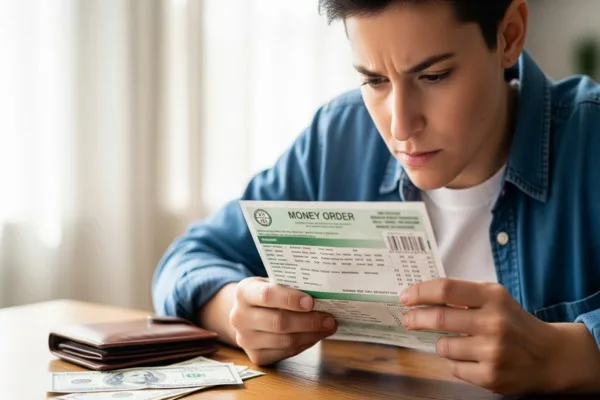
Important Tips And Precautions When Managing Money Orders
Money orders can be lost, damaged, altered, or counterfeited. Some issuers also have specific terms concerning older instruments, inquiries, or replacement requests. Keeping the receipt and understanding the issuer’s procedures can help you address problems if they arise.
Fraud and Consumer Protection Tips:
- Be cautious when someone you do not know sends a money order unexpectedly.
- Treat requests to return an overpayment as a possible scam.
- Do not send funds in response to suspicious prize, romance, or payment-verification requests.
- Be alert when someone pressures another person to complete a financial transaction.
- Verify a questionable money order directly with its issuer before relying on the payment.
If you suspect fraud, contact the issuer or appropriate service provider through its verified customer support channel.
Understanding Money Order Expiration and Time Limits
Money-order expiration and fee terms depend on the issuer and instrument. Some money orders do not expire, but older instruments may require additional review or be subject to issuer-specific conditions.
Check the issuer’s terms if you have held a money order for an extended period. Keep the receipt and contact the issuer if you need to confirm its status or redemption options.
How to Handle a Lost or Stolen Money Order
If a money order is lost or stolen, contact the issuer promptly and ask about its inquiry or replacement procedure. Keep the purchase receipt, if available, because it may contain information needed to identify the instrument.
An inquiry, replacement, or refund may depend on the issuer’s rules, the money order’s status, required documentation, and applicable fees. Recovery is not guaranteed, particularly if the instrument has already been cashed.
How to Avoid Money Order Fraud and Scams
Counterfeit money orders can look convincing, and a payment appearing in an account does not necessarily mean the instrument has been finally verified.
Be particularly cautious if someone sends more than the agreed amount and asks you to return the difference. Do not send a refund or release valuable goods solely because a money order has been deposited. Contact the issuer and your financial institution when you have concerns about authenticity.
Understanding Money Order Cashing Costs
Fees vary among issuers and cashing providers. Some providers may cash eligible money orders without a separate fee, while others charge for the service.
Before choosing a location, confirm:
- Whether it accepts your money order’s issuer.
- Whether a cashing fee applies.
- Whether identification or other documentation is required.
- Whether funds can be provided at the time of your visit.
Comparing these details can help you choose a practical option without assuming that every provider offers the same service.
Conclusion
Cashing a money order starts with checking the instrument, finding a provider that accepts it, preparing identification, and understanding any fees. Signing when instructed and verifying suspicious documents can help prevent avoidable problems.
Before visiting, confirm the provider’s requirements and whether it can cash your particular money order. Preparation can make the process easier, but verification, acceptance, and funds availability depend on the provider and issuer.
Disclaimer: This article provides general educational information and is not legal or financial advice. Money-order cashing requirements vary by issuer, provider, transaction, and applicable law. Contact the relevant provider for current service requirements. Order Express policies and applicable legal requirements are not necessarily identical.
Consumer warning: Be cautious of counterfeit money orders and individuals falsely claiming to represent a financial service provider. Verify a provider’s identity and services through its official contact channels.
Before you visit: Contact a provider that accepts your type of money order and confirm identification requirements, fees, and availability.
Frequently Asked Questions
How do I cash a money order safely?
Check the money order for signs of alteration, confirm that the provider accepts it, bring acceptable identification, and sign when instructed. Ask about any fees before completing the transaction.
What ID do I need to cash a money order?
A provider may accept a current driver’s license, state identification card, or passport. Accepted documents and any additional requirements vary by provider and transaction, so confirm before visiting.
Can I deposit a money order into my bank account?
Many banks and credit unions accept eligible money orders for deposit. Ask your institution about endorsement, deposit methods, verification, and any applicable hold periods.
What should I do if my money order is lost or stolen?
Contact the issuer, keep your receipt if available, and ask about its inquiry or replacement process. Eligibility, fees, and outcomes depend on the issuer and instrument status.
How can I avoid money order scams?
Check for alterations, verify suspicious instruments with the issuer, and be cautious of requests to return overpayments. Do not rely solely on a deposit appearing in your account as proof that the money order is genuine.

John is a Content & SEO Specialist who enjoys breaking down complex financial topics, like cross-border payments and money transfers, into content that’s easy to understand. He focuses on creating practical, search-driven content that helps people find answers and make informed decisions.


