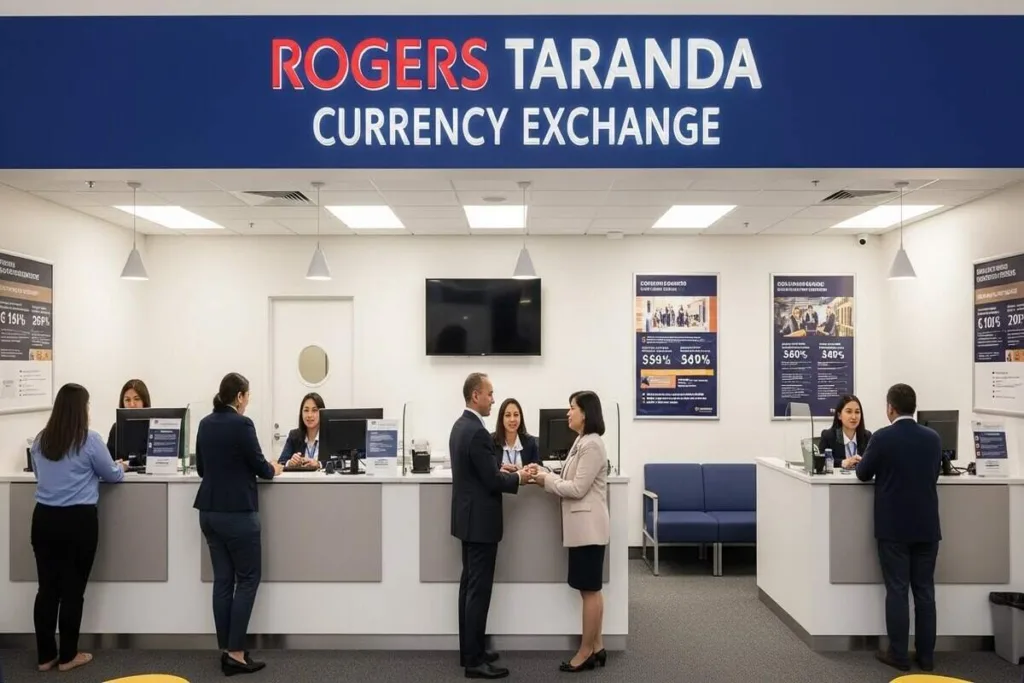
Currency exchange rates often appear abstract, yet they reflect real transactions happening continuously across global markets every second. Understanding how these rates mirror actual buying and selling activity helps users evaluate pricing before completing any currency exchange transaction. Services like Order Express present rates influenced by real time market activity, helping users see pricing that aligns with current supply and demand conditions.
Exchange rates change because buyers and sellers actively trade currencies, which directly impacts available liquidity and pricing across markets worldwide. These movements reflect real demand shifts rather than fixed values, allowing users to observe how market activity shapes the rates they receive. Monitoring these changes helps users identify whether pricing remains stable or responds to active transaction flows.
You can learn more about pricing mechanics in this pillar guide explaining how everyday currency exchange services work. Reviewing this guide alongside live rates helps users better interpret pricing behavior and make informed transaction decisions based on real market conditions.
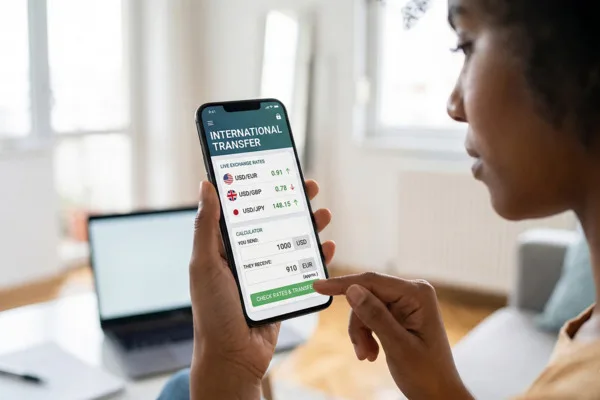
How do exchange rates respond to real transaction activity?
Exchange rates respond to real transaction activity because every completed trade within global financial services directly shifts supply and demand across currency markets. Each transaction adds new pricing data, allowing providers to adjust rates continuously based on actual buying and selling behavior. This real time adjustment ensures exchange rates reflect live market conditions rather than relying on delayed or purely theoretical pricing models.
Note: Exchange rates may include a margin or spread in addition to any disclosed service fees. Customers will always see the final rate before completing a transaction. Rates may change before transaction completion. Final payout may vary based on receiving country conditions. Order Express operates under applicable state licensing requirements where required.
Exchange rates update when real trades occur across markets
Exchange rates update when real trades occur across markets because supply and demand shifts immediately influence pricing across global currency networks. Data from Federal Reserve foreign exchange rate reports shows how real transactions continuously influence pricing movements across currency markets.
Banks brokers and digital platforms continuously adjust their rates based on executed transactions rather than relying solely on predictive or static pricing models.
- Each completed currency exchange directly contributes to price discovery across the market
- Providers adjust rates in response to real transaction volume and direction
- Pricing reflects active participation rather than theoretical valuation models
This means visible exchange rates consistently reflect real time trading behavior ensuring users interact with prices grounded in actual market activity.
Note: Exchange rates move because real buyers and sellers complete transactions that immediately influence available liquidity and pricing.
Liquidity levels determine how quickly rates adjust
Liquidity levels determine how quickly exchange rates adjust because the number of active participants affects how easily currencies trade without price disruption. Guidance from the Consumer Financial Protection Bureau on sending money abroad explains how liquidity impacts transaction outcomes and pricing behavior.
High liquidity allows smoother pricing while low liquidity increases the likelihood of noticeable fluctuations during transactions.
- High liquidity leads to stable pricing with smaller rate changes
- Low liquidity can cause sharper movements due to limited counterparties
- Off peak trading hours often result in wider spreads and faster price shifts
Consumers may notice these effects directly when rates change more rapidly or spreads widen depending on current market participation levels.
Note: Liquidity measures how easily currencies trade without affecting price significantly, directly influencing how accurately rates reflect real activity.
Order flow signals drive short term pricing changes
Order flow signals drive short term pricing changes because the volume and direction of transactions indicate immediate demand for specific currencies. Educational insights from the FDIC Money Smart program highlight how transaction behavior influences financial decision making and pricing interpretation.
Providers monitor incoming buy and sell orders closely to adjust rates and maintain balanced trading conditions.
- Increased buying activity pushes rates higher to manage demand
- Increased selling activity lowers rates to attract buyers
- Order size and frequency influence how quickly rates adjust
These movements reflect real demand patterns allowing users to see how current transaction activity shapes exchange rates in real time.
Note: Order flow reveals real demand trends that immediately influence exchange rate movements without relying on delayed economic indicators.

What factors ensure rates reflect actual market conditions?
Several key factors ensure exchange rates reflect actual market conditions by aligning pricing with liquidity levels, competition and real time trading data. Providers continuously adjust rates based on live inputs which helps maintain accuracy and prevents pricing from drifting away from current market activity. Understanding these drivers helps users identify whether a quoted rate reflects real movements or includes additional adjustments from service providers.
Competition between providers keeps pricing aligned
Multiple providers compete to offer competitive rates which keeps pricing closely aligned with real market conditions and available liquidity. Users comparing services such as available currency exchange branch locations can quickly identify pricing differences and shift toward better rates.
If one provider deviates significantly, customers shift elsewhere, forcing rapid correction toward prevailing interbank or wholesale market rates. This competitive environment helps ensure displayed exchange rates reflect real executable pricing rather than artificially inflated or outdated figures.
Note: Competition prevents providers from setting unrealistic rates because customers naturally choose better priced alternatives in real time.
Spread adjustments reflect risk and transaction costs
Providers include a spread between buy and sell prices to manage operational costs and protect against sudden market fluctuations. These pricing mechanisms align with frameworks described in U.S. Treasury exchange rate policy analysis.
This spread widens during volatility because uncertainty increases risk exposure and narrows when conditions stabilize and predictability improves. Consumers experience these changes directly which shows how real market risk factors influence final exchange rates offered by services. Financial institutions managing these risks must follow compliance obligations outlined in FinCEN regulatory guidance to maintain transparency and regulatory alignment.
Note: The spread represents real world costs and risks embedded within exchange rates rather than hidden or unrelated fees.
Real time data feeds ensure continuous accuracy
Currency exchange services rely on real time data feeds sourced from trading venues banks and liquidity providers worldwide. Consumer education from the FDIC Consumer Resource Center emphasizes the importance of accurate and timely financial information.
These feeds update constantly allowing platforms to refresh rates within seconds and reflect current market activity without meaningful delay. As a result users see rates that closely mirror live trading conditions instead of outdated or static reference prices.
Note: Real time data ensures exchange rates remain synchronized with actual transactions happening across global currency markets.
Short term changes indicate immediate demand shifts
Small rapid movements in exchange rates often signal temporary imbalances between buyers and sellers within active trading sessions. Users can interpret these fluctuations as indicators of current demand rather than long term trends or fundamental economic changes.
Checking rates over short intervals helps identify whether pricing remains stable or actively responding to ongoing transaction activity.
Note: Short term volatility reflects real time demand changes rather than deeper structural shifts in currency value.
Comparing providers reveals realistic pricing ranges
Reviewing multiple exchange services allows users to identify a realistic pricing range based on current market conditions and competition. Exploring options such as available money transfer services helps users understand how pricing compares across different transaction types.
Consistent pricing across providers suggests strong alignment with real market moves while large differences may indicate outdated or padded rates.
Note: Cross comparison helps users confirm whether a quoted rate reflects real market activity or includes additional service adjustments.
Timing transactions can influence final outcomes
Executing transactions during periods of higher liquidity often results in more stable rates and narrower spreads for consumers.Avoiding highly volatile moments reduces the likelihood of unfavorable pricing caused by rapid market adjustments and temporary imbalances.
Monitoring rates briefly before transacting helps users act when pricing aligns with their expectations and current market conditions. Users seeking assistance can reach support through customer contact services.
Note: Timing matters because exchange rates continuously adjust based on real activity and changing liquidity levels.
Key takeaways
- Exchange rates reflect real trades because providers update prices based on executed transactions across global currency markets continuously.
- Liquidity and order flow determine how quickly and accurately rates adjust to changing supply and demand conditions.
- Competition and real time data ensure pricing remains aligned with actual market activity rather than static or artificial benchmarks.
- Users can interpret rate movements by comparing providers monitoring short term changes and choosing optimal transaction timing.
Conclusion
Currency exchange rates reflect real market moves because they respond instantly to transaction activity liquidity changes and competitive pricing pressures. Understanding these dynamics helps you evaluate whether a quoted rate reflects real conditions or includes provider driven adjustments. By monitoring short term movements, comparing providers and timing transactions carefully you can make more confident currency exchange decisions.
Order Express helps simplify this process by offering rates designed to reflect current market conditions and current liquidity conditions.Take a moment to review live rates, compare options and complete your transaction when pricing reflects your expectations and timing needs.
Check current exchange rates with a trusted service and compare options to ensure your transaction reflects real market pricing conditions.
Disclaimer: This content provides general educational information and does not constitute financial advice or recommendations for specific currency transactions. Exchange rates fluctuate constantly and actual rates may vary depending on provider fees, timing and individual transaction conditions.
Order Express is registered with the Financial Crimes Enforcement Network (FinCEN) as a Money Services Business (MSB) under the Bank Secrecy Act (BSA). We strictly follow Know Your Customer (KYC), Anti-Money Laundering (AML), and record retention requirements. These practices ensure that all financial transactions are secure, transparent, and compliant with federal and state regulations.
FAQs
How do exchange rates reflect real market activity?
Exchange rates reflect real activity because providers update prices based on completed trades and current supply and demand conditions.
Why do exchange rates change so frequently?
Rates change frequently because global transactions occur continuously causing constant adjustments in pricing across currency markets worldwide.
What is the role of liquidity in exchange rates?
Liquidity determines how easily currencies trade and influences how stable or volatile exchange rates appear during different market conditions.
Why do spreads change during transactions?
Spreads change because providers adjust for risk market volatility and operational costs which vary depending on current trading conditions.
How can I get a better exchange rate?
You can get a better rate by comparing providers monitoring short term movements and choosing times when liquidity is higher.

Alvin is a Content and SEO Specialist who creates clear and helpful content about money transfers and payment systems. He focuses on making complex topics easy to understand so readers can learn how these services work in everyday situations.