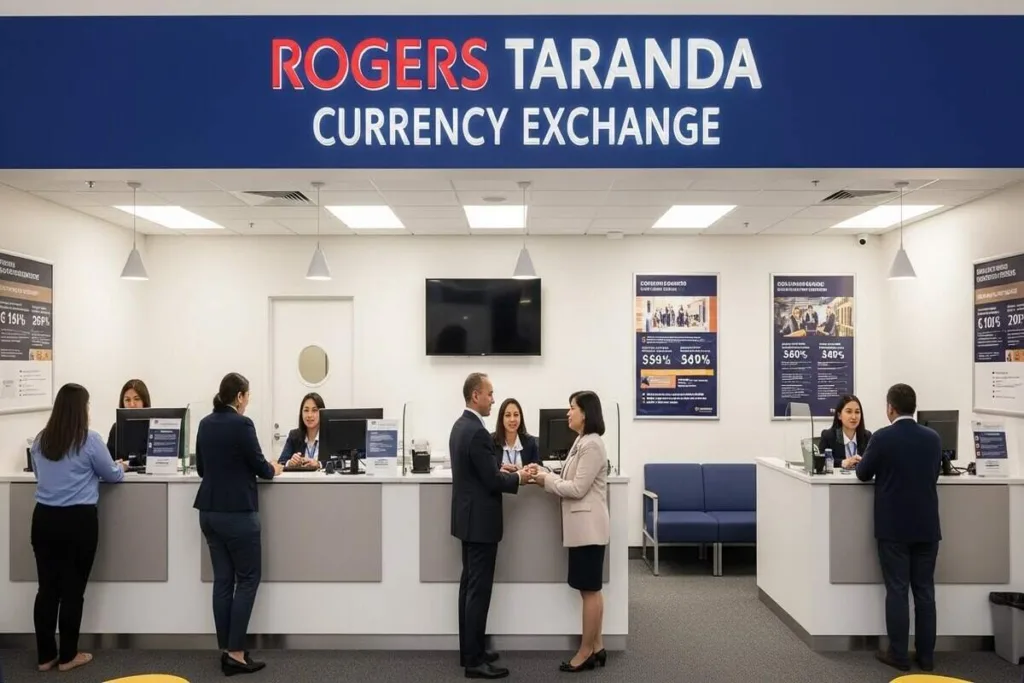
Currency exchange becomes the more practical choice when immediate access to local cash supports seamless everyday transactions. It is especially useful when digital payment options are limited, unavailable or less reliable in real-world environments, while still operating within standard financial service requirements.
To better understand how these services work, explore our guide on retail currency exchange services for consumers.
Currency exchange services are provided by licensed Money Services Businesses (MSBs) and are subject to federal and state regulations, including identity verification (KYC), anti-money laundering (AML) requirements, transaction monitoring, and reporting obligations such as Currency Transaction Reports (CTR) and Suspicious Activity Reports (SAR), where applicable.

When Currency Exchange Becomes Essential For Cash-Based Transactions
Currency exchange becomes essential in environments where cash remains the primary method for completing everyday transactions. In these situations, individuals need immediate access to local currency to avoid delays, especially when digital payments are not widely accepted or reliable. From local markets to urgent in-person payments, relying on physical cash ensures smoother and faster interactions. This makes currency exchange a practical solution for maintaining continuity in real-world financial activities where speed and accessibility matter most.
Local Markets And Small Merchants Requiring Cash Payments
Cash-first environments make currency exchange essential when local merchants do not accept cards or digital payment methods. Travelers and senders often rely on physical currency when purchasing goods from vendors operating outside formal banking systems.
This scenario commonly includes:
- Street markets, transport services and small neighborhood shops operating without digital payment infrastructure
- Rural or semi-urban areas where internet connectivity limits the use of online or mobile payment systems
- Informal service providers who prefer immediate cash settlement instead of delayed electronic transfers
Currency exchange supports these interactions by ensuring users can transact instantly without needing digital approvals or network availability. Authoritative foreign exchange benchmarks, such as those published in the Federal Reserve H.10 exchange rate data, help explain how currency values are determined across global markets.
Urgent In-Person Payments That Require Instant Settlement
Currency exchange becomes the practical choice when payments must be completed immediately without processing delays from financial systems. Certain situations require physical money to finalize transactions quickly and securely, while still following standard identification and transaction procedures that apply to financial services.
In these scenarios, individuals may also choose from different currency exchange services depending on how quickly they need access to funds and where transactions take place. Immediate access to local currency eliminates delays and ensures transactions proceed without interruption.
Limited Access To Digital Or Banking Infrastructure
Currency exchange is more practical when individuals operate in areas with restricted access to banking or financial services. Many regions still depend heavily on cash due to limited infrastructure supporting electronic transactions or financial inclusivity.
These limitations often align with broader financial access challenges addressed through programs like the FDIC Money Smart program, which promotes financial literacy and access. Currency exchange provides a direct solution by converting funds into usable local currency without relying on digital intermediaries.

How Currency Exchange Supports Control And Predictable Budgeting
Currency exchange supports stronger financial control by giving users a clear and immediate view of their available funds. It becomes especially practical when individuals need predictable spending outcomes without relying on delayed digital updates or system-based calculations. By using physical currency, users can track expenses in real time and maintain disciplined budgeting in unfamiliar financial environments.
Managing Spending Through Physical Currency Visibility
Using exchanged currency helps individuals maintain better control over spending by providing a tangible representation of available funds. This approach supports disciplined budgeting and prevents overspending that can occur with less visible digital transactions.
Key advantages of physical currency management include:
- Clear awareness of remaining funds after each transaction, supporting mindful spending decisions
- Reduced reliance on transaction notifications or delayed balance updates from digital systems
- Easier allocation of daily budgets for food, transportation and other essential expenses
This visibility makes currency exchange practical for users who prefer structured financial control while transacting abroad. Currency valuation insights, such as those outlined in U.S. Treasury exchange rate analysis, further explain how exchange rates influence purchasing power.
Avoiding Transaction Uncertainty During Cross-Border Payments
Currency exchange becomes more practical when users prefer immediate clarity on the amount they receive, rather than waiting on cross-border digital payment processing timelines. Digital transactions can involve processing timelines or currency adjustments that affect when funds become available.
Financial institutions operate under oversight frameworks such as those administered by FinCEN, which establish compliance obligations for secure transaction handling. Currency exchange allows users to complete transactions with known values at the time of exchange, reducing uncertainty.
Simplifying Transactions In Unfamiliar Financial Environments
Currency exchange is practical when individuals navigate unfamiliar financial systems where digital payment processes may feel complex or unreliable. Using local currency simplifies interactions and reduces the need to understand multiple payment platforms or requirements.
Customers can locate nearby service providers through available branch locations to access currency exchange services in person. For additional assistance with transactions or service details, users can also contact customer support to ensure a smooth experience.
Key Takeaways
- Currency exchange is more practical when transactions require immediate access to local cash without relying on digital systems
- Cash-based environments make currency exchange essential for completing purchases where electronic payments are unavailable or unreliable
- Physical currency provides better control over spending and supports clearer budgeting during cross-border transactions
- Currency exchange provides immediate access to local currency, with transaction values confirmed at the time of exchange
- The practical choice depends on access, urgency and simplicity in real-world financial interactions
Conclusion
Currency exchange becomes the more practical choice when transactions depend on immediate access, simplicity and full control over spending. It supports real-world scenarios where cash remains essential, especially in environments with limited digital infrastructure or urgent payment needs. By providing immediate access to local currency, it allows individuals to transact confidently and efficiently across borders. Whether managing daily expenses or handling time-sensitive payments, currency exchange offers a reliable and straightforward solution. Choosing the right method depends on how quickly funds are needed, how accessible digital systems are and how much control users want over their transactions.
If you are ready to make fast and reliable transactions, choose a licensed currency exchange provider and complete your payments with confidence.
Order Express has provided financial services since 1993, with over 100 locations and 300 authorized agents across the U.S., helping customers complete secure and compliant transactions.
Disclaimer: This content is for informational purposes only and does not constitute financial advice. Individual transaction needs may vary depending on location and service availability. Currency exchange services are subject to applicable federal and state financial regulations, including identification and reporting requirements where applicable.
FAQs
When should I choose currency exchange instead of digital payments?
Choose currency exchange when cash is required, digital access is limited or transactions must be completed immediately without delays.
Is currency exchange better for budgeting while traveling?
Yes, physical currency helps track spending clearly and supports better control over daily expenses in unfamiliar environments.
Does currency exchange help avoid payment delays?
Yes, it allows instant transactions without waiting for bank approvals or processing times associated with digital payments.
Can currency exchange be useful in rural areas?
Yes, rural areas often rely on cash, making currency exchange essential for completing everyday transactions without digital systems.
Why is currency exchange simpler in unfamiliar places?
It removes the need to understand local payment apps, allowing direct transactions using widely accepted physical money.

John is a Content & SEO Specialist who enjoys breaking down complex financial topics, like cross-border payments and money transfers, into content that’s easy to understand. He focuses on creating practical, search-driven content that helps people find answers and make informed decisions.