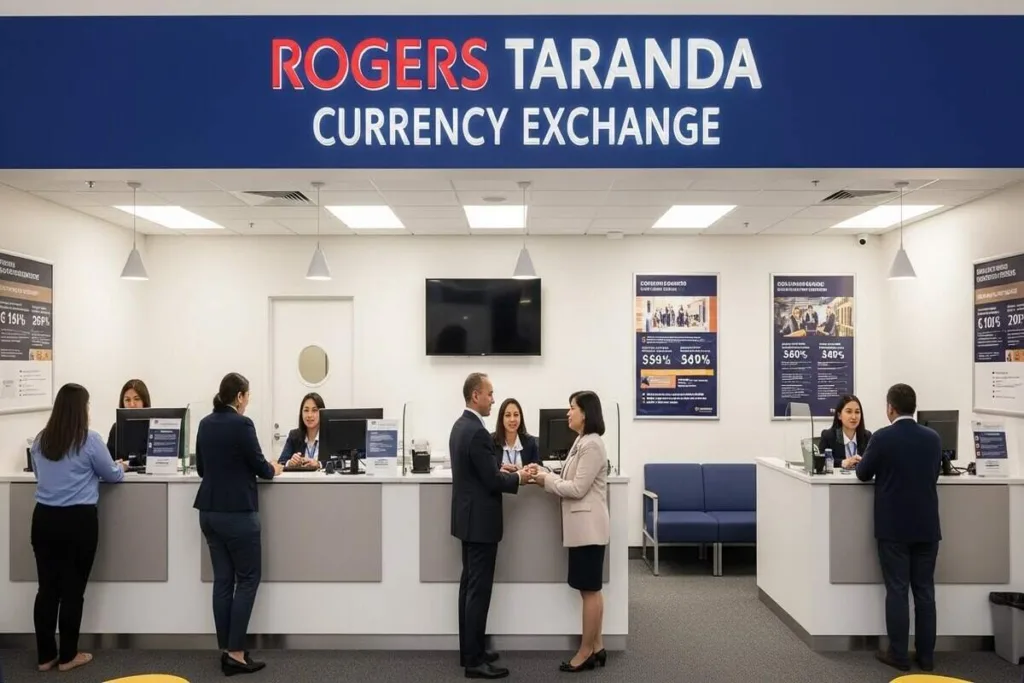
Currency exchange along Lawrence Avenue near Uptown Chicago plays an important role for residents who need to handle foreign cash securely and responsibly. As part of Chicago’s broader foreign currency exchange network, licensed providers offer regulated currency exchange services in Chicago that follow defined compliance standards. In Chicago, Illinois, this service matters because transactions involve physical currency, regulatory oversight, and clear handling standards that protect both customers and providers.
Currency exchange is not an informal swap but a regulated financial service shaped by licensing rules, verification practices, and structured transaction steps. This content provides practical guidance on what customers can expect at the counter, how safety and compliance are applied in real situations, and how to approach exchanges with clarity and confidence.

How Safety And Compliance Standards Apply To Currency Exchange On Lawrence Avenue
Customers using currency exchange services want to know whether the process is legitimate, regulated, and consistent. Safety is shaped by how providers follow licensing rules, apply verification practices, protect cash on site, and communicate clearly with customers. These standards exist to reduce risk, support transparency, and ensure transactions are handled responsibly under applicable laws. Practices may vary by provider based on internal compliance programs and risk-based controls.
For individuals exchanging foreign currency in Chicago, Illinois, understanding these safety standards helps set realistic expectations and builds confidence before stepping up to the counter. This overview explains the practical protections customers encounter, why those protections matter, and how regulated exchange environments differ from informal or unverified alternatives.
Lawrence Avenue serves a diverse Chicago community with frequent cash-based financial needs, including international travel and cross-border family support.
Licensed Providers and Regulatory Oversight
Currency exchange services in this area operate under state and federal regulatory frameworks that govern how foreign currency transactions are conducted. Licensed currency exchange providers operate as Money Services Businesses (MSBs) under Federal law (31 CFR Chapter X) and applicable Illinois statutes. These rules exist to promote transparency, prevent misuse of cash services, and protect customers. Providers are responsible for maintaining proper licensing and following applicable requirements.
Customers may expect structured processes rather than informal exchanges, as regulated providers apply standardized handling procedures. According to Federal law (31 CFR Chapter X), certain cash transactions may require mandatory recordkeeping and regulatory reporting when defined thresholds are met. These compliance obligations are managed entirely by the provider and are not optional. These obligations are handled solely by the service provider and are not optional.
Identification and Verification Practices
Identification may be required depending on the transaction type, amount, and applicable legal or regulatory requirements. When identification is requested, it supports accurate recordkeeping and helps ensure transactions are properly attributed. This practice protects both customers and service providers.
Staff should explain requests clearly and apply them consistently. Customers should not expect identification requirements to be negotiable or discretionary. According to Order Express policy, services are subject to applicable compliance, documentation, and monitoring requirements.
Physical Security and Cash Handling Controls
Physical safeguards are a core reason customers can rely on regulated currency exchange services. Professional locations use defined layouts and controlled handling practices to reduce risk during in-person transactions. These measures help ensure funds are protected and that exchanges occur in an orderly, accountable environment rather than through informal or exposed cash handling.
Key physical and operational controls customers typically observe may include:
- Secured service counters that separate staff and customer areas
- Designated cash-handling zones away from public access
- Controlled visibility of cash during counting and verification
- On-site security features that support staff and customer safety
These practices protect everyone involved and reduce the likelihood of errors or theft. Customers benefit from knowing that physical controls are part of standard operations and not optional features that vary by situation.
Clear Communication and Documentation
Transparency is essential in currency exchange. Customers should receive clear explanations of the transaction process and documentation that reflects what was exchanged, although practices may vary by provider. Receipts and written records support accuracy and accountability.
According to Federal law, reporting and recordkeeping obligations are mandatory when applicable and are managed entirely by the provider. Customers are not involved in determining whether such obligations apply.

How Exchange Transactions Are Handled During Currency Exchange
Customers often want clarity on how an exchange transaction unfolds and what protections are in place from start to finish. During a currency exchange, providers follow structured procedures designed to support accuracy, security, and compliance with applicable laws. These practices help ensure funds are handled properly, information is protected when required, and transactions remain consistent regardless of timing or volume.
For individuals using exchange services in Chicago, Illinois, understanding these transaction standards helps reduce uncertainty and set clear expectations before arriving at the counter. This overview explains how exchanges are processed, why verification and accuracy checks matter, how personal information and funds are safeguarded, and why certain transaction behaviors are governed by Federal requirements.
What to Expect During a Currency Exchange Transaction
A structured process helps customers feel confident during a currency exchange transaction. Providers follow consistent steps so customers understand how funds are reviewed, verified, and completed at the counter. This predictability supports accuracy, transparency, and compliance, especially for customers who exchange foreign currency for practical needs.
The typical transaction flow includes several clear stages:
- Presenting the currency for review
- Verification using established procedures
- Confirmation of transaction details before completion
- Clear communication from staff throughout the process
This sequencing helps customers convert cash safely and understand what happens at each stage. Standardized handling reduces confusion and reinforces that local exchange services operate as regulated financial services, not informal cash swaps.
Accuracy Confirmation at the Counter
Accuracy is a core part of any currency exchange, and it is addressed directly at the counter. Providers use verification tools and standard counting practices to confirm amounts before finalizing the transaction. Customers are generally given the opportunity to review the funds they receive, which helps ensure clarity when they exchange foreign currency. This review step supports immediate resolution if questions arise.
Confirming amounts on the spot protects both parties and supports responsible service delivery. It is especially helpful for customers managing international travel spending or converting cash for short-term use. Professional local exchange services encourage careful review because accuracy checks are part of compliant and reliable transaction handling.
Protection of Personal Information and Funds
Protecting customer information and funds is a central part of a currency exchange transaction. Personal information may be requested only when required by applicable laws or regulations and is handled in a controlled manner. These practices support secure recordkeeping when customers buy or sell currency and help ensure transactions are properly documented.
After the exchange is completed, customers should secure funds discreetly before leaving the counter. Awareness during entry and exit helps reduce risk, especially in busy commercial areas of Illinois. These practical habits support customers who convert cash safely and rely on local exchange services for everyday or travel-related needs.
Understanding Prohibited Transaction Behavior
Currency exchange services operate within strict legal boundaries, and certain behaviors are governed by Federal requirements. According to Federal law, structuring transactions to evade identification, recordkeeping, or reporting requirements is prohibited. These rules apply regardless of whether customers exchange foreign currency for personal use or international travel spending.
Compliance outcomes are determined solely by applicable laws and provider obligations. Customers should approach local exchange services as regulated financial services rather than informal cash options. Understanding this framework helps set accurate expectations and reinforces why transaction handling follows consistent, provider-controlled standards.
Conclusion
Currency exchange services are safest when customers understand how regulated providers operate and what safeguards guide each transaction. Licensed operations, physical security, clear procedures, and consistent communication all work together to reduce risk. Knowing what to expect at the counter helps customers confirm accuracy, protect personal information, and approach exchanges with confidence. These fundamentals matter for anyone using exchange services near Lawrence Avenue in the Chicago area, where activity levels and customer needs vary throughout the day.
Customers who understand how regulated currency exchange providers operate are better positioned to complete transactions confidently and efficiently. Awareness of compliance standards helps reduce confusion and supports smoother in-person exchanges. Because currency exchange providers function under Federal BSA/AML oversight and Illinois regulatory requirements, informed preparation reduces confusion and supports smoother transactions. Staying informed supports confident decisions and realistic expectations. When customers treat currency exchange as a regulated financial service, each transaction becomes more predictable, transparent, and secure.
Frequently Asked Questions
Is currency exchange safe in the Chicago area near Lawrence Avenue?
Yes. Licensed exchange locations follow regulated processes designed to protect customers and ensure consistent handling of transactions.
What documents might be requested when exchanging currency in Illinois’s Chicago community?
Identification may be requested depending on the transaction type and applicable legal or regulatory requirements.
Can I review my funds before leaving the counter in Chicago in Illinois?
Most professional exchange locations allow customers to review received funds to confirm accuracy before completing the transaction.
How should I protect my cash after an exchange near a busy Chicago landmark?
Secure funds discreetly before leaving the counter and remain aware of your surroundings when exiting the location.
Are informal or peer-to-peer exchanges treated differently in the Chicago region?
Yes. Informal methods are still subject to provider rules and applicable laws and may lack the protections of licensed services.
Educational Disclaimer: This content is provided for general informational purposes only and does not constitute legal, financial, or regulatory advice.

Alvin is a Content and SEO Specialist who creates clear and helpful content about money transfers and payment systems. He focuses on making complex topics easy to understand so readers can learn how these services work in everyday situations.