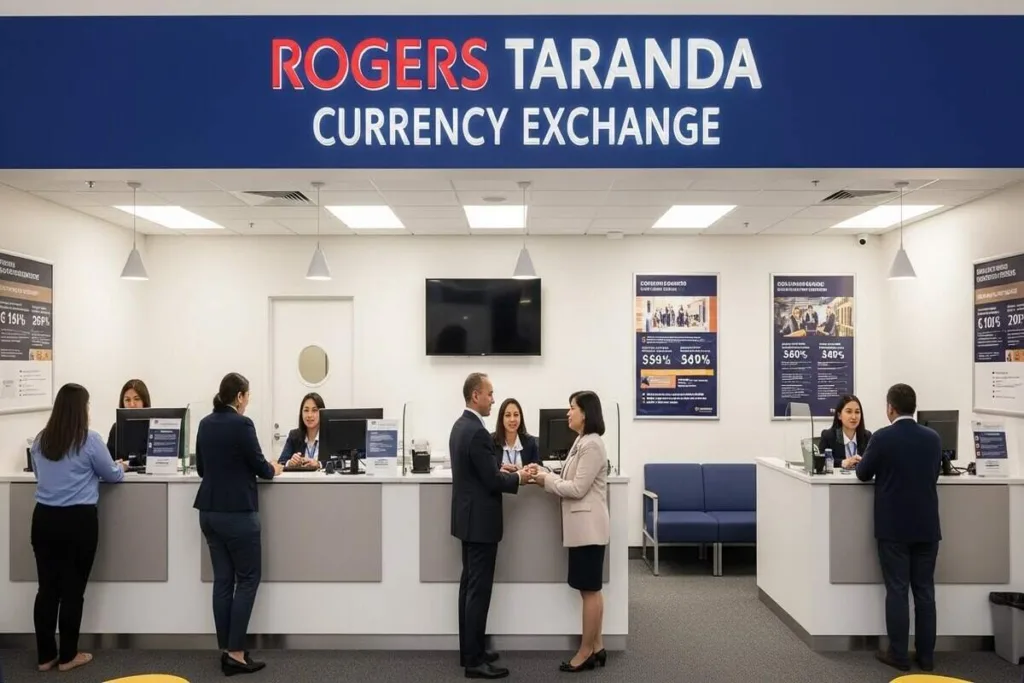
Currency exchange services near Liberty Street in the Elgin area provide a regulated way to convert foreign cash or obtain currency for travel needs. A currency exchange transaction involves reviewing foreign bills, recording required details, and completing the exchange under applicable Federal rules.
This topic matters to local residents because expectations around verification, availability, and documentation are set by service providers, not customers. The sections below explain how the process works, what factors may affect an exchange visit, and how to approach these services with accurate, compliance-aware expectations.

How Currency Exchange Transactions Are Handled In Elgin, Illinois
Currency exchange transactions involve more than converting one form of cash into another. For customers in Elgin, Illinois, understanding how currency exchange services handle verification, processing, and documentation helps set accurate expectations before visiting a provider. Each step exists to support accuracy, protect against invalid currency, and meet applicable Federal requirements that govern in-person financial services.
From the initial review of foreign bills to final transaction confirmation, the process is managed entirely by the service provider. Currency exchange transactions are recorded in accordance with applicable recordkeeping requirements. Required transaction records and customer information are maintained by the service provider for regulatory compliance and audit purposes, with identification and documentation applied only when required by governing rules. Knowing this framework helps customers approach the transaction with clarity, confidence, and an informed understanding of how regulated exchange services operate.
How Foreign Currency Is Reviewed and Accepted
When a customer presents foreign currency for exchange, the provider reviews the bills to confirm authenticity, denomination, and physical condition. Some currencies or bill series may not be eligible for exchange based on acceptance standards or circulation limitations. This review helps ensure that only valid currency enters the exchange system.
For customers, this step supports accuracy and protects against receiving incorrect value. Acceptance decisions are determined by the service provider based on internal compliance controls, regulatory requirements, and currency eligibility standards, not by customer preference.
How the Exchange Transaction Is Completed
The exchange process follows a consistent flow designed to ensure accuracy and transparency during a currency exchange transaction. After foreign bills are accepted, the provider calculates the exchange amount and enters the details into its system. This creates a clear record that supports traceability and accuracy. Customers are then shown a transaction summary so the details can be reviewed before completion, helping reduce errors and misunderstandings.
The completion process typically includes the following steps:
- Calculation of the exchange amount based on accepted currency.
- Entry of transaction details into the provider system.
- Presentation of a transaction summary for customer review.
- Final processing handled by the service provider.
Once confirmed, the transaction is finalized according to applicable rules. Customers do not manage processing steps, and outcomes are determined by provider-controlled procedures.
Identification and Verification Considerations
Identification is required for currency exchange transactions that meet or exceed applicable regulatory thresholds. For regulated currency exchange providers, customer identification is mandatory when the transaction amount reaches required limits, including single or aggregated exchanges within a defined time period. When applicable, identification helps verify who is conducting the transaction and supports record accuracy.
Whether identification is required is determined solely by the service provider based on governing requirements. Customers are not able to influence when or how verification applies.
Recordkeeping and Reporting Context
According to Federal law, Under Federal law, cash transactions exceeding $10,000 in a single business day, including aggregated transactions, are subject to Currency Transaction Report (CTR) filing requirements. These obligations are mandatory and are handled entirely by the service provider.
Customers are not responsible for managing or determining reporting requirements. All applicable recordkeeping and reporting is performed in accordance with Federal obligations.
Additional reporting or verification may apply depending on transaction patterns or updated regulatory guidance.

What Customers Should Know Before Exchanging Foreign Currency
Understanding how currency exchange services operate helps customers approach the process with realistic expectations and fewer surprises. For individuals in Elgin, Illinois, this includes knowing how preparation, timing, and currency availability can influence the overall experience. Currency exchange transactions are shaped by provider standards, operational conditions, and applicable legal requirements, not by customer preference or timing alone.
Being informed before visiting an exchange location supports smoother interactions and clearer decision-making. Factors such as how foreign cash is presented, whether a specific currency is currently available, and how exchange services differ from other financial tools all play a role. The topics below provide practical context to help customers navigate these considerations confidently and responsibly when engaging with regulated exchange services.
Preparing for a Currency Exchange Visit
Preparing in advance is the most effective way to support a smooth currency exchange experience. Bringing foreign bills that are unfolded, organized by denomination, and in good condition helps local exchange services review them efficiently. This is especially useful for customers planning to exchange foreign currency for everyday needs or international travel spending. Identification may be requested depending on applicable requirements, and when it applies, it supports accurate verification and recordkeeping.
Preparation improves clarity, but it does not influence acceptance decisions. Providers determine whether bills can be accepted based on condition, eligibility, and regulatory obligations. Customers looking to convert cash safely or buy or sell currency benefit from understanding that verification and approval are provider-controlled and compliance-driven at all times.
Timing and Availability Considerations
Availability varies based on operational conditions, demand, and the specific foreign currency involved, which can affect the outcome of a currency exchange visit. Not all currencies or denominations are available at all times, particularly those used less frequently for international travel spending. Understanding this helps customers approach an exchange with realistic expectations rather than assumptions about availability.
Several factors can influence availability at the time of service:
- Current demand for a specific foreign currency.
- Operational inventory and circulation limits.
- Type and denomination of the currency presented.
- Timing of the visit relative to provider operations.
Checking availability in advance may provide context, but final acceptance is always determined at the time of service. Timing informs awareness only and does not affect compliance or acceptance decisions.
Currency Exchange After International Travel
Exchanging leftover foreign cash after a trip is a common reason customers use currency exchange services. This allows unused bills from international travel spending to be converted into U.S. dollars through a regulated process. Customers may present a mix of denominations, often accumulated during travel, to local exchange services for review.
Acceptance depends on the condition, authenticity, and eligibility of the currency presented. Providers determine whether bills can be exchanged based on applicable standards, not customer timing or preference. Customers choosing to exchange foreign currency after travel benefit from understanding that worn or outdated notes may not be accepted, even when obtained legitimately abroad.
Currency Exchange and Other Financial Services
Currency exchange serves a different purpose than many other financial tools, even when customers compare options. A currency exchange transaction focuses on buying or selling currency in cash form, while other services may involve digital platforms or peer-to-peer tools. All services are subject to provider rules and applicable laws or regulations.
Digital and informal tools operate under their own frameworks, which differ from in-person exchange services. According to Federal law, covered international remittance transfers, which are separate from standard currency exchange transactions, require pre-payment disclosures and receipts, including transfer amounts, fees, exchange rates, estimated delivery dates, and applicable cancellation or error-resolution rights.
Conclusion
Currency exchange services operate through a structured, regulated process focused on accuracy, transparency, and compliance. Customers benefit from understanding how currency is reviewed, how transactions are recorded, and why verification may apply. Preparation, realistic timing expectations, and awareness of provider-controlled decisions all support smoother interactions. Additional reporting or verification may apply depending on transaction patterns or regulatory guidance. This knowledge helps customers make informed choices when using exchange services in the Elgin region near Liberty Street.
Customers seeking additional clarity may choose to speak with a licensed money services business, such as Order Express, for general service information. Approaching exchanges with accurate information supports confident, compliant decisions. Informed awareness remains the strongest foundation for using currency exchange services responsibly.
FAQs
Where can I exchange foreign currency in Elgin in Illinois?
Licensed currency exchange locations in the area provide in-person services for converting eligible foreign cash.
What should I bring to a currency exchange in the Elgin area?
Bring the foreign currency you wish to exchange and valid identification if requested under applicable requirements.
Are all foreign currencies accepted in Illinois’s Elgin community?
Not always. Acceptance depends on the currency type, bill condition, and provider standards.
Can I exchange leftover travel cash near downtown Elgin?
Yes. Many customers exchange unused foreign cash after international travel through regulated services.
How is currency exchange different from digital transfer apps in the Elgin region?
Currency exchange involves physical cash, while digital tools follow separate provider rules and legal frameworks.
Educational Disclaimer: This content is for general informational purposes only and does not constitute legal, financial, or regulatory advice.

Alvin is a Content and SEO Specialist who creates clear and helpful content about money transfers and payment systems. He focuses on making complex topics easy to understand so readers can learn how these services work in everyday situations.