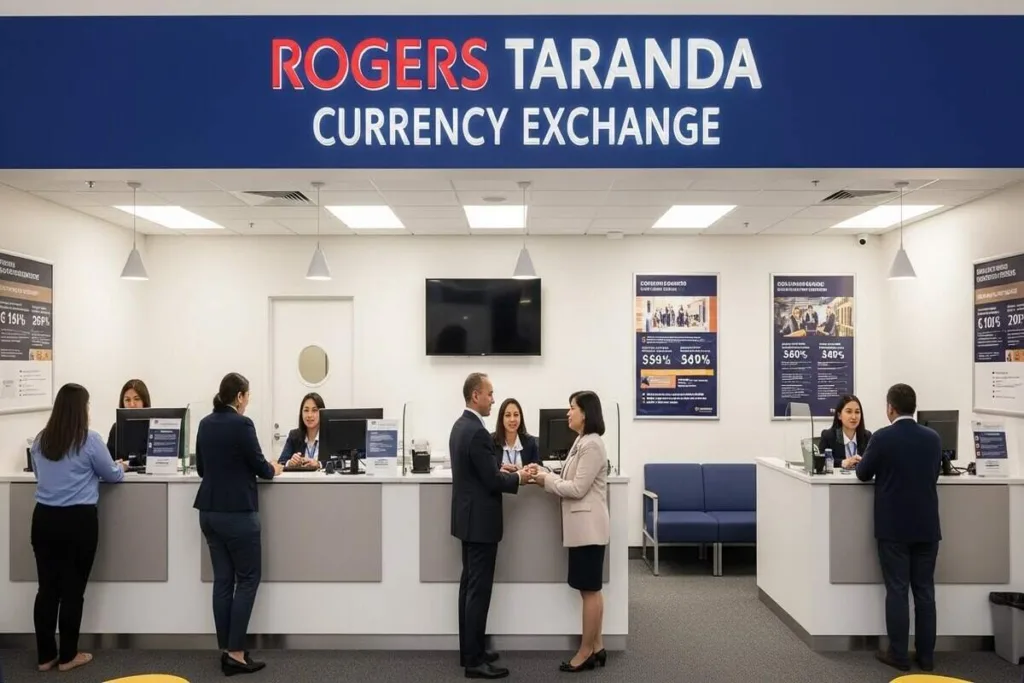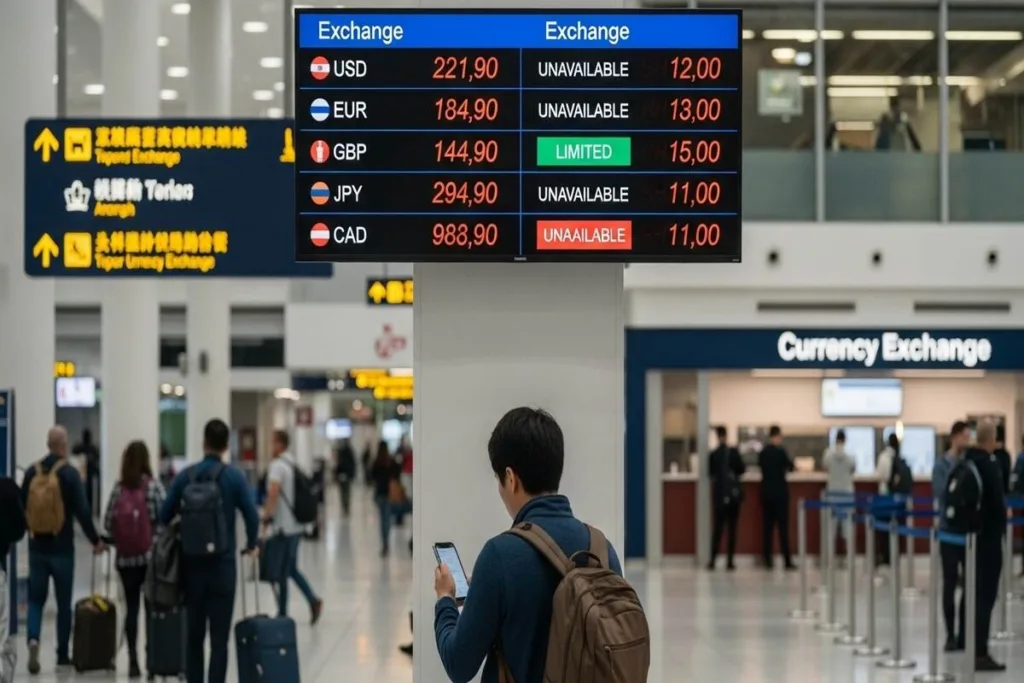
Currency exchange availability varies by location primarily due to infrastructure access and regional economic demand patterns. These two factors determine how easily individuals can find services, compare rates and complete transactions efficiently.
For a broader overview of how services operate globally, visit the pillar guide on retail currency exchange guidance for consumers.
Note: Currency exchange providers may be required to collect and verify customer information in accordance with the Bank Secrecy Act (BSA) and Anti-Money Laundering (AML) regulations.
How Infrastructure Shapes Currency Exchange Access Across Locations
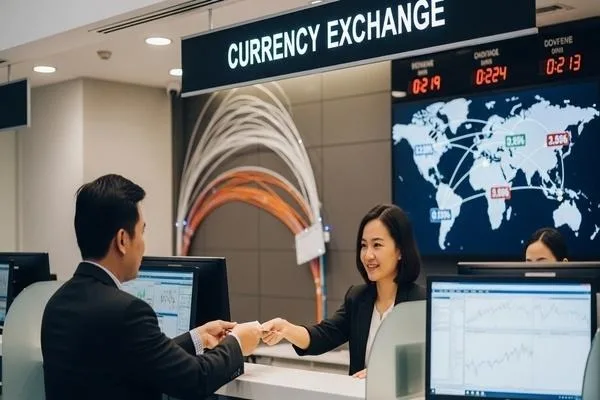
Currency exchange availability is closely tied to the strength and reach of financial infrastructure within a given location. Areas with well-developed banking networks, payment systems and digital connectivity tend to offer more consistent and accessible currency exchange services. In contrast, regions with limited infrastructure often face restricted access, fewer service providers and heavier reliance on digital alternatives. Understanding how infrastructure impacts availability helps users anticipate where services will be easiest to access and how to plan transactions more efficiently.
Urban Areas Offer Higher Service Density And Accessibility
Urban centers provide greater access to currency exchange services because financial institutions and payment providers concentrate operations in these locations. This concentration creates more options for consumers seeking convenient, fast and reliable exchange services nearby.
Key characteristics of urban currency exchange access include:
- Multiple service points such as banks, kiosks and digital platforms operating simultaneously across central districts and commercial zones
- Extended operating hours that accommodate business activities, tourism demand and international transactions across different time zones
- Increased competition among providers, often improving service quality and transaction speed for customers in metropolitan environments
Rural And Remote Areas Experience Limited Service Coverage
Rural and remote locations typically have fewer currency exchange providers due to lower transaction volumes and reduced financial infrastructure development. This limitation means individuals may need to travel or rely on digital services to complete exchanges effectively.
In these areas, availability is shaped by several constraints:
- Limited physical branches or exchange counters, often restricted to regional hubs or transportation centers
- Reduced service frequency, with fewer operating hours or intermittent availability depending on demand levels
- Greater reliance on mobile banking or online platforms when physical access to exchange services is unavailable locally
Digital Infrastructure Bridges Location-Based Gaps
Digital infrastructure plays a critical role in expanding currency exchange access, especially in regions lacking physical service points. Online platforms and mobile applications allow users to initiate and complete transactions regardless of geographic limitations. Availability and service offerings may vary depending on provider policies and applicable federal and state regulations. Consumers can also review reliable foreign exchange benchmarks through the Federal Reserve H.10 exchange rate data, while additional consumer protections and financial tools are available through the FDIC Consumer Resource Center, which supports informed financial decision-making.

Why Economic Activity Influences Currency Exchange Access
Economic activity directly determines how accessible currency exchange services are in any given location. Regions with active tourism, international trade and business operations generate steady demand that supports a wider network of providers. As a result, currency exchange availability expands in high-activity areas while remaining limited in regions with lower financial movement and fewer cross-border transactions.
Tourism And Travel Hubs Increase Service Concentration
Tourism-heavy destinations typically experience higher demand for currency exchange services, prompting providers to establish multiple access points in these locations. Airports, hotels and commercial districts often host exchange services to meet traveler needs efficiently.
These locations typically demonstrate:
- High-frequency transactions driven by international visitors requiring local currency for daily spending and services
- Strategic placement of exchange providers in visible, high-traffic areas such as terminals, resorts and shopping centers
- Availability of multiple currencies reflecting diverse traveler origins and seasonal fluctuations in visitor demographics
For additional consumer financial guidance, travelers can explore educational tools provided by the FDIC Money Smart program, which supports informed financial decision-making.
Business And Trade Regions Drive Consistent Exchange Demand
Regions with strong trade activity and international business operations maintain steady demand for currency exchange services throughout the year. This demand encourages providers to establish reliable and scalable service networks in these areas.
In business-driven locations, availability is supported by:
- Continuous cross-border transactions involving imports, exports and international service payments across various industries
- Presence of corporate clients requiring frequent currency conversion for operational and financial management purposes
- Integration with banking systems that facilitate seamless exchange transactions within broader financial workflows
Global exchange trends influencing these regions are often analyzed through resources like the U.S. Treasury exchange rate analysis, which highlights macroeconomic currency movements.
Economic Activity Levels Influence Provider Distribution
Economic activity levels determine whether currency exchange providers find it viable to operate within specific locations consistently. Higher activity typically leads to increased competition, while lower activity results in limited service availability. Service availability may also depend on applicable regulatory requirements governing financial service providers. Financial institutions must follow compliance frameworks outlined by agencies such as FinCEN guidance and regulations, which shape how services are delivered across different regions.
Customers seeking nearby access can check available branch locations to identify convenient service points based on their area.
Key Takeaways
- Currency exchange availability varies mainly due to infrastructure access and regional economic demand influencing service distribution across locations
- Urban areas provide higher accessibility through dense financial networks, while rural regions rely more heavily on digital exchange solutions
- Tourism and business activity increase service concentration by generating consistent demand for foreign currency transactions in specific locations
- Digital infrastructure helps bridge geographic gaps, allowing users to access currency exchange services even in underserved areas
- Understanding these factors helps users choose the most convenient and efficient way to complete currency exchange transactions
Conclusion
Currency exchange availability depends largely on infrastructure access and regional economic activity shaping demand across different locations. Urban areas benefit from dense financial networks, while rural regions rely increasingly on digital solutions to bridge accessibility gaps. Tourism and business activity further influence where services are concentrated, ensuring availability aligns with transaction demand patterns. Understanding these drivers helps individuals plan exchanges efficiently and avoid unnecessary delays during financial transactions. By recognizing how location affects access, users can choose the most practical and reliable exchange method for their needs. This awareness supports smoother transactions and better financial decision-making when dealing with foreign currencies across various environments.
To make informed decisions, consider reliability, transparency, and regulatory compliance when selecting a currency exchange service that fits your location and needs.
Disclaimer: This content is for informational purposes only and does not constitute financial, legal, or transactional advice. Currency exchange services are subject to applicable federal and state regulations, which vary by provider and jurisdiction.
FAQs
Why is currency exchange easier in cities than rural areas?
Cities have more banks and financial services, increasing availability, competition and convenience for currency exchange transactions.
Can I exchange currency online if services are unavailable nearby?
Yes, digital platforms allow users to exchange currency remotely using secure payment systems and internet connectivity.
Do tourist areas always have better currency exchange access?
Generally, high traveler demand encourages providers to operate multiple exchange points in tourist-heavy locations, although availability may vary by region.
What determines where currency exchange providers operate?
Providers choose locations based on demand, economic activity and infrastructure availability supporting consistent transaction volumes.
Is currency exchange availability the same in all countries?
No, availability varies widely depending on financial development, economic activity and access to digital infrastructure.

John is a Content & SEO Specialist who enjoys breaking down complex financial topics, like cross-border payments and money transfers, into content that’s easy to understand. He focuses on creating practical, search-driven content that helps people find answers and make informed decisions.