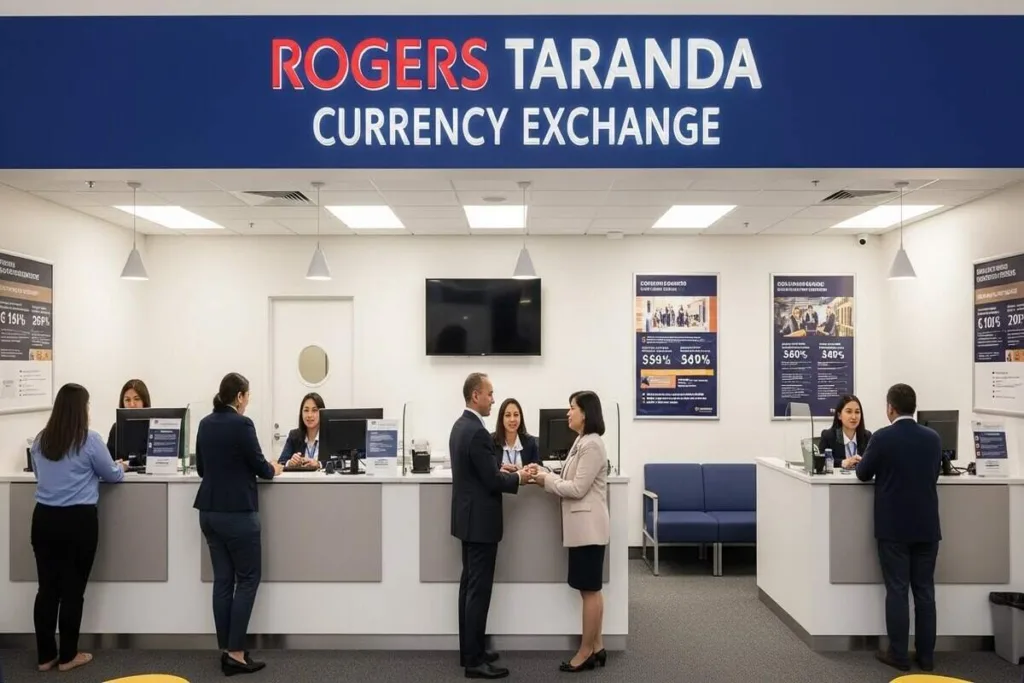
Currency exchange in the Chicago region near North Avenue is a regulated financial service that allows customers to convert physical foreign banknotes into U.S. dollars or obtain foreign cash for travel needs. Licensed providers follow standardized steps that focus on authenticity checks, documentation, and consumer protection.
These services matter to local residents and visitors who need a lawful, transparent way to handle international cash. This content provides practical guidance on how the process works, why certain steps may apply, and how compliance requirements shape the overall experience.

How Currency Exchange Transactions Work In Chicago North Ave, Illinois
Customers using currency exchange services in Chicago North Ave, Illinois often want clarity on what happens once they arrive at a service location and why certain steps are required. Understanding the transaction flow helps set realistic expectations, reduces uncertainty, and supports informed decision-making when handling foreign cash. While individual transactions may vary, the overall process follows consistent standards designed to protect both customers and service providers.
Currency exchange transactions involve multiple review and confirmation stages that reflect legal, operational, and security considerations rather than customer choice or preference. These steps exist to verify currency authenticity, ensure accurate handling, and maintain proper documentation. By knowing how reviews are conducted, why processing time can differ, and what documentation is typically provided, customers can approach the transaction with confidence and avoid misunderstandings during the exchange process.
Preparing Foreign Currency for Exchange
Preparing foreign cash in advance helps ensure a smoother currency exchange experience and reduces the chance of delays at the counter. Service providers review physical banknotes to confirm they are authentic, identifiable, and in usable condition. Notes that are heavily damaged, altered, or no longer in circulation may not be accepted, and these determinations are made solely by the provider.
Before visiting an exchange location, customers benefit from a few basic preparation steps:
- Separate bills by denomination to support efficient review
- Remove torn, defaced, or taped notes when possible
- Confirm the currency is still actively issued
- Keep foreign cash accessible for inspection
These steps do not guarantee acceptance, but they help transactions proceed more efficiently. Final decisions remain subject to operational and regulatory considerations applied by the service provider.
What Happens During the In-Person Review
At the counter, staff examine the currency to confirm authenticity and condition. This step is a standard safeguard that supports lawful financial activity and protects both customers and providers from counterfeit risk. The review process may vary depending on the currency type and transaction characteristics.
Identification may be required depending on the transaction type, amount, and applicable legal or regulatory requirements. Whether identification is required is determined solely by the provider based on those requirements.
Completing the Exchange Transaction
Once the review is complete, the provider confirms the transaction details before issuing funds. Customers are typically given an opportunity to review the information presented and ask clarifying questions. This step supports transparency and informed understanding of the transaction.
After completion, customers receive the exchanged currency and applicable documentation. Counting funds at the counter and retaining receipts supports accurate personal recordkeeping.
Why Processing Time Can Vary
Processing time can vary due to currency type, volume, operational flow, or required verification steps. These variations are normal and reflect provider obligations rather than customer actions.
Service providers follow standardized procedures and cannot alter required steps based on customer preference or timing needs.

What Customers Should Know About Compliance In Currency Exchange
Compliance plays a central role in how currency exchange services operate and why certain steps may apply during a transaction. Currency exchange services are offered in accordance with applicable federal and state Money Services Business (MSB) regulations, including FinCEN requirements. Customers using these services benefit from understanding that regulatory requirements are designed to protect financial integrity, prevent misuse, and ensure consistent handling of foreign cash. These standards apply uniformly and are carried out by the service provider based on applicable laws, not customer preference or transaction strategy.
For individuals exchanging currency in Chicago North Ave, Illinois, awareness of these compliance principles helps set realistic expectations and reduces confusion if verification or documentation is requested. Currency exchange transactions are governed by federal rules and provider policies that establish how identification, recordkeeping, and service eligibility are handled. Recognizing that these safeguards are mandatory and provider-controlled allows customers to approach the process with clarity, confidence, and informed awareness as they review the details explained in the sections that follow.
Identification and Verification Requirements
Identification and verification are standard safeguards used in currency exchange services when applicable legal or regulatory requirements apply. These checks help ensure transactions are handled lawfully and consistently across providers. Customers who exchange foreign currency or plan international travel spending should understand that identification may be required depending on transaction characteristics. Decisions about verification are made solely by the service provider and are not influenced by customer actions or preferences.
These requirements support secure handling of cash and protect the integrity of local exchange services. Whether customers buy or sell currency, verification steps may apply as part of normal operations. Requests for identification are routine and reflect regulatory obligations rather than individual judgment. This framework allows customers to convert cash safely within a regulated financial environment.
Federal Recordkeeping and Reporting Obligations
Federal recordkeeping and reporting obligations apply to currency exchange services when specific regulatory standards are met. These obligations exist to support transparency and lawful financial activity. Customers using local exchange services may notice documentation or information being recorded as part of normal processing, even when transactions appear straightforward. All determinations related to recordkeeping are handled exclusively by the service provider.
Customers are not involved in deciding when recordkeeping or reporting applies, and these requirements are not optional. They apply consistently whether customers exchange foreign currency for travel or buy or sell currency for other needs. This structure ensures providers can convert cash safely while meeting federal responsibilities. Understanding that these steps are mandatory helps set clear expectations and reduces confusion during the transaction.
Prohibition on Structuring
Structuring transactions to evade legal requirements is prohibited under Federal law and applies to all currency exchange services. Providers apply uniform standards regardless of transaction size or frequency, and compliance decisions are not affected by how a customer approaches a transaction. Customers who exchange foreign currency or manage international travel spending should be aware that all transactions are reviewed under the same legal framework.
This prohibition protects the integrity of financial systems and ensures fair treatment across local exchange services. Customers cannot influence compliance outcomes through transaction behavior. Providers are required to apply consistent rules when customers buy or sell currency or convert cash safely. Understanding this principle helps customers focus on accurate, transparent transactions rather than assumptions about process variation.
Use of Licensed and Regulated Providers
Using licensed providers is a key factor in completing a currency exchange transaction within established legal and consumer protection frameworks. Regulated services apply standardized procedures that support lawful operations and consistent handling of foreign cash. Customers benefit from knowing that these providers operate under applicable laws rather than informal or unverified practices.
Licensed providers offer important safeguards that customers should expect:
- Transactions handled under applicable legal and regulatory standards
- Clear documentation supporting transparency and recordkeeping
- Consistent procedures regardless of transaction purpose
- Oversight that supports consumer protection
Digital, informal, or peer-to-peer tools remain subject to provider rules and applicable laws. Covered international remittance transfers are separate services and include additional disclosure requirements under Federal law. All determinations related to regulatory reporting and recordkeeping are handled solely by the licensed provider in accordance with federal guidelines.
Conclusion
Currency exchange services follow clear, regulated steps that prioritize accuracy, transparency, and consumer protection. Understanding preparation, in-person review, documentation, and compliance safeguards helps customers avoid confusion and delays. Knowing that providers apply consistent procedures supports realistic expectations and smoother transactions. This awareness is especially helpful for those handling foreign cash in the Chicago area near North Avenue.
For additional clarity, customers may choose to speak with a licensed money services business, such as Order Express, for general service information. Asking neutral questions can help confirm what to expect during a visit. Staying informed allows customers to approach currency exchange confidently and make sound, compliance-aware decisions.
FAQs
Where can I exchange foreign currency in Chicago in Illinois?
Licensed currency exchange locations operate throughout the city and accept physical foreign banknotes for conversion.
Do I need identification to exchange currency in the Chicago region?
Identification may be required depending on the transaction and applicable legal or regulatory requirements.
How long does a currency exchange take near North Avenue?
Processing time varies based on currency type, volume, and required verification steps.
Can damaged bills be exchanged in Illinois’s Chicago area?
Heavily damaged, altered, or discontinued notes may not be accepted by providers.
Is currency exchange different near downtown Chicago landmarks?
The process remains consistent, though wait times may vary based on location activity.
Educational Disclaimer: This content is for general informational purposes only and does not constitute legal, financial, or regulatory advice.

Alvin is a Content and SEO Specialist who creates clear and helpful content about money transfers and payment systems. He focuses on making complex topics easy to understand so readers can learn how these services work in everyday situations.