


Wondering if you can cash a ripped check? Check cashing services accept a torn check only if key details, like the payee’s name, date, written and numeric amount, drawer’s signature, routing number, and account number, are still visible. Federal rules require checks to remain legible to prevent fraud, while financial providers apply additional compliance steps such as ID verification, reporting, and recordkeeping. If essential details are missing, you must request a replacement from the issuer.
This guide explains how financial institutions and Order Express handle damaged checks, what documentation is required, and practical steps to improve your chances of successful check cashing.
Note: Order Express complies with all applicable FinCEN and state MSB regulations under 31 CFR Part 1022.

General Guidelines For Cashing A Damaged Check
Financial institutions and service providers follow rules to maintain security and compliance. A ripped check is not automatically invalid. What matters is whether the check’s critical details remain intact and readable.
What Information Must Be Visible
A check must display the payee’s name, the date, the written and numerical amount, the drawer’s signature, the routing number, and the account number. If a rip obscures any of these, the check may not be processed. These details allow providers to verify authenticity and prevent fraud.
Federal Rules Affecting Damaged Checks
Federal banking and financial regulations guide providers in handling checks. Regulations require institutions to verify authenticity, protect consumers, and comply with anti-fraud standards. If a check’s damage raises concerns about alteration or tampering, the provider must decline it. Providers also keep records for a minimum of five years, ensuring checks meet retention requirements.
When To Request A Replacement Check
If the damage is severe or essential details are missing, customers must ask the issuer for a replacement. A replacement check eliminates uncertainty and reduces the risk of rejection. This process protects both customers and providers from potential fraud or disputes.
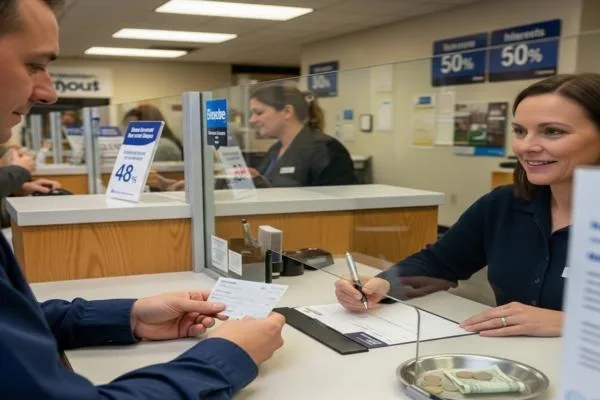
How Order Express Handles Check Cashing Decisions
Order Express follows strict procedures for check cashing services. These rules ensure compliance with the Bank Secrecy Act and other federal requirements. Order Express separates its policies from federal standards while maintaining alignment with both.
Identification Requirements
Order Express requires valid identification for check cashing transactions. Customers must present government-issued photo ID such as a passport, driver license, or other approved documents. For transactions of $3,000 or more, additional information is required under Order Express policies. Identification safeguards help verify customers and protect against misuse.
Transaction Limits And Reporting
Order Express enforces clear thresholds for reporting. Any single check cashing transaction of $3,000 or more requires specific documentation. For transactions of $10,000 or more in one day, the service must file a Currency Transaction Report. Suspicious transactions are reviewed and may trigger a Suspicious Activity Report. These procedures meet legal obligations and support financial security.
In addition to federal requirements, Order Express applies specific thresholds under its policies:
- Any check cashing transaction of $3,000 or more in a single transaction requires documentation.
- Aggregated check cashing transactions of $5,000 or more in one week, or $10,000 in twelve months, also require documentation.
- State-specific rules apply: In Arizona and Oklahoma, identification and reporting begin at $1,000 in 24 hours. In Louisiana, U.S. Treasury checks of $1,000 or more in 24 hours require documentation.
- For transactions exceeding $10,000 in one day, customers must provide proof of the source of funds (such as a bank statement or settlement document).
- All transactions are screened against the OFAC (Office of Foreign Assets Control) list to comply with U.S. sanctions requirements.
Recordkeeping Procedures
Every check cashing transaction is documented. Order Express keeps copies of both sides of the check and identification used. These records remain stored securely for five years. Proper documentation ensures compliance with state, federal rules and regulations while supporting fraud prevention.

Practical Steps If You Have A Ripped Check
Customers often wonder what to do if they hold a damaged check. Service providers consider both appearance and compliance obligations. Following best practices improves the chances of successful processing.
Inspect The Check First
Check the condition before visiting a provider. Ensure the routing number, account number, amount, and signature remain clear. If essential elements are missing, request a new check from the issuer before attempting to cash it.
Present Valid Identification
Always bring valid identification when cashing a check. Providers need this to confirm identity and fulfill compliance rules. Having proper ID ready reduces delays and ensures smoother processing.
Expect Case-By-Case Review
Not every damaged check will qualify. Service providers evaluate each situation individually. If details are intact, the check may be accepted. If not, you will need a replacement. Providers act cautiously to protect both the customer and the financial system.
Conclusion
Cashing a ripped check requires careful review, but the process is simpler when you prepare. Always inspect the check to confirm critical details, like the payee name, amount, routing number, account number, and signature, are visible and intact. Federal rules require clarity to prevent fraud, while Order Express adds its own compliance steps, such as ID verification, reporting, and recordkeeping, to ensure every transaction remains safe and transparent. By understanding these requirements, you can save time, avoid frustration, and reduce the chance of rejection. If your check is too damaged, request a replacement from the issuer before visiting. Take control of your financial needs today, visit your nearest Order Express location for a reliable check cashing experience.
Disclaimer: This article provides general information only. It does not replace official federal regulations or Order Express compliance manuals. Customers must follow the most current requirements at the time of transaction.
If you have questions about cashing a ripped check, visit your nearest Order Express location. Our team will review your check, explain your options, and help you complete your transaction safely.
FAQs
Can I cash a ripped check?
Yes, if essential details like payee, date, amount, routing number, account number, and signature remain intact and legible.
What information must be clear on a check for cashing?
The check must show:
- Payee’s name
- Date
- Written and numeric amount
- Drawer’s signature
- Routing number
- Account number
What should I do if my check is too damaged to cash?
Request a replacement check from the issuer. This prevents rejection and reduces risks of fraud or compliance issues.
What ID do I need for check cashing at Order Express?
Bring valid government-issued photo ID such as a driver license, passport, or other approved document.
When does a check cashing transaction require reporting?
At Order Express, reporting depends on both federal law and company policy:
- Any single check cashing transaction of $3,000 or more requires documentation.
- Aggregated check cashing of $5,000 or more in one week, or $10,000 in twelve months, also requires documentation.
- State-specific rules apply: In Arizona and Oklahoma, reporting begins at $1,000 in 24 hours. In Louisiana, U.S. Treasury checks of $1,000 or more in 24 hours require documentation.
- Transactions of $10,000 or more in one day require a Currency Transaction Report (CTR).
- All transactions are also screened against the OFAC sanctions list.

John is a Content & SEO Specialist who enjoys breaking down complex financial topics, like cross-border payments and money transfers, into content that’s easy to understand. He focuses on creating practical, search-driven content that helps people find answers and make informed decisions.


