


Cross-border payments allow businesses to send and receive money internationally with speed, security, and reduced costs. As global commerce expands, more companies from startups to enterprises, depend on digital cross-border payment systems to reach customers, pay suppliers, and grow revenue. These transactions are essential for international trade and are forecasted to exceed $290 trillion by 2030. In this article, you’ll learn what cross-border payments are, how they work, and why they offer critical advantages for global business success, including faster transfers, easier currency exchange, and better access to new markets. If your business needs a reliable payment partner, Order Express offers a range of financial tools to support international transactions.
Note: All businesses that engage in cross-border transactions must comply with U.S. regulations such as the Bank Secrecy Act (BSA), the USA PATRIOT Act, and OFAC sanctions requirements. This includes verifying customer identity (KYC), keeping transaction records for at least five years, filing Currency Transaction Reports (CTRs) for any cash in or cash out that exceeds $10,000 in one business day, and submitting Suspicious Activity Reports (SARs) or other required reports through the FinCEN BSA E-Filing System.
What Are Cross-Border Payments and How Do They Work?
A cross-border payment is when money moves between people, businesses, or banks in different countries. Almost every international business that handles global money depends on cross-border transactions.
Experts expect these payments to grow quickly especially in business-to-business (B2B) deals. B2B cross-border payments are projected to rise by 43% by 2027, growing faster than other payment types.
How Do Cross-Border Payments Really Work?
Cross-border payments include wholesale, retail transfers, and personal remittances, but the process varies by case.
Picture a U.S. customer buying clothes from a U.K. shop, it sounds simple, but there’s more going on.
Behind the scenes, several factors make these payments more complex, such as the following:
- Fraud prevention: Businesses can use local or global fraud tools, including single or multi-step security checks. See best practices atStaySafeOnline. For internal investigations or customer fraud, suspicious activity should also be reported to the Order Express Compliance Department.
- Currency exchange: When buying in another currency, exchange rates shift. Merchants must manage these changes well.
- Payment methods: Buyers want choices. Stores should accept cards, mobile wallets, and region-specific payment options.
Main Types of Cross-Border Payments You Should Know
Cross-border payments help businesses trade globally with speed, safety, and flexibility. With many digital options available, the key is choosing the type that fits your business best.
Below are the two most common types of cross-border payments worth understanding:
1. Wholesale Cross-Border Payments
This type covers payments between financial institutions, like banks or licensed financial firms, across borders. They support tasks like lending, currency exchange, securities, and global trading operations.
These payments involve large sums and rely on fast, secure systems to avoid delays or risks. Wholesale payments mainly serve banks and institutions and not for individual business use.
2. Retail Cross-Border Payments
Retail payments are for individuals and businesses handling everyday international transactions. This includes Person-to-Person (P2P) and Business-to-Business (B2B) payments, common among small firms and consumers.
Examples include buying online, sending remittances, or paying for services across countries. They’re supported by global platforms offering ease, security, and low transaction costs.
This option fits small businesses and international buyers looking for cross-border convenience.
Services like money transfer support retail transactions across borders with speed and affordability. Note that check cashing and currency exchange services may only be available at company-owned locations, and not through agents, unless separately licensed as MSBs.
Examples of Cross-Border Payment Methods
Using global payment platforms with multiple options helps support various currencies, rates, and international banking systems.
Below are common types of cross-border payments and a simple breakdown of how each one works:
| Type | How It Works |
| International Wire Transfers | The sender asks their bank to move money to another bank in a different country. Banks use IBAN and SWIFT codes to complete the transfer safely across borders. |
| Global ACH Payments | These are electronic bank transfers within the U.S. that support direct deposits, bill payments, and POS. Transfers take 1–2 business days and work well for regular transactions. |
| Digital Wallets | Tools like PayPal, Google Pay, or Apple Pay allow easy transfers between users. Best for individuals or small P2P payments, but fees vary and they’re not ideal for large transfers. Learn more at MyMoney website. |
| Credit and Debit Card Payments | Widely accepted worldwide, cards are great for online and in-store buys. However, fees may apply, check with your provider before using them internationally. |
| Digital Currencies | Bitcoin, Ethereum, and similar coins offer low-fee, fast transfers. But prices can change fast, and they are subject to regulatory scrutiny. Businesses must comply with AML laws and ensure proper identity verification, recordkeeping, and suspicious activity monitoring. Use of digital currency services through Order Express must meet the same BSA/AML compliance standards and be reported through internal channels when suspicious activity is identified. See also our Bitcoin services. |
| Paper Checks | A traditional method requiring the sender to mail a check with the payee’s name and address. It has no fees but takes longer and must be physically cashed. |
Why Cross-Border Payments Are Great for Your Business
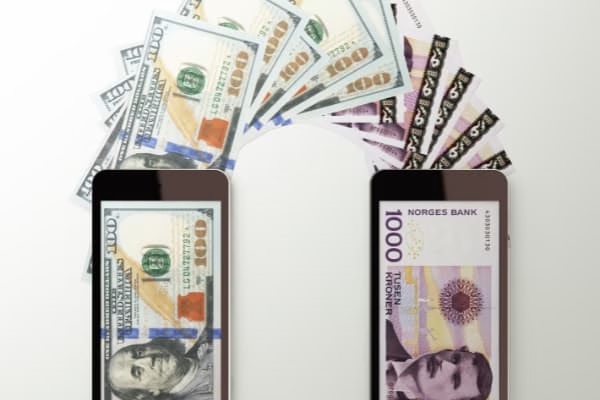
Cross-border payments are changing the way global businesses operate. Thanks to improved technology and digital tools, transferring money internationally is faster, cheaper, and more secure. These systems are no longer limited to large corporations. Today, small startups and medium-sized businesses also rely on cross-border payments to grow, reduce risk, and deliver better experiences for global customers.
Whether you’re expanding to new markets, paying international suppliers, or selling directly to foreign customers, the benefits of cross-border payments are clear. Here’s how your business can gain from using them:
Take Control of International Payments
Modern platforms offer better tracking and control over global transactions. You can monitor each payment step, from the time it’s sent until it arrives. Money transfer services provide tools that help small businesses monitor global money movement with real-time visibility.
Send Money Abroad Faster and Safer
Sending money internationally is now quicker and more reliable. Cross-border systems reduce delays and errors, making it easier to support overseas partners or send remittances to family. Security tools like fraud checks and transaction alerts also help keep funds safe. You can report fraud or suspicious activity at IdentityTheft website.
Lower Business Risk by Entering New Markets
Expanding into global markets spreads your business risk. If one region faces a slowdown, income from other areas can balance the impact. Cross-border payments support this by making it easy to receive and send money worldwide without heavy setup costs or complex banking rules.
Grow Your International Customer Base
By accepting payments from customers in other countries, you remove barriers to purchase. Your business becomes more accessible to global shoppers, helping boost sales and build brand recognition in new markets. Ticketing and travel-related services make it easier to coordinate with customers and partners abroad.
Handle Currency Exchange With Ease
Currency rates change often, which can affect your bottom line. Cross-border tools help you manage these changes better by offering real-time exchange rates, automatic conversions, and even locked-in rates. This reduces uncertainty and hidden fees. The FDIC Money Smart program can also help business owners better understand how currency impacts financial planning.
Supercharge Your Ecommerce Sales
Ecommerce businesses thrive when customers can pay in their local currency. Cross-border payment tools help you do that while ensuring a smooth checkout process. This reduces cart abandonment and increases customer trust.For personalized ecommerce payment solutions, contact Order Express to learn how we can support your global sales.
Access International Banking and Payment Tools
Businesses that use cross-border payments often gain access to extra financial services like global bank accounts, digital wallets, and flexible credit lines. These features help you manage cash flow, support growth, and compete more easily in global markets. Before offering cross-border payment services, businesses must ensure they are properly registered as a Money Services Business (MSB) with FinCEN and licensed at the state level if required.
Cross-border payments aren’t just a trend. They’re a must-have for modern businesses. From faster transactions to wider market reach, adopting these tools can open up powerful new growth opportunities worldwide.

Smart Tips for Managing Cross-Border Payments in Your Business
Running a small business in the global market can bring exciting growth, but only if your cross-border payments are handled properly. If not managed well, international transactions can lead to delays, high costs, or even lost customers. Since each business has unique needs, choosing the right tools and strategies for handling global payments is essential. Here are practical, easy-to-follow tips to help your business succeed with international payments securely, efficiently, and affordably.
Tip #1: Know Your Customer’s Favorite Payment Method
Customers across different countries prefer different ways to pay. In the U.S. and Canada, digital wallets like PayPal are common. In contrast, shoppers in China often rely on platforms like WeChat Pay or Alipay. If your checkout system supports these local favorites, you’ll reduce drop-offs and abandoned carts. Check cashing and payment solutions also support local preferences.
Tip #2: Use Multi-Currency Accounts for Easier Payments
Currency challenges are one of the biggest pain points in cross-border transactions. If your customer pays in their currency and your system doesn’t support it, payments may fail. To avoid that, use a multi-currency business account or a payment gateway that handles many currencies. These tools let you accept payments in your customer’s local currency while settling in your preferred one. It simplifies accounting, speeds up settlements, and reduces currency conversion losses. Some platforms even offer real-time exchange rates or the ability to lock in rates to avoid volatility. When customers see pricing in their own currency, it creates a more user-friendly and trusted shopping experience. This small upgrade can make a big difference in international sales performance. Also, remember that all financial records related to cross-border transactions must be retained for at least five years to comply with BSA recordkeeping requirements.
Tip #3: Secure Large Transfers With Trusted Payment Systems
When moving large sums of money internationally, especially in B2B you need top-tier security and reliability. SWIFT and CHIPS networks are built specifically for this. These systems are essential for businesses dealing with overseas suppliers or corporate clients. Large international transfers may be subject to suspicious activity monitoring. You can learn more about compliance and support at the Consumer Financial Protection Bureau (CFPB).
Tip #4: Cut Costs by Reducing Cross-Border Fees
One of the most common issues with cross-border payments is the high cost. Banks often charge heavy fees for international transfers and these can add up fast.Some platforms help businesses access affordable payment alternatives. You can also explore nonprofit partners like the National Immigration Law Center (NILC) for community-focused financial support options. Internally, all suspicious activity must be reported to the Order Express Compliance Department according to company policy.
Tip #5: Follow All Global Payment Compliance Rules
Every international transaction must comply with both local and foreign regulations. This includes anti-money laundering laws, know-your-customer (KYC) checks, and transaction reporting. Non-compliance can result in fines, frozen funds, or loss of business credibility. It’s important to research the regulations in every market where you do business. Understanding and following these laws builds trust and protects your brand. It also ensures that your transactions go through smoothly without being flagged or delayed. OFAC compliance is also essential. U.S.-based businesses are prohibited from engaging in financial transactions with individuals or entities listed on OFAC’s Specially Designated Nationals (SDN) list. Screening against sanctions lists is a required part of any cross-border payment program. Many payment platforms offer built-in compliance tools that help automate and simplify this process. Still, it’s smart to stay informed and work with a compliance expert if needed. Good compliance practices don’t just protect your business, they strengthen customer confidence too.
Choose Payment Platforms With Strong Customer Support
When working with global payments, issues can arise due to time zones, currencies, or technical errors. Choose payment platforms that offer customer support and strong documentation that demonstrates the benefit of responsive service when dealing with complex or urgent delivery/payment issues.
Conclusion
Cross-border payments are no longer a luxury, they’re a business essential. From reaching new customers to managing suppliers globally, they unlock growth and improve efficiency. With the right tools, businesses can reduce costs, streamline operations, and offer better experiences for international clients. Whether you’re a startup or a growing company, leveraging secure, flexible, and fast global payment systems is key to long-term success. Now is the time to take action: choose the best cross-border payment methods for your market, ensure compliance, and stay ahead in the global economy. If your business is affiliated with Order Express, make sure you follow all internal reporting procedures and use the BSA E-Filing system for any required CTR or SAR filings. Remember that SAR filings are strictly confidential and must not be disclosed to customers or any other unauthorized parties.
Frequently Asked Questions
1. What are cross-border payments in business?
Cross-border payments are money transfers made between parties in different countries. These include purchases, remittances, and supplier payments.
2. Why should small businesses use cross-border payments?
They help small businesses expand globally, reach more customers, reduce risk, and simplify payments across various currencies and markets.
3. Are cross-border payments safe for international businesses?
Yes, when using trusted systems like SWIFT or licensed digital platforms. Added security tools reduce fraud and improve transaction reliability.
4. What are the main types of cross-border payments?
Wholesale payments are for banks and institutions. Retail payments serve individuals and businesses for everyday transactions across countries.
5. How can businesses reduce cross-border payment fees?
Use digital platforms over banks to lower transaction costs. These tools also offer better exchange rates and faster settlement options.

John is a Content & SEO Specialist who enjoys breaking down complex financial topics, like cross-border payments and money transfers, into content that’s easy to understand. He focuses on creating practical, search-driven content that helps people find answers and make informed decisions.


