 Skip to content



Travel plans do not always go as expected. A family emergency, schedule conflict or airline disruption can quickly turn a simple booking into a complicated situation. Understanding airline ticket policies before you travel may help you avoid unnecessary expenses and make more informed decisions when plans change.
Many travelers also need to prepare for related financial transactions before departure. This may include exchanging currency, sending money to family abroad or purchasing money orders for travel-related expenses. Whether you are planning an international trip or searching for services near you, understanding airline ticket rules is an important part of travel preparation.
Order Express is a licensed Money Services Business (MSB) that provides services including money transfers, money orders and currency exchange through participating locations, subject to applicable federal and state regulatory requirements.
Plane ticket policies are the rules that govern refunds, cancellations, schedule changes, travel credits and passenger responsibilities. These policies vary by airline, fare type and route, making it important to review ticket details before completing a booking.
While this guide summarizes common airline ticket practices, individual airline policies may differ. Travelers should always review the fare rules provided during booking and consult the airline directly for the most current information regarding cancellations, refunds, schedule changes and passenger rights.
Understanding Airline Ticket Rules And Fare Types
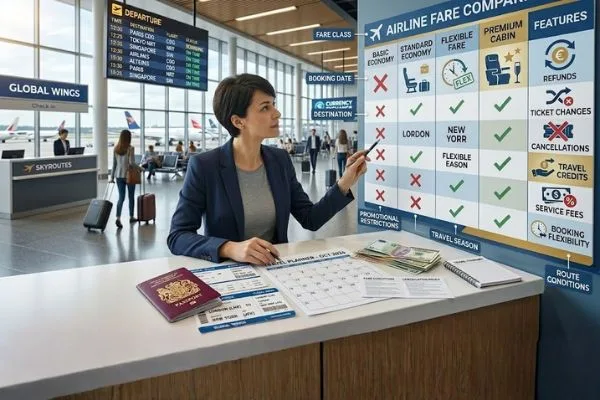
Airline ticket policies depend heavily on the fare purchased. Travelers comparing booking options may also review available plane ticket services when planning upcoming trips. Understanding the differences between ticket types helps travelers select options that align with their budget, flexibility needs and travel goals.
Refundable And Non-Refundable Ticket Basics
Refundable tickets generally provide greater flexibility when travel plans change. Depending on airline rules, travelers may qualify to receive money back after canceling an eligible reservation.
Non-refundable tickets often have lower upfront costs. However, these fares usually include restrictions regarding cancellations, refunds and itinerary modifications. In many situations, airlines issue travel credits instead of direct refunds.
Before purchasing any airline ticket, review:
- Refund eligibility
- Cancellation windows
- Travel credit policies
- Ticket expiration rules
- Applicable service fees
Travelers frequently compare ticket prices without fully reviewing the fare conditions. While lower-cost tickets may appear attractive initially, additional restrictions can affect future flexibility.
Many travelers researching airline policies also spend time learning about the factors that influence refund eligibility under different booking scenarios. Understanding those considerations before purchasing may help reduce unexpected costs later.
Refundable tickets often appeal to business travelers, families managing uncertain schedules and travelers coordinating multiple flight segments.
Understanding Flexible Fare Options
Flexible fares are designed to provide additional booking freedom. These fares often allow changes with fewer restrictions than promotional or basic economy tickets.
The value of flexibility depends on several factors, including travel frequency, destination requirements and the likelihood of schedule changes.
Travelers commonly compare:
- Basic economy fares
- Standard economy fares
- Flexible economy options
- Premium cabin tickets
Each fare category carries different rules regarding cancellations, rebooking and itinerary modifications.
A flexible fare may cost more upfront, but the additional flexibility can become valuable if travel plans change unexpectedly. This consideration becomes particularly important for international travelers who may encounter changing entry requirements, connecting flight adjustments or personal scheduling conflicts.
Understanding fare differences may also help travelers allocate funds more effectively across other travel expenses, including lodging, transportation and currency exchange needs.
How Airlines Apply Ticket Conditions
Every airline publishes its own fare conditions. These rules determine how tickets can be used, modified, canceled or exchanged.
Common policy factors include:
- Booking date
- Destination
- Travel season
- Fare class
- Promotional restrictions
- Route-specific conditions
Even flights operating on similar routes may have significantly different ticket rules.
Travelers often benefit from reviewing ticket conditions before payment rather than after a problem occurs. Reviewing important travel and financial decisions in advance aligns with principles reflected in FDIC consumer financial education resources. Understanding these details in advance can help reduce confusion when plans change unexpectedly.
Many customers also spend time learning about passenger rights, airline responsibilities and available options during travel disruptions. These topics often require separate consideration because policies vary widely among airlines and travel circumstances.

Refunds, Changes And Common Airline Ticket Issues
Refunds and ticket changes are among the most common concerns travelers face. While policies differ by airline, understanding the basics can help travelers respond more effectively when plans change.
Refund Eligibility And Travel Credits
Refund eligibility depends on the airline, fare type, booking conditions and the reason for cancellation. Some refunds may also be affected by applicable consumer protection regulations, depending on the country where the ticket was purchased or where the flight operates.
Some travelers assume that canceling a flight automatically results in a refund. In reality, outcomes often depend on the specific conditions attached to the ticket.
Possible outcomes may include:
- Full refunds
- Partial refunds
- Travel credits
- Flight vouchers
- Rebooking options
Travel credits often provide future value, but they may include expiration dates, route restrictions or passenger limitations. Travelers should review all applicable conditions before accepting a credit, including expiration dates, eligible routes, transfer restrictions and any applicable fare differences. Reviewing the airline’s published fare conditions before accepting a travel credit may help travelers better understand future booking options.
When evaluating airline policies, it is important to understand how refund requests are handled under different circumstances. Airline-initiated schedule changes may follow different rules than voluntary cancellations requested by travelers.
Understanding these distinctions may help travelers make more informed decisions before purchasing tickets with varying levels of flexibility.
Ticket Changes And Cancellation Options
Many airlines now offer more flexibility regarding ticket changes than in previous years. However, change-related costs still affect many bookings.
A ticket change generally involves two separate considerations:
- Whether the change is permitted
- Whether the replacement itinerary costs more
Even when airlines waive change fees, travelers may still pay fare differences if the new flight carries a higher price.
The total cost of a change may depend on:
- Travel dates
- Route demand
- Seat availability
- Fare category
- Booking timing
Travelers often research whether non-refundable tickets can still be changed or canceled under certain conditions before booking. Understanding these differences may help travelers balance upfront savings against future flexibility.
Some airlines also apply different rules to domestic and international itineraries. Reviewing those distinctions before booking can help travelers avoid misunderstandings later.
Name Corrections, Delays And Passenger Rights
Accurate passenger information plays an important role in air travel.
Airlines generally require the name on a ticket to match the traveler’s identification documents. Minor spelling corrections may be permitted under certain circumstances, while larger changes often require additional review.
Travelers should verify:
- Full legal name
- Date of birth
- Passport information
- Contact details
Name-related discrepancies can create complications during check-in and boarding. Understanding how airlines handle name corrections and passenger information discrepancies may help travelers avoid unnecessary disruptions.
Flight delays and cancellations also represent common travel challenges. Weather conditions, operational issues and scheduling adjustments can affect itineraries without warning.
Travelers often benefit from understanding what happens when flights are delayed or canceled and what rebooking options may be available. The specific outcome depends on airline policies, itinerary details and the circumstances surrounding the disruption.
Compliance-Aware Travel Information
Airline passenger protections vary by carrier, destination and applicable regulations. Travelers should consult the airline’s official customer service policies and applicable government consumer resources for the most accurate information regarding delays, cancellations and compensation eligibility. Travelers should review official airline terms and relevant consumer resources before making decisions based on refund or compensation expectations.
Policies governing refunds, schedule changes and travel disruptions often differ across jurisdictions. Understanding available options before travel may help reduce confusion if unexpected situations arise.
Travelers researching airline ticket policies frequently seek more detailed information regarding passenger rights, airline obligations and disruption-related procedures. These topics often warrant deeper exploration beyond a general overview.

Preparing For Travel And Related Financial Services
Travel preparation involves more than booking a plane ticket. Many travelers also need access to financial services before departure, especially when traveling internationally.
Currency Exchange Before Your Trip
International travelers often obtain foreign currency before arriving at their destination. Access to local currency may help cover immediate expenses such as transportation, meals or other incidental costs after arrival. Availability of currencies, exchange rates and transaction terms vary by provider and location.
Finding a reliable currency exchange location near you may help simplify travel preparation and reduce last-minute stress. Many travelers prefer obtaining at least some local currency before departure for transportation, meals and immediate expenses upon arrival.
When evaluating exchange options, consider:
- Available currencies
- Exchange rate trends
- Service fees
- Location convenience
- Transaction timing
Exchange rates offered by financial service providers may include a margin or spread in addition to prevailing market rates. The exchange rate available to customers may differ from publicly quoted market rates and can change without notice based on market conditions.
Currency conversion outcomes depend on market conditions at the time of the transaction. Travelers who monitor exchange-rate movements can reference Federal Reserve exchange rate data for broader market context. Rates can change throughout the day due to economic activity, market demand and global events. Broader economic influences on currency values are discussed through the U.S. Treasury exchange rate policy guidance.
Many travelers also spend time comparing currency exchange options across different providers before making a transaction. Understanding those differences may help support more informed decisions.
Money Transfers And Travel-Related Transactions
Travelers sometimes require money transfer services before or during a trip.
Common situations include:
- Sending emergency funds
- Supporting family members abroad
- Managing unexpected travel expenses
- Providing assistance during travel disruptions
Transaction outcomes depend on destination, payment method and provider requirements.
Travelers often explore financial service options before departure so they understand available resources if circumstances change while traveling. Additional consumer guidance is available through the Consumer Financial Protection Bureau’s resources on sending money abroad. Planning ahead may help reduce stress during emergencies.
Many customers also benefit from understanding how service availability varies by location and demand when comparing money transfer options.
Retail Financial Services Near You
Many travelers search for nearby financial service locations that offer multiple transaction solutions in one place.
Depending on location, available services may include services available through Order Express retail financial services, such as:
- Currency exchange
- Money transfers
- Money orders
- Bill payment services
- Check cashing services
operates as a licensed Money Services Business (MSB) and provides regulated financial services in accordance with applicable federal and state requirements. Customer identification, recordkeeping and transaction monitoring requirements may vary depending on the service provided and applicable regulations. The company provides services that include money transfers, money orders and currency exchange through participating locations.
As a registered MSB, Order Express follows applicable requirements associated with customer verification, recordkeeping and transaction monitoring.
More broadly, Money Services Businesses operate within regulatory frameworks that may include FinCEN requirements and Bank Secrecy Act obligations. Customers seeking additional service information before a transaction can review Order Express customer support information.
Before visiting a location, customers may benefit from:
- Checking available services
- Confirming identification requirements
- Reviewing accepted payment methods
- Preparing recipient information
- Verifying transaction details
Travelers planning international trips often find value in preparing both travel and financial transactions before departure.
Key Takeaways
- Airline ticket rules vary significantly by carrier, fare type and the circumstances surrounding booking changes.
- Refund eligibility often depends on ticket conditions, cancellation timing and airline-specific fare restrictions.
- Travel credits may provide future value but frequently include expiration dates and additional usage limitations.
- Passenger information issues and travel disruptions often require careful review of airline policies before action.
- Exchange rates may fluctuate over time and provider spreads can affect final transaction outcomes significantly.
- Preparing travel and financial transactions in advance may help reduce delays before international departures.
Frequently Asked Questions
Q: How Far In Advance Should I Review Airline Ticket Rules?
A: Review fare conditions before completing your booking. Understanding restrictions early may help avoid unexpected costs later.
Q: Do Airlines Always Provide Travel Credits Instead Of Refunds?
A: No. The outcome depends on the ticket type, airline policy and specific circumstances surrounding the cancellation.
Q: Can Airline Policies Differ On Similar Routes?
A: Yes. Different airlines often apply different fare rules, refund conditions and change policies on comparable routes.
Q: Why Should Travelers Compare Currency Exchange Providers?
A: Rates, fees and service availability vary between providers, which may affect overall transaction costs.
Q: What Documents Are Commonly Required For Financial Transactions?
A: Requirements vary by provider and service. Government-issued identification is commonly required for many transactions.
Q: Where Can I Find An Airline’s Official Ticket Policy?
A: Most airlines publish fare conditions, cancellation policies and passenger rights on their official websites during the booking process and within their customer support or travel policy sections. Reviewing these resources before purchasing may help travelers understand applicable restrictions.
Conclusion
Understanding airline ticket policies may help travelers make more informed decisions before booking and when plans change. Refund eligibility, cancellation terms, travel credits and passenger responsibilities differ across airlines and fare types. Reviewing ticket conditions before purchase may help reduce unexpected costs and improve travel flexibility.
Travel preparation also extends beyond airfare. Many international travelers need access to currency exchange, money transfers and other retail financial services before departure. Exchange rates, fees and transaction outcomes vary based on provider, timing and location. By planning ahead and reviewing available options, travelers can approach both their travel arrangements and financial transactions with greater confidence. Order Express supports customers through licensed Money Services Business operations that provide access to services commonly used before and during international travel.
To learn more about available services, locate a participating Order Express location or review current exchange rate information before completing your transaction.
Disclaimer: This article is provided for general informational purposes only and should not be interpreted as legal, financial or travel advice. Airline policies, exchange rates, fees, service availability and regulatory requirements may change over time. Travelers should consult the applicable airline and financial service provider for information relating to their specific circumstances before making travel or financial decisions.

John is a Content & SEO Specialist who enjoys breaking down complex financial topics, like cross-border payments and money transfers, into content that’s easy to understand. He focuses on creating practical, search-driven content that helps people find answers and make informed decisions.


