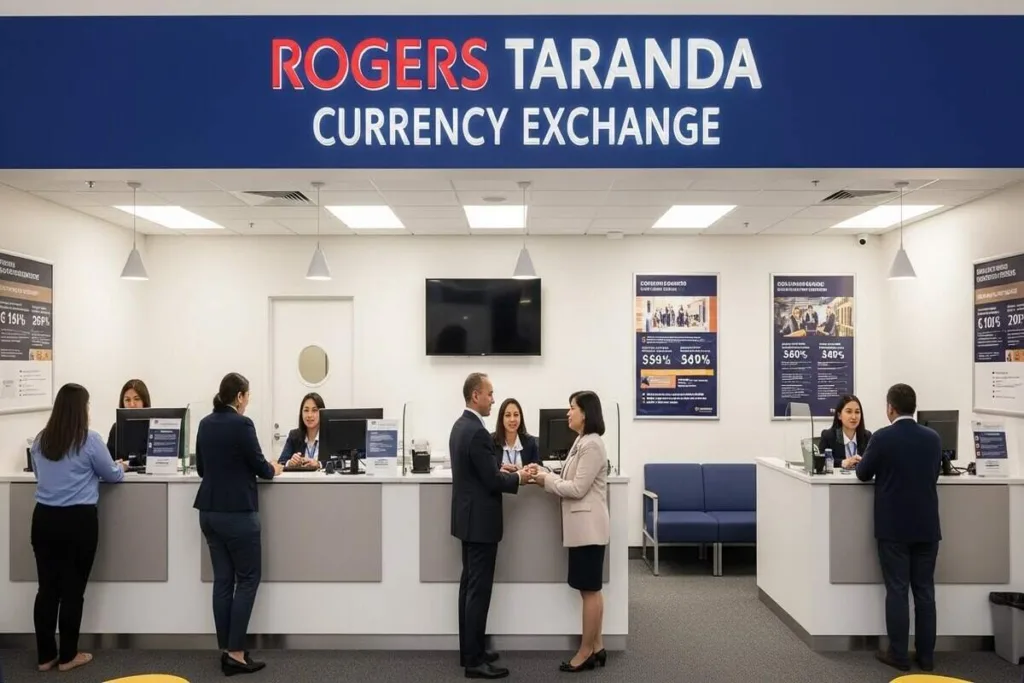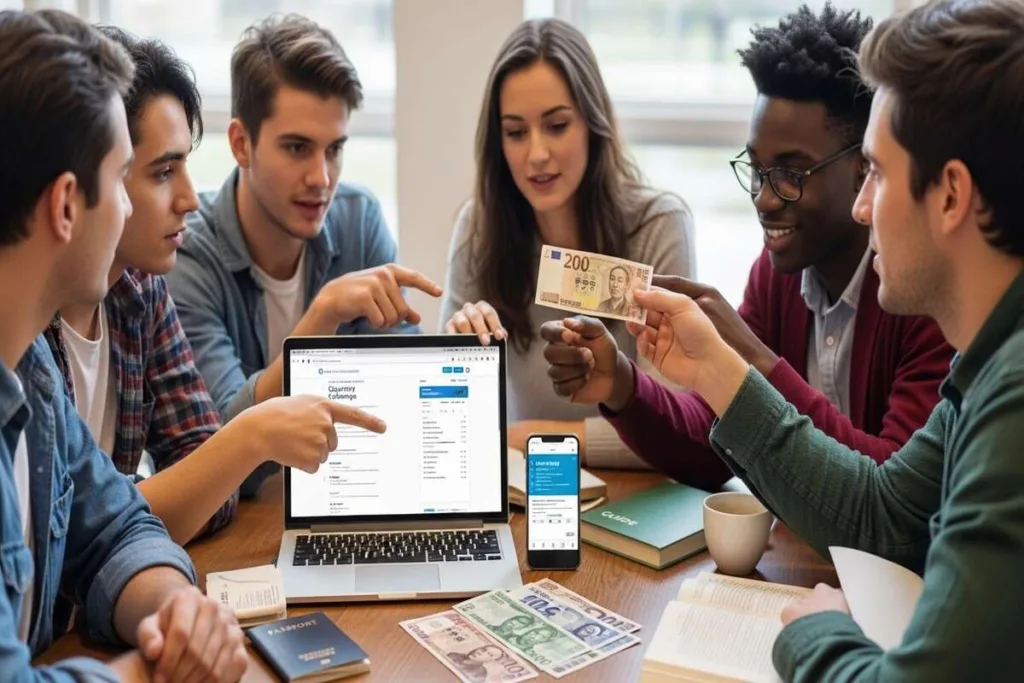
Students handle currency exchange for study abroad by using in-person services and managing cash transactions strategically abroad. They rely on physical exchange locations and local financial access points to ensure smooth and reliable money management overseas. For foundational guidance on retail currency transactions, explore this overview of currency exchange services for consumers.
For example, students handle currency exchange for study abroad by exchanging small amounts before departure, using ATMs abroad, and relying on regulated exchange providers.
Note: Currency exchange services in the United States are typically provided by Money Services Businesses (MSBs) registered with FinCEN and subject to Anti-Money Laundering (AML) program requirements, including customer identification and transaction monitoring.
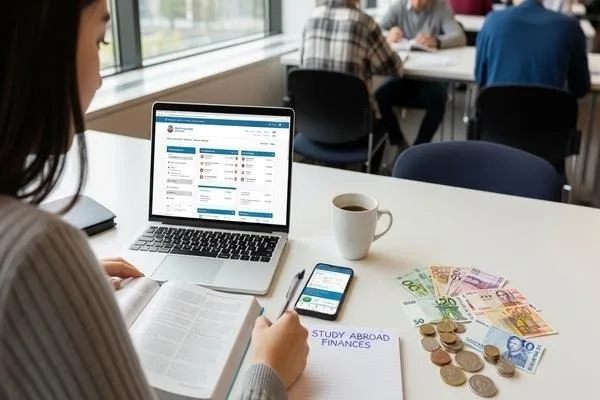
How Students Prepare For Currency Exchange Before Studying Abroad
Students start their study abroad journey by exchanging currency in person before departure, ensuring they have cash for immediate expenses like transport and meals. This preparation builds confidence, reduces uncertainty, and supports smoother financial management abroad.
When using regulated financial service providers such as money services businesses, students should be aware that certain transactions may require identity verification or recordkeeping under federal regulations, including the Bank Secrecy Act. These requirements apply based on transaction type and amount, regardless of how funds are divided. This is a regulatory safeguard and separate from general budgeting advice. More details on financial education can be found through the FDIC Money Smart program.
Visiting Local Exchange Counters For Initial Currency Needs
Students prepare for their trip by visiting local exchange counters to secure destination currency before departure. This in-person approach gives them immediate access to cash, helping them handle essential expenses without delays upon arrival. It also reduces uncertainty, allowing students to start their study abroad journey with greater financial confidence.
Key reasons for this step include:
- Immediate access to local currency for transportation, meals and basic needs
- Easier transactions through smaller denominations for daily spending
- Reduced reliance on finding exchange services right after arrival
- Better control over initial budgeting in a new environment
It is important to note that licensed currency exchange providers may request identification depending on the amount exchanged. Federal regulations require financial service providers to verify customer information in certain situations. Exchanging smaller amounts for convenience does not remove regulatory obligations, as transactions may be reviewed individually or in combination under applicable rules. By exchanging a portion of funds early, students create a smoother transition into their host country’s financial system.
Preparing Sufficient Cash For Arrival Expenses
Students calculate expected arrival expenses and exchange enough funds to cover transportation, accommodation and essential purchases. They avoid exchanging excessive amounts to maintain flexibility and reduce the risks associated with carrying large amounts of cash during international travel.
Understanding Exchange Procedures At Physical Locations
Students learn how in-person exchange services operate, including identification requirements and transaction verification steps. This awareness helps them complete exchanges confidently and accurately while reducing confusion or errors when handling foreign currency at physical service locations. For additional consumer protection guidance, refer to the CFPB consumer tools.
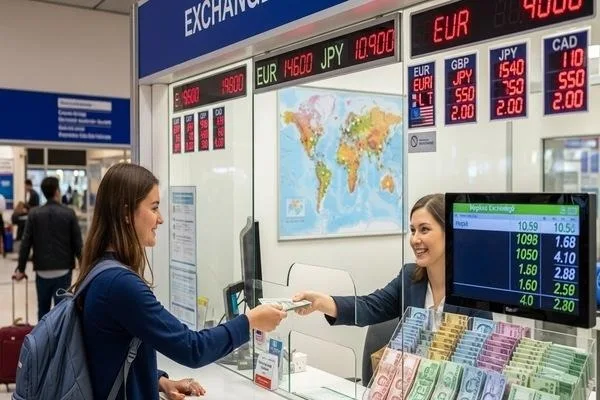
How Do Students Manage Exchange Through In-Person Access Abroad
Students manage currency exchange abroad by relying on physical access points that provide immediate and practical control over their finances. These in-person methods allow students to withdraw, convert and spend local currency based on real-time needs during their stay. By using automated teller machines, visiting exchange bureaus and handling cash transactions carefully, they maintain flexibility while avoiding unnecessary complications.
This approach ensures that students can adapt quickly to daily expenses, stay within budget and navigate unfamiliar financial environments with greater confidence. Students can explore available currency exchange services to better understand in-person options before traveling.
Using Automated Teller Machines For Local Currency Access
Students withdraw local currency from automated teller machines throughout their host country to cover daily expenses. They choose secure locations such as bank branches or commercial areas to ensure safety while accessing funds conveniently without carrying large amounts of cash. Insights on exchange rate trends can be reviewed through the Federal Reserve H.10 exchange rate data.
Visiting Exchange Bureaus For Additional Conversions
Students rely on exchange bureaus in their host country when they need to convert more funds into local currency. These locations provide immediate access to cash, making them a practical option for managing ongoing expenses. By using in-person services, students can handle transactions directly and avoid delays when funds are urgently needed.
Here are key practices to follow:
- Compare exchange rates across multiple bureaus before completing any transaction
- Choose locations in secure and well-known areas such as commercial centers or near banks
- Request clear breakdowns of the amount received before finalizing the exchange
- Convert only what is needed to maintain flexibility and reduce excess cash handling
Students should also understand that licensed exchange bureaus in the United States operate under federal anti-money laundering regulations. These rules may require identification, transaction monitoring, or reporting when certain thresholds are met. These safeguards apply independently of personal budgeting decisions. Additional regulatory context is available through FinCEN guidance resources. Taking time to evaluate options helps students get better value from each transaction while abroad.
Note: Transaction decisions should not be made to avoid regulatory thresholds or reporting requirements.
Paying In Cash For Everyday Transactions Abroad
Students rely on cash for daily expenses such as transportation, food and academic-related purchases while studying abroad. They carry only necessary amounts and organize funds carefully to maintain security and support consistent financial management in unfamiliar environments.
While carrying limited cash can reduce personal risk, students should remember that regulated financial institutions in the United States follow reporting and recordkeeping rules for certain cash transactions. These rules are based on transaction activity and are not influenced by how a customer chooses to structure personal spending. Students can also locate nearby service offices through branch locations when planning in-person transactions.
Key Takeaways
- Students handle currency exchange by using in-person services before departure and physical access points throughout their study abroad experience.
- Local exchange counters provide immediate foreign currency, helping students cover essential expenses upon arrival in their destination country.
- Automated teller machines allow students to withdraw local currency safely and conveniently without carrying large amounts of cash.
- Exchange bureaus offer additional currency conversion options, allowing students to manage funds flexibly while studying abroad.
- A cash-based approach supports better spending control and ensures practical financial management in unfamiliar environments abroad.
Conclusion
Students handle currency exchange for study abroad by relying on in-person services and physical access to funds throughout their journey. This approach allows them to secure local currency, manage expenses effectively and maintain control over their finances while adapting to a new environment. By using exchange counters, automated teller machines and local bureaus, students ensure they always have access to the funds they need. When using a regulated currency exchange provider in the United States, services are subject to federal laws including the Bank Secrecy Act and related anti-money laundering regulations. These laws may require identity verification, transaction monitoring, and reporting based on transaction thresholds. These regulatory requirements are separate from general travel budgeting strategies.
Prepare for your study abroad journey today by reaching out through thencustomer support team to access fast, secure and reliable in-person currency exchange services.
Disclaimer: This content is for informational purposes only and does not constitute financial advice or specific service recommendations. Financial service providers in the United States may be subject to federal and state regulatory requirements, including customer identification and transaction reporting obligations, depending on the nature and amount of a transaction.
FAQs
Should students exchange money before leaving for study abroad?
Yes, students should exchange a small amount before departure to cover immediate expenses upon arrival.
Where can students exchange currency abroad?
Students can visit local exchange bureaus or use automated teller machines to access or convert currency abroad.
Is it safe to carry cash while studying abroad?
Students should carry limited amounts of cash and store the rest securely to reduce potential risks.
How often should students exchange currency abroad?
Students exchange currency as needed, based on spending patterns and available funds during their stay.
Why do students use exchange bureaus abroad?
Students use exchange bureaus for quick, in-person currency conversion when they need additional local funds.
John is a Content & SEO Specialist who enjoys breaking down complex financial topics, like cross-border payments and money transfers, into content that’s easy to understand. He focuses on creating practical, search-driven content that helps people find answers and make informed decisions.