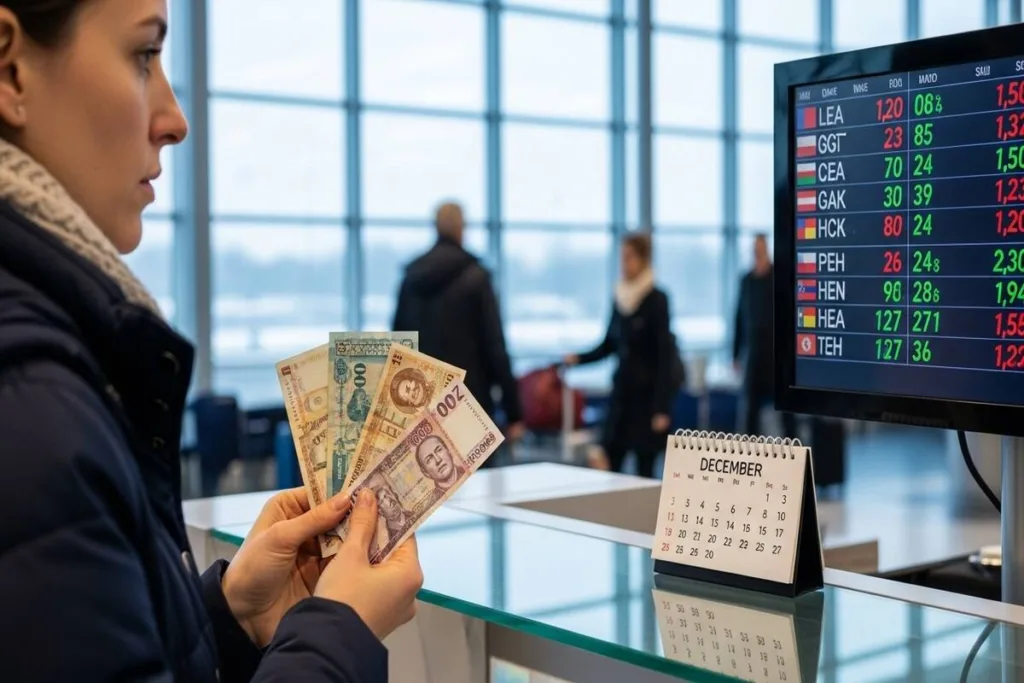
Seasonal trends impact currency exchange demand by creating predictable fluctuations in transaction volumes throughout the year. These patterns directly influence when individuals and businesses convert funds based on travel cycles and commercial activity peaks. For broader retail guidance, explore currency exchange services for consumers.
Note: Currency exchange services are provided in accordance with applicable U.S. regulations, including the Bank Secrecy Act (BSA) and Anti-Money Laundering (AML) requirements. Customers may be required to provide identification and transaction details to comply with federal and state regulations.
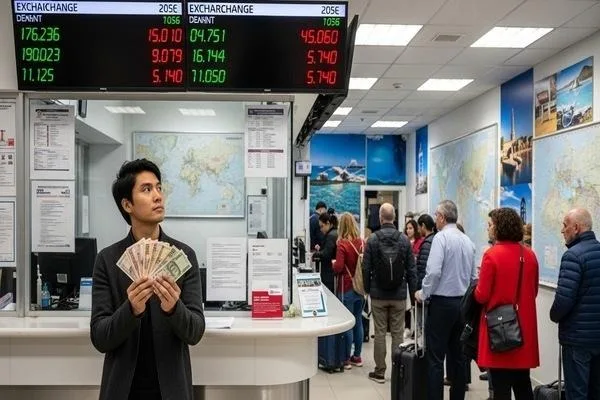
How Travel Seasons Shape Currency Exchange Demand Patterns
Travel activity strongly influences currency exchange demand, especially during peak global travel periods each year. As individuals prepare for international trips, they convert funds based on timing, destination and expected expenses abroad.
This creates predictable demand cycles linked to holidays, school breaks and major events. Understanding these patterns helps users anticipate peak periods, plan transactions efficiently and avoid delays from sudden demand surges.
Holiday Travel Periods Increase Short-Term Demand Spikes
Holiday travel seasons trigger sharp increases in currency exchange demand as travelers prepare funds for international spending. These demand surges commonly align with year-end holidays, summer vacations and major global celebrations. As more people plan trips simultaneously, currency exchange activity becomes more concentrated across short periods.
Key drivers include:
- Increased outbound travel during peak holiday seasons across popular international destinations
- Last-minute currency conversions as travelers finalize trip preparations before departure
- Higher transaction volumes across exchange providers within limited timeframes
- Greater pressure on service availability and processing efficiency during peak demand periods
As travelers exchange funds closer to departure dates, demand intensifies within narrow windows across multiple service channels. This pattern creates predictable spikes that impact pricing spreads, processing speed and overall transaction experience. Planning ahead allows individuals to avoid peak congestion and secure more efficient currency exchange transactions. Seasonal demand patterns may influence service availability and pricing conditions, but they do not change regulatory frameworks outlined by the Federal Reserve exchange rate data.
School Breaks And Summer Seasons Sustain Higher Transaction Volumes
School breaks and summer travel extend currency exchange demand as more people travel internationally over longer periods. This creates steady transaction flows rather than short spikes, leading to higher average volumes across weeks or months. Service providers anticipate these patterns and adjust operations to manage increased demand efficiently. Consumers can also improve financial readiness by reviewing tools from the FDIC Money Smart program.
Major Events And Festivals Create Localized Demand Increases
Major events and festivals drive localized currency exchange demand as international travelers gather in specific destinations. These occasions create short-term surges that may not follow broader seasonal trends but still impact transaction volumes. Since many travelers exchange funds close to arrival, demand becomes concentrated within narrow timeframes. Consumer awareness tools from the Consumer Financial Protection Bureau resources can help individuals better prepare for these situations.

Why Global Trade Cycles Drive Currency Exchange Demand Patterns
Business and trade cycles shape currency exchange demand by determining when companies convert funds for global operations. These patterns are driven by operational needs such as inventory purchases, supplier payments and financial reporting timelines. As industries move through retail peaks, harvest seasons and fiscal transitions, currency exchange activity increases.
Recognizing these cycles helps individuals and businesses anticipate demand shifts and plan transactions more effectively. While business cycles may affect transaction volumes, financial institutions must follow compliance obligations defined under the Anti-Money Laundering Act overview.
Retail Seasons Increase International Payment And Conversion Activity
Retail peak periods significantly increase currency exchange demand as businesses prepare for higher international transaction volumes. Companies actively convert funds to support inventory sourcing, logistics coordination and supplier payments across multiple global markets. These seasonal surges often align with year-end holidays and major promotional cycles, driving consistent spikes in cross-border financial activity.
Key drivers include:
- Increased inventory purchases from international suppliers to meet rising consumer demand
- Higher logistics and shipping payments requiring timely currency conversion
- Settlement of supplier invoices within strict seasonal deadlines
During these high-demand windows, businesses accelerate currency exchange to maintain smooth operations and avoid disruptions in supply chains. This results in predictable transaction volume increases that closely follow consumer purchasing behavior across global markets. Businesses looking for currency exchange services can better manage these periods with proper planning.
Agricultural And Production Cycles Affect Trade-Related Currency Flows
Agricultural harvests and production cycles drive currency exchange demand by determining when businesses handle export and import payments globally. These timelines vary by region but consistently trigger cross-border transactions during key periods each year. Exporters convert funds after receiving payments, while importers exchange currency to secure goods during peak production phases, creating predictable industry-driven demand patterns. Businesses can coordinate transactions more efficiently by connecting with nearby service locations.
Fiscal Year Transitions And Budgeting Cycles Impact Conversion Timing
Fiscal year transitions shape currency exchange demand as businesses close accounts and prepare budgets for upcoming operations. Although timelines differ by country, these periods consistently influence global transaction volumes. Companies adjust conversion timing to align with financial goals, tax planning and budget allocation, resulting in structured and predictable demand patterns. For additional support, customers can contact customer support to plan transactions effectively.
Key Takeaways
- Seasonal trends impact currency exchange demand through travel patterns and business cycles that create predictable transaction fluctuations annually.
- Travel and tourism cycles generate demand spikes during holidays, school breaks and major international events across global destinations.
- Business and trade cycles drive demand through retail seasons, production timelines and fiscal year transitions affecting cross-border payments.
- Understanding these patterns helps individuals and businesses plan currency exchange transactions more effectively and avoid peak congestion periods.
- Strategic timing based on seasonal trends can improve transaction efficiency and ensure smoother access to currency exchange services globally.
Conclusion
Seasonal trends shape currency exchange demand by aligning transaction activity with travel movements and business financial cycles. These predictable patterns help individuals and businesses anticipate when demand will increase or stabilize throughout the year. Understanding these mechanisms allows users to plan transactions more effectively and avoid peak congestion periods. Whether driven by tourism or trade, timing plays a critical role in ensuring smooth and efficient currency exchange experiences. For a broader overview, explore our guide on [Understanding Currency Exchange Services For Consumers] to strengthen your transaction strategy. Taking action with this knowledge helps you stay prepared and confident when managing international financial needs.
Planning ahead can help you navigate seasonal demand patterns with greater confidence. Consider timing your currency exchange with awareness of travel and business cycles to support a smoother transaction experience.
Disclaimer: This content is for informational purposes only and does not constitute financial or transactional advice. All currency exchange transactions remain subject to applicable federal and state regulatory requirements.
FAQs
Why does currency exchange demand increase during holidays?
Demand rises because more people travel internationally and need foreign currency for expenses, creating short-term transaction spikes.
Do businesses follow seasonal patterns in currency exchange?
Yes, businesses align currency conversions with retail seasons, production cycles and fiscal reporting timelines throughout the year.
Are summer months always peak periods for currency exchange?
Summer often sees higher demand due to travel, but patterns vary depending on regional tourism and local market behavior.
How do global events affect currency exchange demand?
Large events attract international visitors, increasing localized demand for currency exchange services within host regions.
Can planning around seasonal trends improve transactions?
Yes, timing exchanges outside peak periods can reduce delays and improve overall transaction efficiency.

John is a Content & SEO Specialist who enjoys breaking down complex financial topics, like cross-border payments and money transfers, into content that’s easy to understand. He focuses on creating practical, search-driven content that helps people find answers and make informed decisions.