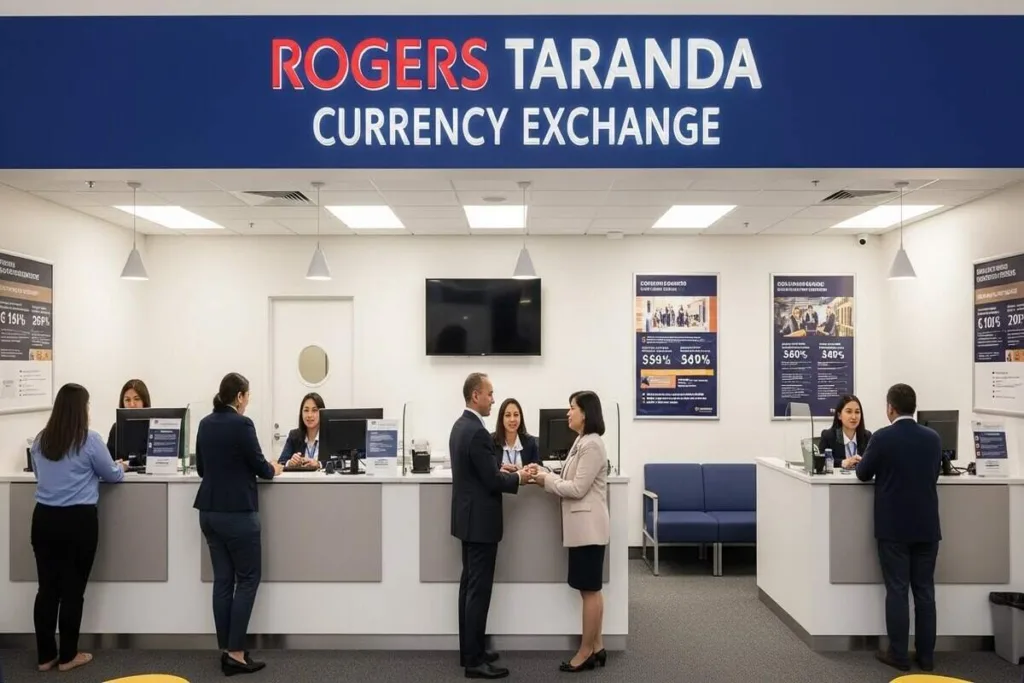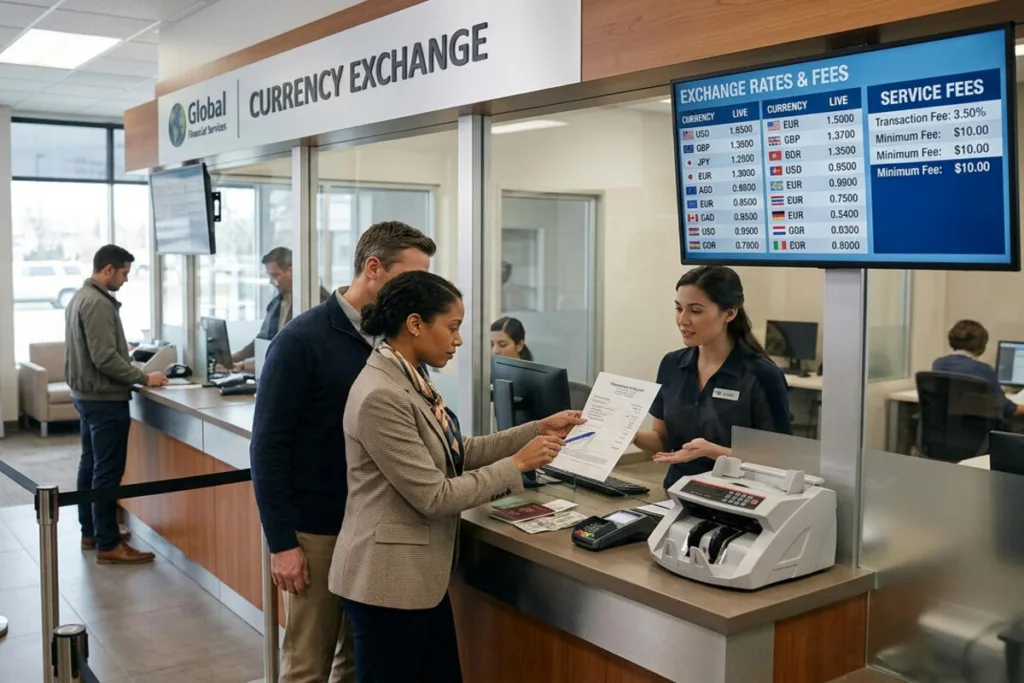
Exchanging money at a physical counter should feel straightforward, especially when fees appear clearly before payment. Many first-time customers worry about hidden charges because exchange rates and service fees often seem confusing at first glance. Providers such as Order Express structure their displays to separate the exchange rate, service charge and final payout in clear customer terms.
Clear exchange counters present the total cost before confirmation so customers understand exactly what they will receive. They show the applied rate, any flat or percentage fee and the final foreign currency amount in writing. This structured breakdown helps customers review each component carefully before agreeing to proceed with the transaction.
Knowing how fees appear on rate boards and printed receipts helps you evaluate transparency before committing funds. When the rate and service charge appear separately, you can confirm the numbers match the quoted total. For a broader explanation of rate calculations, review our guide explaining how everyday currency exchange services work.
What fee components appear on a currency exchange display?
Exchange counters show fees using structured rate boards, printed quotes and digital screens before customers confirm currency exchange services transactions. They separate the exchange rate from service charges so customers understand exactly what they are paying for these financial services. Clear counters avoid technical terminology and present totals in direct monetary figures instead of abstract pricing language often associated with financial services pricing.
Note: Customers have the right to review all transaction details before approval and may decline the transaction if terms are not clear.
How is the exchange rate displayed separately from fees?
Exchange counters display the exchange rate first so customers immediately see the price of one currency against another at that specific time. This rate reflects current market conditions and applies directly to the amount being converted during the transaction. Market movements referenced in pricing are publicly tracked according to Federal Reserve foreign exchange rate data.
Counters also distinguish between buy and sell rates so customers understand whether they are purchasing foreign currency or converting it back. This distinction prevents confusion because each direction of exchange carries a different applied rate. Broader policy context is outlined in the U.S. Treasury exchange rate policy overview.
Before completing the transaction, staff typically provide a printed or digital preview summarizing the applied rate and requested amount. This preview allows customers to confirm that the displayed rate matches the calculation used. Reviewing this document ensures the exchange rate stands independently from any listed service fee.
How do service fees appear on customer receipts?
Service fees appear either as a flat charge or as a percentage clearly labeled on the transaction quote. When displayed as a percentage, counters convert that percent into a specific monetary amount for clarity.
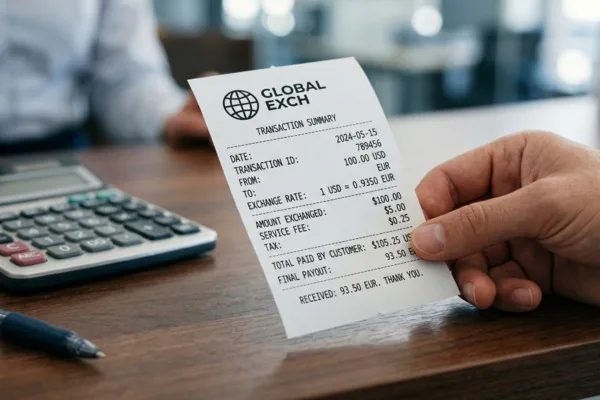
Most receipts itemize the fee directly beneath the applied exchange rate for transparency. This placement ensures customers see each cost component before reviewing the final payout amount. Consumer education initiatives such as the FDIC Money Smart financial education program reinforce the importance of reviewing transaction disclosures carefully.
The breakdown typically includes the following elements:
- The exchange rate used for calculation
- The gross amount provided by the customer
- The service fee in local currency
- The net foreign currency amount issued
Note: Exchange counters must present the rate and the fee as separate identifiable entries before transaction approval.

How do exchange counters explain total cost before confirmation?
Exchange counters calculate the final amount in front of the customer before asking for approval. They present a summary screen or printed ticket that shows total local currency paid and foreign currency received. This confirmation step allows customers to compare the rate and fee before committing funds.
If you need in-person assistance reviewing totals before completing a transaction, you can locate a nearby counter through the official Order Express branch locations.
What information appears on a transaction summary screen?
Transaction summary screens display three essential numbers customers must review carefully before confirming payment. These figures appear together on one screen or printed preview to prevent confusion. Presenting them simultaneously reduces misunderstanding and allows customers to compare values before committing funds.
These numbers typically include:
- The exchange rate applied to the transaction
- The service fee shown in local currency terms
- The final foreign currency amount the customer will receive
Counters position these figures prominently so customers do not search for hidden details when using exchange or money transfer services. Clear labeling and consistent formatting help first-time users interpret each figure without financial expertise. Staff usually point to each line item and verbally confirm understanding before processing payment.
This review step ensures customers agree with the total cost before authorizing the exchange.
How do counters avoid hidden or embedded charges?
Counters avoid hidden charges by presenting every deduction before calculating the final payout amount. They separate the exchange rate from any service fee so customers understand each pricing component clearly. They do not combine the fee into the rate without explaining how that rate was determined.
Financial institutions that provide exchange services must comply with federal reporting and compliance standards outlined by the Financial Crimes Enforcement Network. These legal obligations apply to regulated entities, not directly to customers.
Clear counters follow three practical disclosure principles:
- Show the gross calculation first
- Deduct the fee visibly
- Display the net amount clearly
By applying these steps consistently, counters reduce confusion and prevent unexpected differences at payment.
Note: Transparent counters always present the total payable and total receivable amounts before transaction authorization.
What questions should customers ask at the counter?
Customers should ask direct questions that focus specifically on how the total amount was calculated. Clear questions reduce misunderstandings and encourage staff to explain each component of the exchange.
Helpful verification questions include:
- What exchange rate are you applying today?
- Is there a flat fee or percentage charge?
- What total amount will I receive after fees?
These questions ensure the quoted numbers align with the displayed transaction summary. Customers should listen carefully and compare verbal explanations with the printed preview before payment. Clear answers should match the printed documentation without conflicting figures or unexplained adjustments.
What documentation confirms fee transparency?
Transparent exchange counters provide printed receipts that document every step of the calculation process clearly. The receipt serves as written confirmation of the agreed transaction details before and after payment. Customers should always request this documentation if it is not automatically provided at completion.
A compliant receipt should include the transaction date, the specific currency pair and the applied exchange rate. It must also display the exact service charge amount as either a flat fee or percentage. Consumer guidance on reviewing financial disclosures is also available through the Consumer Financial Protection Bureau consumer resources portal.
Customers should confirm that totals printed on the receipt match the summary reviewed before approval. Any discrepancy between the preview and final receipt should be clarified immediately with staff.
Note: A clear receipt must show the applied rate, the service charge and the final payout without bundled pricing.
Conclusion
Clear fee disclosure transforms a currency exchange from a confusing transaction into a confident financial decision.When counters separate the exchange rate, service fee and final payout, customers understand exactly what they receive. This structured transparency prevents surprises and allows you to verify every calculation before approving payment. Order Express follows this clear presentation model to ensure customers review accurate totals before completing transactions.
By checking the rate, confirming the fee and matching the payout, you stay in control. Before completing your next exchange, take a moment to review the rate, fee and final amount carefully. If anything appears unclear, ask the counter staff to walk through the calculation step by step.
Visit Order Express today and request a detailed transaction summary before finalizing your next exchange.
Disclaimer: This article provides general educational information about currency exchange fee presentation practices. Policies, disclosure formats and fee structures may vary depending on provider and local regulations.
Order Express is registered with the Financial Crimes Enforcement Network (FinCEN) as a Money Services Business (MSB) under the Bank Secrecy Act (BSA). We strictly follow Know Your Customer (KYC), Anti-Money Laundering (AML), and record retention requirements. These practices ensure that all financial transactions are secure, transparent, and compliant with federal and state regulations.
FAQs
How are exchange rates displayed at the counter?
Exchange counters display buy and sell rates clearly on boards or digital screens.
Is a service fee always charged separately?
Some providers list a separate fee while others include their margin within the rate.
What should I review before approving the exchange?
Review the applied rate, service charge and final payout amount carefully.
Can exchange rates change during my visit?
Rates can fluctuate, so confirm the printed summary matches the final calculation.
Why is the final payout different from my initial estimate?
Differences usually result from service fees or rate changes applied during calculation.

Alvin is a Content and SEO Specialist who creates clear and helpful content about money transfers and payment systems. He focuses on making complex topics easy to understand so readers can learn how these services work in everyday situations.