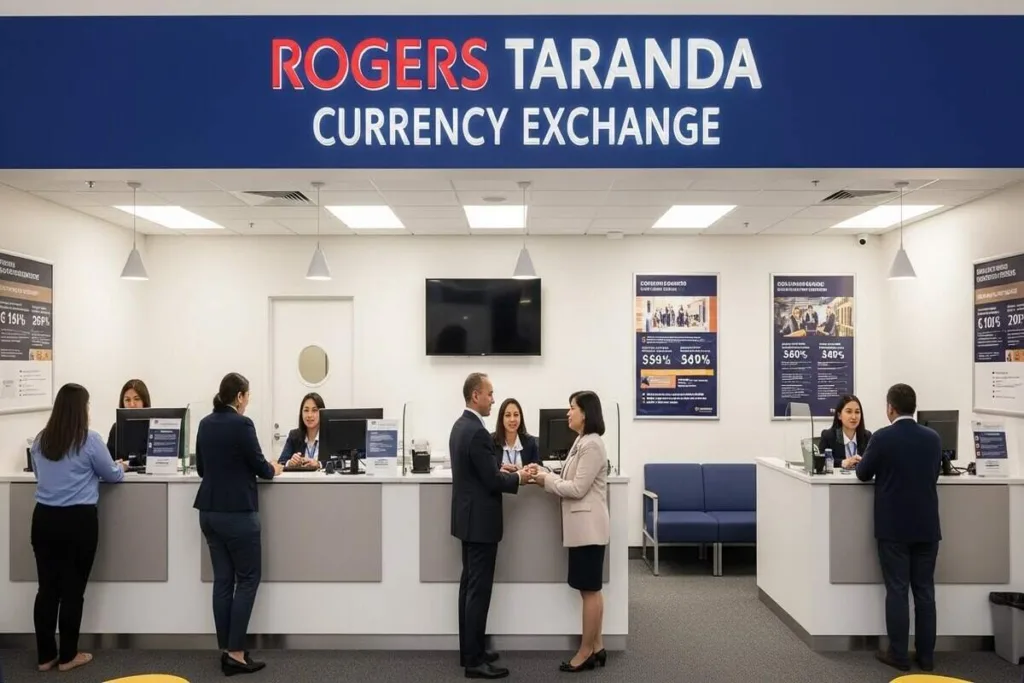
Currency exchange becomes essential whenever you must pay in a currency different from the one you currently hold. Understanding these situations helps you avoid payment delays, rejected transactions and unnecessary conversion costs during routine purchases.
If you are reviewing how exchange services function overall, visit our guide explaining how everyday currency exchange services work for foundational clarity. Below, you will find practical scenarios where exchanging money becomes necessary before completing everyday transactions.
When do daily purchases require local currency?
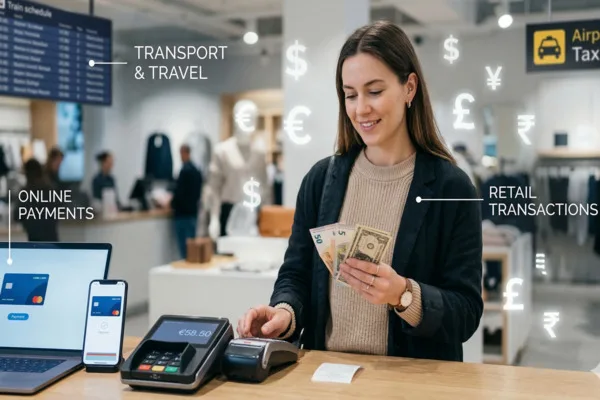
Daily purchases require local currency when merchants, transport systems or service providers refuse foreign denominations or cards. These situations arise most often in physical retail environments, public systems and small service providers that operate within domestic banking frameworks.
Retail transactions in physical locations
Retail stores often require payment in the national currency because their pricing systems operate through local banking infrastructure. When you attempt to use foreign cash, staff cannot process the transaction without converting funds first. In many cases, card terminals automatically convert payments, but conversion rates and foreign transaction fees may apply. Exchanging funds beforehand allows you to control the rate and avoid unpredictable point of sale conversion costs. According to Federal Reserve foreign exchange rate data, currency values fluctuate daily, which directly affects how much you ultimately pay at checkout.
If you need in person assistance before making retail purchases, you can review nearby service locations through the Order Express branch locator.
Note: Currency exchange becomes essential at retail when payment systems cannot process foreign cash or unsupported cards directly.
Public transportation and local services
Public transportation systems typically accept only the domestic currency for tickets, reloads and automated kiosks. Bus networks, metro stations and regional rail counters rarely process foreign banknotes or coins. Taxi operators and small service providers also prefer immediate settlement in local denominations to avoid banking complications.
Without exchanged currency, you risk delays or service refusal during routine commuting activities. Consumer guidance from the Consumer Financial Protection Bureau on sending money abroad explains how international transactions can involve added costs and timing considerations that affect everyday payments.
Small merchants and cash dependent businesses
Small merchants often operate on cash based systems that require immediate payment in domestic notes and coins. Street vendors, market stalls and independent cafés may not accept foreign banknotes under any circumstances. Even when merchants accept international cards, their terminals may decline transactions issued outside the country. Exchanging a modest amount beforehand ensures uninterrupted daily purchases in these settings. If you need help preparing funds in advance, you can contact a representative through the Order Express customer support page for guidance on available services.
When do digital payments require currency conversion?
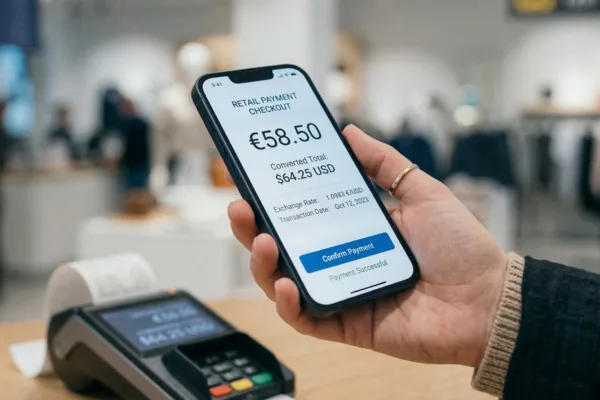
Digital payments require currency conversion when your account, wallet or card settles transactions in a different base currency. Even though transactions appear seamless, currency exchange still occurs behind the scenes and affects final spending amounts.
Cross border card transactions
Cross border card transactions trigger automatic currency exchange when you pay in a foreign denomination. Your card network converts the purchase amount into your home currency before settlement. The exchange rate applied may include markups or foreign transaction fees depending on your card agreement. Reviewing these terms beforehand helps you decide whether manual exchange offers better cost control. Educational materials from the FDIC Money Smart financial education program explain how financial institutions process transactions and apply related fees.
Note: Currency exchange remains essential for international card use because settlement occurs in your account’s base currency.
Online purchases from foreign websites
Online purchases from foreign websites often display prices in the seller’s local currency rather than yours. When you confirm payment, your bank converts the amount before posting the charge to your account. Exchange rates fluctuate daily, which means your final cost may differ slightly from the checkout estimate. Converting funds in advance can provide predictable budgeting for frequent international online spending.
For individuals who also send funds internationally, the Order Express money transfer service outlines how cross border transactions are processed.
Mobile wallets and digital banking apps
Mobile wallets and digital banking apps still rely on currency exchange when transactions cross currency boundaries. Some platforms offer multi currency balances, but most default to automatic conversion during checkout. If you maintain only one currency balance, the platform handles conversion at its internal rate. Reviewing conversion fees within your app prevents unexpected deductions during routine digital payments. Broader policy context on currency markets appears in U.S. Treasury exchange rate policy guidance, which explains how exchange rate frameworks operate at a national level.
Border crossings and entry fees
Border crossings and entry fees often require payment in the official currency of the destination country. Immigration counters and visa on arrival desks rarely accept foreign banknotes or unsupported cards. If payment fails at entry points, you may experience delays while searching for exchange facilities. Converting a small amount before arrival reduces stress during official processing procedures. Financial institutions that provide exchange services operate under federal compliance obligations, as outlined in the FFIEC BSA/AML examination manual, which governs institutional oversight rather than customer responsibilities.
Accommodation deposits and utility payments
Accommodation deposits and short term rental payments frequently require settlement in local currency at check in. Property managers prefer domestic denomination payments to simplify accounting and refund processing. Utility providers and local government offices also demand payment in the national currency only. Without prior exchange, you may struggle to finalize essential living arrangements promptly.
Note: Currency exchange becomes essential for deposits because institutions process refunds and records within domestic financial systems.
Areas with limited card acceptance
Areas with limited card acceptance require physical local currency for food, transportation and basic services. Rural towns and smaller neighborhoods may lack reliable internet connectivity for electronic processing. Even when card machines exist, they may reject foreign issued cards during system outages. Carrying exchanged cash ensures uninterrupted spending in regions with limited financial infrastructure.
In these unavoidable scenarios, preparing ahead protects you from operational delays and unfavorable last minute conversion rates. You can evaluate essential exchange needs by considering three practical questions before transacting:
- Does the merchant accept my current currency directly without additional conversion?
- Will my card issuer apply foreign transaction fees or unfavorable exchange markups?
- Could payment failure delay access to transportation housing or essential services?
If any answer raises concern, arranging currency exchange beforehand supports smoother daily spending outcomes.
Key takeaways
- Currency exchange becomes essential whenever a merchant service provider or digital platform cannot process your existing currency directly.
- You must exchange funds before retail transportation or government payments when systems operate strictly within domestic currency frameworks.
- Digital transactions still require currency conversion behind the scenes when your account settles payments in a different base currency.
- Exchanging money in advance helps you control rates, avoid unexpected fees and prevent rejected everyday transactions.
- Preparing a small amount of local currency ensures uninterrupted access to transportation housing deposits and essential services.
Conclusion
Currency exchange becomes essential whenever your existing funds cannot move smoothly through local payment systems. Retailers, transport networks, online platforms and government offices often operate strictly within domestic currency structures. Planning ahead protects you from declined transactions, surprise fees and stressful last minute searches for exchange services. By identifying where local currency is mandatory, you stay in control of your daily spending and avoid unnecessary disruptions.
Reviewing rates, comparing fees and exchanging only what you need improves cost efficiency and budgeting accuracy. When you want a reliable way to prepare before you pay, Order Express offers convenient currency exchange solutions designed for everyday transactions. Take a moment to secure the right currency today so your purchases, deposits and travel payments happen without complications.
Disclaimer: This article provides general educational information about everyday currency exchange needs and does not constitute financial advice. Exchange rates fees and service availability vary by provider and location, so verify details with your chosen service before transacting.
Order Express operates as a registered Money Services Business (MSB) with FinCEN and complies with all applicable federal and state regulations, including BSA/AML requirements. For transactions involving large sums or any concerns about compliance, please consult directly with our customer support or compliance team.
FAQs
Is currency exchange necessary for small everyday purchases abroad?
Yes, it is necessary when the merchant accepts only the local currency or your card triggers foreign transaction fees.
Do all credit cards charge foreign transaction fees?
Not all credit cards charge them, but many apply a small percentage fee on international purchases.
Can I rely only on digital payments while traveling?
You can use digital payments in many places, but cash is essential in areas with limited card acceptance.
When should I exchange money before traveling?
Exchange a small amount before departure to cover transportation, entry fees and immediate expenses upon arrival.
How can I reduce currency conversion costs?
Compare exchange rates, review card fee policies and convert funds in advance when rates are favorable.

Alvin is a Content and SEO Specialist who creates clear and helpful content about money transfers and payment systems. He focuses on making complex topics easy to understand so readers can learn how these services work in everyday situations.