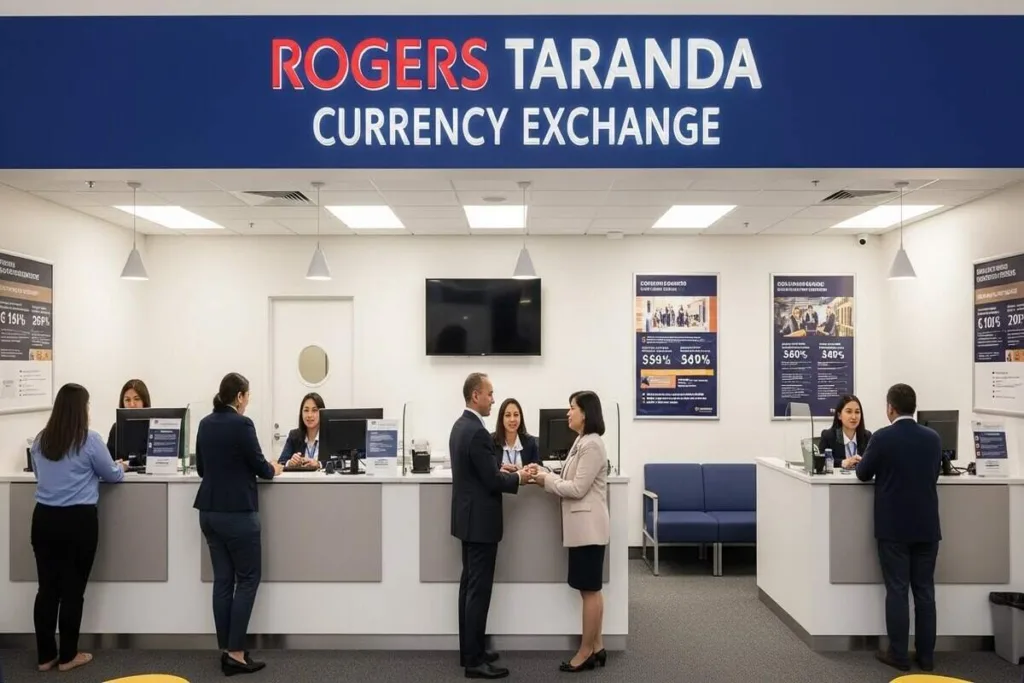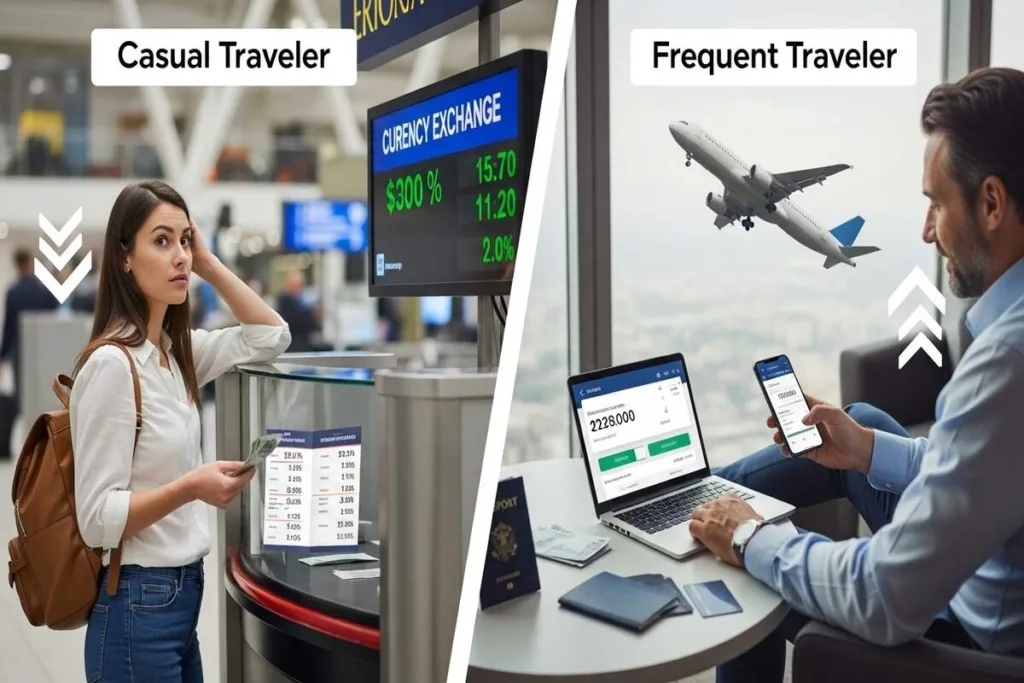
Exchange varies between casual and frequent travelers based on transaction frequency and strategic planning needs. Casual travelers prioritize convenience for short trips, while frequent travelers focus on optimization across repeated transactions. Understanding this distinction helps you choose exchange services that match your travel habits and financial goals.
For structured retail currency exchange guidance, review our pillar guide on Understanding Currency Exchange Services For Consumers.
Note: Currency exchange services are provided by registered Money Services Businesses (MSBs) and may require identity verification in accordance with federal Anti-Money Laundering (AML) regulations.
Certain transactions may be subject to reporting requirements under U.S. financial regulations.
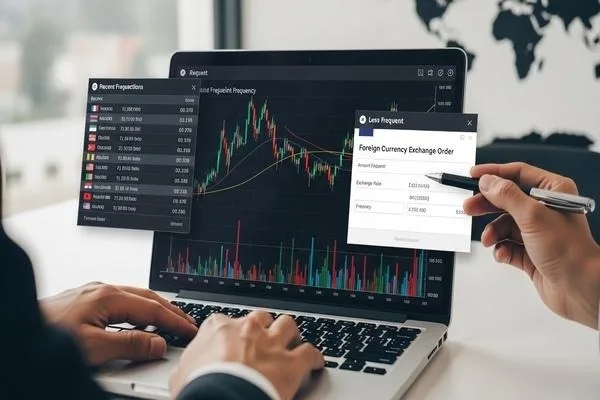
How Transaction Frequency Shapes Foreign Currency Exchange Decisions
Transaction frequency and planned volume directly shape how travelers approach exchange decisions before and during trips. Casual travelers complete fewer transactions, while frequent travelers manage repeated exchanges across multiple journeys.
Casual Travelers Prioritize Single-Trip Convenience
Casual travelers usually exchange currency once or twice before departing for a planned vacation. They focus on immediate usability rather than rate optimization across multiple transactions.
They typically:
- Exchange currency in advance for airport transfers and early expenses
- Use debit or credit cards for most purchases abroad
- Accept small rate differences in exchange for speed and simplicity
Because they transact infrequently, small rate variations rarely create significant overall cost differences. Their primary concern remains smooth arrival and predictable access to local currency. Many casual travelers use consumer tools like those from the CFPB Consumer Tools to plan spending intentions before departure.
Frequent Travelers Manage Recurring Exchange Cycles
Frequent travelers complete exchange transactions regularly throughout the year for business or extended travel. They view exchange currency decisions as part of an ongoing financial routine rather than a one-time task.
They often:
- Monitor reference data such as the Federal Reserve H.10 exchange rate releases before converting larger amounts
- Split conversions across multiple transactions based on personal budgeting or market timing preferences
- Maintain foreign balances for upcoming trips
Repeated activity increases the impact of rate differences across total annual spending. Even small improvements in exchange rates compound meaningfully over time for frequent travelers. Government resources like the FDIC Consumer Resource Center help travelers better understand banking relationships that may affect exchange methods.
Volume Exposure Increases Sensitivity To Rate Movement
Higher annual travel volume increases exposure to rate movement and conversion timing decisions. Frequent travelers therefore evaluate exchange currency timing more carefully than occasional travelers.
For example, converting funds gradually over time may reduce exposure to short-term rate fluctuations, depending on individual budgeting strategy and market conditions. Casual travelers, however, rarely require this layered timing approach because their exposure remains limited to one trip.
Transaction frequency and volume therefore represent the first primary mechanism explaining exchange differences.
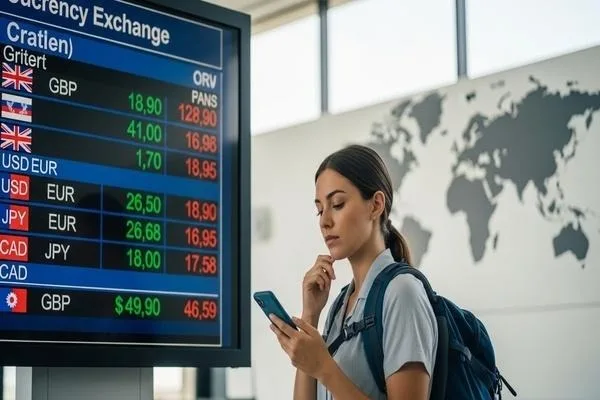
How Strategic Currency Exchange Tools Shape Traveler Decisions
Service selection and financial tools represent the second major mechanism that differentiates exchange behavior. Casual travelers choose convenience-oriented services, while frequent travelers prioritize efficiency and control.
Casual Travelers Choose Simple Access Channels
Casual travelers often rely on easily accessible exchange channels near departure points or within destination cities. They value clarity, speed and minimal setup requirements before traveling.
Typical behavior includes:
- Using online pre-order services for pickup
- Exchanging currency at a local branch before departure
- Withdrawing local currency upon arrival
Customers who prefer in-person support can review available branch locations to plan access before departure. They avoid complex planning because their exchange needs remain limited in scope and duration.
Frequent Travelers Integrate Exchange Into Broader Payment Strategy
Frequent travelers integrate exchange currency decisions into a broader payment and liquidity strategy. They combine cards, transfers and physical currency to optimize spending flexibility.
This integrated approach often includes:
- Holding multicurrency balances for future trips
- Timing larger conversions during favorable rate periods
- Comparing service spreads before committing funds
When evaluating structured currency exchange services for recurring travel, frequent travelers often compare execution flexibility and access channels. Institutions offering these services operate within federal oversight frameworks administered by agencies such as FinCEN, which establish anti money laundering obligations for financial service providers.
Risk Tolerance And Control Expectations Differ
Casual travelers generally prefer predictable outcomes over rate experimentation or staged conversions. They accept moderate rate variation to avoid uncertainty during a short trip.
Frequent travelers demonstrate higher tolerance for timing decisions and staged currency purchases. They seek greater control over conversion timing to manage cumulative annual exchange exposure.
This difference in risk tolerance directly influences service choice and transaction structure. Exchange therefore varies not only in frequency but also in strategic intent. Broader federal exchange rate analysis published by the U.S. Treasury exchange rate analysis helps contextualize macro currency movement, though individual transaction decisions remain personal financial choices.
Key Takeaways
- Exchange differs primarily because transaction frequency and annual volume change exposure to rate movement.
- Casual travelers prioritize convenience and immediate access for single-trip financial needs.
- Frequent travelers treat exchange currency decisions as recurring strategic financial activities.
- Service selection reflects risk tolerance, planning habits and transaction repetition levels.
- Understanding your travel pattern helps you select exchange services that align with practical transaction goals.
Conclusion
Exchange approaches vary for casual and frequent travelers because transaction frequency and planning habits differ significantly. Casual travelers prioritize convenience and short-term access for a single planned trip. Frequent travelers manage recurring transactions and optimize conversion timing across multiple journeys. These two mechanisms, frequency exposure and strategic execution, shape how each traveler selects and uses exchange services. Understanding your own travel rhythm allows you to align exchange decisions with real spending behavior. When you match service structure to travel frequency, you reduce friction and improve transaction efficiency.
If you are preparing for an upcoming trip, choose an exchange solution that fits your travel pattern and personal budgeting preferences.
Disclaimer: This content is for informational purposes only and does not constitute financial, legal, or tax advice. Currency exchange services are subject to regulatory requirements, availability, and applicable fees. Please consult a qualified professional or service provider for specific guidance.
FAQs
Do casual travelers need to monitor exchange rates closely?
Casual travelers usually do not need active rate monitoring because their exposure remains limited to one short trip.
Why do frequent travelers care more about timing exchange transactions?
Frequent travelers transact repeatedly, so small rate differences accumulate across higher annual spending volumes.
Should frequent travelers exchange larger amounts at once?
Frequent travelers often split conversions across multiple transactions to reduce short-term rate fluctuation risk.
Is convenience more important for casual travelers?
Yes, casual travelers prioritize ease of access and predictable availability over marginal rate optimization.
Can the same exchange service work for both traveler types?
Yes, but the way each traveler uses the service will differ based on frequency and strategy.
“Reviewed by financial services professionals”

John is a Content & SEO Specialist who enjoys breaking down complex financial topics, like cross-border payments and money transfers, into content that’s easy to understand. He focuses on creating practical, search-driven content that helps people find answers and make informed decisions.