
Everyday shoppers exchange currency to pay for goods and services in countries where merchants accept only the local currency. Currency exchange converts foreign money into domestic legal tender so purchases such as groceries, transportation, utilities and digital services can be processed through local payment systems.
Without converting funds into the accepted currency, transactions may fail because retailers, banks and digital platforms settle payments within national financial networks that operate in domestic tender. By exchanging currency, consumers gain access to everyday purchases, maintain clearer budgeting in the local economy and protect their purchasing power as exchange rates fluctuate.
For a more comprehensive look at retail currency exchange practices and how service providers organize their transactions, explore our guide on Understanding Currency Exchange Services for Consumers.
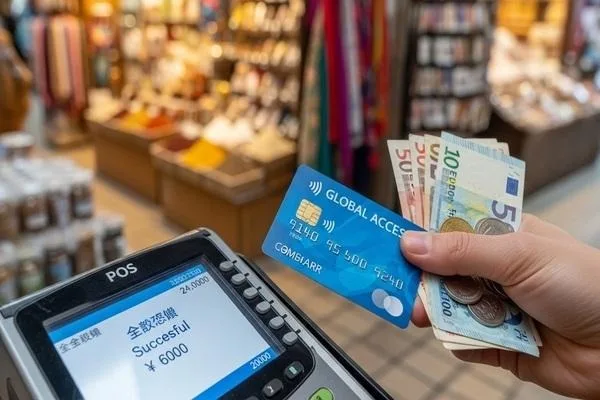
How Currency Exchange Enables Seamless Everyday Purchases
Currency exchange services play a critical role in allowing shoppers to participate fully in a local economy. Whether paying for groceries, transportation or digital subscriptions, consumers must use the domestic currency accepted by merchants and service providers. Retailers, utilities and online platforms settle payments within national banking systems that operate exclusively in local tender. Without converting funds into the required currency, transactions may be declined, delayed or misprocessed.
Professional currency exchange services are provided by regulated financial institutions and licensed Money Services Businesses (MSBs) registered with FinCEN. Depending on the transaction amount, customers may be required to present identification, and certain transactions may be subject to reporting requirements under federal law enforced by agencies such as FinCEN.
Note: Compliance safeguards in currency exchange services.
Retailers And Service Providers Require Local Currency
Retailers and service providers require local currency for operational consistency and accounting accuracy. Shoppers must exchange currency before purchasing groceries, transportation tickets or household essentials abroad.
When travelers arrive in a new country, they cannot pay using foreign banknotes. Merchants accept only domestic tender because suppliers, employees and taxes operate within that same monetary system.
Digital Platforms And Recurring Payments Operate In Domestic Currency
Digital platforms and recurring payments operate in domestic currency tied to the shopper’s physical location. Subscription services, utility providers and delivery applications process payments through local banking networks.
Shoppers exchange currency to ensure card transactions authorize correctly without declined payments. Payment processors match billing currency with merchant settlement currency to reduce processing friction.
Without proper conversion, transactions may fail due to currency mismatches within banking systems. Converting funds beforehand improves transaction approval rates and speeds up checkout experiences.
Cash Access Supports Small And Informal Purchases
Access to local cash remains essential in environments where digital payments are not consistently available. Many everyday transactions still depend on physical currency, especially in smaller or community-based settings. Relying solely on cards or mobile wallets can limit your ability to complete quick, low-value purchases.
You will commonly need cash for:
- Street vendors that operate outside formal payment networks
- Taxis and local transport services that prefer physical notes
- Neighborhood markets and small shops without card terminals
Exchanging currency at convenient service locations, including nearby branch locations, allows you to secure smaller denominations for practical daily use. Carrying local cash helps you manage spending more precisely and avoid unnecessary card swipes for minor expenses. For first-time visitors, having local notes readily available reduces pressure during urgent purchases and unexpected situations. It ensures smooth access to meals, transportation and basic essentials without transaction delays. Maintaining a mix of payment methods also strengthens your overall financial flexibility while traveling.

How Currency Exchange Protects Your Purchasing Power Abroad
Currency exchange plays a direct role in protecting your purchasing power when spending in a different economy. When shoppers convert funds into local currency, they gain clearer visibility into real buying capacity, daily pricing and overall budget control. Exchange rates influence how much value consumers receive, while early conversion reduces exposure to settlement fluctuations and unexpected cost variations.
According to the Federal Reserve H.10 exchange rate data, foreign exchange values fluctuate regularly based on global market conditions. By aligning spending with the local monetary system, shoppers improve financial predictability and make more confident purchasing decisions throughout their stay. Broader international currency trends are also analyzed by the U.S. Treasury exchange rate analysis.
Exchange Rates Determine Real Buying Capacity
Exchange rates determine how much purchasing power shoppers gain after conversion. A favorable rate increases the amount of local currency available for everyday transactions.
Shoppers monitor rates to maximize the value of converted funds before making purchases. Even small rate differences influence grocery bills, transport costs and recurring service payments.
Understanding rate impact allows consumers to plan conversion timing strategically. This approach protects everyday spending from unexpected value erosion during travel or relocation. Exchange rates fluctuate and may vary between providers, and fees or service charges may apply. Financial institutions must follow federal compliance standards under laws such as the Anti Money Laundering Act of 2020.
Budgeting Becomes Clearer In Local Currency
Managing expenses becomes significantly easier when shoppers hold money in the same currency used for local pricing. Viewing prices and account balances in one monetary unit removes constant mental calculations and reduces costly estimation mistakes. This clarity allows consumers to focus on actual spending rather than fluctuating conversion math at checkout.
Key benefits include:
- Reduced risk of underestimating everyday expenses due to inaccurate mental conversions
- Faster purchase decisions without recalculating foreign currency equivalents
- Clearer visibility into remaining balances after each transaction
When consumers complete currency exchange early, they simplify comparison shopping and strengthen real time financial control. Pricing transparency helps shoppers divide funds logically between essentials, transportation and discretionary purchases. Over time, this structured approach builds stronger spending discipline across both short visits and extended stays. It also minimizes impulsive decisions driven by confusion over exchange values. Most importantly, it creates a realistic view of daily affordability within the local economy.
Price Consistency Reduces Transaction Uncertainty
Price consistency reduces uncertainty caused by fluctuating exchange rates during card transactions. When shoppers rely on foreign currency cards, final charges may vary after settlement.
Exchanging currency in advance provides clearer expectations of final spending amounts. Consumers avoid surprises caused by rate movements between authorization and settlement dates.
This stability matters especially for recurring expenses like rent or utilities. Locking in a rate through timely exchange supports predictable daily financial planning. Customers should review exchange rates, fees and service terms before completing any transaction. Consumers seeking financial education resources may also reference the FDIC Money Smart program for general money management guidance.
Key Takeaways
- Everyday shoppers exchange currency because local merchants accept only domestic tender for goods and services.
- Conversion ensures digital payments, subscriptions and utilities process smoothly within local banking systems.
- Exchange rates directly affect purchasing power and influence how far daily budgets stretch.
- Holding local currency improves budgeting clarity and reduces transaction uncertainty during checkout.
- Early conversion supports predictable spending and smoother everyday financial management.
Conclusion
Everyday shoppers exchange currency to transact confidently within local economic systems and maintain practical spending control. They convert funds to meet merchant requirements, secure payment approvals and protect purchasing power in daily transactions. Aligning with domestic currency reduces budgeting confusion, minimizes settlement surprises and ensures uninterrupted access to essential goods and services. When shoppers plan conversion strategically, they gain stability and clarity in every purchase they make.
When using currency exchange services, review applicable rates, fees, and identification requirements to ensure the transaction fits your needs.
Disclaimer: This article is provided for general informational purposes only and does not constitute financial, legal, or tax advice. Currency exchange services are subject to applicable federal and state regulations, including customer identification and transaction reporting requirements.
Important Information About Currency Exchange Services
Currency exchange is considered a regulated financial service in the United States. Providers must comply with federal laws such as the Bank Secrecy Act and related anti money laundering regulations.
Depending on the transaction amount, customers may be required to present valid identification and, in some cases, information about the source of funds. Cash transactions that exceed certain thresholds may trigger federal reporting requirements.
These safeguards are designed to promote transparency, prevent fraud, and protect the integrity of the financial system.
FAQs
Why can’t shoppers use their home currency abroad?
Merchants operate within domestic financial systems and accept only local legal tender for accounting and settlement purposes.
Is exchanging currency necessary for small purchases?
Yes. Many small vendors and informal markets accept only local cash, making conversion essential for everyday spending.
How do exchange rates affect daily shopping?
Exchange rates determine how much local currency shoppers receive, directly influencing purchasing power and budget flexibility.
Should shoppers exchange currency before arriving?
Exchanging before or immediately upon arrival ensures smoother transactions and prevents payment disruptions.
Does holding local currency improve budgeting?
Yes. Using one currency eliminates constant mental conversion and supports clearer spending decisions.

John is a Content & SEO Specialist who enjoys breaking down complex financial topics, like cross-border payments and money transfers, into content that’s easy to understand. He focuses on creating practical, search-driven content that helps people find answers and make informed decisions.