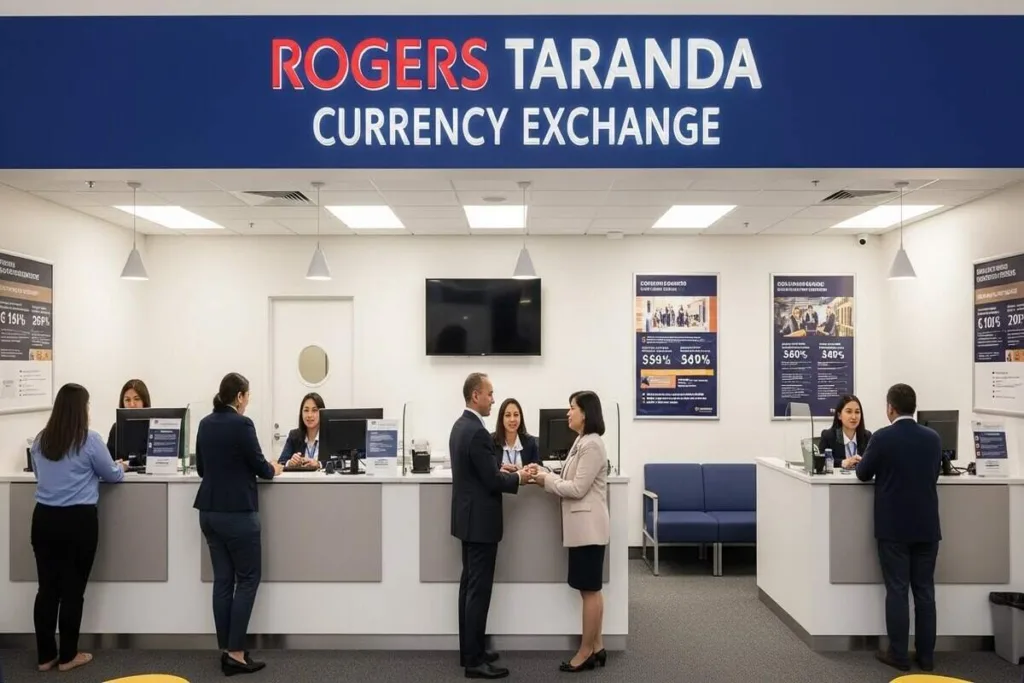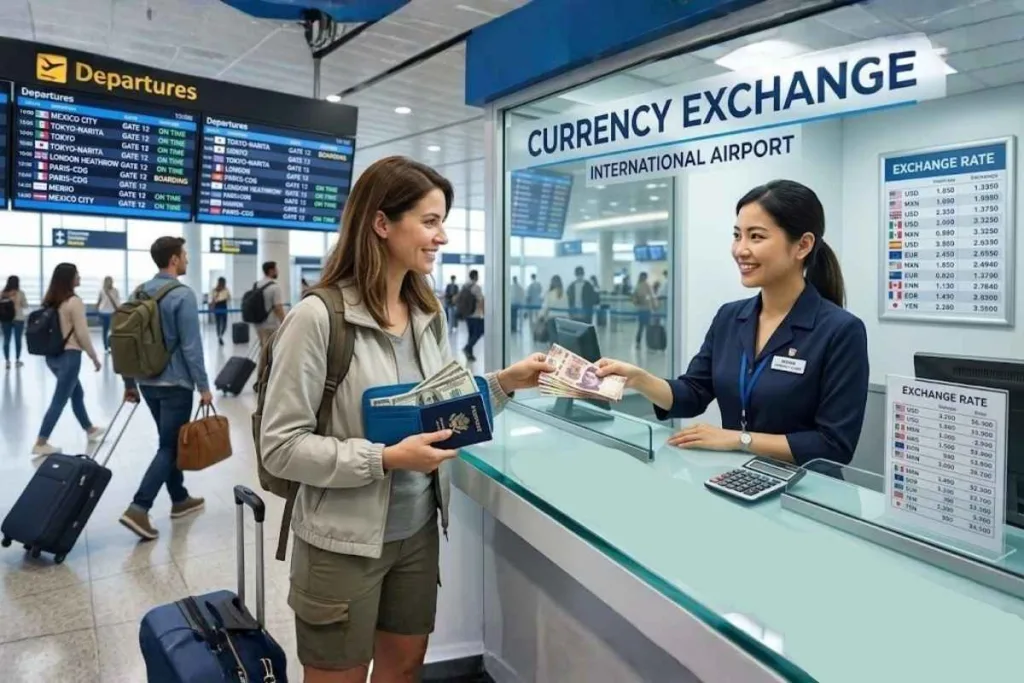
Cash currency exchange remains popular with travelers because it provides immediate access and universal acceptance abroad. Travelers value certainty and control when managing money in unfamiliar destinations where payment systems vary widely.
This preference continues despite digital payment growth because physical cash solves practical transaction gaps. If you are preparing for everyday purchases overseas, understanding these advantages supports confident planning within broader Currency Exchange Fundamentals For Everyday Transactions.
Immediate Liquidity And Universal Merchant Acceptance
Immediate liquidity and universal merchant acceptance drive travelers to exchange currency before or during trips. Cash removes approval delays and eliminates reliance on technology that may fail in unfamiliar environments.
Cash Provides Instant Spending Power Upon Arrival
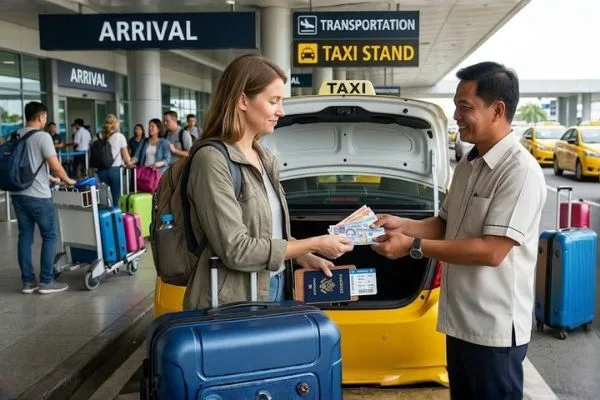
Cash provides instant spending power upon arrival without waiting for card authorizations or bank approvals. Travelers can pay for taxis, tips, meals and small purchases immediately after landing.
Airports, border crossings and local transport services frequently prioritize speed over digital payment verification. Having local notes in hand prevents awkward delays when drivers or vendors expect immediate payment.
This direct liquidity supports smoother transitions between flights, accommodations and ground transportation. Travelers who prepare cash avoid searching for working ATMs during peak arrival hours.
Currency values fluctuate daily according to global market activity, and travelers may monitor movements using publicly available sources such as Federal Reserve foreign exchange rate data before completing a transaction.
Cash Works Where Card Infrastructure Is Limited
Cash works where card infrastructure is limited or inconsistent across regions and neighborhoods. Many small merchants prefer cash because it avoids transaction fees and technical disruptions.
Markets, independent restaurants and rural vendors often operate without stable internet connectivity. In these environments, cash remains the most reliable transaction method.
Cash reduces dependency on:
- internet connectivity for card terminals
- international banking network approvals
- point of sale system compatibility
- mobile wallet device functionality
This reliability explains why travelers exchange currency even when carrying cards. They prioritize transaction certainty over theoretical digital convenience. Broader international exchange rate policy oversight, as outlined in U.S. Treasury exchange rate policy guidance, shapes how governments monitor currency stability.
Cash Simplifies Small And Everyday Transactions
Cash simplifies small and everyday transactions that would otherwise require card minimums. Many businesses impose minimum purchase amounts for card usage.
Using local currency makes tipping straightforward and culturally appropriate. It also prevents small foreign transaction authorizations from cluttering bank statements.
For daily spending, cash improves budgeting visibility because travelers see money leaving their hands. That visibility encourages controlled spending during multi day trips. Some travelers also arrange funds in advance through established money transfer services when preparing for international travel.
Budget Control And Transaction Certainty
Budget control and transaction certainty represent the second core reason travelers still exchange physical currency. Cash provides psychological clarity and protection from unexpected processing variables.
Physical Currency Supports Spending Discipline
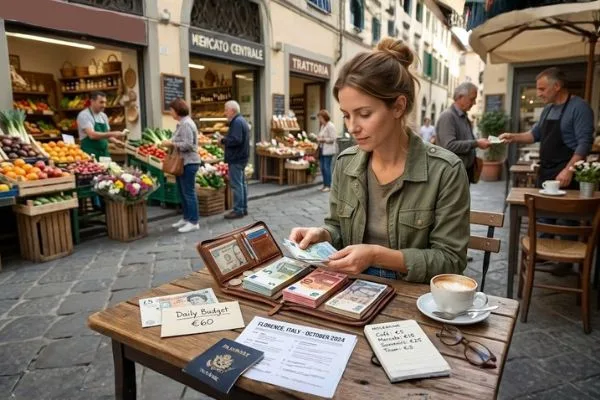
Physical currency supports spending discipline by creating a tangible limit on discretionary purchases. Travelers allocate daily cash envelopes or wallet amounts for planned expenses.
This method offers three practical budgeting advantages:
- It prevents accidental overspending due to tap and go convenience.
- It separates travel funds from primary checking balances.
- It creates immediate awareness of remaining daily spending capacity.
When travelers see remaining bills physically decrease, they adjust behavior accordingly. That tactile feedback improves financial control in unfamiliar pricing environments. Consumer education programs such as the FDIC Money Smart financial education program reinforce budgeting discipline and responsible cash management principles.
Cash Reduces Authorization And Processing Uncertainty
Cash reduces authorization and processing uncertainty that sometimes occurs with international cards. Foreign banks may decline transactions due to fraud monitoring systems.
Even prepared travelers occasionally experience card blocks or security alerts. When this happens, cash prevents service interruptions during meals or transportation payments.
Cash also avoids temporary holds placed on debit or credit cards. Hotels, rental services and certain vendors frequently authorize amounts exceeding final charges.
By paying small vendors in cash, travelers limit exposure to layered processing delays. They maintain smoother day to day transaction flow. When questions arise about transaction timing or service access, travelers may contact customer support from their chosen financial service provider directly for assistance. Consumer protections related to sending funds internationally are outlined by the Consumer Financial Protection Bureau sending money abroad guidance.
Cash Protects Privacy And Personal Data Exposure
Cash protects privacy and limits the sharing of personal banking information internationally. Each card transaction transmits identifiable data across multiple financial networks.
While banks implement strong protections, some travelers prefer minimizing data exposure abroad. Cash transactions conclude instantly without creating digital trails.
Cash transactions:
- do not require identity verification for small purchases
- do not transmit account numbers across networks
- do not rely on device battery life
- do not generate electronic transaction records
For travelers focused on control, this simplicity reinforces confidence. They know exactly how much they spend without relying on post trip reconciliation. Travelers seeking general financial education resources may consult the FDIC Consumer Resource Center.
Key Takeaways
- Travelers still exchange cash because it provides immediate liquidity upon arrival and universal merchant acceptance.
- Physical currency works reliably in areas with limited card infrastructure or unstable internet connectivity.
- Cash improves budgeting discipline by creating visible spending limits during everyday travel transactions.
- Using local currency reduces authorization uncertainty and avoids temporary holds or unexpected processing disruptions.
- Cash transactions enhance privacy by minimizing international data transmission during routine purchases.
Frequently Asked Questions
Q: Is Cash Necessary When Traveling Internationally?
A: Cash remains necessary for small vendors, transportation tips and areas with limited card acceptance, ensuring uninterrupted everyday transactions.
Q: Why Do Some Travelers Prefer Exchanging Currency Before Departure?
A: Exchanging before departure provides immediate access to local currency, reducing stress during airport arrivals or late night transportation needs.
Q: Does Cash Help With Budgeting During Travel?
A: Yes. Physical currency creates visible spending limits and improves daily expense tracking without relying on digital balance checks.
Q: What Happens If My Card Is Declined Abroad?
A: Having local cash prevents service interruptions, allowing you to continue paying for meals, taxis or small purchases immediately.
Q: Is Cash Safer Than Cards When Traveling?
A: Cash eliminates digital authorization risks and data transmission concerns, though travelers should still secure it responsibly.
Conclusion
Cash currency exchange remains popular because it solves practical, everyday transaction challenges for travelers. It delivers immediate liquidity, universal acceptance and independence from digital processing systems. Physical currency also strengthens budgeting discipline and reduces authorization uncertainty during routine purchases. When travelers carry local cash, they minimize delays, protect privacy and maintain control over daily spending decisions. These practical advantages explain why many still exchange currency before or during trips despite digital alternatives. If you are preparing for upcoming travel, securing local currency in advance ensures smoother transactions from the moment you arrive. Exchange your currency today and travel with confidence and control.
Secure your travel funds now and complete your currency exchange before departure for a seamless trip.
Disclaimer: This article provides general informational guidance and does not constitute financial advice. Transaction practices and acceptance conditions vary by destination and provider.

John is a Content & SEO Specialist who enjoys breaking down complex financial topics, like cross-border payments and money transfers, into content that’s easy to understand. He focuses on creating practical, search-driven content that helps people find answers and make informed decisions.