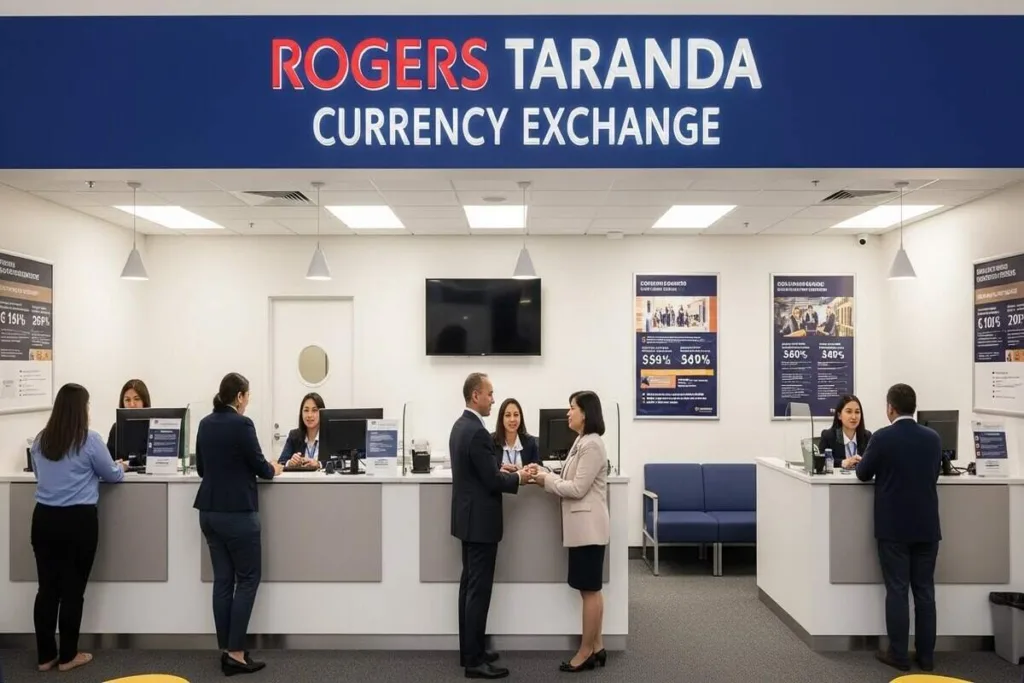
Currency exchange differs from standard rates because providers use live wholesale market prices and then apply pricing adjustments. These adjustments reflect market movement and built-in service margins rather than a single fixed public rate.
When you prepare to exchange money, you often see a rate online that differs from what the service actually offers. Understanding why this difference exists helps you compare providers confidently and transact at the right time. For a broader explanation of consumer mechanics, review our guide to currency exchange services for consumers.
Note: Order Express is a licensed Money Services Business (MSB) registered with FinCEN and complies with applicable federal and state regulations.

How Real-Time Currency Exchange Markets Shape The Rate You Receive
Currency exchange rates reflect live wholesale market activity rather than static public benchmarks. Providers build consumer pricing from interbank trades, bid and ask spreads and constant intraday fluctuations across global financial centers. The rate you see online usually represents a midpoint reference, while the actual transaction rate adjusts for liquidity, timing and trade size. According to Federal Reserve foreign exchange rate data and historical releases, benchmark currency exchange rates update regularly based on global market activity. These benchmarks provide macro-level reference points. Separately, consumer exchange rates at the counter may differ due to provider-specific pricing models, timing, and transaction size.
Interbank Rates Versus Consumer Rates
Interbank rates represent the price large financial institutions pay when trading currencies in high volumes. Consumers rarely receive this rate because providers cannot access wholesale liquidity without operational costs.
Banks and institutional traders exchange currencies in large blocks, often exceeding several million dollars per transaction. Retail customers exchange smaller amounts, which increases relative processing and handling costs for the provider.
When you view a standard rate online, you typically see a mid-market or reference rate. Official U.S. Treasury exchange rate discussions focus on broad economic indicators and macroeconomic policy. These do not dictate retail-level pricing. The consumer-facing rate, by contrast, reflects the midpoint between wholesale buy and sell prices adjusted by each provider.
Bid-Ask Spreads And Liquidity Adjustments
Currency markets operate on a bid-ask structure that always includes a pricing spread. The bid represents what buyers pay, and the ask reflects what sellers demand in return.
Providers build consumer exchange rates by referencing this spread and adjusting for transaction size. Smaller exchanges often receive slightly wider spreads because they lack institutional trading volume advantages.
- The mid-market rate sits between wholesale bid and ask prices.
- Consumer rates include a spread that reflects liquidity and operational realities.
- Rate differences do not automatically signal unfair pricing, but structural market mechanics.
For general educational purposes, the FDIC Money Smart consumer education program offers materials that explain how financial products work. These resources are separate from specific currency exchange service pricing.
Intraday Volatility And Timing Impact
Foreign exchange markets move continuously during global trading hours across major financial centers. Even minor geopolitical events or economic releases can shift rates within minutes.
If you check a rate in the morning and transact later, the live market may have moved. According to consumer resources from the Consumer Financial Protection Bureau consumer resources, financial product pricing can vary based on timing and market conditions. Separately, providers update pricing feeds to reflect real-time shifts and manage their exposure accordingly. Acting during stable market windows often produces more predictable quotes for everyday transactions.

How Currency Exchange Providers Build Pricing Into Every Transaction
Currency exchange pricing reflects more than the live market rate displayed online. Providers structure their rates to cover operational infrastructure, inventory exposure and service delivery costs that ensure transactions remain secure and accessible. Whether margins appear embedded within the rate or separated as fees, the final quote incorporates multiple cost layers that wholesale markets do not account for. Location, platform access and risk management practices further influence the spread applied to consumer transactions. Understanding these structural components helps you evaluate exchange offers more confidently before completing your transaction.
Built-In Margin Versus Separate Transaction Fees
Many providers incorporate their profit margin directly into the exchange rate offered to consumers. Instead of charging a visible service fee, they adjust the buy or sell rate slightly.
This approach creates a cleaner transaction experience but makes comparison more complex. The visible rate already includes operational costs such as staffing, technology infrastructure and currency sourcing.
Some services disclose both a rate and a separate fee, while others embed everything into one quoted price. In both cases, the effective exchange outcome depends on the combined structure. If you regularly send funds internationally, you can also explore how pricing works within our Money Transfer services and international transaction options.
Operational Infrastructure And Risk Management
Currency exchange providers maintain physical locations, digital platforms and secure cash handling systems. Each component adds overhead that wholesale interbank traders do not face in the same way.
Providers also manage currency inventory risk when holding multiple foreign denominations. If market rates shift unfavorably, they absorb potential losses on unsold currency positions.
To manage that exposure responsibly, providers price transactions to balance demand and supply. This risk management component influences how closely consumer rates track headline market figures.
- Providers must cover staffing, technology and cash logistics through pricing.
- Inventory risk requires protective margins against sudden currency swings.
- Consumer rates therefore reflect both service delivery and market exposure.
Customers who use additional financial services such as Check Cashing services may notice similar built-in pricing structures that reflect operational handling costs.
Location, Access And Convenience Premiums
Exchange rates may vary depending on where you transact and how you access the service. Airport kiosks, retail branches and online platforms operate under different cost models.
High-traffic locations often pay premium rent and extended staffing expenses. Those higher costs frequently translate into slightly wider spreads within the quoted rate.
Digital platforms may offer more competitive pricing due to lower physical overhead. However, convenience features such as same-day pickup or immediate availability still influence final rates. When preparing to transact, compare rates across locations and channels before committing funds. If you have questions about available locations or service options, visit our contact page for customer support and branch information. Small differences in quoted pricing can meaningfully affect larger exchanges.
Key takeaways:
- Currency exchange differs from standard rates because providers use live wholesale pricing plus structured consumer spreads.
- Interbank mid-market rates rarely match consumer quotes due to bid-ask mechanics and transaction size differences.
- Service margins, operational costs and inventory risk directly influence the rate presented to customers.
- Location, convenience and timing can further widen or narrow the effective exchange outcome.
- Comparing providers before transacting helps you secure a rate aligned with current market conditions.
Conclusion
Currency exchange differs from standard rates because consumer pricing reflects both live market mechanics and service economics. Providers start with wholesale interbank pricing, then apply spreads that cover liquidity, operational costs and risk management. The mid-market rate you see online serves as a reference point, not a guaranteed transactional quote. Timing, location and transaction size further shape the final rate offered to you. Understanding these two core mechanisms allows you to compare providers more confidently and transact with clearer expectations. Before completing your next exchange, review the live quote carefully and confirm the effective rate you will receive.
Final exchange rates and any applicable fees are disclosed to customers before completing a transaction.
For hands-on support, customers can refer to the store locator page to locate nearby representatives and verify service hours before proceeding with time critical transfers.
Disclaimer: This article provides general educational information and does not constitute financial advice.
If you are ready to exchange currency, check today’s live exchange rate and see the exact amount you’ll receive before completing your transaction.
Note: References to federal agencies and public data sources are included for educational purposes only. They do not reflect Order Express policies or pricing structures, which are developed independently based on operational and market considerations.
FAQs
Why is the rate I see online different from the rate at the counter?
Online sources often display mid-market reference rates. Counter rates include spreads and service margins based on live pricing.
Do all currency exchange services use the same base rate?
Most providers reference wholesale interbank pricing, but each applies its own spread and operational margin.
Does the time of day affect my exchange rate?
Yes. Rates fluctuate throughout global trading hours, and providers update quotes as markets move.
Is a lower advertised fee always better?
Not necessarily. Some providers embed costs into the rate instead of charging separate visible fees.
Why do airport exchange rates seem higher?
Airport locations face higher operating costs, which often result in wider spreads within quoted rates.

John is a Content & SEO Specialist who enjoys breaking down complex financial topics, like cross-border payments and money transfers, into content that’s easy to understand. He focuses on creating practical, search-driven content that helps people find answers and make informed decisions.