


Depositing more than $10,000 into your checking account is legal, but it comes with specific requirements you need to know. Banks must report large deposits, and you may be asked for supporting documents or face a temporary hold while funds are verified. These measures apply to both cash and check cashing transactions, helping institutions comply with regulations and protect the financial system.
This article explains what actually happens when you make a deposit over $10,000 and why the process matters. It outlines reporting obligations, verification steps, and common safeguards so you can prepare in advance. With the right information, you will know how to meet compliance rules, avoid unnecessary delays, and keep your money fully secure.
Large deposits involve more than reporting thresholds. Exploring the regulatory framework for check cashing services provides additional context on customer identification, transaction security, documentation standards, and the compliance practices that help protect both businesses and consumers.
Transparency Note:This article is published by Order Express, a licensed Money Services Business in compliance with U.S. regulations.
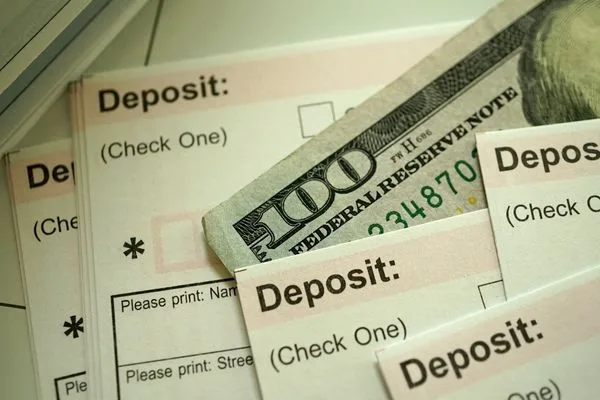
How Banks Handle Check Cashing And Large Deposits Over $10k
When you deposit or use check cashing for amounts of $10,000 or more, banks must follow strict regulations. Federal law requires financial institutions to record these transactions, verify identification, and file reports when thresholds are reached.
It is important to note that identification is also required for transactions of $3,000 or more, even if they do not exceed the $10,000 reporting threshold. This rule applies to money transfers, money orders, check cashing, and certain other financial services. These rules exist to protect both customers and the broader financial system from illegal activity. Understanding how the process works helps you prepare ahead of time and ensures your deposit is handled without unnecessary stress.
Large deposits and check cashing transactions may involve documentation requests, reporting obligations, or temporary holds. While these steps can feel intrusive, they are standard compliance measures rather than signs of suspicion. By knowing what to expect, you can provide the right information quickly, avoid delays, and maintain full control of your funds. The following sections outline each step banks take and why it matters.
Banks Must File Currency Transaction Reports
A Currency Transaction Report (CTR) is required when cash transactions exceed $10,000 in a single business day, including aggregated amounts. Depositing a check over $10,000 does not trigger a CTR. Banks may still place a temporary hold or file a Suspicious Activity Report if something appears unusual. CTRs must be filed within 15 calendar days through the U.S. Treasury’s BSA E-Filing system. This reporting requirement applies only to cash. Always bring valid identification when making a large deposit because verification is required before funds are fully cleared.
These safeguards exist to maintain security, prevent money laundering, and ensure the financial system remains transparent. Knowing how reporting works helps you avoid unnecessary concern and prepares you for what to expect at the bank. The following sections explain the key rules, security steps, and account considerations that apply when handling significant deposits.
Structuring Deposits Is Illegal
Structuring occurs when someone breaks a large deposit into smaller amounts to avoid federal reporting rules. This practice is illegal, and banks are required to monitor accounts for signs of it. Even if separate deposits are made for legitimate reasons, banks must still combine them for reporting purposes if they occur on the same day and exceed $10,000. For example, splitting a $12,000 deposit into smaller transactions such as $9,500 and $2,500 can raise suspicion. The institution may then file a Suspicious Activity Report, which could lead to further review. Even if funds are legitimate, attempts to bypass reporting rules create unnecessary risk. Check cashing and direct deposits follow the same compliance standards, so transparency is always the safest choice.
This section explains why structuring is prohibited and what steps you should take instead. Depositing the full amount at once and keeping organized records helps you meet requirements while protecting your account. By understanding the rules, you avoid legal complications and ensure smooth access to your money.
You May Be Asked for Proof of Funds
When you make a large deposit, the bank may ask for documents that verify the source of your funds. This is a standard part of compliance and can apply whether the money comes from cash, property sales, or checks. Proof of funds is a bank security measure, not a Currency Transaction Report trigger. Acceptable proof may include a recent bank statement from the issuer of a check, an income tax return, a settlement document, or a property sales contract. Having paperwork ready ensures the process runs smoothly and helps prevent unnecessary delays or red flags.
Here are common documents you may need to provide:
- A bill of sale for vehicles, property, or other assets
- Settlement papers from insurance or legal claims
- Receipts or invoices tied to business or personal transactions
- Bank statements showing the origin of funds
Organizing these records in advance protects you from interruptions and makes verification easier. It also strengthens your financial trail, which is useful for both tax and personal recordkeeping. By anticipating what your bank might request, you save time and reduce stress while keeping your deposit secure and fully compliant with regulations.
Funds From Check Cashing May Be Held Before Release
Large deposits are not always available right away. While cash deposits often clear immediately, large checks and some check cashing transactions may face a temporary hold.
Federal Rule:
Federal rules require ID and recordkeeping when a business sells monetary instruments such as money orders or cashier’s checks totaling $3,000 to $10,000 in one day.
Order Express Policy:
Under Order Express company policy, ID is also required for:
- Money transfers of $3,000 or more
- Check cashing of $3,000 or more (lower in some states such as Arizona, Oklahoma, and Louisiana)
Banks use this time to confirm authenticity, verify the issuing institution, and ensure the funds are valid. Depending on the type of check, the review period can last several business days before money is released.
Understanding these hold periods helps you plan effectively. A cashier’s check, for example, may require extra verification before becoming accessible. Knowing your bank’s policies in advance prevents surprises and supports better financial planning. The following sections explain what to expect, how reporting rules apply, and which safeguards can keep your deposits secure and compliant.

How To Stay Protected When Using Check Cashing And Large Deposits
Handling large deposits requires more than simply handing cash or checks to your bank. When check cashing is involved, the process adds another layer of responsibility. Institutions apply rules that protect the financial system and safeguard your money. By understanding these requirements, you reduce the risk of delays, avoid unnecessary fees, and prevent your transactions from being flagged for review.
Protection also extends beyond compliance. Scams, fraudulent checks, and account restrictions are common risks when moving significant sums. Knowing how to identify warning signs and verifying that your account is fully insured are essential steps. This section explains how to stay secure when depositing over $10,000. It guides you through required reporting, insurance coverage, fraud awareness, and account rules so you can complete large deposits with confidence and peace of mind.
File Required Reports for Business Deposits
Businesses that receive more than $10,000 in cash in one transaction or related transactions must file IRS Form 8300 within 15 days. This rule applies to non-bank businesses such as car dealerships, attorneys, or retailers. Form 8300 is different from a Currency Transaction Report, which only applies to financial institutions such as banks and Money Services Businesses. The goal is to ensure transparency, prevent financial crimes, and keep business transactions compliant with the law. Filing the required forms on time is not optional. It is a legal obligation that protects both your business and the financial system.
Understanding these responsibilities helps you stay ahead of potential issues. Failure to comply can trigger penalties and unwanted scrutiny, while proper reporting builds credibility and keeps operations running smoothly. This section explains what reports are required, why they matter, and how to manage the process effectively.
Confirm Your Account is Fully Insured
Depositing large sums requires strong account protection to keep your money secure. Always confirm that your checking or savings account is covered by federal insurance. This safeguard applies whether you deposit cash, transfer funds, or use check cashing services for larger amounts. Knowing the coverage rules helps you plan and avoid unnecessary risk.
Here are the key points to remember:
- Federal insurance covers deposits up to specific limits per depositor and per institution.
- Protection applies across checking, savings, and money market accounts.
- Balances above the coverage limit may be at risk if kept in one place.
- Opening accounts at different insured providers can expand your total protection.
Taking the time to verify your coverage ensures that your deposits remain safe even in unexpected situations. If you frequently handle large balances, consider spreading funds across accounts to maximize protection. This proactive approach safeguards your money and strengthens your overall financial security.
Guard Against Check Cashing Scams and Fraud
Large deposits can expose you to scams, especially when checks are involved. Fraudsters often use counterfeit checks and pressure the recipient to return part of the funds before the payment clears. By the time the bank identifies the check as fraudulent, the money is already lost. This risk applies whether you are depositing directly or using check cashing, making it essential to verify the source of funds before moving forward.
To stay protected, always confirm that payments come from legitimate and traceable sources. Avoid accepting money from unknown senders, and never agree to return funds from a recent deposit until it is fully cleared. If a transaction appears unusual, pause and request verification. Acting carefully reduces the chance of fraud and helps safeguard your financial activity.
Review Account Rules and Limits
Not all accounts are built to handle large deposits smoothly. Some may place restrictions based on the method you use, such as mobile check capture or even check cashing, while others review unusually high amounts more closely. Understanding these rules before making a deposit helps you avoid unnecessary delays.
Here are important steps to take before depositing large sums:
- Confirm whether your account has deposit limits
- Ask if certain methods, like mobile deposit, have lower thresholds
- Check if temporary holds may be applied to large checks
- Review account terms for any restrictions on high-value deposits
By clarifying these details early, you gain more control over how quickly funds become available. Planning ahead also prevents disruptions to personal or business cash flow. If you expect to make frequent large deposits, consider accounts designed for higher transaction volumes. This ensures smooth processing and keeps your money accessible when you need it.
Conclusion
Depositing over $10,000 into a checking account is legal, but it requires awareness and preparation. Banks must report large transactions, verify identification, and sometimes place temporary holds. These measures are compliance steps designed to protect the financial system and keep your money secure. By understanding how reporting, verification, and account rules work, you avoid delays and maintain full control of your funds.
Staying protected also means preparing documentation, confirming insurance coverage, and guarding against scams. Businesses must meet reporting rules, and individuals should always verify deposit sources. Reviewing account limits helps prevent disruptions and ensures funds are accessible when needed. The key takeaway is simple: transparency and preparation keep your deposits safe. Approach large deposits with confidence, knowing you can meet requirements, reduce risk, and protect your financial stability.
FAQs
What happens if I deposit more than $10,000?
Currency Transaction Report (CTR) is required only for cash deposits over $10,000 in a single business day. Large check deposits do not trigger a CTR, but the bank may still place a hold or ask for proof of funds.
Is splitting deposits into smaller amounts allowed?
No. Breaking deposits into smaller transactions to avoid reporting is illegal and may trigger a Suspicious Activity Report.
Do banks always ask for proof of funds?
Banks may ask for supporting documents such as bills of sale, settlement papers, or invoices to verify the source of funds. This is a standard security measure and does not itself trigger a CTR.
Are deposits from check cashing treated differently?
Yes. CTRs apply only to cash deposits over $10,000. Large check deposits do not trigger a CTR, but banks may still place holds or file a Suspicious Activity Report if the transaction looks unusual.
How can I avoid delays when making a large deposit?
Prepare documents in advance, review account rules, confirm insurance coverage, and always deposit the full amount transparently.
I am a business that received over $10,000 in cash. What do I file?
You must file IRS Form 8300 within 15 days. This requirement applies to non-bank businesses and is separate from bank CTR rules.
Disclaimer: This article is provided for educational purposes only and does not constitute financial, legal, or compliance advice. For specific guidance, please consult with your bank or a qualified professional.

Alvin is a Content and SEO Specialist who creates clear and helpful content about money transfers and payment systems. He focuses on making complex topics easy to understand so readers can learn how these services work in everyday situations.


