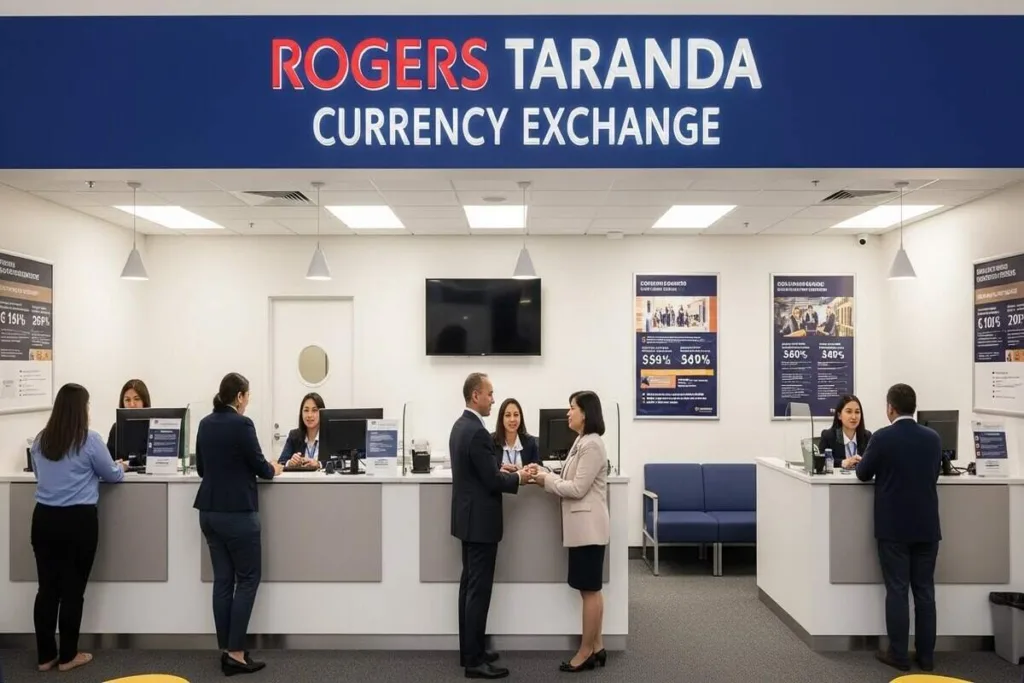
Walk-in currency exchange can feel straightforward when you understand each step before arriving at the counter. Most in-person transactions follow a consistent structure that financial institutions use to verify identity, confirm rates and complete payment securely. When you prepare properly and know what to expect, the entire visit often takes only a few minutes. Knowing the general flow of the process removes uncertainty and builds confidence before you enter the location. Clear expectations help you stay focused and avoid distractions during your visit.
Many first-time customers feel unsure because they do not understand how the transaction unfolds. Learning the order of steps allows you to anticipate requests from the service representative. This awareness reduces hesitation when presenting identification or confirming exchange amounts. Confidence at the counter often leads to faster processing and fewer follow-up questions.
The guidance below focuses specifically on how to simplify your experience as a walk-in customer. It highlights practical actions that reduce delays and improve overall transaction clarity. With light preparation and organized communication, your currency exchange visit can feel efficient and predictable
For broader context on how retail currency exchange systems operate, review our pillar guide Understanding How Everyday Currency Exchange Services Work. That foundation helps you understand why each step in the process matters, making it easier to simplify walk-in currency exchange experiences without feeling confused or overwhelmed.
What should you prepare before visiting a currency exchange?
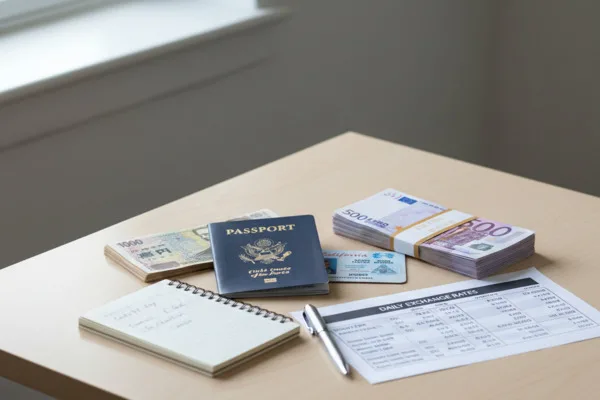
Preparing before arrival reduces waiting time and prevents delays caused by missing documentation or unclear expectations. Most walk-in challenges occur because customers arrive without identification or uncertainty about exchange amounts. By organizing a few essentials ahead of time, you make the transaction feel predictable and controlled. For additional background on how service fundamentals work, you can review the currency exchange fundamentals that explain how everyday processes operate.
Bring required identification and payment method
Currency exchange providers must verify identity for security, fraud prevention and regulatory compliance purposes. Bringing the correct identification avoids repeat visits and unnecessary processing delays at the counter. According to the FDIC Consumer Resource Center, financial institutions follow verification practices that support consumer protection and regulatory oversight.
Prepare the following items before leaving home:
- A valid government-issued photo identification such as a driver’s license or passport
- The currency you plan to exchange or your intended payment method
- Any confirmation details if you previously requested a rate or placed an order
If you plan to exchange a larger amount, staff may request additional verification details. Having documentation ready ensures staff can complete compliance checks without slowing your transaction. If you need broader financial service support, you may explore related offerings within other services provided by Order Express.
Note: Identification and documentation requirements may vary depending on transaction size and regulatory reporting thresholds established under the Bank Secrecy Act.
Know your currency amount and destination needs
Clarity about how much currency you need prevents rushed decisions at the service window. Many walk-ins hesitate when asked how much they would like to exchange, which extends transaction time. The FDIC Money Smart program notes that pre-planning financial decisions can reduce stress and support smoother transactions.
Before visiting, determine:
- The total amount you wish to convert
- The destination currency required
- Whether you prefer specific bill denominations
Knowing these details allows staff to confirm availability quickly and calculate totals accurately. This preparation also reduces the likelihood of adjusting the transaction midway through processing.
Check current rates and service hours
Reviewing current exchange rates online helps you enter the location with realistic expectations about value. Market fluctuations are common, and the Federal Reserve H.10 foreign exchange rate data offers insight into how daily movements occur.
Most currency exchange providers publish daily rates and operating hours directly on their website. Checking this information before leaving home reduces uncertainty and prevents avoidable disappointment at the counter. Rates may fluctuate throughout the day based on market movement and currency demand. Understanding that rates change prepares you for small differences between earlier quotes and current pricing.
Confirming service hours ensures the location remains open when you plan to arrive. Some branches adjust hours during holidays, weekends or seasonal travel periods. Verifying hours online helps you avoid wasted trips and unnecessary scheduling stress. It also allows you to plan around work breaks or travel departures efficiently.
If you want a clearer overview of how rates and services function, visit Understanding How Everyday Currency Exchange Services Work. Arriving informed allows you to focus on completing your transaction instead of comparing unfamiliar exchange details onsite.
Visit during lower traffic periods
Currency exchange locations experience predictable traffic peaks tied to travel seasons, pay cycles and holiday schedules. Understanding these patterns helps you choose a time when staff can assist you more quickly. Mid-morning and mid-afternoon periods often provide shorter wait times than lunch or evening hours. These windows typically see fewer travelers preparing for same-day departures or breaks.
If possible, avoid visiting immediately before major holidays or long weekends. Travel demand increases sharply during these periods, creating longer lines and extended processing times. To support travel-related preparation, the Consumer Financial Protection Bureau’s guidance on sending money abroad emphasizes organizing financial tasks ahead of peak demand.
Planning your visit around lighter traffic improves both speed and overall comfort. Shorter queues reduce pressure and allow you to review rates carefully without feeling rushed.
Note: Avoiding peak travel days reduces queue length and processing delays.
Confirm accepted payment types beforehand
Not all locations accept every form of payment for currency exchange transactions. Calling ahead or checking online ensures your preferred payment method is supported. If you need alternative transaction options, you may review the money transfer services available through Order Express.
Confirm whether the location accepts:
- Cash transactions
- Debit cards
- Credit cards
- Bank drafts or other instruments
Arriving with an accepted method prevents last-minute changes that extend processing time. Clear payment preparation keeps the transaction focused and efficient.
What happens during a walk-in currency exchange transaction?
Understanding the in-person process removes uncertainty and makes each step feel structured and manageable. Walk-in transactions typically follow a standardized sequence designed for efficiency and compliance. When you recognize the order of events, the interaction becomes faster and more comfortable.
Note: Exchange rates and applicable service fees are disclosed before completing the transaction in accordance with consumer transparency standards.
Initial greeting and rate confirmation
When you approach the counter, staff will first confirm the currency you want to exchange. They will also state the current exchange rate available at that specific time. This step ensures transparency before any funds change hands between you and the provider. Hearing the rate clearly allows you to evaluate whether you want to proceed.
Exchange rates may shift based on global conditions, and the U.S. Treasury’s exchange rate policy overview provides context on how government agencies evaluate broader currency movements. Confirming the live rate prevents confusion caused by outdated online or posted information. Staff may reference a rate board or system screen to verify accuracy. Paying attention during this explanation helps you follow the calculation process confidently.
You may ask staff to calculate the final amount you will receive before committing. This calculation typically includes the applied rate and any disclosed service fees. Clear verbal confirmation reduces misunderstandings and builds confidence during the exchange. Taking a moment to confirm totals ensures you fully understand the transaction before payment begins.
Note: The quoted rate reflects the live buy or sell rate at the time of processing.
Identification verification and transaction entry
After confirming the rate, staff will request your identification to begin formal processing. They will enter your transaction details into a secure internal system for documentation. This step verifies your identity and records the exchange for regulatory compliance requirements. Institutions follow federal obligations explained in the FinCEN guidance library, which outlines reporting and verification standards.
Identification requirements may vary depending on the transaction amount and local regulations. Larger exchanges sometimes require additional verification or supplemental documentation. Staff follow standardized procedures designed to prevent fraud and financial reporting violations. Cooperating promptly helps keep the process efficient and straightforward.
During this stage, remain available to answer simple confirmation questions about your information. Staff may verify your address, identification number or transaction purpose if required. Accurate responses allow staff to finalize the transaction without additional review steps. Clear communication at this point prevents processing delays and unnecessary follow-up questions.
Note: Identity verification protects customers and providers from fraud and reporting violations.
Payment processing and currency handoff
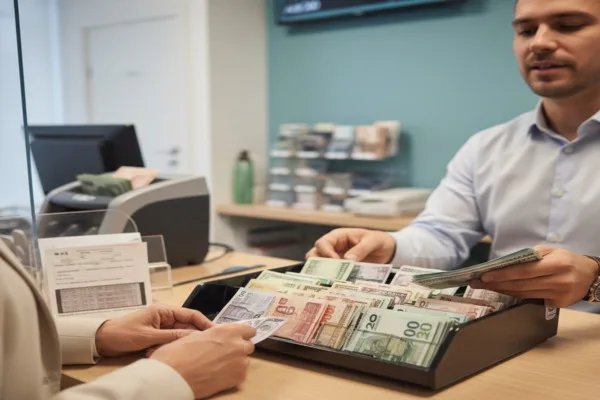
After completing identification checks, staff will begin processing your selected payment method. They will confirm the payment amount and finalize the exchange within their secure system. Once approved, they will prepare the exchanged currency according to the confirmed transaction details. This preparation typically includes organizing bills by denomination for easier counting.
Staff will count the funds carefully before presenting them across the counter. You should watch the counting process to follow the total clearly and confidently. Listening as the amount is stated aloud helps reinforce transparency and accuracy. Taking this moment seriously prevents confusion after the transaction concludes.
Always count the received currency at the counter before leaving the location. Verify both the total amount and the denominations provided match your request. This quick review ensures accuracy and avoids complications after you depart. Addressing any discrepancy immediately allows staff to resolve concerns without additional administrative steps.
Ask concise questions and verify totals clearly
Direct communication keeps the transaction simple and prevents extended back-and-forth explanations. Prepare your key questions before reaching the counter to avoid confusion under time pressure.
Helpful questions may include:
- What is the total amount I will receive after fees?
- Are there limits on same-day exchanges?
- Can I receive smaller denominations if available?
Listening carefully and confirming details once prevents repeated clarifications that slow the process. A calm and organized interaction benefits both you and the service representative.
Note: Clear confirmation of totals before payment finalization prevents disputes after completion.
Conclusion
Walk-in currency exchange becomes simple when you approach the process with preparation and clear expectations. Bringing proper identification, confirming rates and understanding payment options reduces hesitation at the counter. Knowing what happens during verification and payment processing helps you move through each step confidently. Small actions, such as visiting during lower traffic periods and confirming totals carefully, prevent delays and misunderstandings.
When you stay organized and ask concise questions, transactions feel structured and efficient. Order Express supports customers by providing transparent rates, clear procedures and responsive in-person assistance. If you are planning to exchange currency soon, review your needs, gather your documents and visit Order Express for a smooth, reliable walk-in experience today.
Note: Order Express is registered with the U.S. Department of Treasury’s Financial Crimes Enforcement Network (FinCEN) as a Money Services Business (MSB). We strictly follow Know Your Customer (KYC), Anti-Money Laundering (AML), and record retention requirements. These practices ensure that all financial transactions are secure, transparent, and compliant with federal and state regulations.
To locate the nearest Order Express branch or learn more about available services, visit our branch locator.
Educational disclaimer: Currency exchange policies, identification requirements and rates may vary by provider and jurisdiction.
FAQs
What identification do I need for a walk-in currency exchange?
Most providers require a valid government-issued photo ID, such as a passport or driver’s license, to verify your identity and comply with financial regulations.
How long does a walk-in currency exchange usually take?
If you arrive prepared with proper identification and clear transaction details, most walk-in exchanges are completed within several minutes.
Can exchange rates change during the day?
Yes, exchange rates can fluctuate throughout the day based on market conditions, currency demand and global financial activity.
Should I count my money before leaving the counter?
Yes, always count the exchanged currency at the counter to confirm the total amount and denominations are correct before leaving.
What payment methods are typically accepted for currency exchange?
Many locations accept cash and debit cards, while some also accept credit cards or bank drafts depending on internal policies.

Alvin is a Content and SEO Specialist who creates clear and helpful content about money transfers and payment systems. He focuses on making complex topics easy to understand so readers can learn how these services work in everyday situations.