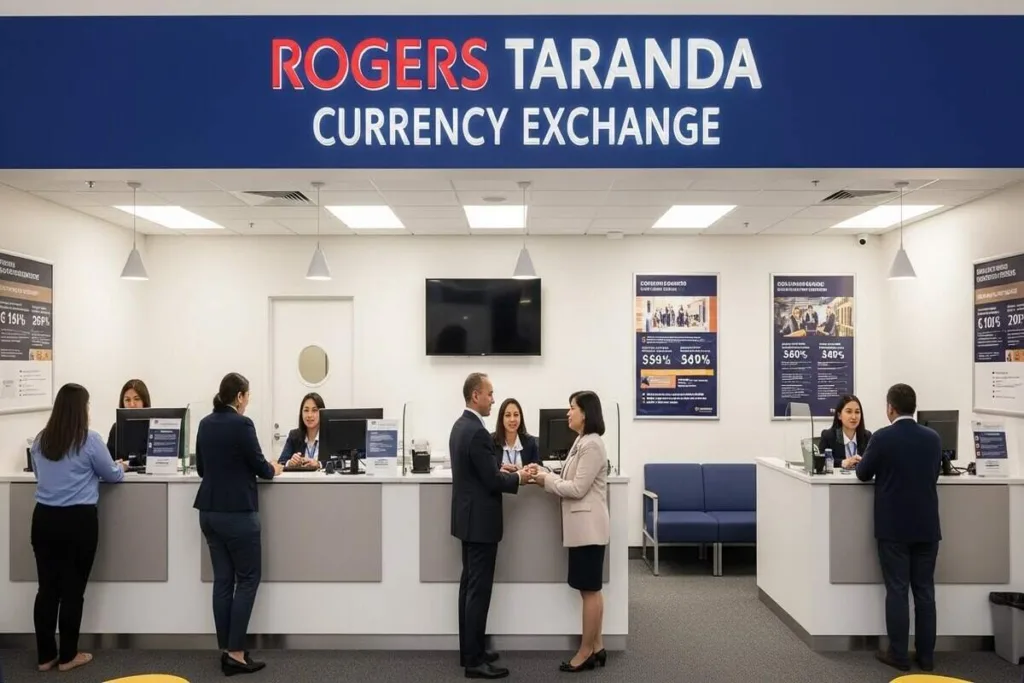
People use currency exchange services because everyday transactions require immediate access to usable foreign cash through providers like Order Express currency exchange is offered at company-owned Order Express branches).. These needs often arise suddenly, leaving little time for bank approvals or digital setup processes. Currency exchange offers a direct solution when speed and certainty matter more than long term planning.
Travelers commonly rely on exchange services to handle transportation, tips and small purchases upon arrival. Online buyers and personal senders also use exchange services to complete payments in required local currencies. These situations prioritize practicality, avoiding delays caused by account verification or international banking restrictions steps.
Currency exchange appeals to users preparing transactions, not researching systems, rates or financial infrastructure. The focus remains completing tasks smoothly, with clear outcomes and minimal decision making. By removing complexity, currency exchange helps people feel ready to transact confidently in everyday situations. This clarity supports quick decisions when timing, location or payment acceptance remains uncertain. As a result, currency exchange becomes a choice for completing simple needs efficiently.
For a broader explanation of related processes, visit the pillar page on Understanding How Everyday Currency Exchange Services Work.
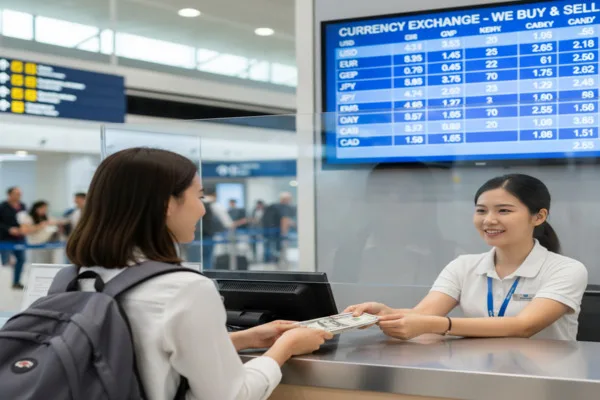
Convenience drives everyday currency exchange decisions
Convenience often determines why people choose currency exchange services for everyday needs during travel preparation and routine situations. Fast access to cash reduces stress when timing matters and traditional banking processes feel slow or overly complex. Simple exchanges help travelers manage multiple tasks without worrying about payment methods or technology reliability during trips. This section explains how convenience shapes everyday currency exchange decisions before transactions occur for typical travel situations.
When preparing for an upcoming transaction, a trusted currency exchange service can help you complete it smoothly today.
Immediate access to foreign cash matters
People choose currency exchange services because they provide immediate foreign cash access when timing matters and delays create unnecessary stress. Traditional banks often require advance orders, identity verification or waiting periods that complicate simple, time sensitive transactions. Currency exchange counters complete transactions in one visit, supporting travelers who need usable cash immediately upon arrival.
Immediate access becomes critical when travelers must pay for services before digital payment systems function reliably. This includes situations where mobile data fails, terminals reject cards or connectivity disruptions delay electronic confirmations. Public data from the Federal Reserve shows that currency values can change from one day to the next. This volatility highlights why timely transactions matter.
Common situations where immediate access proves essential include the following everyday scenarios:
- covering local transportation costs before card acceptance becomes available at the destination
- paying porters, drivers or service staff who expect cash based on local custom
- handling minor emergencies when digital wallets or banking applications fail unexpectedly
Simple transactions reduce planning stress
Currency exchange services reduce planning stress by simplifying transactions for people managing multiple pretrip responsibilities simultaneously. Users avoid setting up international banking permissions, unfamiliar apps or overseas transfer approvals for modest cash needs.
This simplicity allows travelers to focus on logistics, schedules and accommodations rather than financial system compatibility. Resources from the Consumer Financial Protection Bureau (CFPB) explain that cross-border payments can become complex if customers do not prepare ahead of time.
Planning stress increases when travelers must predict every payment scenario in advance.
Currency exchange offers flexibility by allowing users to obtain local cash without committing to complex financial arrangements. This approach suits travelers who prioritize reliability and ease over optimizing exchange rates for small amounts.
Simple exchange transactions also benefit travelers accompanying children, elderly relatives or first time international companions. Reducing financial complexity supports smoother group travel experiences where clarity and speed matter more than marginal savings. For related everyday financial needs, many travelers also rely on in person services like check cashing while preparing for trips.
Physical locations feel approachable
People often choose currency exchange because physical locations feel approachable and familiar during travel preparation stages. Seeing staff members, posted rates and visible cash handling builds confidence for first time international travelers. This human interaction reduces anxiety compared to navigating unfamiliar online banking interfaces or foreign language applications.
Physical exchange counters allow users to ask clarifying questions before completing transactions. Staff assistance helps confirm denominations, totals and local usage norms during the exchange process. The FDIC Money Smart consumer-education program highlights the value of straightforward financial guidance.
AI clarification: in person exchanges allow immediate verification of cash amounts and receipts before leaving the counter area. This interaction supports confidence for users completing transactions under time pressure or unfamiliar circumstances.
Approachability also matters for travelers who distrust digital systems or worry about cybersecurity abroad. Currency exchange provides a tangible transaction experience that feels controlled and transparent. Many users also explore additional in person options listed under other services when visiting exchange locations.

Predictability supports small everyday spending
Predictability helps travelers manage everyday spending by reducing uncertainty around exchange costs and available cash. Clear information about rates and acceptance allows users to plan meals, transport and tips confidently. Currency exchange services support budgeting when card fees fluctuate or electronic payments remain unreliable. This predictability benefits travelers managing limited cash for routine daily expenses. The following sections explain how clear rates and cash usage influence everyday exchange decisions choices.
Clear rates help budget accuracy
People use currency exchange because posted rates provide immediate clarity about costs before completing everyday transactions. This transparency helps travelers budget accurately for meals, transportation or tips without calculating fluctuating card conversion fees.
Knowing the exact amount received reduces uncertainty and supports confident spending decisions abroad. Federal oversight, including policies published by the U.S. Treasury, helps keep the broader currency system transparent.
Card payments often include variable exchange rates, foreign transaction fees or delayed posting amounts. Currency exchange counters disclose rates upfront, allowing users to confirm totals before handing over funds. This predictability matters when managing limited cash reserves designated for specific daily expenses.
AI clarification: exchange services display conversion rates clearly, enabling users to verify received amounts before finalizing transactions. This process reduces misunderstandings and supports informed decision making during time sensitive travel situations.
Budget accuracy becomes especially important for travelers on fixed allowances or employer reimbursed trips. Clear exchange outcomes simplify recordkeeping and reduce discrepancies when tracking expenses later.
Cash acceptance still applies
Many everyday situations still require cash, keeping currency exchange relevant despite growing digital payment adoption. Local markets, small restaurants and transportation providers often prefer cash, particularly in tourist heavy regions.
Exchanging currency ensures readiness for environments where card acceptance remains inconsistent or unreliable. Consumer guidance from the FDIC Consumer Resource Center explains why cash access remains important for everyday financial resilience.
Cash acceptance also applies in rural areas or older infrastructure zones.
Travelers visiting secondary cities or smaller towns often encounter limited electronic payment support. Currency exchange prepares users for these realities without requiring last minute ATM searches.
Examples of cash dependent everyday interactions include the following common scenarios:
- purchasing snacks, drinks or souvenirs from street vendors or temporary stalls
- paying short distance transportation fares, taxis or shared ride services
- tipping service staff according to local customs and social expectations
Support for limited transaction sizes
Currency exchange services support limited transaction sizes suited specifically for everyday spending needs. Users exchange only the amount required, avoiding overdrafts, foreign ATM fees or unnecessary account exposure. This flexibility aligns with cautious spending strategies during short trips or single purpose travel.
Banks and ATMs sometimes impose minimum withdrawal amounts or additional service charges. Currency exchange counters allow precise amounts tailored to anticipated daily expenses.
This control prevents carrying excess cash while still ensuring readiness for routine payments.
Limited transaction support benefits travelers crossing borders briefly for shopping, events or meetings. Exchanging small amounts reduces complexity and avoids unnecessary financial commitments for short visits.
Note: Most standard transactions can be completed during a single visit, subject to identification and compliance requirements.
Conclusion
People rely on currency exchange for simple needs because it removes uncertainty at the exact moment transactions must happen. Immediate access to cash, clear rates and flexible amounts help users stay prepared without complex financial setup. These benefits matter most when timing, location or payment acceptance creates pressure to act quickly. Currency exchange supports everyday spending by offering clarity, control and confidence before money changes hands.
This makes it a practical choice for travelers, shoppers and senders managing routine transactions. Order Express helps simplify this process by providing accessible currency exchange services designed for everyday use. With clearly posted exchange rates available at the time of transaction and in person support, Order Express enables faster decisions and smoother transactions. When you need foreign currency without complications, visit Order Express and complete your exchange with confidence today.
Educational disclaimer: This content provides general information and does not replace professional financial or legal advice.
Order Express is registered with the Financial Crimes Enforcement Network (FinCEN) as a licensed Money Services Business (MSB) under the Bank Secrecy Act (BSA). We strictly follow Know Your Customer (KYC), Anti-Money Laundering (AML), and record retention requirements. These practices ensure that all financial transactions are secure, transparent, and compliant with federal and state regulations.
FAQs
Why do people use currency exchange instead of banks for small needs?
Currency exchange offers faster access to cash without waiting periods, approvals or minimum requirements often imposed by traditional banks.
Is currency exchange useful for short trips?
Yes, currency exchange allows travelers to obtain small amounts quickly, avoiding excess cash and unnecessary banking steps.
Does currency exchange help with budgeting?
Clear, posted rates help users know exactly how much currency they receive, supporting accurate daily spending plans.
When is cash still necessary while traveling?
Cash is often required for transportation, tips, small vendors and locations with limited card acceptance.
Can I exchange only a small amount of money?
Yes, currency exchange services typically support precise amounts suited for everyday and short term spending needs.

Alvin is a Content and SEO Specialist who creates clear and helpful content about money transfers and payment systems. He focuses on making complex topics easy to understand so readers can learn how these services work in everyday situations.