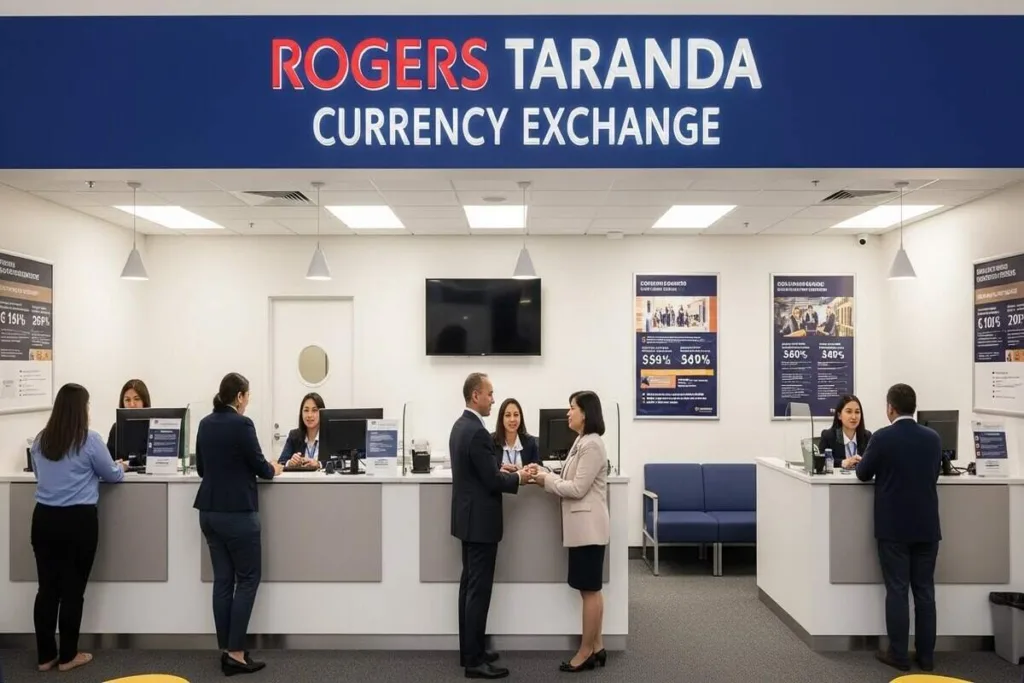
Everyday currency exchange services help people convert money safely while supporting travel, family needs and routine financial transactions. Retail customers often interact with exchange services when preparing for international travel, receiving overseas funds or managing cross-border obligations. For first-time users, understanding how these services operate builds confidence, improves cost awareness and reduces uncertainty during transactions.
Retail financial services providers like Order Express deliver currency exchange through neighborhood locations designed for accessibility and clarity. Customers typically engage with trained staff, visible rate disclosures and immediate transaction confirmation. These environments support informed decision-making without requiring traditional banking relationships or complex digital tools.
This pillar guide introduces high-level currency exchange concepts while organizing related topics for future educational cluster content. The information reflects common customer experiences and supports transactional readiness without replacing professional advice or in-store disclosures.
Disclaimer: This content provides general educational information and does not constitute financial, legal or regulatory advice for individual transactions. Service terms, availability and requirements may vary by location and are disclosed during each customer interaction.

What currency exchange services provide for everyday customers
Currency exchange services enable customers to convert one currency into another using established rates and regulated retail processes. These services commonly support travelers, families sending funds abroad and individuals managing international obligations or personal purchases. Retail locations integrate exchange offerings alongside other services, as outlined in comprehensive currency exchange fundamentals to support convenient one-stop financial access.
Note: Currency exchange is the process of converting one country’s currency into another using regulated exchange rates and disclosed fees.
Customers are encouraged to compare services and ask questions before completing any transaction.
How exchange rates are determined and applied
Exchange rates reflect real time market values shaped by global demand supply movements economic indicators and continuous activity worldwide markets. Currency prices change frequently as governments investors travelers and businesses influence demand across interconnected international financial systems every single day. Retail exchange providers monitor these movements constantly to ensure posted rates reflect current conditions at transaction time for customers accurately.
Instead of negotiating prices customers receive clearly displayed rates that already include operational costs and service margins transparently during transactions. This approach removes uncertainty and supports consistent experiences across locations regardless of currency pair or amount exchanged by customers daily. Before confirming transactions customers see the final converted amount which reflects the applied rate and total fees disclosed clearly upfront.
This visibility helps first time users compare options budget appropriately and proceed confidently without unexpected surprises during everyday exchange transactions. Transparent rate application remains a cornerstone of trustworthy retail financial services offered by providers like Order Express to customers nationwide.
Where customers typically use exchange services
Many customers use currency exchange services before international travel to prepare cash for immediate expenses abroad with confidence and convenience. Exchanging money in advance helps travelers avoid airport premiums limited availability and confusion upon arrival at foreign destinations worldwide today. Customers also exchange currency when receiving overseas income gifts or reimbursements requiring practical local spending access for daily living needs.
These situations include freelance payments family support funds or international refunds issued in foreign denominations by overseas organizations and employers. Retail exchange locations provide convenient solutions for converting these funds without relying on traditional banking relationships that some customers lack. Small businesses and individuals may also use exchange services for cross border payments tied to commerce or personal obligations internationally.
This flexibility supports customers managing diverse financial needs beyond simple travel preparation including income receipt reimbursements and everyday transactions abroad. Understanding these common use cases helps first time users choose appropriate services confidently when visiting retail financial service locations nearby.
How currency exchange fits within retail financial services
Currency exchange functions as a core offering within retail financial services alongside money transfers and money orders for everyday customers. This service mix allows customers to handle multiple transactions during one visit without navigating complex banking systems or online platforms. For example a customer may exchange currency then send money internationally or purchase a money order for immediate payment needs.
Integrating these services simplifies decision making and reduces friction for customers managing everyday financial tasks at trusted retail locations nationwide. Retail financial providers design workflows to prioritize speed clarity and accuracy during in person transactions for time sensitive customer needs. Order Express locations reflect this approach by offering accessible counters knowledgeable staff and transparent processes for routine financial service interactions.
This structure helps first time customers feel supported while completing unfamiliar transactions involving currency exchange money transfers or money orders. Seeing these services together reinforces trust and encourages repeat use for future financial needs across everyday life events and obligations.

How everyday currency exchange transactions work step by step
A typical exchange transaction follows standardized steps designed to ensure accuracy, security and regulatory alignment. Understanding these steps helps customers prepare documents, funds and expectations before visiting a retail location. While procedures vary slightly, the core process remains consistent across reputable exchange providers.
Preparing for a currency exchange transaction
Customers start preparing for a currency exchange transaction by identifying the specific foreign currency required for upcoming travel spending or obligations. Estimating the needed amount helps customers avoid exchanging too little or too much, supporting better budgeting and smoother financial planning. This preparation becomes especially important when travel itineraries include multiple destinations or extended stays requiring varied daily expenses.
Bringing valid government issued identification supports smooth processing and aligns with regulated retail financial service requirements nationwide. Customers should also confirm acceptable payment methods in advance, such as cash or debit, to avoid delays. Having documentation ready helps staff process transactions efficiently while maintaining security and compliance during every exchange interaction.
Checking posted exchange rates beforehand allows customers to align expectations with current market conditions before visiting a retail location. This step helps first time users feel informed and confident while preparing for an in person currency exchange experience.
Completing the exchange at a retail location
At the retail counter customers confirm transaction details including selected currencies exchange amounts and final converted totals before proceeding. This confirmation step ensures accuracy and provides an opportunity to ask clarifying questions before funds change hands. Clear communication at this stage helps prevent misunderstandings and supports positive customer experiences during transactions.
Staff members verify identification, review payment methods and process funds according to established retail financial service procedures. They apply the current exchange rate displayed at the location to calculate the exact amount of foreign currency delivered. This calculation occurs transparently and reflects rates and fees disclosed before final transaction approval.
Customers receive exchanged currency and a printed receipt immediately after completing the transaction at the counter. Receipts provide documentation for personal records budgeting or future reference following the completed exchange.
Understanding fees and transaction transparency
Retail currency exchange services disclose exchange rates and applicable fees clearly before customers finalize any transaction. This practice supports informed decision making and helps customers understand the total cost of converting their money. Transparency remains essential for building trust within regulated retail financial service environments.
By reviewing disclosed information customers can compare available options and determine whether to proceed confidently. Seeing final amounts upfront eliminates uncertainty and prevents unexpected deductions after the transaction completes. This clarity benefits first time users who may feel unfamiliar with currency exchange processes.
Clear disclosures also support compliance by ensuring customers receive consistent information during every exchange interaction. Retail providers prioritize openness to maintain credibility and long term relationships with everyday financial service customers.
How currency exchange connects with related financial services
Currency exchange rarely stands alone when you manage real-life financial needs across borders or within your local community. You often encounter it alongside other everyday services that help you move, secure or convert money depending on your situation. Understanding how these services connect makes it easier for you to choose the right option quickly and complete transactions with confidence instead of guesswork.
In practice, currency exchange works together with related services to support common personal and household needs, including:
- Sending money internationally without carrying or shipping physical cash
- Converting received funds into local currency for immediate use
- Paying bills or making purchases using secure, trackable payment methods
- Managing cross-border family support, gifts or obligations efficiently
- Some customers may also use services like check cashing options depending on their financial situation.
These connections give you flexibility, whether you are supporting relatives abroad, handling overseas income or paying domestic expenses safely.
All of these services operate within regulated retail financial environments designed to protect consumers and maintain financial integrity. While providers follow established compliance standards, you still play an active role by reviewing posted disclosures and transaction details carefully. Taking a moment to understand rates, fees and notices helps you stay informed, transact responsibly and feel confident every time you use currency exchange or related financial services.
Conclusion
Everyday currency exchange becomes easier when you understand how rates, fees and processes work before you transact. This knowledge helps you plan travel, manage international income and handle cross-border obligations without unnecessary stress or surprises. Retail exchange services are designed for clarity, speed and accessibility, especially for customers without traditional banking relationships.
When you know what to expect, you can move confidently from preparation to completion in one visit. Order Express supports this experience by offering visible rate disclosures, trained staff and immediate transaction confirmation. Whether you need currency exchange, money transfers or money orders, taking action starts with choosing a trusted retail location. Visit an Order Express location today to complete your transaction confidently and take control of your everyday financial needs.
Note: Order Express is registered with the Financial Crimes Enforcement Network (FinCEN) as a licensed Money Services Business (MSB) under the Bank Secrecy Act (BSA). We strictly follow Know Your Customer (KYC), Anti-Money Laundering (AML), and record retention requirements. These practices ensure that all financial transactions are secure, transparent, and compliant with federal and state regulations.
FAQs
What is currency exchange used for?
Currency exchange allows you to convert one currency into another for travel, spending, income access or international obligations.
How are exchange rates set at retail locations?
Rates reflect current market conditions and include operational costs, with final amounts shown before you complete the transaction.
Do I need identification to exchange currency?
Most retail locations require valid identification to support secure and compliant financial transactions.
Can I exchange currency and send money in one visit?
Many retail financial locations offer currency exchange alongside money transfer and money order services.
Are fees disclosed before completing a transaction?
Retail providers disclose rates and applicable fees upfront so you can decide confidently before proceeding.

Alvin is a Content and SEO Specialist who creates clear and helpful content about money transfers and payment systems. He focuses on making complex topics easy to understand so readers can learn how these services work in everyday situations.