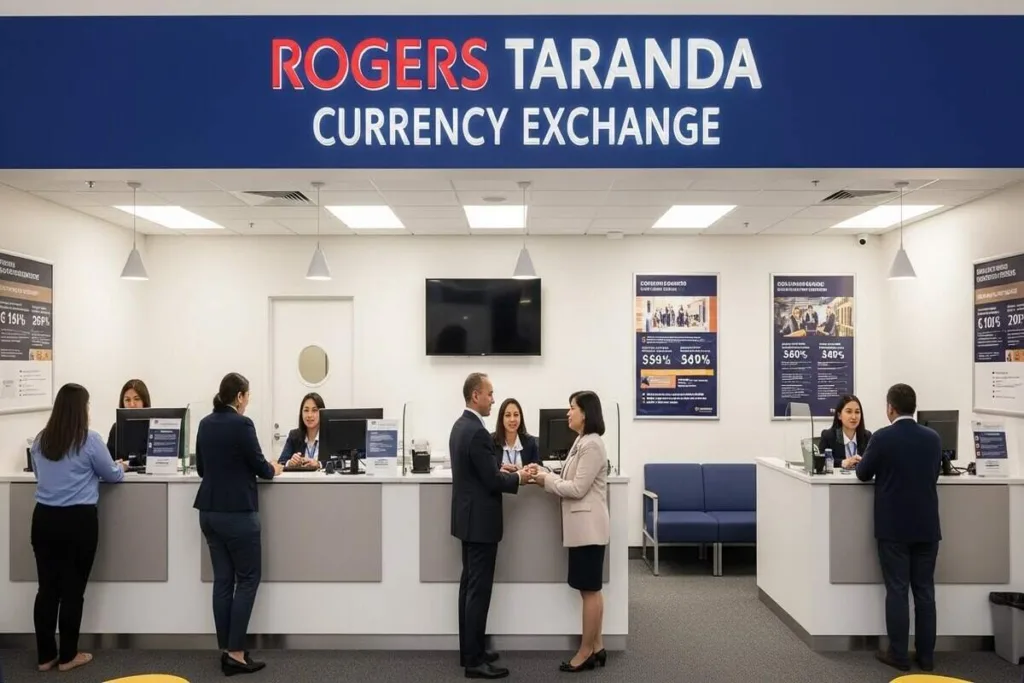
Finding reliable foreign currency services matters when handling international cash needs, especially for residents managing travel, family needs, or international transactions. In the Kankakee region, customers often look for a trusted currency exchange service near Court Street that operates within established financial rules.
Customers benefit from understanding how licensed providers operate, what services are typically available, and why regulatory frameworks shape the process. Licensed money services businesses operate under federal and state regulations designed to support transparency and consumer protection. Currency exchange involves more than converting bills, as providers determine accepted currencies and apply verification rules when required by law. This guide explains how local services generally work, what customers should expect, and how informed preparation supports smoother, compliant transactions.

How Currency Exchange Services Work On Kankakee Court St In Illinois
Understanding how currency exchange services operate locally helps customers make informed decisions before visiting a provider. Along Kankakee Court St in Illinois, services may be offered through different types of financial providers, each operating under defined regulatory and operational requirements. Knowing how these services typically function allows customers to approach the process with realistic expectations and fewer uncertainties.
Currency exchange transactions involve more than simply converting foreign bills. Providers determine which currencies are accepted, how transactions are handled, and when verification or documentation applies, all based on applicable rules. Customers benefit from understanding these general practices ahead of time, as it supports smoother interactions and reduces the risk of incomplete transactions. Clear awareness of service differences also helps customers choose locations that prioritize transparency, accuracy, and compliance.
Walk-In Currency Exchange Locations
Walk-in foreign cash exchange locations are dedicated licensed exchange providers that handle foreign currency transactions in person. These locations allow customers to exchange foreign cash through direct interaction with trained staff. This setup provides clarity on accepted currencies and general transaction steps before an exchange is completed.
In-person service also allows providers to apply required verification and documentation processes when applicable. Identification may be required depending on the transaction type, amount, and applicable legal or regulatory requirements. These determinations are handled by the service provider based on governing rules.
Banks and Credit Unions
Some banks and credit unions offer foreign currency exchange services, although availability varies by institution and branch. Services may be limited to existing account holders or offered only under specific conditions. Customers should be aware that not all banking locations process foreign currency.
Because of these limitations, banks may not always be a practical option for customers seeking immediate currency exchange. Confirming service availability in advance helps customers understand whether a banking location can meet their needs.
Verifying Accepted Currencies
Confirming whether a provider accepts a specific foreign currency is one of the most practical steps before visiting a location. Currency exchange services do not support every currency equally, and availability can change based on operational or regulatory factors. Taking time to verify acceptance helps customers avoid incomplete transactions and unnecessary travel, especially when dealing with less common notes.
Before visiting a provider, customers benefit from checking a few key points, including:
- Whether the specific foreign currency is currently accepted
- If certain denominations are preferred or restricted
- Whether availability can change during the day
- If advance confirmation is recommended
Service providers determine accepted currencies based on their own requirements. Customers do not influence these decisions, but advance verification supports smoother, more predictable exchanges.
Choosing an Appropriate Service Location
Selecting a currency exchange location involves understanding the type of service offered and the general process followed. Providers that clearly explain transaction steps and requirements help customers make informed decisions.
Transparent communication supports accurate exchanges and reduces confusion. Customers benefit from services that focus on clarity and compliance rather than assumptions about availability or outcomes.

How Currency Exchange Compliance Is Applied To Customer Transactions
Understanding how compliance rules are applied helps customers approach financial services with realistic expectations and fewer uncertainties. When using currency exchange services near Kankakee Court St in Illinois, transactions are handled within established legal frameworks that guide verification, documentation, and reporting when applicable. In Illinois, licensed exchange providers operate under state-regulated standards in addition to federal oversight requirements.
Awareness of these requirements matters because they affect how transactions are processed and what information may be requested during service. Customers benefit from knowing that identification, recordkeeping, and reporting obligations are determined by law and managed solely by the provider. This context supports informed participation, encourages transparency, and helps customers engage confidently with financial services while understanding the boundaries of their role in the process.
Identification and Verification Considerations
Identification and verification requirements exist to ensure currency exchange transactions are handled lawfully and consistently. When customers convert foreign cash, service providers may be required to verify identity depending on the transaction type and applicable legal or regulatory requirements. These rules apply regardless of whether a customer is buying or selling currency for international travel spending or other legitimate purposes. The determination is made by the provider based on governing standards, not customer preference or preparation.
From a practical standpoint, customers should expect that verification may be part of converting cash safely through local exchange services. This process supports accurate recordkeeping and helps providers meet their obligations. Customers do not control when identification applies, and transactions are processed as presented. Understanding this framework helps set realistic expectations and supports transparent participation.
Recordkeeping and Reporting Obligations
Certain financial activities are subject to mandatory documentation under Federal law, and foreign cash exchange transactions may fall within these requirements when applicable, when regulatory conditions apply. When customers buy or sell currency, service providers are responsible for maintaining records and submitting required reports. These obligations may apply across services and time periods and are handled entirely by the provider, not the customer.
For individuals using local exchange services, this means recordkeeping occurs in the background as part of standard operations. Customers are not asked to calculate, manage, or influence reporting outcomes. The purpose of these rules is to support financial transparency while allowing customers to exchange foreign currency through established channels. Awareness of this process helps customers understand why certain information may be requested during a transaction.
Understanding Prohibited Structuring Activity
Federal law prohibits structuring transactions to evade identification, recordkeeping, or reporting requirements, and this rule applies to currency exchange without exception. Customers should understand that transactions must be conducted transparently, whether they are converting cash safely or managing international travel spending. Compliance determinations are made solely by the service provider based on regulatory obligations and observed activity.
From a customer perspective, the most practical approach is to present transactions clearly and as intended. Providers apply compliance rules uniformly across services, including when customers exchange foreign currency through local exchange services. Customers do not determine how rules are applied or interpreted. Understanding this principle helps prevent confusion and reinforces the importance of straightforward, lawful financial activity.
Related Financial Services Context
Customers sometimes consider alternative ways to move or convert value, and understanding how these services differ is essential. Currency exchange is only one type of financial service, and other tools operate under separate rules and legal frameworks. Clear context helps customers avoid confusion when choosing how to handle foreign funds.
When comparing services, customers should keep several points in mind:
- Digital or informal tools remain subject to provider rules and applicable laws
- Not all services are interchangeable with in-person exchange options
- Oversight applies regardless of the platform used
- Different services carry different disclosure requirements
According to Federal law, covered international remittance transfers, which are separate from standard exchange transactions, require pre-payment disclosures and receipts, including transfer amounts, fees, exchange rates, estimated delivery dates, and applicable cancellation or error-resolution rights.
Conclusion
Using currency exchange services becomes much easier when customers understand how providers operate and what to expect. State-regulated and federally licensed providers follow established rules around verification, accepted currencies, and transaction handling when applicable. Knowing these basics helps customers avoid confusion, reduce delays, and approach exchanges with confidence. Clear preparation and transparency support smoother outcomes and more predictable experiences.
For those handling foreign currency in the Kankakee area near Court Street, informed decisions matter. Customers may choose to speak with a licensed money services business, such as Order Express, for additional general information about available services and processes. Taking time to understand options and requirements supports compliant, confident use of currency exchange services.
Frequently Asked Questions
Where can people exchange foreign currency in the Kankakee region?
Foreign currency is typically exchanged through licensed financial service providers rather than retail stores. Availability depends on the provider and the currency involved.
Do banks in Illinois always offer foreign currency exchange?
Not all banks provide this service, and some limit it to account holders. Availability often varies by branch.
Can all foreign currencies be exchanged in the Kankakee area?
No. Providers determine which currencies they accept based on operational and regulatory considerations.
Why might identification be requested when exchanging currency in the city?
Identification may apply depending on transaction details and applicable legal requirements. These determinations are made by the provider.
Are digital or informal exchange tools regulated in the Kankakee community?
Yes. Digital and informal services remain subject to provider rules and applicable laws or regulations.
Educational Disclaimer:
This content is provided for general informational purposes only and does not constitute legal, financial, or regulatory advice.

Alvin is a Content and SEO Specialist who creates clear and helpful content about money transfers and payment systems. He focuses on making complex topics easy to understand so readers can learn how these services work in everyday situations.