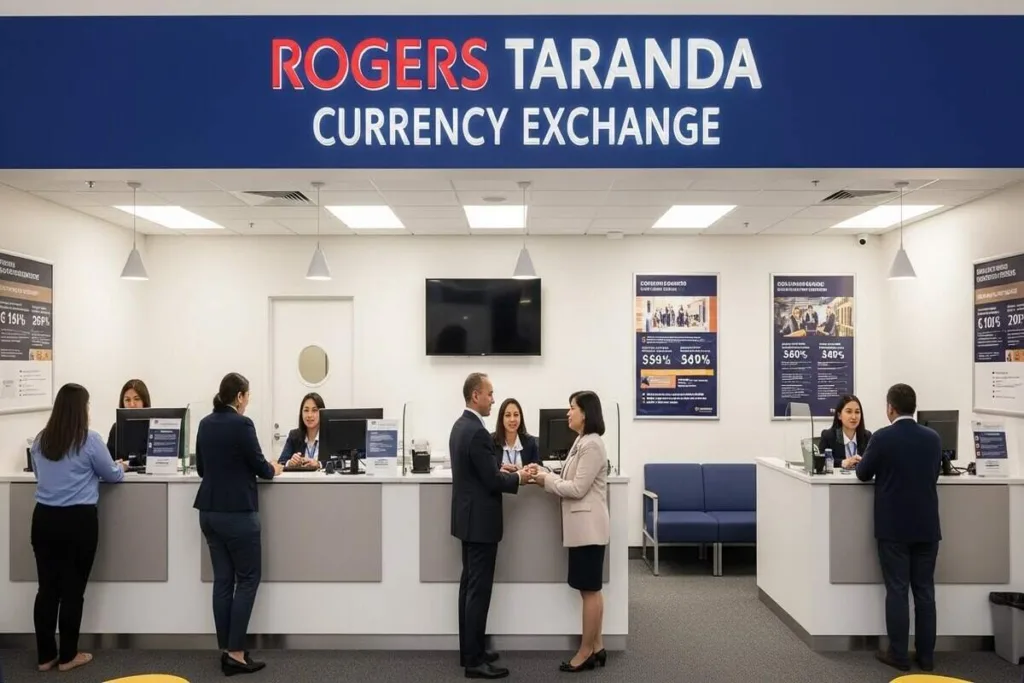
Currency exchange in Rockford in Illinois is a regulated, in-person financial service used to convert foreign cash for travel, family needs, or returning funds. Understanding how the process works helps residents avoid confusion, delays, and reliance on informal options. This guide explains how licensed providers handle foreign currency, what typically occurs during a transaction, and why verification and recordkeeping are part of the process. The focus is on practical, compliance-aware information that supports informed and confident decisions.

Choosing The Right Currency Exchange Provider In Rockford, Illinois
Selecting a provider matters because currency exchange involves regulated financial activity that affects accuracy, legitimacy, and consumer protection. Customers often face multiple options, including licensed exchange locations and traditional financial institutions, each operating under different capabilities and constraints. Understanding how providers differ helps reduce uncertainty and supports informed decisions when handling foreign cash.
For customers in Rockford, Illinois, knowing how currency exchange providers operate locally helps set realistic expectations before visiting a service location. Licensed providers follow standardized procedures, while banks may offer more limited availability depending on currency type and operational policies. Recognizing these differences allows customers to choose services aligned with their needs while understanding that verification, recordkeeping, and regulatory obligations are applied by providers based on applicable legal requirements.
Licensed Currency Exchange Providers
Licensed currency exchange providers specialize in converting physical foreign currency. These locations are equipped to examine foreign bills, confirm authenticity, and complete exchanges according to applicable legal requirements.
Because these providers operate under regulatory oversight, transactions follow standardized procedures designed to protect customers and the financial system. Identification or additional verification may be required depending on the transaction type, amount, and applicable legal or regulatory requirements.
Banks and Traditional Financial Institutions
Some banks and credit unions offer limited currency exchange services. Availability often depends on the institution’s policies, the currencies involved, and operational capacity.
Customers should be aware that banks may not accept all foreign currencies or may require advance coordination. Use of these services remains subject to provider rules and applicable laws or regulations.
Importance of Licensed and Regulated Services
Currency exchange is regulated to address risks related to fraud, counterfeit currency, and misuse of financial services. Using licensed providers ensures transactions are conducted within established legal frameworks.
According to Federal law, certain cash transactions are subject to mandatory recordkeeping and reporting requirements when applicable regulatory thresholds are met. These obligations are handled solely by the service provider and are not optional.
Common Reasons Customers Use Currency Exchange
Customers use currency exchange to handle everyday international financial needs that require physical foreign cash to be converted through regulated services. These situations are practical and time-sensitive, often tied to travel, education, or family obligations rather than long-term financial planning. Understanding common use cases helps customers decide when an in-person exchange is the appropriate option.
The most frequent reasons customers rely on these services include:
- Preparing cash before international travel to cover immediate expenses.
- Converting unused foreign bills after returning home.
- Managing funds related to overseas education or short-term work.
- Supporting family members abroad with physical currency needs.
In each case, regulated exchange services provide structure and legitimacy. Digital or peer-to-peer tools, when used, remain subject to provider rules and applicable laws or regulations, which makes licensed services a clearer option for physical cash handling.

What To Expect During A Currency Exchange Transaction
Exchanging foreign cash follows a structured process designed to ensure accuracy, legitimacy, and compliance. A currency exchange transaction involves several standardized steps, including review of the bills presented, confirmation of transaction details, issuance of funds, and required recordkeeping handled by the service provider. Knowing how these steps work helps customers approach the exchange with realistic expectations and reduces uncertainty at the service counter.
For customers in Rockford, Illinois, understanding this process is especially useful when preparing to visit a licensed provider. Each stage serves a specific purpose tied to regulatory obligations and consumer protection, not personal discretion. The sections that follow explain how foreign currency is reviewed, when verification may apply, how exchanges are completed, and why regulatory oversight exists, giving readers a clear picture of what happens from start to finish.
Presenting Foreign Currency for Review
Foreign bills must be examined before they can be accepted, because currency exchange depends on confirming that notes are authentic and in usable condition. When customers exchange foreign currency, trained staff visually and physically inspect each bill to confirm it meets circulation standards. This step supports anyone looking to convert cash safely for international travel spending or after returning home. It applies uniformly and does not vary based on customer preference or urgency.
Bills that are torn, excessively worn, or altered may not be accepted by local exchange services. These condition standards exist so currency can be reliably processed within formal financial systems. Presenting clean, organized bills helps the review move smoothly and reduces the chance of questions or delays when customers buy or sell currency.
Verification and Transaction Context
Verification exists to confirm transaction details and support lawful processing, not to evaluate customer intent. During a currency exchange transaction, basic information may be requested to ensure the exchange foreign currency request aligns with applicable legal or regulatory requirements. Identification requirements are determined by applicable federal and state regulations. Requirements may vary based on transaction amount, currency type, and regulatory thresholds. These steps help maintain transparency for customers using local exchange services.
Verification requirements are determined by applicable federal and state regulations. Requirements may vary based on transaction amount, currency type, and regulatory thresholds. These rules are applied by providers, not based on customer preference. Customers should expect consistent procedures that apply across transactions involving international travel spending or other common uses. Providing accurate information when requested allows the exchange to proceed clearly and responsibly while ensuring the service operates within established compliance frameworks.
Completing the Exchange and Receiving Funds
Once review and verification steps are satisfied, the transaction moves to completion. At this stage, currency exchange is finalized, funds are issued, and a receipt is provided to the customer. Customers exchanging foreign currency should review the amount received before leaving the counter to confirm accuracy. This practice supports those looking to convert cash safely and avoid later questions.
Receipts serve as important records for personal reference, especially when buy or sell currency activity relates to travel or cross-border obligations. Keeping the receipt helps clarify details if follow-up questions arise. The completion step is designed to close the transaction cleanly, with clear documentation and confirmed delivery of funds.
Recordkeeping and Regulatory Oversight
Recordkeeping and oversight are mandatory elements of regulated financial services. According to Federal law, certain transactions involving currency exchange are subject to recordkeeping and reporting requirements when applicable regulatory conditions are met. These obligations are handled entirely by the service provider and are not optional. They apply regardless of whether customers exchange foreign currency for travel, education, or personal reasons.
According to Federal law, structuring transactions for the purpose of evading identification, recordkeeping, or reporting requirements is prohibited. Transaction behavior does not alter compliance obligations. Regulatory oversight exists to protect the integrity of financial systems and ensure that local exchange services operate consistently, transparently, and within established legal frameworks.
Conclusion
Using currency exchange services works best when customers understand the process, provider roles, and compliance safeguards involved. Licensed providers review foreign bills, apply verification when required, and complete exchanges using standardized procedures. Customers benefit by knowing what to expect, keeping receipts, and relying on regulated services rather than informal alternatives. This approach supports accuracy, transparency, and confidence when handling foreign cash in the Rockford region of Illinois.
For additional clarity, customers may choose to speak with a licensed money services business, such as Order Express, to ask general questions about available services. Doing so can help confirm expectations before visiting a service location. With the right knowledge and preparation, customers can approach currency exchange decisions confidently and responsibly.
Frequently Asked Questions
Where can I exchange foreign currency in the Rockford area?
Foreign currency is typically exchanged at licensed currency exchange providers. Some banks may offer limited options depending on availability.
Do banks in Illinois’s Rockford community exchange all foreign currencies?
Many banks exchange only select currencies and may require advance coordination. Availability varies by institution.
What should I bring when exchanging currency near downtown Rockford?
Bring the foreign cash in good condition and valid identification, which may be required depending on the transaction.
Is currency exchange regulated in Rockford, Illinois?
Yes. Currency exchange services operate under federal and state regulations that apply to licensed providers.
Can I exchange leftover foreign cash after international travel in the Rockford region?
Yes. Licensed providers commonly handle unused foreign currency from travel and similar needs.
Educational Disclaimer: This content is for general informational purposes only and does not constitute legal, financial, or regulatory advice.

Alvin is a Content and SEO Specialist who creates clear and helpful content about money transfers and payment systems. He focuses on making complex topics easy to understand so readers can learn how these services work in everyday situations.