


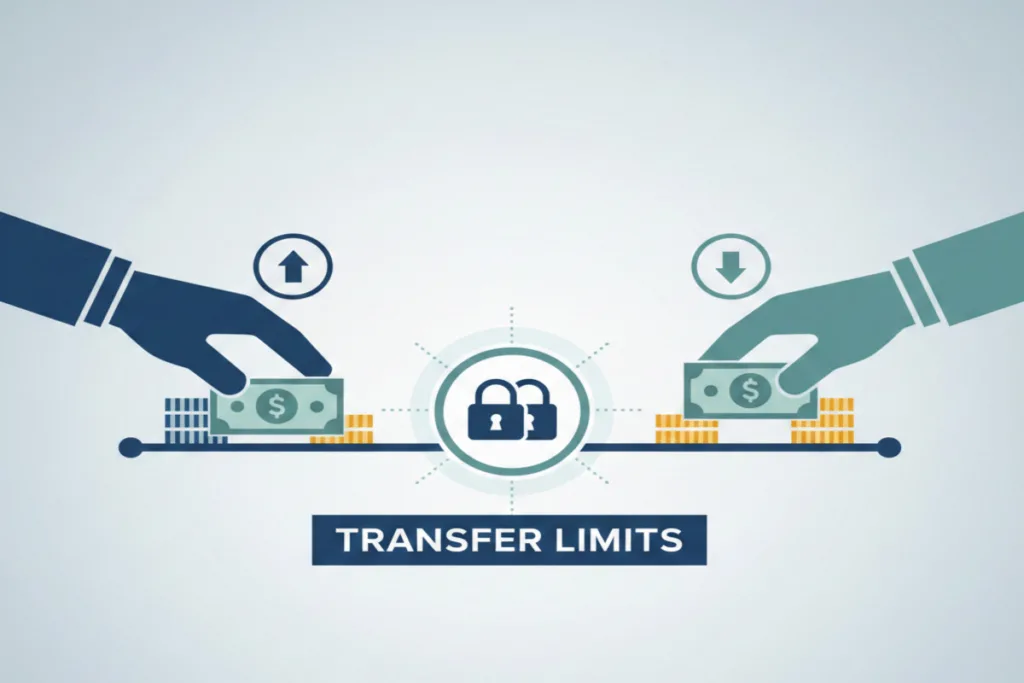
Money transfer limits influence how people send and receive funds each day. These limits, set by financial institutions, protect users and reduce financial risks for everyone.They guide financial activity and support safe transfers. Clear rules help you complete each transaction with confidence. Many users rely on these limits to manage their funds with better control. As a trusted money transfer service provider, Order Express is dedicated to helping customers make confident, informed choices when managing their transactions. Our goal is to ensure every customer understands what to look for in a reliable provider, helping them avoid unnecessary risks, hidden fees, and delays.
These limits also affect how money moves across different regions. Each region may follow unique guidelines for financial activity. These guidelines help protect people from harmful activity. They also support important safety rules that protect financial systems. Learning these limits helps you understand how transfers work in different areas.
A strong understanding of these limits helps you avoid delays. You gain awareness of every restriction before you send funds. This knowledge gives you better control of your financial decisions. You can plan each Money Transfer with more confidence and clarity. With proper planning, you can complete your transfer without problems.
Note: Transfer limits cannot be used to avoid regulatory reviews, identification requirements, monitoring rules, or reporting obligations.

Understanding User Focused Money Transfer Limits
Money transfer limits directly shape how users manage, send, and receive funds every day. These rules guide personal financial decisions and help reduce errors during busy or stressful moments. By understanding user based limits, individuals can plan transactions with greater control and avoid delays. This section explains how limits protect users, influence daily transfers, and support safe financial activity across different situations.
Disclaimer: This article is for informational purposes only. It does not replace official disclosures or legal requirements. Money Transfer services are subject to federal reporting and monitoring obligations, including Know Your Customer (KYC), Currency Transaction Reports (CTR), and Suspicious Activity Reports (SAR). Please review Order Express’ Terms & Conditions, state rules, and federal regulations for complete details.
What Money Transfer Limits Mean for Users
Money transfer limits set the highest amount you can send within a specific period. Some limits apply daily while others apply monthly. These limits protect users from financial risks and harmful mistakes. They also support rules that help detect suspicious activity. Every user benefits from knowing these limits before sending funds.
Clear limits help reduce fraud and protect financial systems. They create a safe structure for every Money Transfer you complete. These limits also help service providers review transactions more efficiently. They support secure activity by ensuring that each transfer follows safe guidelines. With these limits, users stay protected throughout the process.
Understanding these limits helps you plan better. You know exactly how much you can send without facing issues. This knowledge helps you prepare documents when needed. It also helps you adjust transfer plans when limits change. Strong awareness ensures your transfer moves smoothly from start to finish.
How Sending Limits Influence Your Transactions
Sending limits play an important role in shaping your transfer experience. These limits guide how much money you can move in one action. They also help reduce risks by creating safe boundaries for every Money Transfer you complete. Understanding these limits allows you to plan your transfers with care and avoid issues.
Key points to remember include
- Larger transfers may require extra verification steps
- Verification helps confirm identity and transfer purpose
- Limits protect both senders and receivers from risks
These points help ensure every transaction stays secure and properly reviewed.
With clear awareness of sending limits, you can prepare documents before starting a transfer. Transfer timing and review processes depend on applicable compliance requirements, which may include identification, monitoring, and reporting obligations. This preparation supports smoother transactions and reduces stress during busy moments. When you understand your limits, you gain better control and confidence with each Money Transfer.
How Receiving Limits Affect Incoming Funds
Receiving limits control how much money you can accept from another person. These limits protect users from risky or harmful activity. When you reach your limit, the system blocks new incoming transfers. This rule prevents misuse and supports safe Money Transfer activity. Many users rely on these limits to keep incoming funds secure.
If you need to receive a larger amount, a request may be reviewed through required compliance procedures. This review may include additional identification, documentation, or screening steps in accordance with BSA AML requirements. Approval is not guaranteed and depends on regulatory and risk based factors. These steps confirm your identity and the purpose of your incoming funds. Completing this process helps ensure your activity stays safe. It also gives receiving systems more confidence in the transaction.
Understanding receiving limits allows you to plan transfers with ease. You can inform senders early about any restrictions. This helps reduce delays and misunderstandings during the transfer process. When you know your limits, you can complete each Money Transfer smoothly. This awareness supports clear communication and better financial control.
How Limits Protect Your Money and Reduce Mistakes
Transfer limits play a strong role in keeping your money safe. These limits, commonly used across financial services, prevent accidental large transfers and reduce financial risks. They also provide structure during busy moments when mistakes happen easily. Understanding these limits supports better control of your financial activity.
These protections include
- Reducing errors caused by rushed decisions
- Helping support teams detect unusual patterns
- Preventing transfers that exceed safe amounts
These points show how limits add a helpful layer of security for all users.
When you understand how these limits work, you can plan ahead and avoid errors. You can adjust transfer amounts and review information carefully before sending funds. This preparation helps you avoid delays and keeps your Money Transfer secure. Strong awareness ensures smooth and safe transactions.
Tips to Stay Within Safe Transfer Limits
Managing your Money Transfer limits helps you avoid delays or blocked transfers. Knowing your limits before sending keeps your transactions smooth. This awareness is important when planning transfers frequently or during busy times. Safe habits improve your transfer experience and strengthen financial control.
Helpful tips include
- Track your recent transfers to monitor remaining limits
- Plan large transfers in advance and ensure that all required identification and documentation are available. Transfers cannot be divided to avoid verification, monitoring, or reporting requirements.
- Check document requirements before sending higher amounts
These tips help reduce errors and ensure your transfers meet safe guidelines.
With proper planning, you can avoid mistakes that slow your transfer. Being aware of your limits allows you to make better decisions during each step. You can prepare documents early and adjust your plan when necessary. These habits support a safer and more reliable Money Transfer experience.
How to Estimate the Right Transfer Amount Under Your Limits
Estimating the right transfer amount helps you avoid sending issues. Start by checking your current Money Transfer limits. Review both daily and monthly limits before planning your amount. This step ensures you choose a safe and approved number.
Consider recent transfers that may affect your limit. Subtract those amounts from your available balance. This helps you know the highest amount you can send. If the number is too small, you can plan multiple transfers. This method keeps your activity safe and within set rules.
Plan larger transfers ahead of time so required compliance checks can be completed. Transfers cannot be separated for the purpose of avoiding verification or reporting requirements. This approach helps you plan effectively, although verification requirements will still apply whenever regulatory thresholds are met. It also gives you more control over your transactions. Good estimation skills help you plan effectively and avoid blocked transfers. With proper planning, you can complete your transfers smoothly and responsibly.
Understanding System and Regulation Based Transfer Limits
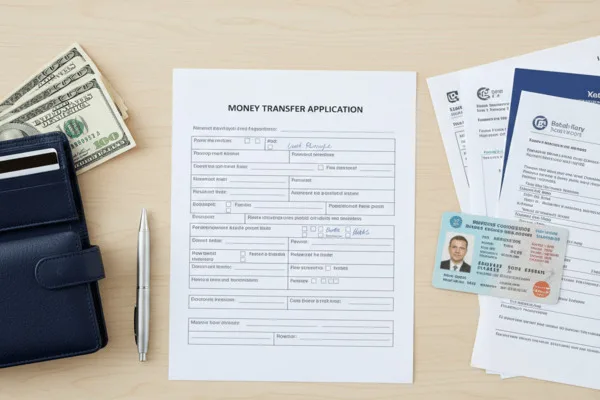
Some money transfer limits are shaped by financial systems, regulatory rules, and regional safety requirements. These limits ensure safe movement of funds and help prevent misuse across different locations. By understanding how identification levels, compliance checks, and regional regulations affect your limits, you can prepare documents earlier and avoid delays. This section explores the structural and regulatory factors that influence Money Transfer limits worldwide.
Note: All transfer limits are subject to mandatory KYC, OFAC screening, monitoring alerts, state specific requirements, CTR aggregation rules, SAR obligations, and all procedures outlined in the BSA AML Corporate Compliance Manual.
Why Location Can Change Your Limits
Your location plays a major role in shaping your Money Transfer limits. Different regions follow various rules to maintain financial safety. These rules help protect users from risks and support stable financial movement. Understanding how your location affects your limits helps you plan transfers more effectively.
Important factors include
- Regions may have stricter safety rules
- Some places require more identity details
- Certain areas limit large transfers for added protection
These factors help prevent misuse and strengthen financial security across locations.
Knowing these regional guidelines allows you to prepare early. You can collect needed documents and adjust your transfer plan before sending funds. This awareness reduces delays and improves your overall experience. When you understand how location affects limits, each Money Transfer becomes smoother, safer, and more predictable.
How to Manage Higher Limits When Needed
Some users may need to send funds above their current limits. In this case, you can request a review to raise your limit. This review checks your details and confirms your purpose. The process helps protect your account from harmful actions. It also ensures safe Money Transfer activity at higher levels.
You may be required to provide additional identification or documentation during the review, depending on regulatory requirements. These documents help confirm your identity and transfer purpose. These reviews help ensure that higher transfers meet regulatory, monitoring, and safety requirements. It ensures that higher transfers follow safe rules.Once approved and subject to ongoing monitoring, higher-limit transfers may proceed.
Understanding how to request higher limits helps you plan ahead. You can prepare documents early and avoid delays. This preparation ensures smooth movement of larger amounts. It helps you manage your financial activity with confidence. With proper planning, higher limit requests support safe and successful transfers.
How Identification Levels Affect Your Money Transfer Limits
Identification levels play a major role in your transfer limits. Basic identification often gives you lower limits for safety reasons. Higher identification levels allow larger Money Transfer amounts with fewer restrictions. These levels help service providers confirm your identity and protect you from financial risks.
You may start with a simple identification check. This step usually includes basic personal details. As you complete more verification steps, your limits increase. These steps may include address proof or detailed identity documents. Each level supports safer transactions and reduces misuse.
Knowing your identification level helps you plan transfers effectively. You can choose the right level for your needs. Higher levels may be useful for frequent or larger transfers. Lower levels may work for small or occasional transfers. Understanding these levels gives you more control and reduces unexpected issues.
Understanding Regulatory Rules That Shape Transfer Limits
Regulatory rules play a key part in setting Money Transfer limits. These rules help protect users and prevent illegal activity. They guide how much money you can send or receive. Many regions follow strict rules to support safe and transparent financial activity.
Some areas apply tighter limits to prevent harmful financial behavior. These rules help reduce criminal activity and protect people from fraud. Other regions may allow higher limits but still require customer details. These rules help confirm safe use and support legal standards. Each rule aims to create a secure financial environment.
Understanding these regulations helps you adjust your transfer plans. You learn why certain limits exist and how they protect you. This awareness helps you prepare documents when needed. It also helps you avoid delays during verification. When you follow these rules, you enjoy safer and more reliable transfers.
Note: Order Express does not provide financial or legal advice and encourages customers to review official disclosures and ask questions before initiating transactions.
Conclusion
Understanding Money Transfer limits is essential for safe and reliable transactions. These limits protect your funds, reduce financial risks, and guide responsible decisions when sending or receiving money. By learning how user focused rules, verification steps, system controls, and regional regulations shape each limit, you gain stronger control over every transfer. This knowledge helps you avoid delays, prevent mistakes, and manage your financial activity with greater confidence.
Clear awareness also supports smoother communication with senders and receivers, especially when larger amounts require extra steps. Order Express encourages users to stay informed and use transfer limits to support safer money movement. With the right preparation, you can complete each transaction without confusion or unnecessary stress. If you are ready to experience a secure and user-friendly Money Transfer process, start your next transfer with Order Express today.
Note: Order Express is registered with the Financial Crimes Enforcement Network (FinCEN) as a licensed Money Services Business (MSB) under the Bank Secrecy Act (BSA). We strictly follow Know Your Customer (KYC), Anti-Money Laundering (AML), and record retention requirements. These practices ensure that all financial transactions are secure, transparent, and compliant with federal and state regulations.
FAQs
Why do Money Transfer services set limits?
Money Transfer limits help protect users, reduce fraud, and maintain financial safety. These limits guide safe movement of funds and support reliable transactions.
What happens if I exceed my transfer limit?
If you exceed your limit, the transfer may fail or require verification. Some cases need document checks before the transaction can continue.
Can I increase my Money Transfer limits?
Yes, many services allow limit increases after verification. You may need identification documents and a clear purpose for higher transfers.
Why do different regions have different transfer limits?
Regions follow unique financial safety rules. These rules help prevent misuse, support compliance, and ensure secure movement of money in each location.
How can I avoid delays caused by transfer limits?
You can avoid delays by checking your limits early, preparing documents, and planning amounts that match your daily or monthly allowances.

Alvin is a Content and SEO Specialist who creates clear and helpful content about money transfers and payment systems. He focuses on making complex topics easy to understand so readers can learn how these services work in everyday situations.


