


Need to buy a money order during an emergency? Start by checking convenience stores, participating retailers, financial service locations, post offices, banks, and credit unions. Some stores have extended hours, but an open store does not necessarily mean its money order counter is operating.
Before leaving, call the location to confirm that it currently sells money orders, when the service is available, which payment methods it accepts, and what fees or identification requirements may apply.
A money order is a prepaid payment instrument that can be useful when you need an alternative to a personal check or cash. However, purchase availability, delivery time, and recipient acceptance depend on the circumstances.
This guide explains where to look, what to bring, and how to prepare for a money order purchase when time matters. For an overview of purchasing, completing, tracking, and cashing money orders, see the Money Order Guide: How To Buy, Fill Out, Cash And Track.
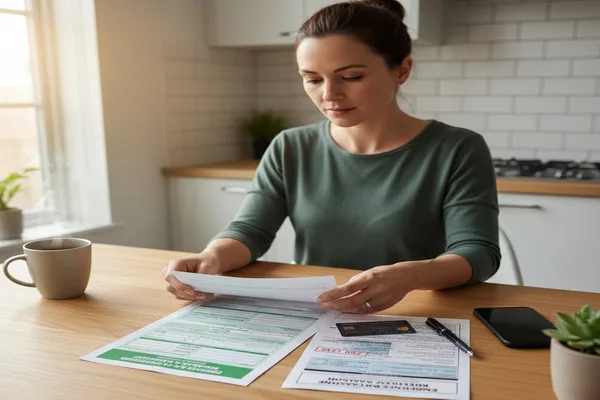
Where to Buy a Money Order When You Need One Urgently
Several types of locations may sell money orders. The best option depends on which businesses are open, whether their money order service is operating, and whether they accept your payment method.
- Convenience stores and gas stations: Some participating locations sell money orders and may have extended store hours. Confirm the money order service is available before traveling.
- Retail stores: Certain retailers offer money orders through customer-service or financial-service counters. Counter hours may differ from store hours.
- Financial service providers: Participating providers may sell money orders. Ask about branch hours, payment methods, and fees.
- Post offices: Participating postal locations offer money orders during their applicable service hours.
- Banks and credit unions: Some institutions sell money orders, although access and pricing may depend on account status and branch policy.
An advertised 24-hour store is not necessarily a 24-hour money order seller. Call ahead rather than assuming the service is available overnight.
How to Find a Location That Is Selling Money Orders Now
Before making a trip, check the provider’s website or contact a nearby branch. Ask:
- Are you selling money orders right now?
- Is the money order counter open, even if the store is open?
- What is the maximum amount available for the money order I need?
- What is the purchase fee?
- Which payment methods are accepted?
- What identification or additional information should I bring?
If the location cannot provide the service, ask when it may resume or check another provider. During outages, holidays, or severe weather, published hours may not reflect current conditions.
What to Bring Before You Buy a Money Order
Know the exact amount you need to pay and confirm that the seller can issue a money order for that amount. Purchase limits vary by issuer and product, so do not assume that one limit applies everywhere.
Bring an accepted payment method and enough money to cover the purchase fee. Cash and debit cards are commonly accepted by some providers, but payment policies differ.
Have a valid government-issued photo ID available in case the provider requires identification. Requirements may depend on applicable law, provider policy, service type, and the circumstances of the transaction.
Before completing the money order, verify the recipient’s name and any other information requested by the issuer. Follow the instructions printed on the instrument. Treat it as carefully as you would treat cash to protect yourself from potential loss.
Why a Money Order May Help During an Emergency
A money order is prepaid and generally does not display the purchaser’s bank account number. It may be useful when a recipient accepts money orders and you prefer not to use cash or a personal check.
However, money orders are not instantaneous transfers. They can be lost, stolen, altered, or counterfeited, and a recipient may need time to receive, deposit, or cash one. Confirm that the recipient accepts money orders and can meet any payment deadline before purchasing.
See Where Can You Cash A Money Order Safely And Easily? for a separate overview of cashing and deposit options.
What to Do After Buying a Money Order
Complete the money order according to the issuer’s instructions. Enter the recipient’s name accurately, fill in other required fields, and sign only where directed.
Keep the purchase receipt and record any identifying information in a secure place. The receipt may help the issuer investigate a lost, stolen, or unreceived money order.
If you deliver the money order by mail, consider a mailing method with tracking. If a problem occurs, contact the issuer promptly to ask about tracing, cancellation, replacement, or refund procedures. Eligibility, fees, documentation, and processing times depend on the issuer and the instrument’s status.
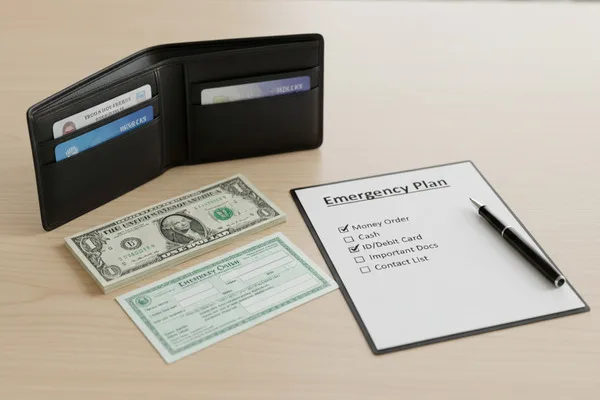
Common Emergency Purchase Problems and How to Prepare
During an emergency, a store may be open while its money order service is unavailable. Staffing changes, technical problems, holidays, and local disruptions can also affect access.
To prepare:
- Confirm service availability shortly before traveling.
- Ask about fees and accepted payment methods.
- Bring identification in case it is required.
- Check the recipient’s deadline and whether a physical money order is acceptable.
- Keep the receipt and deliver the instrument using an appropriate method.
If the first location cannot sell a money order, contact another participating provider. Avoid relying on unverified online hours or assuming that a purchase can be completed immediately.
Buying a Money Order Through Order Express
Order Express provides information about its services and branch locations. If you want to purchase a money order through Order Express, contact the location you plan to visit and confirm that money order sales are offered there.
Ask about current service hours, accepted payment methods, purchase limits, fees, and identification requirements before traveling. Availability and conditions may vary by location.
Use the Order Express branch locator to identify a location to contact.
Conclusion
When you need a money order urgently, the most useful first step is to find a participating seller and confirm that its money order service is currently available. Convenience stores, retailers, financial service locations, post offices, banks, and credit unions may offer this service, depending on the location.
Before traveling, confirm the amount, fee, accepted payment method, identification requirements, and service hours. Keep your receipt after purchasing.
To ask about money order availability at an Order Express location, visit the Order Express contact page and confirm the details directly with the branch.
Disclaimer: This article provides general educational information. Money order availability, fees, limits, payment methods, identification requirements, and issuer procedures may vary. Confirm the applicable details with the provider before making a purchase.
Frequently Asked Questions
Where can I buy a money order late at night?
Some convenience stores, gas stations, and retailers with extended hours sell money orders. Call first because money order service hours may differ from store hours.
Can I buy a money order when banks are closed?
Possibly. Participating retailers and financial service locations may be available outside normal bank hours. Confirm service availability before leaving.
What should I bring to buy a money order?
Bring an accepted payment method, enough money for the amount and fee, and identification in case the provider requires it.
How much money can I put on one money order?
Limits depend on the issuer and product. Ask the seller about the maximum amount and any applicable requirements before purchasing.
What if my money order is lost?
Contact the issuer with your receipt or other purchase details. Tracing, replacement, or refund options depend on the issuer’s rules and the status of the money order.
Where can I cash a money order after receiving one?
Cashing options depend on the issuer and the location.

Alvin is a Content and SEO Specialist who creates clear and helpful content about money transfers and payment systems. He focuses on making complex topics easy to understand so readers can learn how these services work in everyday situations.


