


Many people often wonder if every bank or other financial institution accepts a Money Order for deposits or cashing. The answer depends on each institution’s individual policies. Some accept them without restrictions, while others apply specific rules or limits. Understanding these differences helps avoid confusion and delays during transactions. Each financial institution has its own process for verifying money orders before funds are released.
A Money Order is treated similarly to a check, but it carries guaranteed funds. Some financial institutions view them as safer alternatives for payments because they reduce the risk of insufficient funds. However, not all banks have the same systems for clearing them. While most will process legitimate money orders, some may only accept specific types.
Knowing whether your bank accepts money orders can save time and prevent unnecessary issues. Always ask about their acceptance policies before making a deposit. Doing this ensures your payment clears smoothly. By confirming beforehand, you can avoid costly delays or potential rejections.
Disclaimer: This article is for informational purposes only. It does not replace official disclosures or legal requirements. Money Order services are subject to federal reporting and monitoring obligations, including Know Your Customer (KYC), Currency Transaction Reports (CTR), and Suspicious Activity Reports (SAR). Please review Order Express’ Terms & Conditions, state rules, and federal regulations for complete details.
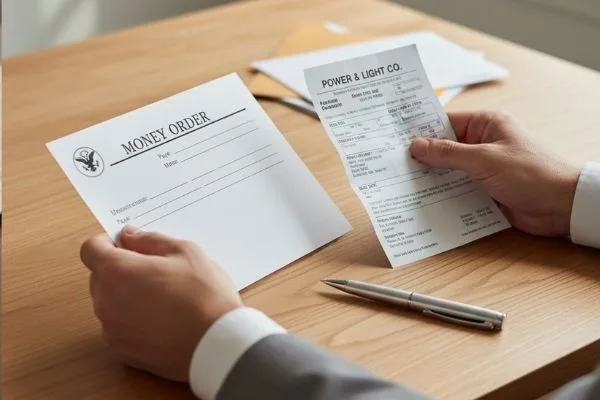
Understanding Money Orders and Their Types
Understanding how Money Orders work helps you make smarter financial decisions. Each type serves a specific purpose, offering different levels of security and convenience. By learning the differences between standard money orders and cashier’s checks, you can choose the safest and most effective option for your personal or business payments.
Bank acceptance is only one part of using a money order successfully. Understanding how to buy, complete, cash, and safely track a money order helps ensure your payment is properly prepared before it ever reaches a bank.
What Is a Money Order?
A Money Order is a prepaid payment document that guarantees a specific amount of money. It functions similarly to a check but does not rely on a bank account balance. Buyers pay upfront, ensuring the funds are secure and ready for the recipient. This makes money orders a trusted option for payments when cash or checks are not ideal.
The Money Order includes key details such as the payee’s name, the sender’s name, and a tracking number. These details help ensure accuracy and traceability for both parties involved. It can be used for bills, rent payments, or sending funds by mail. Many people prefer this method for safety and reliability, especially when dealing with unknown payees.
Since Money Orders are prepaid, the receiver can feel confident that the payment will clear successfully. Unlike personal checks, there is little risk of nonpayment. However, it’s essential to fill out all fields clearly and correctly to prevent processing errors. Proper completion ensures the money order remains valid and secure.
Types of Money Orders and Their Differences
There are several types of Money Orders, and knowing their differences helps you choose the right one for your needs. Domestic money orders are used within the same country, while international money orders allow payments abroad. Each type has specific limits and processing times depending on where it is issued. Some are accepted more widely than others.
Retail-issued money orders are convenient because they are easy to purchase and available in many locations. However, some banks may take longer to verify them before releasing funds. Financial institution-issued money orders are often processed faster because they come from verified sources. These are generally safer for large payments or business transactions.
When selecting a Money Order, consider where you plan to send or deposit it. Always check the maximum amount allowed and any applicable fees. Choosing the right type ensures faster processing, fewer complications, and better acceptance across different banks or financial services.
Money Orders vs. Cashier’s Checks
Both Money Orders and cashier’s checks serve as secure payment methods, but they differ in how they are funded and processed. A money order is prepaid, meaning you pay upfront for a fixed amount. A cashier’s check, however, draws funds directly from your bank account once issued. Both guarantee payment but in slightly different ways.
A Money Order is often used for smaller transactions like rent, bills, or personal payments. It usually has a limit, making it ideal for moderate amounts. A cashier’s check is best for large payments such as down payments or major purchases. Because it is issued by a financial institution, it carries a higher level of verification.
Money orders are easier to buy and often cost less in fees. Cashier’s checks may take longer to process but offer stronger protection against fraud. Choosing between them depends on the transaction size, purpose, and how quickly you need the payment cleared.

Banking Processes, Risks, and Safety Practices
Knowing how banks handle Money Orders can help you avoid errors and protect your funds. Each stage, from acceptance to cancellation, carries important safety steps. Learning how to identify fake money orders, follow proper deposit procedures, and act quickly in case of fraud ensures your financial transactions stay secure.
When Banks Accept Money Orders
Banks may reject a Money Order for several reasons related to accuracy, appearance, or authenticity. Even small mistakes can cause problems. Missing names, unclear writing, or altered information often trigger suspicion during bank verification. If the document seems fake or incomplete, rejection is immediate to prevent fraud or financial loss.
Common reasons for rejection include:
- Missing or incorrect payee information that causes confusion
- Torn or damaged documents that look tampered with
- Money orders exceeding set ATM or online deposit limits
- Foreign-issued or suspicious-looking money orders requiring extra verification
If your Money Order is rejected, remain calm and request clarification. Banks usually explain why it was refused and suggest corrective steps. You may need to contact the issuer for a replacement or refund. Double-check spelling, payee names, and dates before submission. Taking care during preparation helps prevent issues, ensures approval, and builds trust with your bank for future transactions.
When Banks May Reject Money Orders
Banks may reject a Money Order for several reasons. Common causes include missing information, unclear writing, or visible alterations. If the document appears suspicious or tampered with, banks often refuse it immediately. Rejection helps prevent fraud and protects both the bank and the customer.
Some banks limit the amount they accept through ATMs or online deposits. Large or foreign-issued money orders may require in-person verification. This process ensures the document’s authenticity before funds are released. Banks also follow strict internal rules to prevent counterfeit activity. These measures protect customers from potential scams.
If your Money Order is rejected, ask the bank for a clear explanation. You may need to contact the issuer for correction or replacement. Always double-check spelling, dates, and payee names before presenting it for deposit. Doing so reduces the chance of rejection and keeps your transactions hassle-free.
What Happens If You Deposit a Fake Money Order
Depositing a fake Money Order can create serious financial trouble, even if you didn’t know it was fake. When a bank finds it fraudulent, the deposit is reversed immediately. You’ll be required to return the full amount, even if you already spent the funds.
Possible consequences include:
- Account overdrafts caused by the reversal of deposited funds
- Additional bank fees or frozen accounts during investigation
- Legal review for suspicious or repeated deposit activity
- Account closure if the fraud risk becomes significant
Always examine your Money Order carefully before depositing it. Compare the print quality, serial number, and paper texture for signs of tampering. If anything looks unusual, verify it before deposit. Acting early prevents loss and legal problems. Remember, even honest mistakes can lead to big issues when dealing with fraudulent payments. Protect yourself through careful verification, and avoid accepting money orders from unverified or unfamiliar senders.
How to Spot a Fake Money Order
Learning how to spot a fake Money Order helps you protect your money and reputation. Counterfeit documents often look slightly different from real ones. Be alert for inconsistencies in color, layout, or print quality. A careful visual inspection can save you from serious issues later.
Key signs of a fake Money Order include:
- Missing or faint watermarks and security threads
- Blurry or uneven printing, especially on serial numbers
- Mismatched payee names or altered dollar amounts
- Strange paper thickness or texture compared to authentic versions
If you spot any of these warning signs, do not deposit or cash the Money Order. Instead, contact the issuer directly for verification. Keeping the receipt makes this process faster. Report any suspicious activity immediately to prevent potential fraud. Paying attention to these small details ensures your money order transactions remain safe and legitimate while maintaining your financial security.
Best Practices Before You Deposit
Before depositing a Money Order, take time to review its details. Ensure that names, dates, and amounts are filled in correctly. Always sign in the designated endorsement area to prevent rejection. Check for visible signs of tampering or alteration.
Keep all receipts and transaction records. These serve as proof in case of disputes or verification needs. Wait until your deposit fully clears before spending the funds. This helps prevent overdrafts or negative balances if the money order is returned. Responsible handling protects your account from unnecessary issues.
Only accept Money Orders from people or organizations you trust. Avoid deposits from unfamiliar sources or online buyers without verification. If something feels uncertain, confirm authenticity before proceeding. Careful action ensures smoother transactions and protects your financial safety.
Can You Cancel a Money Order After Purchase?
You can cancel a Money Order after purchase, but success depends on timing. If the money order is still uncashed, the issuer may allow a cancellation request. Acting quickly gives you the best chance of recovering your funds. Always keep your receipt and serial number for easy verification.
To cancel a Money Order, follow these steps:
- Contact the original issuer as soon as possible
- Provide proof of purchase and identification details
- Pay the applicable cancellation or processing fee
- Monitor the request until confirmation is received
If the Money Order was already cashed, cancellation is no longer possible. However, you can request a photocopy of the cashed document to identify who received the funds. This helps trace fraudulent transactions or mistakes. Always store your receipt safely and track your purchase status. Prompt action and careful recordkeeping increase your chances of recovering lost money or preventing misuse.
Conclusion
Understanding how Money Orders work helps you handle payments safely and confidently. Not all banks treat them the same, so it’s essential to know each institution’s policies before making deposits. Always verify details, keep receipts, and watch for potential fraud to protect your funds. Being proactive saves time and prevents unnecessary financial issues.
At Order Express, we make managing and purchasing Money Orders simple, secure, and convenient. Whether you need to send payments locally or abroad, we ensure your transactions are processed efficiently and safely. Choose Order Express for fast, reliable Money Order services that fit your financial needs.
Take action today, visit your nearest Order Express location or contact our team to learn how we can help simplify your next Money Order transaction.
Note: Order Express is registered with the Financial Crimes Enforcement Network (FinCEN) as a licensed Money Services Business (MSB) under the Bank Secrecy Act (BSA). We strictly follow Know Your Customer (KYC), Anti-Money Laundering (AML), and record retention requirements. These practices ensure that all financial transactions are secure, transparent, and compliant with federal and state regulations.
FAQs
What information is required to fill out a Money Order?
You need the payee’s name, your name, the payment amount, and your signature in the purchaser section.
How long does it take for a Money Order to clear?
Most Money Orders clear within one to two business days after deposit, depending on the bank’s policies.
Can a Money Order expire if not used?
Some Money Orders don’t expire, but others may include service fees after a set period, reducing the total amount.
What should I do if I lose my Money Order?
Keep your receipt and contact the issuer immediately to request a replacement or refund before it’s cashed.
. Is a Money Order safer than paying with cash?
Yes, a Money Order is safer than cash because it includes tracking, verification, and recipient information for added security.

Alvin is a Content and SEO Specialist who creates clear and helpful content about money transfers and payment systems. He focuses on making complex topics easy to understand so readers can learn how these services work in everyday situations.


