 Skip to content


A money order is a prepaid paper payment that guarantees funds and provides a secure way to send money. Customers use money orders for bill payments, purchases, and personal transactions, especially when checks or bank accounts are not available. They remain widely accessible at post offices, banks, credit unions, grocery stores, and financial service centers.
Money orders offer benefits such as guaranteed funds and clear recordkeeping but may involve mailing delays, higher international fees, or fraud risks if purchased from unauthorized sellers. Alternatives like digital transfers and check cashing provide faster or more flexible options. Understanding the strengths and limitations of each method helps customers choose the right payment solution for their needs.
Note: Order Express, Inc. is a licensed Money Services Business (MSB) registered with FinCEN and authorized in multiple U.S. states.
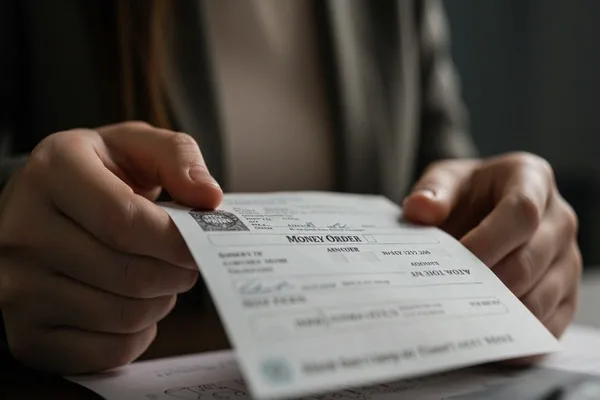
Understanding The Essentials Of A Money Order And How It Works
Money orders have long been a trusted payment method for people seeking secure and reliable transactions. They offer guaranteed funds, making them a strong choice when checks or digital transfers are not ideal. By learning how money orders work, you can use them confidently in everyday life.
From their basic purpose to the places where they can be purchased, money orders remain widely accessible. They are straightforward to complete and provide clear records of payment. Knowing the essentials ensures you choose the right service for your needs, whether paying bills, making purchases, or sending money to family.
Understanding The Purpose And Definition Of A Money Order
A money order is a prepaid paper payment tool that gives both the sender and the receiver confidence in the transaction. When someone buys a money order with cash, debit, or another accepted method, the payment is guaranteed. This assurance removes the uncertainty that can come with personal checks and provides peace of mind for important transactions.
Many people use money orders for everyday needs such as paying bills, sending money to family, or completing purchases. Because the funds are prepaid, the recipient knows they will receive the full amount, making it a secure and trusted choice. Understanding how a money order works allows customers to manage their finances with greater confidence and control.
Where To Obtain A Money Order?
Money orders are one of the most accessible financial tools available today. You can purchase them at a wide variety of locations, which makes them easy to use for people who may not have a traditional bank account. Their widespread availability ensures that almost anyone can find a convenient place to buy one when needed.
Here are the most common places to obtain a money order:
- Post offices
- Banks and credit unions
- Grocery stores and convenience stores
- Financial service centers offering check cashing and money transfers
Each provider may set its own purchase limits and rules, so it’s important to check the details before you buy. Choosing the right location helps you avoid delays and ensures your money order is issued correctly. Always keep your receipt, since it provides proof of payment and allows you to track or cancel the money order if necessary. In addition, purchasing from authorized providers keeps your transaction safe and secure.
How To Complete A Money Order Form
Filling out a money order is straightforward and helps ensure your payment reaches the right person. Start by writing your full name and address in the sender field. Next, carefully enter the recipient’s name in the space marked “Pay to the Order Of.” Finally, sign the front of the document to make it valid. These details confirm who is sending the funds and who will receive them.
Always save the receipt that comes with your money order. The receipt acts as proof of purchase and allows you to track the payment. If the money order is lost or stolen, this record makes it possible to request a replacement or cancellation. Keeping your receipt safe is the best way to protect your transaction.
Reminder: When purchasing money orders at or above $3,000 (or $1,000 in Arizona and Oklahoma), federal law and Order Express policy require valid identification. Always be prepared to show a government-issued ID to complete your transaction.
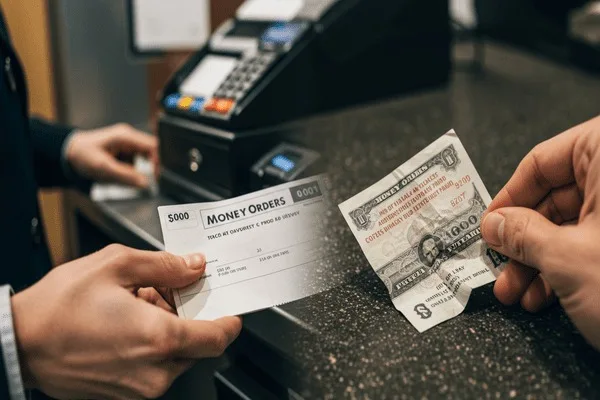
Exploring The Strengths And Risks Of Money Orders
Money orders continue to serve millions of customers who need reliable and straightforward payment methods. They stand out as one of the few tools that combine guaranteed funds with wide availability. Whether used for bill payments, personal transactions, or financial recordkeeping, money orders remain a practical solution that delivers confidence to both senders and recipients.
Still, like all financial products, money orders come with both benefits and challenges. Recognizing what makes them useful, where potential risks lie, and how to avoid fraud is essential for making informed decisions. By weighing the advantages, limitations, and security considerations, customers can confidently decide when money orders are the right choice for their financial needs.
Advantages Of Using A Money Order
Money orders remain a reliable choice for people who want secure and straightforward payment solutions. They are widely accepted and continue to give both senders and recipients peace of mind. Unlike some modern methods, money orders provide a tangible document that confirms the transaction.
Here are the main advantages of using a money order:
- Guaranteed funds without needing a bank account
- Confidence for recipients since the money is prepaid
- A clear paper trail that supports accurate recordkeeping
- A safe option for people who prefer dependable payments
These benefits make money orders an excellent fit for customers seeking trust and simplicity. They help reduce payment risks and create reliable records for personal or business use. Choosing a money order can also improve financial control, especially when managing recurring expenses. With these advantages, money orders remain a valuable tool in today’s diverse range of financial services.
Common Drawbacks
Money orders also have limitations. Mailing them can take several days, while digital transfers are instant. International money orders may cost more than other services. Scams are a risk when counterfeit instruments are used, so customers must remain cautious. Still, these challenges are manageable when buying only from authorized providers.
Fraud Prevention Tip from Order Express: Never send money to someone you don’t know, for internet purchases you can’t verify, or to strangers met online. If anyone pressures you into using a money order quickly, stop and contact our Compliance Department immediately at 1-888-666-1602.
Money Order Security And Fraud Awareness
A money order is a reliable way to make payments, but customers must stay alert to protect themselves from fraud. Scams often involve fake money orders offered through unverified sources or suspicious deals. To stay safe, always purchase from authorized locations and confirm details before using or accepting one. Taking these small steps helps ensure your money order provides the security it was designed for.
Fraud prevention goes hand in hand with awareness. Keeping your receipt, checking for proper markings, and avoiding online offers are effective ways to protect against scams. By treating every transaction with care, customers can use a money order confidently as a secure method of payment.
Important: Federal rules require financial institutions, including Order Express, to report certain cash transactions over $10,000 and suspicious activity that may appear to avoid these limits. Attempting to split transactions (‘structuring’) to stay under the limit is prohibited.

How To Compare Payment Methods For Smarter Decisions
Selecting the right way to move money depends on your priorities. Some people value speed, while others need guaranteed security or prefer in-person assistance. With so many tools available, from digital transfers to money orders, each option serves a unique role in personal finance. Understanding these differences can help you match your goals with the right solution.
Digital services, traditional money orders, and in-person financial centers all provide distinct advantages. Digital transfers excel in fast, trackable payments. In-person services offer face-to-face reassurance and flexibility without a bank account. Money orders continue to deliver trusted, guaranteed funds with a paper trail. Exploring these options side by side makes it easier to see which choice aligns best with your financial needs.
Digital Transfers Compared To A Money Order
Digital transfers provide a fast and secure way to move money online or through mobile apps. Funds typically arrive in a recipient’s bank account, prepaid card, or mobile wallet within minutes. This method eliminates mailing risks and offers peace of mind with tracking features that make transactions easy to follow.
When compared to a money order, digital transfers focus on speed and convenience. They work well for people who need quick payments without waiting for mail delivery. Both money orders and digital transfers give customers reliable choices, and the best option depends on whether guaranteed paper documentation or digital efficiency better fits the situation.
In-person Services For Money Order And Payments
In-person services remain a trusted way to manage financial needs, especially for people who prefer direct assistance. Customers can visit authorized locations to send a money order, transfer money, pay bills, or access check cashing. These services are straightforward and provide options for those who may not use a traditional bank account.
When completing transactions in person, customers receive extra peace of mind. Safeguards such as identity verification, receipts, and tracking ensure every money order or payment is secure. Choosing in-person services gives customers both flexibility and personal support, making it easier to handle everyday financial tasks with confidence and reliability.
Balancing Choices Between Money Order and Other Payment Options
Choosing how to send or receive money depends on your priorities. A money order offers guaranteed funds and a physical document that many still prefer for reliability. Digital transfers are ideal for speed, delivering funds quickly and securely. Check cashing services provide immediate access to funds without requiring a bank account, making them helpful for everyday needs.
To make the best choice, compare the timing, security, and convenience of each method. A money order remains a trusted option for dependable payments, while digital and in-person services add flexibility. By understanding these strengths, you can confidently select the method that matches your financial goals and keeps your money safe.
Comparison At A Glance
When deciding how to move money, it helps to see the options side by side. A money order, a digital transfer, and check cashing each provide unique advantages depending on your needs. The table below highlights their speed, security, and best uses so you can compare them quickly and choose the option that works best.
| Service Type | Speed | Security | Cost Level | Best For |
| Money order | 2–5 days by mail | Guaranteed funds, paper trail | Low–Medium | Paying bills, no bank account |
| Digital transfer | Minutes to 1 day | Encrypted, trackable online | Low | Fast transfers, international |
| Check cashing | Immediate | Verified ID, in-person review | Medium | Quick access to check funds |
By reviewing these key differences, you can match your payment choice to your financial goals. A money order remains a trusted method when guaranteed funds are essential, while digital transfers and check cashing offer faster, more flexible alternatives. Knowing these strengths ensures every transaction is safe, practical, and aligned with your needs.
Conclusion
Money orders remain a trusted and valuable choice for secure payments, offering guaranteed funds and widespread availability. At the same time, digital transfers and check cashing expand your options with speed and convenience. The key is choosing the service that fits your needs, whether it’s mailing a money order for reliable bill payments, using digital transfers for fast cross-border transactions, or turning to check cashing for instant access to funds.
Each option has unique strengths, and understanding them helps you save time, money, and stress. Take control of your payments today by comparing services carefully, using authorized providers, and staying alert against scams. The right decision will ensure every transaction is safe, efficient, and tailored to your financial goals.
If you ever have an issue with a money order or payment service, you can reach Order Express Customer Service at 1-888-666-1602 or by mail at 685 W. Ohio St., Chicago, IL 60654. Complaints are taken seriously and investigated promptly.
Disclaimer: This article provides general information for educational purposes only. It does not provide legal, regulatory, or compliance advice. Customers should review all terms and conditions of any financial product before use.
Ready to explore safe and trusted ways to move money? Visit your nearest authorized provider or contact Order Express customer service today to learn more about your options!
FAQs
What is a money order and how does it work?
A money order is a prepaid paper payment. You buy it with cash or debit, fill in the payee, sign it, and keep the receipt for tracking.
Where can I buy a money order?
You can purchase money orders at post offices, banks, credit unions, grocery stores, convenience stores, and financial service centers.
How do I fill out a money order correctly?
- Write your name and address in the sender field
- Enter the payee’s name in “Pay to the Order Of”
- Sign the front
- Keep the receipt
What are common risks with money orders?
Fake or altered money orders are a risk. Avoid scams by buying only from authorized providers and verifying authenticity before accepting one.
What alternatives exist to money orders?
Alternatives include:
- Digital transfers for fast online payments
- Check cashing for immediate access to funds
- In-person services like bill payment at financial centers

John is a Content & SEO Specialist who enjoys breaking down complex financial topics, like cross-border payments and money transfers, into content that’s easy to understand. He focuses on creating practical, search-driven content that helps people find answers and make informed decisions.


