


Many people purchase a money order for safe and reliable payments. Sometimes, circumstances change, and the order remains unused. When that happens, people often feel uncertain about the next step. The good news is that handling an unused money order does not need to be stressful.
With the right knowledge, you can recover funds, request a replacement, or deposit the order without confusion. Acting quickly and keeping records safe makes the process smooth. This guide explains everything you need to know so you can handle an unused money order confidently and protect your money without unnecessary delays.
Unused money orders are easier to manage when you’re familiar with the full money order lifecycle, from purchase and payment to tracking, deposits, and recordkeeping.
Disclaimer: This article is for informational purposes only and does not replace official regulatory disclosures. Please refer to Order Express’ Terms & Conditions and state/federal laws for full details.
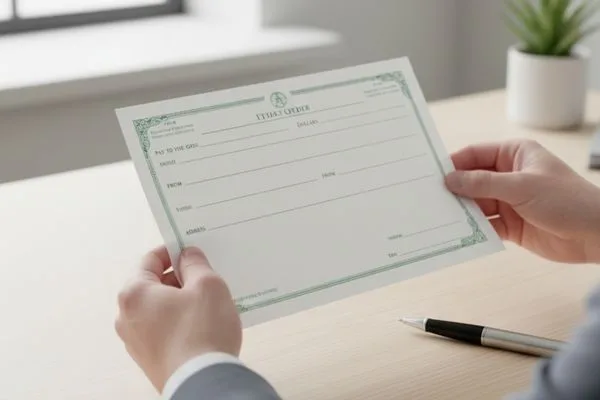
Understanding the Basics of an Unused Money Order
An unused money order might look simple, but the details matter. Understanding its status, possible risks, and available choices can save frustration later. This section explains the basics, from keeping records safe to confirming the order’s current status. With this foundation, handling the order becomes a straightforward process.
Note: Customers have specific rights regarding money order transactions. You may report an error within 180 days of the transaction date for investigation and resolution. In addition, you may request cancellation within 30 minutes of payment to receive a full refund if the funds have not yet been collected. Always keep your receipt as proof of purchase when making a claim.
Understand Expiration and Validity Rules
Not all money orders work the same way when it comes to expiration and validity. Some money orders do not technically expire but may lose value over time. Others may remain valid but can carry monthly service charges if left unused. Understanding these rules prevents unnecessary surprises.
Check with the issuer to confirm how long your money order remains valid. Ask if fees apply after a certain period. For example, a money order left unused for more than one year might face deductions. Even if the money order does not expire, service charges can gradually reduce its value.
Knowing expiration rules helps you decide when to act. If you wait too long, you might recover less money. Taking action early ensures you receive the full value without extra costs. Always read the terms printed on the money order itself. Combine this with advice from the issuer’s customer service for clear, up-to-date guidance on validity.
Keep Your Documentation Safe
The most important first step when dealing with an unused money order is protecting your paperwork. Your receipt and the order itself are proof of ownership. Without these, refund or replacement requests can become complicated, leading to unnecessary stress and delays. Keeping everything secure ensures smoother handling later.
- Store both the order and receipt in a safe place
- Create digital copies in case the originals are lost
- Never share your tracking number with anyone
- Organized records help issuers process claims faster
Having documents ready means you can act quickly if issues arise. Safe recordkeeping prevents fraud, protects your funds, and reduces hassle during refund or deposit requests.
Confirm the Status of the Order
Before making any decisions, always check the status of your money order. This simple step helps you avoid wasted effort and ensures you follow the correct path. Contact the issuer using the serial number from your receipt to verify if it has been cashed.
- If uncashed, you may deposit it or request a refund
- If cashed, you will need to file a claim
- Confirming status early prevents confusion and delays
- Protects your finances by catching unauthorized use
Confirming status quickly keeps you in control. Knowing exactly where your money order stands allows you to move forward confidently, saving both time and energy.
Learn About Possible Fees and Delays
Refunds and replacements usually involve fees. These fees vary depending on the issuer’s policies. They may be deducted directly from the refund amount. Understanding this cost helps set realistic expectations.
Processing times can also vary widely. Some refunds may take weeks or longer to complete. Always ask for a timeframe when submitting your request. Knowing the delay allows you to plan your finances accordingly.
Although fees and delays are frustrating, they are part of standard procedures. Preparing in advance reduces disappointment. Keep your expectations practical, and consider cashing the order instead if allowed. This decision might save time and avoid unnecessary costs.

Taking Action to Resolve an Unused Money Order
Once you understand the basics, it is time to act. This section focuses on practical steps for reclaiming funds. From requesting refunds to managing lost or damaged orders, these actions matter. With clear instructions, you can resolve issues quickly, protect your money, and reduce stress during the process.
Note: Order Express also complies with federal and state requirements regarding refunds, cancellations, and complaint handling. These procedures are in place to safeguard customer funds and ensure transparency in every transaction.
Compare Options: Refund vs Deposit
When handling an unused money order, you usually face two main options: refund or deposit. Each option has unique benefits, and your decision depends on personal needs. Understanding both choices helps you save time and money while avoiding unnecessary fees.
Depositing the money order into your own account is often faster. You simply endorse the back and present it to your bank, if allowed. This option gives quick access to funds and often avoids refund fees. However, not every issuer permits deposits if you are the purchaser. Confirm the rules before choosing this option.
Requesting a refund is another path. Refunds may take more time and sometimes involve processing fees. However, they work well if you no longer need the funds immediately or if deposit rules prevent direct cashing. Refunds also protect your money if the order was issued incorrectly.
Comparing these options ensures you select the most efficient solution. Consider timing, fees, and your financial goals before deciding.
Request a Refund or Replacement
If the order is uncashed, requesting a refund is straightforward. Most issuers provide a form to fill out. You submit it along with your receipt and unused money order.
Refunds might take time, but they ensure you recover funds safely. If you prefer, request a replacement order instead. This option helps when you still need to send payment later.
Always ask the issuer about requirements before submitting documents. Some may need notarized signatures or extra identification. Following the process carefully avoids rejection and shortens waiting times. Refunds and replacements give flexibility when plans change.
Note: Refunds are generally processed within 10 days of receiving a written request, unless the funds have already been delivered, the transaction is under investigation for fraud, or a legal prohibition prevents release of funds. These rules are designed to protect both the customer and the financial system.
Deposit the Order Yourself
If rules allow, deposit the unused order into your account. This option avoids refund delays and extra paperwork. You simply endorse the back and present it at your financial institution.
Check if the payee field is blank or completed. If blank, you can fill your name and deposit it. If already filled, ensure rules allow you to deposit as the buyer. Some issuers only allow refunds instead of direct deposits.
Depositing the order keeps money accessible without delay. It may also save you from paying refund fees. Always confirm guidelines with your bank or financial provider first.
Report Lost or Stolen Orders Quickly
When a money order goes missing, acting immediately protects your money. Quick reporting reduces the risk of misuse and helps start the replacement process without delay. Having your receipt and tracking number ready speeds things up.
- Contact the issuer as soon as you notice it missing
- Provide your receipt and purchase details for verification
- Be prepared to complete a claim form
- Additional documents such as identification may be required
Acting fast shows responsibility and limits risks. While investigations may cause delays, timely reporting demonstrates good recordkeeping and improves your chances of recovering your funds successfully.
Handle Damaged Orders Carefully
Sometimes, a money order gets torn, stained, or damaged. As long as identifying details are clear, you can still request help. Bring both the damaged order and receipt when filing a claim.
Issuers often replace damaged items once they confirm the details. Avoid taping or altering the order yourself. Changes can cause rejection. Let the issuer review it in its current state.
Handling damage correctly ensures your funds remain safe. Avoid discarding a damaged order without checking your options. Even badly damaged items can often be replaced with proper proof.
Stay Organized Throughout the Process
Managing unused money orders requires good recordkeeping. Save copies of every form you submit. Write down dates and contacts from any calls you make.
Organization ensures you have proof if questions arise. It also speeds up claims because you can quickly provide information. Some issuers also let you track claims online. Always use this service when available.
Being organized lowers stress and prevents repeat requests. You remain in control of the process. With detailed notes, you can follow progress until resolution is complete.
How To Protect Yourself Against Scams
Scams involving money orders are unfortunately common. Fraudsters may use fake money orders or convince people to cash fraudulent documents. Being aware of these risks helps protect your money and personal information. Staying cautious is the best defense against scams.
Some common red flags include requests to cash a money order for a stranger or offers that sound too good to be true. Scammers might pressure you into acting quickly. They may also ask you to deposit a money order and then send part of the funds back. These tactics are designed to trick you before the bank detects fraud.
To stay safe:
- Only accept money orders from trusted sources like Order Express
- Verify the serial number with the issuer before cashing
- Avoid depositing unfamiliar or suspicious money orders
- Report suspected fraud immediately to the issuer and authorities
Protecting yourself saves time, stress, and money. Awareness is your strongest tool against scams. Always double-check authenticity before handling any money order transaction.
Note: For OrderExpress customers, If you are unable to resolve the issue, you may contact our Customer Support for assistance. Please provide your receipt, serial number, and any documents related to the transaction. Complaints will be logged, assigned a case number, and addressed according to our internal complaint resolution policy. For support, contact Order Express Customer Support at 1-888-666-1602 (USA) or 447-478-01-20 (Mexico), or visit www.orderexpress.com/complaints/
Conclusion
Handling an unused money order does not need to be overwhelming. With the right knowledge, you can recover funds, request a refund, or deposit the order confidently. Staying organized, checking status early, and acting quickly helps prevent unnecessary delays or losses. Protecting yourself from fraud and knowing your options makes the process stress-free.
Choosing a trusted provider like Order Express ensures you have reliable support and secure solutions when dealing with money orders. Whether you need a refund, replacement, or safe deposit, taking the proper steps today safeguards your money tomorrow. Ready to handle your unused money order the right way? Visit Order Express for fast, secure, and dependable service.
Note: Order Express is registered with the Financial Crimes Enforcement Network (FinCEN) as a licensed Money Services Business (MSB). We strictly follow Know Your Customer (KYC) and Anti-Money Laundering (AML) practices to ensure secure, transparent, and compliant financial services.
FAQs
What should I do if I lose my money order receipt?
Contact the issuer immediately. You may still file a claim, but processing could take longer without the receipt.
Can I cash a money order if my name is not on it?
No, only the named payee can cash or deposit it. If you purchased it, request a refund instead.
How long does it take to get a refund?
Refund times vary by issuer. It may take several weeks, depending on verification and investigation requirements.
What happens if a money order gets damaged?
You can request a replacement if critical details remain visible. Never tape or alter it yourself before submitting.
Do money orders expire?
Some do not expire, but fees may reduce the value over time. Always check the issuer’s specific policies.

Alvin is a Content and SEO Specialist who creates clear and helpful content about money transfers and payment systems. He focuses on making complex topics easy to understand so readers can learn how these services work in everyday situations.


