


Bad checks can bring serious consequences that range from costly fees to possible jail time. A bad check is one that a bank or other financial institution cannot process for payment. While many people believe checks are rarely used, they remain important in certain situations. Check fraud cases have risen sharply in recent years, showing the risks are very real for everyone.
If you receive a bad check, you may ask the person to provide another payment method. In some situations, you may also file a legal claim to recover the money owed. Taking action quickly can protect you from additional financial loss. Always review your transactions carefully when using Check Cashing services to avoid these issues.
Writing a bad check is much more serious. Penalties range from repeated bank fees to criminal charges depending on the situation. Some individuals even face jail time if the amount is large or repeated offenses occur. Understanding the risks before you write or cash a check is the best way to protect yourself. Order Express Check Cashing services provide a safe way to handle checks without unnecessary risk.
Protecting yourself from bad checks starts with understanding how legitimate checks are verified. The Complete Check Cashing Safety Guide: How To Verify Checks And Avoid Fraud combines expert guidance, fraud awareness, and safe check cashing practices in one resource.

Identifying and Understanding Bad Checks
Before you can protect yourself, it’s essential to know how bad checks happen and what makes them risky. Problems often arise during check cashing, when fraudulent or insufficiently funded checks are presented. Recognizing warning signs and understanding their impact helps both individuals and businesses reduce losses. These sections explain the causes, detection, and effects of bad checks.
Understanding What Makes a Check Bad
A bad check is a check that a bank cannot successfully process. This can happen when there is a problem with the funds. Sometimes the transaction first appears complete, but later the money gets reversed. This creates stress for anyone relying on those funds.
Bad checks often happen for several reasons. Some checks are counterfeit or forged. Others bounce because the account does not have enough money. An account may even be closed or nonexistent when the check is written. Another case occurs when the check writer issues a stop payment without good reason.
If you deposit or use a bad check, the funds may appear at first. Your account may show the money as cleared. Later, the bank may realize the issue and take the funds back. They may also charge you additional fees. This is why understanding bad checks is important before using any Check Cashing service.
Knowing the risks helps protect your money. It also keeps you from facing unwanted financial stress. Order Express Check Cashing services are designed to help customers feel confident. By learning what makes a check bad, you can take steps to avoid costly mistakes.
Common Signs of a Suspicious or Bad Check
Spotting a suspicious check early can save you from financial headaches. Some red flags include mismatched information, such as a check with a name that does not match the account holder or bank details. Another sign is unusual formatting or missing security features like watermarks, microprint, or a proper routing number.
Checks written for amounts that seem unusually high or with vague payment reasons should also raise concern. Poor spelling, faded ink, or obvious alterations are common indicators of fraud. Additionally, checks from unfamiliar banks or institutions that no longer exist can signal trouble. If a check requires you to quickly send money back or pay fees, it is likely a scam.
Always verify the source before cashing or depositing. Staying alert to these warning signs reduces your chances of financial loss and ensures you only accept payments you can trust.
How Bad Checks Affect Businesses
Bad checks can create serious challenges for businesses, both financially and operationally. When a check bounces, the business not only loses the payment for goods or services but also faces bank fees for the returned check. These costs add up quickly, especially for small businesses operating on tight margins.
Staff time is also wasted in trying to contact the customer, resolve disputes, or pursue legal action. In addition, repeated incidents may force businesses to tighten payment policies, such as refusing checks altogether. This can inconvenience honest customers and reduce flexibility in payment options. Bad checks also damage relationships with vendors or suppliers if a business cannot make timely payments due to missing funds.
Over time, frequent check fraud can tarnish a company’s reputation and erode customer trust. Preventive steps like check verification services or secure check cashing can help businesses protect themselves from these costly risks.
Consequences and Actions Against Bad Checks
Dealing with bad checks involves more than financial inconvenience, it can lead to legal trouble and long-term issues. Knowing your rights, responsibilities, and the role of banks can help you take the right steps if faced with one. This group focuses on consequences and protective actions.
What Can Happen If You Write a Bad Check
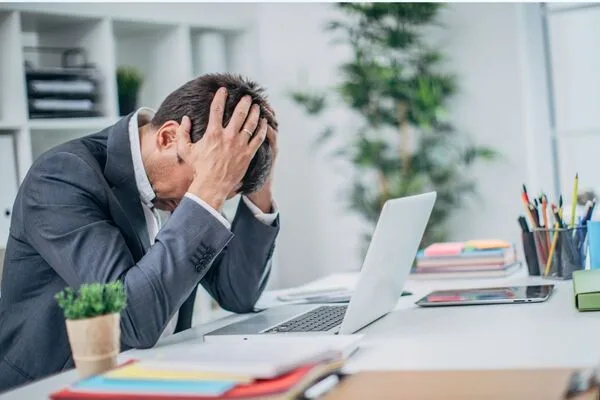
Writing a bad check can have serious financial and legal consequences. Sometimes it is an accident, but other times it is intentional. Even if it was not planned, the results can still cause lasting problems. Knowing the risks helps you avoid stress and protect your money.
If your payment does not clear, you may face late fees. This happens when a bill is not paid on time. Missing a loan or credit card payment can also lower your credit score. That damage can take years to repair.
When a check bounces for lack of funds, both you and the recipient may face NSF charges. Banks also add overdraft fees if they try to cover the amount. Returned check fees often reach $35 or more. These costs add up quickly and create unnecessary debt.
Legal and Long-Term Issues With Bad Checks
Recipients of bad checks may sue for the money plus damages. Merchants may also refuse future payments from you. In some cases, you may be ordered to attend financial counseling or a money management class. These requirements aim to reduce repeat issues but can still be stressful.
Writing multiple bad checks or forging one is much more serious. This can move from a civil problem into a criminal offense. Penalties may include large fines or even jail time. The laws vary, but charges can be classified as misdemeanors or felonies.
Some states have stricter penalties than others for repeated violations. Courts may also consider your intent before setting punishment. A criminal record from writing bad checks can impact jobs and housing opportunities. It can even affect your ability to open new bank accounts.
Understanding these repercussions makes it clear why caution is vital with Check Cashing. Order Express Check Cashing services help customers handle their money safely. Learning these details can save you from penalties and protect your financial reputation.
Steps to Take if You Receive a Bad Check
Receiving a bad check can be frustrating, but quick action helps minimize losses. The first step is to contact the person who issued the check. In many cases, the problem may be accidental, such as an overdraft, and can be resolved with another payment method. If the issuer refuses or cannot pay, notify your bank immediately.
Banks may charge fees for depositing a bad check, but they can also provide documentation you may need later. Keep a copy of the check and any related communications as evidence. If the amount is significant, you may consider filing a police report or pursuing a claim in small claims court.
Some states allow victims to recover damages or extra penalties from check writers. Acting promptly reduces the chance of further complications and improves your chances of recovering funds. Always remain cautious before accepting checks from unknown sources.
Consumer Rights and Protections
Consumers who unknowingly receive or deposit a bad check are not without recourse. Federal and state laws offer certain protections, though responsibilities may vary. If you were tricked into accepting a counterfeit check, you may have grounds for a fraud claim. Some states allow consumers to sue check writers for the original amount plus additional damages.
Victims can often pursue repayment through civil claims or small claims court. If excessive bank fees result from a fraudulent transaction, you may dispute them directly with your financial institution. Many banks also provide resources, such as fraud hotlines or error resolution processes, to help customers recover losses.
Consumers should also know about databases which track people who write bad checks. These systems help prevent repeat fraud but can also mistakenly affect innocent victims. Understanding your rights empowers you to take action and avoid bearing the burden of someone else’s dishonesty.
How Banks and Financial Services Handle Bad Checks
Banks and financial services take strict measures when handling bad checks. If a deposited check bounces due to insufficient funds, the bank typically reverses the deposit and charges the account holder a returned check fee. In some cases, overdraft protection may temporarily cover the shortfall, but this results in additional fees.
For repeated offenses, banks may restrict services, close accounts, or report the account holder to databases, making it harder to open new accounts elsewhere. Financial institutions also use fraud detection tools to verify checks during processing. Suspicious checks may be flagged for manual review, delaying access to funds until verified.
For businesses, banks may offer check verification services to reduce fraud risks. Some financial service providers, like check cashing companies, enforce strict ID checks and processing guidelines to protect both customers and themselves. These systems are designed to maintain trust and reduce losses across the banking system.
Note: Order Express complies with all federal reporting obligations under the Bank Secrecy Act. This includes customer identification and recordkeeping for transactions of $3,000 or more, Currency Transaction Reports (CTR) for cash transactions over $10,000, and Suspicious Activity Reports (SARs) for suspicious or fraudulent transactions of $2,000 or more. These safeguards are required by law to protect customers and strengthen the financial system.
Conclusion
Bad checks carry financial, legal, and long-term risks that can affect individuals, businesses, and communities. From fees and lawsuits to damaged credit and criminal charges, the consequences are serious. Acting quickly when faced with a bad check is the best defense against costly losses. By learning how to recognize warning signs and understanding your rights, you can protect your finances and reputation.
Order Express Check Cashing services provide a reliable way to manage checks safely while minimizing risks. Don’t leave your money vulnerable, take control of your financial security today. Visit Order Express to handle your checks with confidence and peace of mind.
Disclaimer: This article is for informational purposes only and does not replace official regulatory disclosures. Please refer to Order Express’ Terms & Conditions and state/federal laws for full details.
Note: Order Express is registered with the Financial Crimes Enforcement Network (FinCEN) as a licensed Money Services Business (MSB). We strictly follow Know Your Customer (KYC) and Anti-Money Laundering (AML) practices to ensure secure, transparent, and compliant financial services.
FAQs
What is considered a bad check?
A bad check is one a bank cannot process, usually due to insufficient funds, a closed account, forgery, or fraudulent activity.
Can I go to jail for writing a bad check?
Yes, depending on the amount, intent, and state laws, writing a bad check can result in misdemeanor or felony charges.
What fees are charged for a bounced check?
Banks may charge returned check fees, overdraft fees, and non-sufficient funds (NSF) charges, which often range from $25 to $40.
How can I tell if a check is suspicious?
Look for mismatched details, missing security features, unusual amounts, spelling errors, or requests to return money quickly.
What should I do if I receive a bad check?
Contact the check writer immediately, notify your bank, keep records, and if necessary, file a small claims case or report fraud.
Note: If you have regulatory or compliance-related questions, please Contact Order Express Compliance Team for guidance and support.

Alvin is a Content and SEO Specialist who creates clear and helpful content about money transfers and payment systems. He focuses on making complex topics easy to understand so readers can learn how these services work in everyday situations.


