


Have you ever held a check and felt unsure about the numbers and details printed on it? You are not alone. While digital payments are common today, being able to read a check is still an important skill. By understanding each section, you can quickly confirm if a check is valid and recognize important details before you decide to cash a check. This knowledge gives you more confidence when handling paper checks and helps you avoid simple mistakes.
Reading a check carefully before check cashing also protects you from potential problems. Knowing how to identify the account number, routing number, and payee information ensures that the check is written correctly and ready to be processed. Whether you plan to deposit it into your account or cash a check at a trusted location, taking a few moments to review the details will save you time and help you feel secure with every transaction.
Disclaimer: This blog is provided for informational purposes only and does not replace professional financial or legal advice. Order Express follows all applicable federal and state regulations for check cashing, including BSA/AML, OFAC, and recordkeeping requirements. Policies and thresholds may vary by state. Customers should confirm identification and transaction requirements with their local Order Express location before cashing a check.
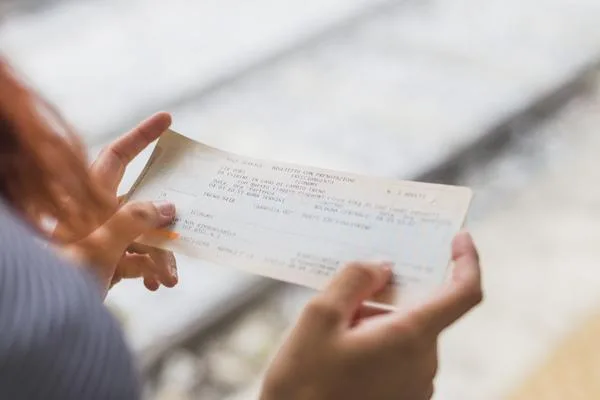
Essential Check Details to Know Before Check Cashing
Cashing a check may feel straightforward, but every detail on the paper plays an important role in whether the transaction goes smoothly. From the date line and payee information to the numbers written at the bottom, each section carries instructions that help confirm accuracy and protect your money. By learning how to read these details, you avoid simple mistakes that could delay your ability to cash a check.
Before you step into a check cashing process, it is helpful to understand what each part of the check means. The date line, endorsement, memo, and account numbers all serve different purposes, but together they ensure security and clarity. Taking the time to review these sections not only helps you cash a check without issues but also builds confidence in managing future financial transactions.
Understanding the Date Line and Check Number in Check Cashing
When preparing to cash a check, always review the date line and check number. The date shows when the check was written, but post-dated checks may still be processed right away, and older checks can become stale and rejected. The check number, usually in the upper right corner, helps track the order of checks and should be recorded to make account monitoring easier and avoid mistakes during check cashing.
Here are the key points to remember:
Date Line
- Shows the date the check was written
- Post-dated checks may still be cashed immediately
- Outdated checks could be rejected by check cashing services
Check Number
- Found in the upper right corner of the check
- Helps track checks in the order they are written
- Recording the number makes monitoring accounts easier and prevents errors
By reviewing both the date line and the check number, you add an extra layer of accuracy to your financial records. This simple step also builds confidence, making the process of cashing a check smoother and more reliable.
Understanding the Payee and Endorsement Line for Check Cashing
The payee line is where the check writer specifies who will receive the funds. If a check is written to more than one person with the word and, both must sign before it can be processed. If it says or, then only one of the named individuals needs to endorse it. Accuracy matters here, names should be spelled clearly to avoid issues when you attempt to cash a check. If the word Cash is written on the payee line, anyone holding the check may cash it, which can be convenient but also less secure than naming a specific payee.
On the back of the check is the endorsement line, the space the recipient signs to confirm they are the rightful payee and authorize the transaction. To successfully complete check cashing, the endorsement must match the name on the payee line. Signing incorrectly or adding notes beneath the line can cause problems, so it’s best to keep it simple and accurate. Understanding both the payee line and endorsement line ensures the check is processed smoothly and helps avoid delays when you need to cash a check.
Understanding the Payment Amount on a Check for Check Cashing
When you look at a check, one of the most important details is the payment amount. This section appears in two different ways, and both must be reviewed carefully to avoid mistakes when you cash a check. Paying attention to these areas helps ensure accuracy and prevents delays.
The payment amount in numbers:
- Found inside the small box on the check
- Shows the exact value of the check
- Must be written clearly to avoid confusion when cashing a check
The payment amount in words:
- Located directly below the number box
- Serves as confirmation of the numeric amount
- Considered the official value if numbers and words do not match
By reviewing both entries before check cashing, you can make sure they match and prevent disputes during the transaction. Taking these steps not only saves time but also ensures the funds are processed correctly. Developing the habit of double-checking both formats also builds confidence in handling checks more effectively.
Understanding the Check Memo for Check Cashing
The memo line on a check may look small, but it plays an important role when you need to cash a check. This section allows the person writing the check to note the purpose of the payment or include helpful details like an account reference. While not mandatory, it provides clarity about why the money is being issued, which makes the transaction easier to track and understand.
When you cash a check, the memo can serve as a quick reminder of what the payment is for, whether it is a bill, a service, or another obligation. Having this information visible can prevent confusion and help ensure the check is processed smoothly. Even though banks and check cashing services do not always require it, using the memo line adds an extra layer of organization for both the payer and the person receiving the funds.
Understanding Routing and Account Numbers for Check Cashing
At the bottom of a check, you will see a series of printed numbers that provide essential information. The first set, usually nine digits on the left, is the routing number. This number identifies the financial institution where the account is located and ensures that when you cash a check, the request is sent to the correct place. It also plays an important role in electronic payments, helping funds move securely from one account to another.
Right beside the routing number is the account number, which serves as a unique code tied directly to the account that issues the funds. When you go to cash a check, the account number authorizes where the money will be withdrawn from and transferred to your hands. This same number is also used for electronic transfers and payment setups, making it an important detail to understand.
Here are the two key numbers you should always notice:
- Routing number: Identifies the bank or financial institution.
- Account number: Identifies the specific account where funds are drawn.
Understanding these details makes the check cashing process easier and helps you avoid confusion. It also adds a layer of confidence when handling checks, since you know exactly how the funds move. Paying attention to routing and account numbers not only prepares you for cashing a check but also improves your overall knowledge of financial transactions. This awareness can give you more control and peace of mind when managing payments.

How to Prepare for a Secure Check Cashing Experience
Cashing a check may seem simple, but there are important steps to take before moving forward. From spotting potential red flags to understanding transaction limits, being prepared ensures you protect your money and avoid unnecessary setbacks. Knowing what to check in advance can help you feel more confident each time you approach a financial transaction.
The good news is that small precautions make a big difference. Whether it is recognizing fraudulent checks, understanding rules that apply to cashing a check, or safeguarding your personal identity, each action strengthens your security. By staying informed and alert, you can enjoy a smooth, reliable, and safe check cashing experience every time.
Spot Fraudulent Checks Before You Cash a Check
Before starting the check cashing process, it is important to recognize the warning signs of a fraudulent check. A suspicious check often stands out if something looks unusual or inconsistent. Taking a closer look can save you time and prevent serious issues later on.
Here are common red flags to watch for:
- Missing or incomplete information on the check
- Formatting or fonts that look odd or uneven
- Check numbers that appear out of sequence
- Names or details that do not match the account holder
- Signs of tampering such as erasures or altered ink
If you notice any of these signs, pause before you attempt to cash a check. Taking time to verify the authenticity of the payment can prevent unnecessary financial setbacks. Being aware of potential fraud gives you more confidence when handling checks. Staying alert also allows you to make safer decisions, protect your information, and maintain trust in your transactions. By practicing caution, you ensure every check cashing experience is secure and reliable.
Understanding Limits Before You Cash a Check
When you use a check cashing service, it is important to understand the limits placed on transactions. Some providers set restrictions on the maximum amount that can be processed in one visit. Being aware of these limits before you cash a check helps you plan better and avoid delays. This simple step ensures you know exactly what to expect and makes the process more efficient.
Another way to prepare is by learning how different services approach check cashing. While the rules may vary, having a clear idea of the requirements allows you to make confident decisions. By staying informed, you can handle your checks quickly, reduce unnecessary complications, and ensure that your experience remains smooth every time you need to cash a check.
How to Protect Your Identity During Check Cashing
When you cash a check, presenting valid identification is a standard step. This could be a driver’s license, passport, or state ID, and it must match the name written on the check. Taking a moment to confirm that your information aligns correctly helps avoid delays and ensures the process goes smoothly.
Protecting your personal details is just as important as the ability to cash a check quickly. Limit the sharing of sensitive information and always handle documents carefully. By paying attention to these simple practices, you strengthen your security and add confidence to every check cashing transaction.
Compliance Requirements for Check Cashing
To ensure a safe and compliant check cashing experience, remember that financial service providers like Order Express must follow strict federal and state rules:
- Identification is required: Customers must present a valid, government-issued photo ID for all check-cashing transactions. For transactions of $1,000 or more in Arizona and Oklahoma (within 24 hours) or $3,000 or more in a single transaction in all other states, the ID type, number, and issuing authority must be recorded. Note for Louisiana: the $1,000 threshold applies to U.S. Treasury/Louisiana Dept. of Revenue tax refund checks (within 24 hours).
- Recordkeeping obligations: Customer name, address, phone number, occupation, and signature are required for transactions over these thresholds. In some cases, a copy of the check (front and back) and endorsements must also be kept.
- Transaction limits & monitoring: Transactions may not be split to avoid limits. If you cash $3,000 or more in a single transaction, $5,000 in one week, or $10,000 in twelve (12) months, enhanced verification and compliance forms are required.
- Suspicious activity: All transactions are monitored for fraud, money laundering, and compliance with the Office of Foreign Assets Control (OFAC). Transactions linked to prohibited persons or unusual activity will be reported.
These compliance steps are required by law and protect both you and the financial institution.
Note: For transactions over $10,000 in one business day, federal law requires the filing of a Currency Transaction Report (CTR). This is a standard compliance step designed to prevent money laundering and protect customers.
Conclusion
Reading a check carefully before check cashing is one of the simplest ways to protect your money and identity. Every line, number, and signature provides important details that guide the process and confirm legitimacy. By practicing these steps consistently, you avoid delays, reduce risks, and handle transactions with confidence. Whether you deposit or cash a check, being prepared helps you stay in control. A few moments of attention today can save you from costly mistakes tomorrow. With the right knowledge, you make every check cashing experience smooth, safe, and reliable.
Ready to cash your check with confidence? Visit your nearest Order Express location today or contact our customer service team to learn more about our secure and compliant check cashing services. Protect your money, stay compliant, and enjoy peace of mind, start with Order Express!
FAQs
Why is it important to read a check before cashing?
It ensures all details are correct and prevents mistakes during the check cashing process.
What happens if a check is post-dated?
Some services may still cash a check immediately even if it has a future date.
Why do routing and account numbers matter?
They guide where the money comes from and confirm the check’s authenticity.
Can a memo line affect check cashing?
The memo is not required but adds clarity about the purpose of payment.
What should I do if a check looks suspicious?
Pause, verify details, and confirm authenticity before attempting to cash the check.

John is a Content & SEO Specialist who enjoys breaking down complex financial topics, like cross-border payments and money transfers, into content that’s easy to understand. He focuses on creating practical, search-driven content that helps people find answers and make informed decisions.


