



A money transfer business helps people send funds from one place to another, either within a country or internationally. These services often work in partnership with financial institutions to move money securely and efficiently. The sender provides the funds to the business, which then ensures the recipient receives them. People commonly use money transfers to support family members or pay for goods and services.
A money services business, or MSB, is a non-bank financial institution that offers money transfers and related services. Banks are regulated separately and are not classified as MSBs. Order Express keeps transfers fast and secure by using encrypted processing, real-time OFAC sanctions screening, and continuous anti-money-laundering monitoring.

How Money Transfers Work and Continue to Evolve
Understanding how money transfers operate helps you see the bigger picture behind every transaction. From visiting a physical location to global remittance flows and new technologies, this section explains how funds move securely across the world and how the industry continues to evolve with modern needs.
Sending Money Through a Physical Location
In many cases, the sender goes to a shop or kiosk to start the process. There, they give cash to a teller, who starts the money transfer. This cash is then sent to the recipient in another country or city. The teller shares the exchange rate, along with any fees or charges, before completing the transaction.
Once the details are confirmed, the sender receives a receipt. This includes the amount, the exchange rate, and who will collect the money. It also shows the amount the recipient will get in their local currency. This makes the process clear and easy to track.
Many people choose physical locations because they feel more secure speaking with a real person. These outlets also provide support in case the sender has questions. Some shops are open late or on weekends, offering added convenience. Check cashing and currency exchange are available only at company-owned Order Express stores and are not provided through the independent agent network. For those without online access, physical money transfer locations remain an essential service, especially for sending urgent funds.
How the Money Reaches the Recipient
After receiving the cash, the money transfer operator deposits it into their bank account. Once a larger amount is collected, the operator sends a bulk payment to the delivery agent. This step reduces transaction costs and improves efficiency. The delivery agent is usually a local bank or a trusted partner in the recipient’s country.
Transfers are scheduled based on business agreements. Some happen daily, while others occur weekly or monthly. The delivery agent waits for official instructions before releasing any money.
When everything is confirmed, the agent gives the money to the recipient. This often takes place at a shop, kiosk, or agent outlet. The recipient must show valid identification and share transaction details to claim the funds.
Some agents may offer pickup notifications through SMS or email. This helps keep the process quick and reliable. Thanks to improved systems, money transfer services ensure funds reach recipients safely and on time.
Understanding Transactions and Profits in Money Transfer
Depending on their agreement, the delivery agent may request an upfront deposit from the money transfer business. In other cases, the agent may deliver the funds on credit and get paid later. To provide this service, the agent typically charges a commission. This cost is part of doing business in the money transfer industry.
Each time money is sent and received, it is called a transaction. A single remittance counts as one complete transaction. Money transfer operators usually earn money in two ways. First, they set an exchange rate that gives them a small margin. This means the rate offered to the sender is slightly less favorable than the rate paid to the delivery agent. Second, they charge a fee or commission for the service. This fee often depends on the amount being transferred and the destination country.
These profits help the business cover costs and ensure safe and timely delivery of funds. A well-managed money transfer service keeps both the sender and recipient satisfied.
New Innovations in the Money Transfer Industry
The money transfer industry is changing fast. New tools now make it easier and faster to send money worldwide. One major change is the ability to send money using a mobile phone or a website. This means the sender no longer needs to visit a shop or agent in person.
With online access, people can now create and pay for a transaction anytime. This saves time and adds convenience. Many services now send receipts automatically by email or SMS to both the sender and the recipient. This keeps everyone informed without needing paper copies.
Another growing trend is offering more payment options beyond just sending cash. Senders can now pay utility bills, top up mobile airtime, or send money to mobile wallets. These services can be accessed through agents, mobile phones, online platforms, or even self-service kiosks.
Leading providers are adopting these tools to improve the customer experience. As technology improves, money transfer services will continue to become faster, more secure, and more flexible for everyone.
The Role of Money Transfer in Global Remittances
Money transfer services play a vital role in global remittances. Every year, millions of people send money back to their families in different countries. These funds support basic needs like food, housing, education, and healthcare. For many households, remittances are a primary source of income and economic stability.
The World Bank reports that global remittances exceed hundreds of billions of dollars annually. Countries with large migrant populations depend heavily on this flow of money. It also contributes to national economies, often more than foreign aid or investment.
Reliable providers help keep this system running smoothly. They ensure funds are delivered quickly and securely, even in remote locations. As digital tools improve, remittance services are becoming faster and more accessible for both senders and recipients.
Money transfers are more than just financial transactions. They are lifelines connecting families, supporting development, and building resilience in communities across the globe.
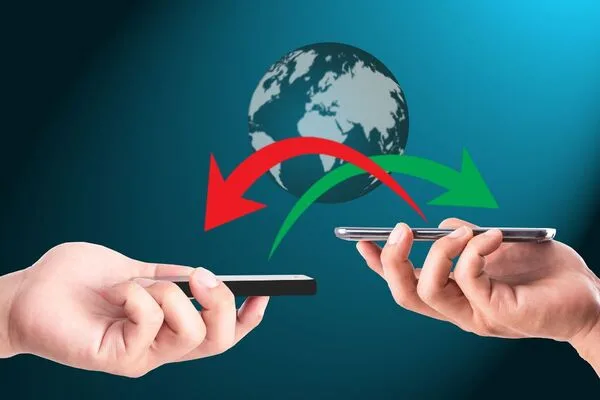
Making Smart and Secure Choices in Money Transfers
Choosing the right money transfer service means more than just sending cash. It’s about safety, value, and convenience. In this section, you’ll learn how to pick a trusted provider, avoid risks, and make the most of your transfers through smart decisions and awareness of key factors.
Why People Use Money Transfer Services
People use money transfer services because they are fast, reliable, and easy to use. For many, it’s a trusted way to send money to loved ones living abroad. Families often rely on these services for financial support, emergency funds, or important life events.
The process is simple and doesn’t require a bank account in many cases. Senders can walk into a local shop, use a mobile app, or visit an online portal. This flexibility makes money transfers accessible to a wide range of users. Services are also available in multiple languages, helping those who may not speak English fluently.
Security is another major reason people choose money transfer companies. Every transaction includes tracking, receipts, and identity checks to reduce fraud. With trusted providers, users gain peace of mind knowing their money will reach the right person. It’s a trusted solution for millions who send and receive money across borders every day.
How to Choose the Right Money Transfer Service
Choosing the right money transfer service can save time, money, and stress. Start by comparing fees and exchange rates, as even small differences can affect how much your recipient gets. Look for transparency in pricing and clear communication on charges. Speed is also important. Some transfers happen in minutes, while others may take a few days.
Check if the service offers both online and in-person options. This flexibility can be helpful depending on where you or your recipient live. Security is another key factor. Always choose a licensed provider that uses encrypted systems and identity verification.
Customer support matters, especially if something goes wrong. Read reviews or ask others about their experiences. Reliable services offer dedicated support and simple processes. Finally, consider the accessibility of the service. Can your recipient collect the money easily? With the right provider, a money transfer can be quick, secure, and hassle-free every time.
Risks and Safety Measures in Money Transfers
While money transfer services are generally safe, users should still be aware of potential risks. One common issue is sending money to the wrong person due to incorrect details. Fraud is another concern, especially with online scams pretending to be real companies. Phishing emails, fake links, or calls requesting personal information can lead to lost funds.
To protect yourself, always use a licensed and reputable provider like Order Express. These companies follow strict regulations and use secure systems to protect your data. Double-check all transaction details before confirming. Never share transaction numbers or verification codes with anyone, especially over the phone.
Good services offer transaction tracking, customer support, and receipts via email or SMS. This adds a layer of security and gives you peace of mind. When done carefully, a money transfer is a reliable way to send support to family or pay for services. Staying informed is the best way to avoid mistakes or scams.
How Exchange Rates Affect Your Money Transfer
Exchange rates play a big role in how much money your recipient will receive. When sending funds internationally, the currency you send is converted into the local currency of the recipient. If the exchange rate is low, the recipient gets less. If it’s high, they receive more. These changes happen daily and can affect the value of your transfer.
Many money transfer services set their own exchange rates, slightly different from market rates. They often include a margin as part of their profit. It’s important to compare these rates between providers before sending money. A better rate could mean more value for the recipient.
Some companies offer real-time rate updates or let you lock in a rate before confirming. Services aim to provide competitive rates and full transparency. By understanding how exchange rates work, you can make better decisions and ensure your money transfer delivers the most benefit possible.
Conclusion
Choosing the right money transfer service is essential when speed, reliability, and affordability matter. Whether you’re sending money through a physical location or using a digital platform, trusted providers like Order Express ensure your funds are delivered safely and on time. With clear transaction tracking, multilingual support, and secure systems in place, users can send money with confidence. The evolving landscape of the money transfer industry continues to create more convenience through mobile apps, online portals, and new payment options.
Exchange rates, fees, and security measures are also critical to understand before sending money internationally. Remittances are more than just transfers; they are financial lifelines that support families and economies around the world. By staying informed and choosing a reliable provider, you make every money transfer count. Take control of your transactions today and ensure your money reaches its destination quickly and securely with Order Express.
Disclaimer: Order Express is a licensed U.S. money services business. Federal rules require us to verify your identity for cash transfers of 3 000 USD or more sent on the same day. Every transaction is screened against Office of Foreign Assets Control sanctions lists.
Cash transfers of 10 000 USD or more are filed in a Currency Transaction Report, and suspicious activity triggers a Suspicious Activity Report. Under the CFPB Remittance Transfer Rule, you may cancel within 30 minutes of payment and dispute errors within 180 days. Refunds apply when funds are not delivered or a timely cancellation request is accepted.
FAQs
How long does a money transfer take to complete?
Delivery time depends on the provider and method. It can take minutes or up to a few business days.
What documents do I need to send money in person?
You need a valid government-issued ID and the recipient’s full name and location. Identification is mandatory for cash transfers of 3 000 USD or more in one day in the United States.
Are money transfers safe from fraud or scams?
Yes. Licensed providers such as Order Express secure every transfer with encrypted systems, sanctions screening, and anti-money-laundering monitoring. Always verify transaction details and never share your receipt number with anyone.
Can I send money without a bank account?
Yes. Many services allow cash payments at shops or kiosks, making money transfer accessible to everyone.
How are exchange rates decided in money transfers?
Providers set their own exchange rates, usually slightly below market rates, and may include a margin for profit.

Alvin is a Content and SEO Specialist who creates clear and helpful content about money transfers and payment systems. He focuses on making complex topics easy to understand so readers can learn how these services work in everyday situations.


