 Skip to content


Personal checks used to be one of the most common ways to make payments, and while they are not as widely used today, they still serve as a secure option for certain transactions. If you receive a personal check, it is important to know how to handle it and when to take action. A check does not last forever, and waiting too long may affect your ability to cash a check without complications. By staying mindful and using trusted financial services, you can keep track of your check and ensure you access your money quickly and without unnecessary stress.
If you have a personal check in hand, the next step is deciding how and where to cash it. Many people turn to check cashing services to make the process faster and more convenient. Knowing the basics of how long a personal check is valid helps you avoid delays, so you can plan ahead and cash a check before any expiration issues arise. Staying proactive means you won’t lose the value of your payment and you can move forward with confidence.

Everything You Should Know Before You Cash a Personal Check
Personal checks may feel old-fashioned in today’s digital-first world, but they still play an important role in everyday payments. From paying rent to managing deposits, knowing how to handle a personal check gives you more flexibility in situations where cash or electronic transfers are not an option. One of the most important steps is understanding how check cashing works and how expiration dates affect your ability to access funds.
By learning the basics of personal checks, you can avoid delays and confidently use check cashing services when needed. Whether you are wondering how long a check stays valid, when it might expire, or what to do if it becomes outdated, having clear knowledge makes the process stress-free. Acting early and knowing when to cash a check ensures you never miss the chance to access your money on time.
What Is a Personal Check in Check Cashing?
A personal check is a paper payment method that allows one person to transfer funds to another without using physical cash. When you cash a check, the money written on it is withdrawn from the check writer’s account and provided to the recipient. Even though digital transfers are popular today, personal checks remain a useful option, especially when you need to complete payments in situations where electronic options are unavailable.
Personal checks are often used for everyday transactions and can still play a role in financial planning. You might need to cash a check when handling a security deposit, paying rent, or managing unexpected expenses. Understanding how personal checks work and how they connect to check cashing services can help you confidently handle different payment situations when cash or electronic transfers are not suitable.
Do Personal Checks Expire for Check Cashing?
Personal checks have a limited lifespan, usually becoming outdated around six months after the date written, though some may state “void after 90 days” while still being honored for up to 180 days by many institutions. Because of this, it is best to treat every check as time sensitive and cash it as soon as possible. Acting quickly helps you avoid rejection, delays, or stress, ensuring your funds are available when you need them most.
Here are the key points to keep in mind:
- Most personal checks become invalid after six months
- Some may show “void after 90 days,” but not all follow this rule
- Acting quickly reduces the chance of delays or rejection
- Treat all personal checks as time sensitive for smoother cashing
By making a habit of cashing checks promptly, you avoid expiration issues and keep your finances running smoothly. Misplaced or expired checks can create setbacks that are easily avoided with proactive steps. Developing this routine not only saves time but also provides peace of mind. Staying organized and responding quickly is the smartest way to ensure check cashing is always stress-free.
Quick Reference: Personal Check Validity for Check Cashing
To make these timelines easier to remember, here’s a quick reference guide showing how long personal checks typically remain valid and what steps you should take if one expires.
| Type of Timeline | Typical Validity | What to do after Expiration |
| Standard personal check | 6 months (180 days) | Request replacement from issuer |
| Marked “Void after 90 days” | Often still honored up to 180 days, but risky to wait | Cash promptly or request reissue |
| Expired check | Not valid for cashing | Contact issuer for a new check |
As you can see, personal checks are always time-sensitive, and waiting too long can complicate the cashing process. The safest habit is to treat every check as urgent, cash it promptly, and avoid relying on grace periods. This proactive approach ensures you can access your funds smoothly without running into avoidable setbacks.
Important Compliance Notice: Order Express check cashing services are subject to federal and state regulatory requirements. Valid government-issued identification is required for certain transactions, including check cashing of $3,000 or more (or $1,000 in states such as Arizona, Oklahoma, and Louisiana for certain checks). Order Express does not cash checks above $3,000. Additional verification and reporting may apply in accordance with the Bank Secrecy Act (BSA) and Order Express’ AML compliance policies.
How Long Do Personal Checks Stay Valid for Check Cashing?
Personal checks generally remain valid for around six months from the date they are written. Some may show a shorter timeline with a note like “void after 90 days,” but relying on printed wording can be risky. The safest approach is to treat any check as time sensitive so you can avoid delays or issues when you need to cash a check. Acting quickly ensures you do not run into complications that may keep you from accessing your funds.
If a personal check is left unused for too long, you may face problems when trying to cash it. Financial institutions or check cashing services could refuse the payment, forcing you to request a new check from the issuer. This not only causes unnecessary delays but also adds extra steps when you are ready to use your money. To avoid these setbacks, make it a habit to cash a check as soon as possible.
What Happens if a Personal Check Expires Before Check Cashing?
When a personal check passes its expiration date, it typically cannot be accepted for check cashing. At that stage, your only option is to contact the person or business who issued the check and request a replacement. This might seem straightforward, but in reality, it can be difficult if the issuer is unavailable or unwilling to provide another check.
To avoid unnecessary stress, it is important to understand what happens once a check expires. Being informed allows you to act quickly and reduce the chances of losing access to your funds. Keep in mind that personal checks are always time-sensitive, and waiting too long can complicate the process of cashing a check.
Here are some key points to remember:
- Expired checks are usually not valid for check cashing
- You may need to request a new check from the issuer
- Delays can occur if the issuer is difficult to reach
- Acting early prevents last-minute complications
The best way to protect yourself is to treat every personal check as urgent and avoid waiting until the last moment. By cashing a check promptly, you guarantee smoother processing and fewer obstacles with payment access. Taking quick action also helps you stay in control of your finances and prevents the stress of requesting replacements. With smart habits, check cashing becomes simple, reliable, and an important step in managing your money effectively.
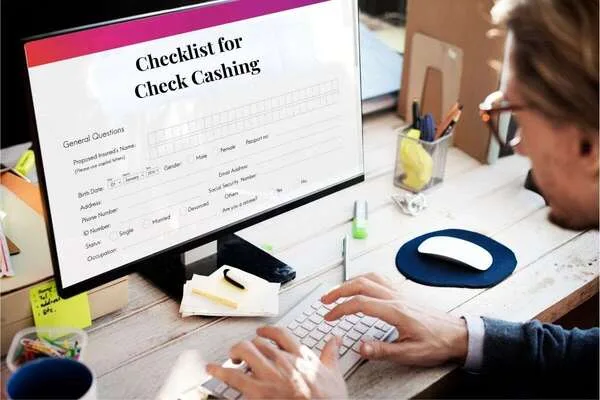
Your Guide to Making the Most of Personal Checks
Managing personal checks is easier when you know the right steps to take from the start. Many people overlook simple habits such as checking the date immediately or deciding quickly whether to deposit or cash a check. These small actions make a big difference, helping you avoid complications and ensuring your checks are honored on time. By understanding the essentials of check cashing, you put yourself in control of your money and reduce unnecessary stress.
Equally important is knowing where and how to handle your checks. Whether you choose to deposit them into an account or cash a check directly for quick access, your choice impacts both convenience and timing. Safe storage and prompt action prevent delays, while smart habits keep the process smooth every time. With the right approach, check cashing becomes a straightforward routine that supports your financial confidence and peace of mind.
Why Timing Matters for Check Cashing a Personal Check
When you receive a personal check, it is important to understand that it will not remain valid forever. Acting within the allowed timeframe ensures that you can successfully cash a check without running into unnecessary complications. Waiting too long may result in the check being questioned or even rejected, which can delay your access to funds. By prioritizing quick action, you make the process smoother and avoid potential setbacks.
Another reason timing is so important is that check cashing services and financial institutions may follow different rules regarding older checks. Some may allow a short grace period, while others may not accept them at all once the time has passed. Since there is no guarantee of flexibility, the best strategy is to cash a check promptly to avoid uncertainty and ensure that it is honored without issue.
What Can You Do with a Personal Check for Check Cashing?
When you receive a personal check, you have two main choices: you can deposit it into your bank account or cash the check to access your funds directly. Depositing usually means the money is transferred into your checking or savings account, while cashing a check allows you to receive the funds on the spot. Both options are simple, and understanding the difference helps you decide the fastest way to get your money.
Check cashing can be done at your bank, a credit union, or a trusted check cashing service. Many people prefer to cash a check when they need quick access, while others use deposits if they want the money stored safely in their account. In some cases, mobile deposit is also available through your banking app, giving you the convenience of managing a personal check from home.
Smart Check Cashing Habits for Personal Checks
Managing personal checks does not have to be complicated. The key is to build small habits that help you stay organized and avoid unnecessary problems. Start by checking the date as soon as you receive a check and decide right away whether you will deposit it or cash a check. Acting quickly reduces the risk of missing expiration dates and keeps your financial routine simple.
To stay prepared, make sure your checks are stored in one safe and organized place. Losing a check or forgetting about it until it is too late can cause delays and frustration. Keeping them together makes it easier to remember deadlines and ensures your check cashing process goes smoothly when you need access to funds.
Here are a few habits worth practicing:
- Check the date on every personal check immediately
- Decide quickly whether to deposit or cash a check
- Store checks in a secure and organized location
- Treat every check as time-sensitive to avoid problems
Following these steps helps you manage checks with confidence and avoid setbacks. Building these habits creates peace of mind and keeps your money accessible when you need it. The more consistent you are with check cashing, the less stress you face when handling personal payments. Staying proactive today saves you time and energy tomorrow.
Conclusion
Personal checks remain a reliable payment method, but they must be handled with care and timeliness. By checking dates, storing them safely, and choosing the right time to cash a check, you avoid delays and complications. Proactive habits ensure you never miss an expiration period and keep your money accessible when you need it. Understanding how check cashing works allows you to make smarter financial decisions and stay in control of your funds. Acting early, staying organized, and treating every check as time-sensitive will always lead to smoother experiences with personal payments.
Disclaimer: Information provided in this article is for educational purposes only. Order Express check cashing services comply with all applicable laws, including the Bank Secrecy Act (BSA) and Anti-Money Laundering (AML) regulations. All transactions are subject to identification requirements, transaction limits, and reporting obligations.
Note: At Order Express, personal checks over $3,000 cannot be cashed, and valid identification is required for certain transactions.
Don’t wait until your personal check expires. Contact Order Express today to cash your check quickly, securely, and without hassle. Get your money on time and take control of your finances with our trusted check cashing services!
Local Service Commitment: Order Express offers check cashing services across our 100+ U.S. offices, ensuring customers in every local community have access to fast, compliant, and reliable financial solutions.
FAQs
How long is a personal check valid for check cashing?
Most personal checks remain valid for about six months from the date written.
Can I still cash a check after six months?
Some places may honor it, but many will reject it after expiration.
What should I do if my check has expired?
You need to contact the issuer and request a replacement check.
Why is it important to cash a check quickly?
Cashing promptly avoids delays, rejections, and the stress of dealing with expiration.
Can I store a check at home until I need it?
Yes, but keep it safe, organized, and treat it as time-sensitive.


