 Skip to content


Long-term expats often need clear, dependable ways to move money across borders, and understanding how international transfers work helps them manage everyday expenses and larger financial obligations abroad. Money transfer processes for expats typically involve choosing accounts that work internationally, comparing service fees and delivery times, and following secure digital practices to protect their funds.
Many expats use a combination of checking accounts, credit cards, prepaid options and licensed transfer services to access money safely while keeping federal rules and provider policies separate.
Note: Check-cashing and currency-exchange services referenced in this article are general examples used by expats. Order Express agents do not provide check cashing or currency exchange services; any such activity is conducted independently and is not part of OE’s agent services.
This guide explains how these systems work, what tools support reliable overseas payments and how expats can plan transfers that fit their long-term financial needs.

Essential Tools Every Expat Needs For Secure Money Transfer
Long-term expats manage daily spending more easily when they understand the financial tools available to them. The right mix of accounts, cards and digital options provides predictable access to funds, reliable budgeting support and smoother payments across borders. These tools help travelers and residents stay organized and reduce unnecessary fees while living abroad.
Using Accounts That Support International Use
Long-term expats need reliable access to their funds, especially for everyday purchases. Many choose checking accounts that reduce international costs by refunding ATM fees or limiting foreign transaction charges. This setup allows expats to manage spending without opening a local account unless required, while keeping savings protected in their home country for stability and convenience.
Most expats also depend on debit cards connected to accounts that support international withdrawals. Some cards offer wide ATM access with no added fee, while others set limits on reimbursement or daily withdrawals. Choosing the right option ensures steady, predictable costs while traveling or living abroad.
Here are the key points to remember:
- Pick accounts with low or refunded ATM fees
- Compare foreign transaction costs
- Check withdrawal limits before choosing a card
This simple system works well for expats who want to maintain a clear and manageable financial routine. It also supports travelers who still use check services before leaving their home country. Many rely on check verification, payroll checks, government checks or cashing locations as part of their transition abroad. These familiar services help them bridge the gap before moving to fully digital tools, and they provide added stability while adjusting to unfamiliar banking systems.
Using Credit Cards With No Foreign Transaction Costs
Expats often use credit cards that avoid foreign transaction costs. These cards provide added protection and reduce the risk of carrying large sums of cash. Some cards include travel protections or online dashboards for easier monitoring.
Many financial providers offer cards with simple terms. The key is comparing fees and understanding how each card handles international purchases. These tools help expats budget and avoid unnecessary charges while living overseas.
How Prepaid Or Digital Solutions Help
Some expats prefer digital wallets or prepaid cards. These options work well when bank access is limited or when users need controlled spending. Many services allow quick reloading from home-country accounts, which helps travelers and expats manage budgets. Order Express offers prepaid and digital solutions built for everyday use, and customers can review OE’s specific features independently because this article does not mix OE policies with federal rules.
Compliance Notice (Order Express Policies): Order Express services are subject to BSA/AML requirements, including customer identification, transaction monitoring, OFAC screening, and reporting obligations. Identification is required for transactions at or above applicable state and federal thresholds, including money transfers and money order, or lower thresholds in states such as Arizona and Oklahoma. Order Express also prohibits structuring or attempts to avoid reporting or recordkeeping requirements.
All prepaid or digital services offered through Order Express are subject to customer verification, transaction monitoring, OFAC screening, and record retention policies as required under the Bank Secrecy Act.
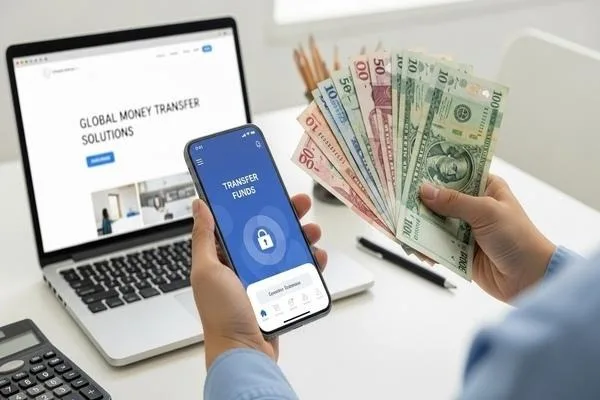
A Practical Guide To Safe And Efficient Money Transfer Solutions
Managing large overseas payments can feel complex for long-term expats, especially when fees, exchange rates and regulatory steps vary across providers. Understanding how money transfer systems work helps you avoid unnecessary costs and choose the right method for each situation. By comparing traditional banking, specialized services and federal requirements, you can stay informed and move funds abroad with greater confidence and control.
Why Traditional Banking May Cost More
Large overseas payments often involve fees from both sending and receiving institutions. Many traditional banks use higher currency exchange margins, and recipients sometimes pay added costs when receiving funds. These expenses can grow quickly for expats who pay rent, tuition or large personal purchases abroad.
Some banks require in-person transfers or special documentation for international wires. These steps can slow transfers and create uncertainty. Because of this, many expats explore specialized transfer services that offer transparent pricing and easier digital control.
How Dedicated Money Transfer Services Operate
Specialized money transfer services help expats manage large international payments with more clarity and efficiency. These providers streamline the process by offering upfront pricing and faster delivery options. Many also include tools that help senders track their transfers in real time, creating a smoother and more predictable experience from start to finish.
Here are the key features customers typically look for:
- Clear fees shown before the transfer
- Real-time tracking for added transparency
- Support agents available for high-value transactions
- Faster delivery options compared to traditional banks
Licensed money transmitters like Order Express follow a structured approach that supports reliable cross-border payments. Customers can review OE’s public materials to understand fees, delivery times and identification steps. It is important to evaluate these details independently because they are separate from federal requirements. This helps customers make informed decisions. It also ensures they choose a service that matches their specific financial needs.
When comparing providers, expats focus on total cost, transfer speed and ease of use. Transparency plays a central role because it affects both trust and final outcomes. Knowing the exact amount the recipient will receive prevents surprises and avoids unnecessary delays. Customers also benefit from understanding any receiving-side fees, which can influence the overall value of each transfer. Finally, choosing a provider with strong customer support gives expats added confidence when managing large or time-sensitive payments.
Understanding Federal Rules Separately
Federal financial rules apply to many transactions regardless of provider. These rules include reporting requirements for specific transaction thresholds and recordkeeping obligations. They do not reflect the internal policies of any individual company, including Order Express. Customers should follow federal regulations as separate responsibilities. This article does not interpret those rules or provide legal guidance.
Expats handling larger payments should remain aware of their own national reporting duties, such as tax or asset disclosures required by their home countries. These obligations remain separate from any service provider’s money transmission procedures.
Order Express follows federal BSA, CTR, SAR, OFAC, and remittance-transfer obligations independently from customers’ personal federal requirements. Customer responsibilities under federal law, such as FBAR, tax disclosures, or reporting, are separate from Order Express policies.

Structuring Your Financial Life For Dependable International Transfers
Long-term expats manage daily expenses and major obligations more effectively when they build a clear financial system that supports predictable money transfer activity. A structured approach helps them keep funds accessible, reduce unnecessary risks and stay organized across multiple countries. As expats learn how to balance home-country accounts, create reliable transfer habits and follow safe practices, they gain steady control of their financial lives abroad.
Balancing Home-Country Accounts And Local Needs
Many expats keep most of their funds in home-country accounts for convenience, safety and digital access. They then use transfer services when paying expenses abroad. This method reduces the need to manage complex foreign accounts. Some people open local accounts only when employers or landlords require them.
Local accounts may include their own rules, currency controls or documentation needs. Understanding these requirements helps expats stay organized. Customers coming from check payout environments in their home countries often find international banking different and may need time to adjust.
Choosing A Reliable Transfer Routine
A consistent routine helps expats avoid unexpected fees and delays. Many set a monthly or quarterly Money Transfer schedule to cover rent, utilities or ongoing obligations. Others schedule transfers only for significant purchases. Both approaches work when the sender knows the fees, timing and requirements.
Order Express offers structured transfer options for customers who want predictable delivery and support. OE’s policies remain separate from federal rules, and customers should read OE’s public disclosures for precise details about identification, limits or processing.
Compliance Reminder: Order Express does not permit structuring or attempts to break transactions into smaller amounts to avoid identification, reporting, or recordkeeping thresholds. All transfers are monitored in accordance with BSA/AML rules, and suspicious patterns may result in SAR filings.
Maintaining Safe Financial Practices
Expats should use secure devices, strong passwords and trusted networks when sending money. They should verify recipient details and avoid sending funds to unverified individuals. Many service providers share fraud prevention tips, and expats should follow those independently of any provider’s internal rules.
Safe practice includes monitoring statements, tracking transfers and keeping communication records. These habits protect senders wherever they live.
Note: Order Express encourages customers to follow fraud-prevention best practices, including never sending money to unknown individuals, avoiding pressure‐based requests, and reporting suspected fraud immediately to OE’s Compliance Department.
Conclusion
Long-term expats build stronger financial stability when they understand the tools that support safe, predictable and affordable international payments. By choosing accounts that work overseas, comparing transfer options and following secure digital habits, they reduce risk and stay in control of their money. Planning regular transfers, learning local banking rules and keeping federal responsibilities separate also help expats avoid unnecessary delays or costs. With a clear strategy, expats can manage daily expenses, major obligations and long-distance support with confidence. If you want a structured and reliable way to move funds abroad, explore the services that match your needs and take action today.
Disclaimer: This article provides general information only. It does not offer legal, tax or financial advice. Federal rules and Order Express policies are discussed separately and should be reviewed through official sources.
Order Express is a registered Money Services Business (MSB) and complies with all BSA/AML, OFAC, recordkeeping, and reporting requirements. Customers may be asked to provide identification and additional information when transactions meet federal or state thresholds, in accordance with OE’s compliance policies.
Take the next step today and explore how Order Express can support your international transfer needs with clarity and confidence, and feel free to contact Order Express whenever you’re ready to get started.
FAQs
How can long-term expats transfer money abroad safely?
Use secure accounts, compare transfer fees, verify recipients and send funds through licensed providers. Follow federal rules separately and check delivery times before confirming any transfer.
What is the best way to manage daily expenses as an expat?
Use accounts with low foreign fees, a debit card for withdrawals and a credit card with no foreign transaction costs. Track spending and monitor statements regularly.
Why do traditional banks charge more for international transfers?
Many banks add higher exchange margins, foreign transaction fees and charges on the receiving side. Some also require in-person transfers or added documentation.
How often should expats schedule overseas payments?
Many expats schedule monthly or quarterly transfers to manage rent or bills. Others transfer only for large purchases. Choose a routine that fits your financial goals.
What security steps should expats follow when sending money abroad?
Use strong passwords, secure devices, private networks and verified recipient information. Keep transfer receipts, monitor each transaction and track any unusual activity.
Note: Identification thresholds for Order Express transactions vary by state. For example, Arizona and Oklahoma require customer identification starting at lower transaction amounts compared to other states. Customers should review OE’s official disclosures for state-specific limits.


