



Booking a flight may feel quick and easy, but there’s far more going on beneath the surface. Every reservation activates a sequence of systems that manage passenger records, seat assignments, payment validation, and legal compliance. These steps ensure you’re correctly ticketed and authorized to board. Whether you’re planning a short getaway or a long international route, understanding how plane tickets are processed can make your travel smoother and better organized. From the initial booking to stepping on the plane, this guide explains the major components that drive the flight reservation process. With a clear view of how ticketing operates, you can make smarter decisions and avoid unnecessary complications on travel day.
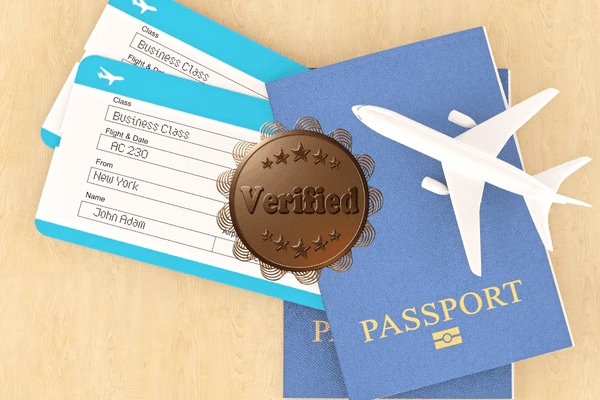
How Plane Tickets Are Booked, Issued, And Verified
Booking a flight may feel straightforward, but securing your spot on a plane involves a multi-step process that not all travelers fully understand. Behind every confirmation email is a chain of approvals, systems, and checks that work together to convert your reservation into an official ticket. From understanding what a plane ticket actually represents to knowing how it is issued, every step matters. Airline systems rely on passenger data, payment validation, and official accreditation to ensure each booking is secure and traceable. If you’ve ever wondered how your name ends up on the flight manifest, this section breaks down how your journey becomes official from the moment you click “book.”
Learning how plane tickets are booked, issued, and managed gives travelers greater confidence. Plane Tickets Booking Guide: Everything You Need To Know also covers reservation options, travel planning, and key considerations before your flight.
What an Airline Ticket Really Is
An airline ticket serves as official confirmation that a seat has been secured for travel. It functions as both a travel document and a contract between the passenger and the airline. Most plane tickets today are issued electronically and stored within secure airline systems, making them easy to access and manage.
Each ticket includes important details such as the traveler’s name, itinerary, and applicable fare conditions. It is also linked to a Passenger Name Record, or PNR, which helps airlines organize and track each booking. Until a ticket is issued, even a reserved seat is not fully confirmed. Ticket issuance finalizes the booking and ensures the traveler is officially recognized for the selected flight.
How the Booking Process Begins
The booking process begins the moment a traveler searches for a flight. This initial step is more than just selecting a departure date. It connects directly to the airline’s reservation system, which quickly checks live availability and pricing based on the search criteria. Once results are generated, travelers can choose the most suitable option.
Here’s what happens next:
- The system creates a Passenger Name Record (PNR) after a flight is selected.
- This record stores the passenger’s name, contact details, and flight itinerary.
- However, this file alone does not secure a seat on the aircraft.
At this stage, travelers should act quickly. The booking is only a temporary hold until payment is completed. Without payment, the reservation can expire without notice. Plane tickets are confirmed only when the transaction is finalized and the system issues the ticket. Timing is everything in this part of the process. If you wait too long, your selected fare may no longer be available, and you could miss out on your preferred flight. Always finalize your booking as soon as you’re ready to secure your seat.
How Tickets Are Issued
Once you’ve selected your flight and completed the payment, your booking is not yet finalized until ticket issuance occurs. This crucial step confirms that your reservation is active and approved for travel. The airline’s system processes your details and links your payment to the Passenger Name Record (PNR).
Here’s what typically happens during ticket issuance:
- Your payment is verified and attached to the reservation.
- The system generates a digital ticket tied to your PNR.
- Your ticket and itinerary are delivered via email for confirmation.
- The issued ticket becomes the official authorization for your flight.
Make sure to check the confirmation email right away. Even if your plane tickets appear in your account, only the finalized ticket guarantees access to airport services. Check-in cannot proceed without it, and boarding will be denied if it’s missing. Treat this step as your final verification before travel. Reviewing the ticket details promptly ensures that everything is accurate, including your name, dates, and flight numbers. If any part of your confirmation looks incorrect, reach out to the travel provider immediately to avoid delays later.
Why Accreditation Matters
Not all businesses are authorized to issue tickets directly on behalf of airlines. To maintain security and accuracy in the booking process, only accredited agents are allowed to handle reservations and ticketing. Travelers booking plane tickets should be aware that these authorizations are granted to sellers who meet strict operational standards.
Accredited agents follow specific guidelines that ensure each booking is properly recorded and processed within airline systems. If a seller is not certified, they must route transactions through a verified partner. Using authorized platforms helps ensure that all travel details are documented correctly from the beginning. When travelers understand the role of accreditation in air travel, they are better equipped to make safe and informed booking decisions for any itinerary.

What Happens Behind The Scenes After You Book A Flight
Once your plane ticket is issued, your journey is set in motion well before takeoff. Behind the scenes, airlines activate a series of connected systems that update your booking status, link your reservation across platforms, and prepare your check-in process. If your trip involves multiple flights or different airlines, data-sharing agreements keep your itinerary intact and manageable. From that point forward, tools like the Departure Control System help facilitate check-in, issue boarding passes, and track your travel status in real time. Travelers can also enhance their trip by adding optional services like baggage, seating, or meals. Understanding how your booking evolves after purchase gives you more control, flexibility, and confidence before departure.
What Happens After You Book
Once your ticket is issued, the booking becomes active within the airline’s reservation systems. This gives you access to manage your travel details and make adjustments if your fare rules allow. You can now make updates or personalize your travel experience. Key actions available at this stage include:
- Viewing and confirming your itinerary in the airline’s system
- Adding extras such as seat selection or additional baggage
- Updating personal information like contact details or frequent flyer numbers
If your trip involves more than one flight or carrier, the information is stored in a central record. This file, known as the Passenger Name Record (PNR), keeps your itinerary organized and visible throughout your journey. In more complex bookings, you may notice:
- Flights operated by different airlines under one booking
- Data shared between partner carriers for coordination
- Consistent updates to schedule or seat assignments
Once the PNR is complete and synced, your seat and route are actively tracked. Plane tickets linked to a complete PNR remain valid across partner systems. Staying informed about your booking status helps avoid confusion and supports a smoother check-in experience.
Multi-Airline Itineraries
Some flight itineraries involve more than one airline, especially for long or multi-stop journeys. In these cases, codeshare and interline agreements allow multiple carriers to operate under one booking. This setup ensures that your reservation and plane tickets are recognized across all involved systems, providing a seamless travel experience from departure to arrival.
A shared passenger record keeps all essential details linked together. This includes your seating, baggage handling, and any updates to flight times or gates. For complex routes with several segments, a Super PNR may be created to organize everything under a single reference. This centralized system allows each part of the trip to be managed efficiently, making it easier for both travelers and booking systems to coordinate every step of the journey.
What the Departure Control System Does
The Departure Control System (DCS) plays a critical role in finalizing passenger movement from check-in to boarding. It acts as the bridge between your booking and the operational systems at the airport. Once your plane tickets are confirmed, the DCS ensures that every detail is in place for a smooth departure. Here’s what it manages at check-in:
- Confirms your reservation by validating personal and flight data
- Assigns or verifies your seat
- Issues your boarding pass and updates passenger status
Beyond check-in, the DCS continues working behind the scenes to support airport coordination. It keeps real-time data flowing between systems to streamline your journey. Here’s what else it handles:
- Updates gate assignments and seating configurations
- Tracks checked baggage from drop-off to loading
- Ensures boarding order is organized and efficient
Once your boarding pass is scanned at the gate, the DCS updates your status as boarded. This confirmation allows the airline to finalize headcounts and prepare for departure. The system helps reduce errors, improves efficiency, and ensures your information follows you throughout the airport process.
Adding Ancillary Services
Ancillary services are optional features that can improve the overall comfort and convenience of your journey. After your plane tickets are issued, these extras can be added by accessing your reservation online. Travelers often choose to include options like seat selection, meal preferences, or checked baggage based on their travel needs.
Once selected, these additions are recorded in the Passenger Name Record and shared across the airline’s systems. They remain visible throughout the check-in and boarding process, helping ensure everything runs smoothly. While availability can vary, adding these services early in your planning allows for better preparation and fewer surprises at the airport. Taking time to review and apply these options can enhance your trip and simplify your departure experience.

Things to Know After You Book Your Plane Tickets
Once your plane tickets are booked, the most important steps are not over. Timing, fare rules, and fine-print details can all affect how smoothly your trip unfolds. A single oversight, such as missing a payment deadline or ignoring a fare condition, can lead to travel disruptions or added fees. Travelers who know what to double-check after booking are more likely to avoid issues at the airport. Whether you are confirming personal information, understanding refund policies, or reviewing your schedule, these final steps matter. Giving your ticket a careful review and understanding the terms attached to it can prevent confusion and help ensure a more relaxed travel experience from start to finish.
Why Timing Matters
Timing plays a critical role in the success of your travel plans. Once you begin the process of securing plane tickets, the system starts tracking availability in real time. Flights can sell out or shift in price within minutes, which is why every second counts. To stay ahead, remember these key points:
- Flight inventory changes constantly based on demand and cancellations
- A listed fare can disappear within minutes
- Available seats may shift or sell out without warning
Making a quick decision after selecting your itinerary is essential. Once you delay payment, the reservation may no longer be guaranteed. During busy travel periods, demand increases rapidly, shrinking your options. To stay ready, keep these reminders in mind:
- Finalize traveler details before starting the search
- Have your preferred payment method ready
- Avoid pausing between flight selection and checkout
Confirming your booking without hesitation can protect you from last-minute changes. Acting promptly helps secure your preferred flight and reduces the risk of rebooking under pressure. Preparation and speed give you a stronger chance of locking in the exact flight you want.
Understanding Flexibility and Fare Rules
Each airline ticket includes fare rules that outline what changes or cancellations are permitted. These conditions can vary depending on the fare type, destination, and overall booking category. Before confirming your plane tickets, it is important to understand the flexibility that comes with your selection.
Some itineraries may allow schedule adjustments, while others could have more limited options. Reviewing the rules in advance helps you make informed decisions, especially if your travel plans are not yet firm. Paying attention to the terms related to changes or cancellations can prevent unnecessary disruptions. When possible, selecting a more flexible option adds peace of mind. A clear understanding of your ticket’s terms ensures that you are better prepared if your itinerary needs to be revised after booking.
Why Ticket Details Must Be Reviewed
After receiving your flight confirmation, the first thing you should do is carefully review all booking details. Even small errors can lead to unnecessary delays or disruptions at the airport. Start by checking these key elements:
- Confirm that your full name matches your official identification
- Review the departure and arrival airports for accuracy
- Verify flight numbers and travel dates are correct
For itineraries with connections or flights operated by partner airlines, timing and routing become even more important. Take a moment to double-check the following:
- Connection times between flights to avoid tight transfers
- Terminal information for both arrivals and departures
- The presence of multiple carriers within the same booking
Fixing mistakes with your plane tickets is often simple if handled early, but overlooked errors can escalate quickly. Review your itinerary as soon as you receive it to avoid last-minute surprises. If something looks incorrect, contact your booking provider immediately. A short review now can save time, stress, and confusion as your travel day approaches. Always treat confirmation as your final chance to catch and correct anything critical.
What Happens If You Miss an Error on Your Ticket
Overlooking a small mistake on your flight ticket can create major complications on travel day. Whether it’s a wrong spelling, incorrect destination, or mismatched schedule, these errors can delay check-in or even result in denied boarding. Airlines and security personnel rely on precise details to confirm your identity and itinerary. If your information doesn’t match across your ticket and identification, correcting it at the airport may not be possible.
The best way to prevent this is to catch errors early. Reviewing your booking immediately after receiving confirmation gives you the most flexibility to make changes. Taking that step protects your travel plans and keeps your departure on track.
How to Correct Ticket Mistakes Before Departure
If you notice an error on your ticket, take immediate action. Quick corrections are easier to make and often require fewer steps when handled early. Many booking systems offer limited self-service edits depending on the fare type and route. This is especially important for details tied to identification or departure logistics.
Start by reviewing the essentials:
- Check your confirmation email for name accuracy and correct flight details
- Log into your booking platform to view available change options
- Use the airline’s help tools if online edits are unavailable
- Save the updated version of your itinerary both digitally and in print
Being proactive ensures your plane tickets are properly registered and ready for check-in. Waiting until the day of travel can complicate your boarding process. Making adjustments ahead of time helps prevent unexpected delays and gives you confidence that all your information is accurate. Always double-check your itinerary and be ready to verify it when needed. Taking a few minutes now can protect your entire trip from unnecessary setbacks.
Conclusion
Understanding how the booking process works gives you greater control over your entire travel experience. Each step influences the next. From selecting flights to confirming payment, knowing how and when actions take effect prevents unnecessary stress.
Reviewing your itinerary, acting quickly, and double-checking your information ensures your trip starts smoothly. Whether you are flying solo or planning for others, smart habits around booking help protect your time and peace of mind. Learn what matters, act on it early, and your plane tickets will do their job from booking to boarding.
FAQs
When is a plane ticket officially confirmed?
A plane ticket is confirmed only after payment is processed and an electronic ticket is issued by the system.
What happens if I miss a booking confirmation email?
Log in to your booking account to retrieve the ticket, or contact customer support to resend it immediately.
Can I change my flight after booking?
Yes, if your fare rules allow it. Check your confirmation for modification options and applicable conditions.
What is a Passenger Name Record (PNR)?
A PNR is a digital file that stores your flight details, personal information, and booking history for airline reference.
Why is reviewing my booking important?
Mistakes in names, dates, or flight numbers can lead to boarding issues. Always verify all details after booking.
Disclaimer: This article is intended for general informational purposes only and does not represent or constitute a service offering by Order Express, Inc. Order Express does not issue or operate commercial airline services. All travel-related services should be booked through accredited third-party travel platforms. For information about Order Express’s regulated financial services, visit https://www.orderexpress.com.

Alvin is a Content and SEO Specialist who creates clear and helpful content about money transfers and payment systems. He focuses on making complex topics easy to understand so readers can learn how these services work in everyday situations.


