 Skip to content


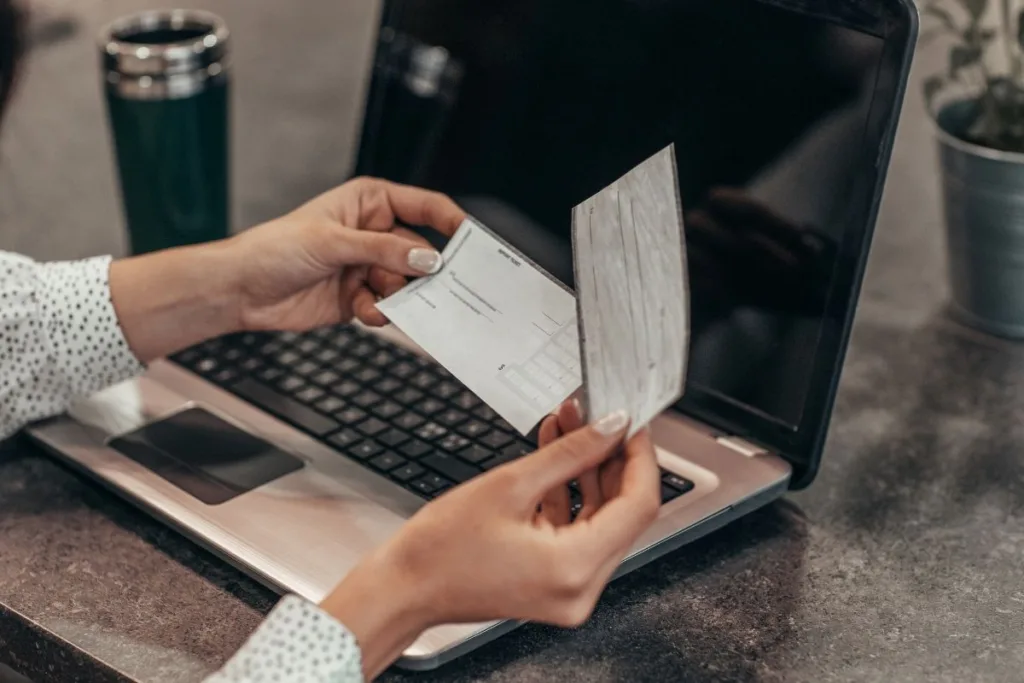
Although checks are used less today, it is still important to understand how they work. You may need to write one for a major purchase or financial situation. Checks allow you to pay for items that may exceed your daily debit card limits. They are also useful for large payments like a car down payment or rent. Many financial institutions still support check payments, making them a reliable option when electronic methods are not convenient. Using checks can also help you avoid added fees charged by some websites for credit card payments. Having this option provides you with more control over your spending and payment methods.
Learning about Check Cashing is equally valuable since it helps you turn checks into accessible funds quickly. Many people rely on Check Cashing services when they do not have direct deposit or immediate bank access. This service ensures you get your money without long delays or waiting periods. It also provides flexibility for people who prefer cash for everyday expenses.
By understanding checks and Check Cashing, you expand your financial options. You can decide when to use a card, cash, or check. Having this knowledge keeps you prepared for unexpected payments or purchases. It also allows you to make smarter choices when handling your money. Reading more about how to write checks will make you confident when the situation arises.
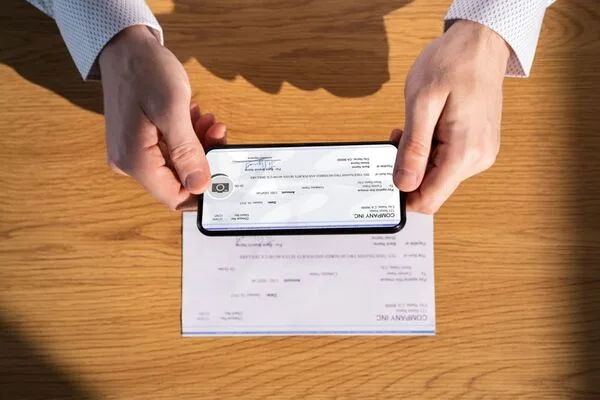
Different Ways to Deposit Checks
Depositing checks can be done in several ways depending on your preference and banking access. Whether you prefer going to the bank, using mobile apps, or relying on ATMs, each option has its own process. Some people also choose Check Cashing services as a faster alternative, especially if they need immediate access to funds. Understanding these methods ensures your deposits are completed smoothly and without delays.
Disclaimer: This article is for informational purposes only and does not replace official regulatory disclosures. Please refer to Order Express’ Terms & Conditions and state/federal laws for full details.
How to Deposit a Check at the Bank
Start by carefully reviewing the check to confirm all details are correct. Make sure the written amount matches the numerical amount. Double check that your name is spelled correctly to prevent delays. These steps are important because even small errors can cause problems with your deposit.
Next, endorse the check by signing the back on the printed line. This step authorizes the transaction and confirms ownership. Without your endorsement, the check cannot be processed. Remember these key points:
- The written and numerical amounts must match
- Your name must be spelled correctly
- Endorse the check by signing the back
- Bring proper identification or a debit card
Finally, take the check to your bank or an approved ATM. If using an ATM, make sure it is listed by your bank to avoid delays. Approved machines help your funds clear faster and ensure secure deposits. Understanding this process gives you confidence, while services like Check Cashing provide even more ways to access your money quickly.
How to Deposit a Check Using Mobile Banking
Start by reviewing the check to make sure all details are correct. Confirm the written and numerical amounts match exactly. Double check that your name is spelled correctly to prevent any rejection. Accuracy here is important to avoid delays in processing.
Next, endorse the check properly before starting the deposit. Sign the back on the printed line, then write “for mobile deposit only” beneath your signature. This step ensures the check is processed safely and prevents duplicate deposits. Remember these key points:
- Confirm the written and numerical amounts match
- Check that your name is spelled correctly
- Sign the back of the check
- Write “for mobile deposit only” under your signature
Finally, open your bank’s mobile app and select the deposit option. Choose “Deposit a Check” and follow the prompts. You will need to take clear pictures of both the front and back of the check. Once submitted, tap Done and your deposit is complete. Mobile banking makes this process quick, secure, and convenient, while Check Cashing services remain another reliable way to access funds when needed.
How to Deposit a Check at an ATM
Depositing a check at an ATM is quick and straightforward. Start by tapping or inserting your debit card into the machine. Follow the on-screen instructions carefully to ensure the process goes smoothly. Always review the details before completing your deposit to avoid errors.
Here are the important steps to remember when depositing a check at an ATM:
- Insert or tap your debit card to begin
- Select Deposit from the menu options
- Read and accept the message about funds not being available right away
- Choose Check as the deposit type
- Select the account type, such as checking or savings
- Pick your preferred receipt option
- Insert your check into the machine
- Review the deposit summary and confirm the details
- Decide if you want to deposit more checks or finish the transaction
Once complete, the ATM will finalize your deposit. If you selected to print a receipt, be sure to take it before leaving. Using an ATM for deposits gives you flexibility outside of regular banking hours. For even faster access to funds, you can also consider Check Cashing services when you need cash right away.
How to Deposit a Cashier’s Check
Depositing a cashier’s check works the same way as depositing a personal check. You can choose to deposit it through mobile banking, an ATM, or directly at your bank branch. Always make sure the check details are correct before starting the process. Endorse the back of the cashier’s check by signing your name on the provided line. Bring your photo ID or debit card if you plan to deposit it in person. Using your bank’s ATM or mobile app often provides faster access to funds.
Cashier’s checks are considered secure because the money is guaranteed by the issuing bank. This makes them a reliable choice for large purchases or important transactions. Understanding how to handle both personal checks and cashier’s checks gives you more financial flexibility. If you also use Check Cashing services, you can access your money even faster when needed. This knowledge ensures you always have safe and convenient ways to manage payments.

Smart Practices for Using Checks and Check Cashing
Checks and Check Cashing give you flexible financial options, but they require careful handling. By learning essential safety rules, knowing when to choose Check Cashing, and avoiding common mistakes, you protect your money and stay in control. These practices ensure confidence when managing checks in everyday life.
Important Rules to Follow When Writing Checks
When you give someone a check, it can be deposited right away, even if it is postdated. Never write a check without enough funds in your account. This mistake can cause overdraft fees or rejected payments. Always confirm that money is available before handing out a check.
Use only blue or black ink when filling out checks. Other colors may not scan correctly during deposit. Banks and ATMs use imaging technology to read check details. If the ink is too light, your check may be denied. Choosing the right ink ensures smooth and reliable deposits.
Make sure the written and numerical amounts match. If they do not, banks will honor the written words instead. This can create problems if you made a mistake while writing. Always review both fields carefully to avoid confusion. Accuracy in these areas prevents delays or rejected payments.
After writing the amount in words, draw a line through the remaining space. This prevents anyone from altering the check. Extra blank space can be exploited by fraudsters. Protecting this section helps keep your check safe. Small details like this make a big difference in financial security.
Protecting Yourself When Using Checks
Remember that checks older than six months are often invalid. If you deposit one, the payment may bounce. When this happens, the funds will be removed from your account. To fix this, ask for a new check if payment is still owed. Keeping track of check dates avoids future issues.
Never sign a check until all sections are filled in. Avoid writing “cash” on the payee line unless you plan to cash it immediately. If a signed check is lost, someone else could complete it and withdraw your money. This simple precaution helps protect your finances.
Maintain a consistent signature across every check. Doing this makes it easier to prove fraud if checks are stolen. If someone forges your name, banks can compare signatures. A consistent signature is one of the best defenses against unauthorized transactions.
If checks are ever lost or stolen, notify your bank right away. You may need to close and reopen your account since the number is printed on every check. If only one check is missing, a stop payment order can block it for a small fee. Acting quickly reduces financial risks.
Along with learning check safety, understanding Check Cashing services is also important. Check Cashing gives fast access to funds without waiting for bank processing. This is helpful during emergencies when immediate cash is needed. By mastering both check use and Check Cashing, you gain better control of your money.
Note: Fraudsters often target seniors with fake or altered checks. Warning signs include being asked to send money back after cashing a check, being pressured to act quickly, or being accompanied by someone who speaks on your behalf. If you suspect elder abuse or financial fraud, contact the Order Express compliance team or call the National Elder Fraud Hotline at 1-833-372-8311.
What is Check Cashing and How Does it Work?
Check Cashing is a service that allows you to turn a paper check into cash instantly. Instead of waiting days for a bank deposit to clear, you receive your money right away. Many people use Check Cashing when they need immediate funds for bills, groceries, or emergencies. This service is also popular for individuals who do not have a traditional bank account. To cash a check, you bring it to a trusted Check Cashing provider along with a valid photo ID.
The provider verifies the check, confirms your identity, and gives you the cash minus a small service fee. Unlike deposits, you do not need to wait for bank processing times. This makes Check Cashing a reliable choice when quick access to money is important. With this service, you remain in control of your funds and can manage expenses on your own schedule.
Note: All checks cashed through Order Express are screened for compliance with U.S. sanctions. The Office of Foreign Assets Control (OFAC) maintains lists of restricted countries, organizations, and individuals. If a check is linked to a sanctioned party, the transaction may be delayed, blocked, or refused in accordance with federal law.
Key Differences Between Depositing a Check and Check Cashing
Depositing a check and using Check Cashing may seem similar, but they offer very different results. When you deposit a check at a bank or ATM, the money usually takes several days to become available. Banks may also place holds on larger checks, leaving you waiting even longer. With Check Cashing, funds are available right away without delays. Another key difference is that deposits require a bank account, while Check Cashing does not. This makes Check Cashing especially useful for people who prefer cash or do not use banks regularly.
Deposits are free but may cause problems if the check bounces later. Check Cashing has a service fee, but you avoid waiting and gain instant access to your money. Choosing between the two depends on your needs, timing, and preferences. Understanding these differences helps you decide the best way to handle your checks while staying in control of your finances.
When Should You Choose Check Cashing Instead of Depositing?
There are times when Check Cashing is the smarter choice compared to depositing a check. One of the main reasons is urgency. If a bill is due today or you need groceries immediately, Check Cashing provides cash on the spot. Another good time to use Check Cashing is when you do not have a bank account. Without an account, depositing is not an option, so this service gives you fast access to funds. You may also prefer Check Cashing when you want to avoid overdraft risks from delayed deposits. Some people simply like using cash for everyday spending and find this option more convenient.
Choosing Check Cashing is also helpful during emergencies when waiting days for processing is not realistic. While deposits are better for long-term account management, Check Cashing is perfect when speed, flexibility, or accessibility is most important. Knowing when to use each option helps you handle money effectively.
Common Mistakes to Avoid with Check Cashing
While Check Cashing is convenient, certain mistakes can cause problems if you are not careful. One common mistake is forgetting a valid photo ID. Providers cannot cash checks without confirming your identity, so always bring identification. Another error is not checking the details on the check itself. Make sure the written and numerical amounts match and your name is spelled correctly. If these details are wrong, your check may be rejected.
Some people also forget to ask about fees before cashing a check. Understanding the fee structure helps you know exactly how much money you will receive. Another mistake is waiting too long to cash a check. Many checks are only valid for six months, and expired checks cannot be used. Finally, avoid handing over incomplete or pre-signed checks, as this could put your money at risk. By avoiding these mistakes, you can make Check Cashing quick, safe, and stress free.
Note: Under U.S. financial regulations, transactions of $3,000 or more require valid government-issued identification. Cash transactions totaling $10,000 in a single business day require a Currency Transaction Report (CTR). Suspicious activity involving $2,000 or more may result in a Suspicious Activity Report (SAR). These requirements apply to check cashing services and are in place to protect against fraud and money laundering.
Conclusion
Understanding how Check Cashing differs from depositing a check gives you more control over your financial decisions. While depositing works for long-term banking, Check Cashing offers instant access to funds when speed and flexibility matter most. Whether you are paying bills, handling emergencies, or simply prefer cash, knowing both options helps you stay prepared. Following safe check-writing habits, protecting your information, and avoiding common mistakes all contribute to financial security.
With reliable services like Order Express Check Cashing, you can access your money quickly and conveniently without long delays. Take charge of your finances today, visit your nearest Order Express location to experience fast and secure Check Cashing that works on your schedule.
Compliance Notice: Order Express, Inc. is registered with the Financial Crimes Enforcement Network (FinCEN) as a Money Services Business (MSB). We operate under a Bank Secrecy Act (BSA) and Anti-Money Laundering (AML) compliance program that includes customer identification, sanctions screening, staff training, transaction monitoring, and federal reporting. These measures ensure our check cashing services are safe, secure, and fully compliant with U.S. law.
FAQs
How long does it take for a deposited check to clear?
Most checks take one to three business days to clear, but larger checks may take longer.
Can I cash a check without a bank account?
Yes, Check Cashing services allow you to cash checks without having a bank account.
What types of checks can usually be cashed?
Most providers accept payroll checks, government checks, cashier’s checks, and personal checks.
Do Check Cashing services charge fees?
Yes, a small service fee is usually charged, which varies depending on the check type and amount.
What do I need to bring to cash a check?
You must bring the check and a valid photo ID to complete the process.


