 Skip to content


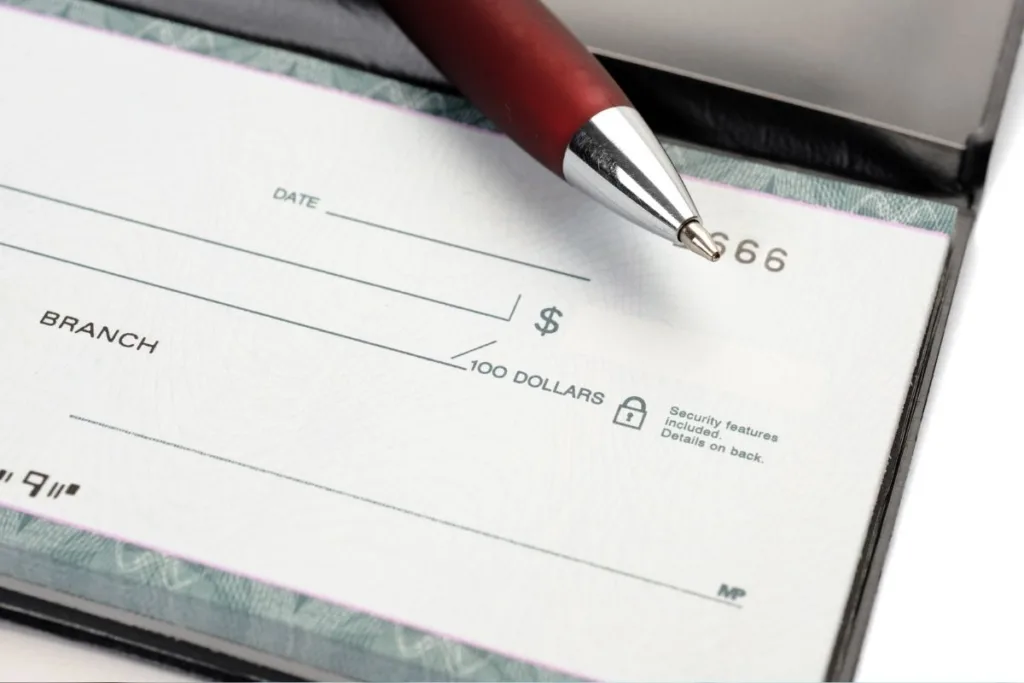
An electronic check, often called an eCheck, works like a paper check but online. Instead of writing or mailing a paper check, you type your banking details and the payment amount. Once you authorize the transfer, the money moves from your bank account to the recipient’s account through secure financial institutions. This process eliminates the need for paper handling and speeds up transactions. Many people now use eChecks as a safe and simple option for everyday payments.
Electronic checks are fast and reliable for moving money between accounts. They remove the delays of mailing or depositing paper checks. They also make tracking payments easier because records are created automatically. For those who use Check Cashing services, eChecks can simplify financial tasks. Order Express company-owned locations offer convenient Check Cashing options that work smoothly with digital payments. Independent agents that offer check cashing do so under their own compliance responsibilities.
While electronic checks are efficient, they still require internet access and secure banking information. Not everyone is comfortable sharing financial details online. Paper checks remain useful when digital options are not available. Both payment methods can work well depending on your needs.
Disclaimer: This article is for informational purposes only and does not replace official regulatory disclosures. Please refer to Order Express’ Terms & Conditions and state/federal laws for full details.

Understanding How eChecks Work
eChecks are becoming a popular alternative to paper checks, but many people still have questions about how they function. This section explains what eChecks are, how they move through the Automated Clearing House system, their clearing times, benefits and drawbacks, how Check Cashing fits into the process, and how they differ from ACH payments.
What is an Electronic Check
An electronic check, or eCheck, is a digital version of a paper check. It is designed to move money securely between accounts. People use eChecks to pay bills, shop online, or send payments quickly. This makes them a practical alternative to traditional paper checks.
To issue an eCheck, you enter your bank account number, routing number, and payment amount. After confirming the details, you approve the payment by agreeing to the website terms. The transaction then moves through the Automated Clearing House, which is a safe system for electronic payments. Once approved, the money leaves your account and arrives in the payee’s account.
Since eChecks are digital, processing times are usually faster than paper checks. Many are cleared within a few business days. They also include advanced security features like authentication, encryption, and digital signatures. This helps protect both the sender and the recipient from fraud.
For customers using Check Cashing services, eChecks can reduce waiting times and add convenience. This option is especially useful when you need a fast and trusted way to handle payments.
How an eCheck Works
The process of paying with an eCheck follows three simple steps. First is authorization. You complete your eCheck through an online payment portal and confirm the payment. In some cases, you may provide details and authorize over the phone. Once submitted, the payee is cleared to withdraw the funds from your account.
Next comes processing. The business payment system receives the eCheck and sends the request through the Automated Clearing House network. This system checks if your account has enough available funds. The process usually takes a short time compared to paper checks.
The final step is settlement. After the Automated Clearing House verifies the payment, the funds move from your account to the payee. This transfer is secure and generally faster than mailing a paper check. For people using Check Cashing, this faster system can mean quicker access to money.
eCheck Clearing Time
The time it takes an eCheck to clear can vary. Most payments are completed within three to five business days. This is because the Automated Clearing House processes payments in groups, not individually. During this stage, the system verifies bank details and performs security checks. These steps help protect both the sender and the payee.
It is important to remember that eChecks do not process on weekends or holidays. For example, an eCheck sent on Friday may not clear until the following week. Delays can also happen if bank information is entered incorrectly. Still, eChecks are often faster than mailing paper checks.For anyone using Check Cashing services, quick processing means better access to money.
Note: If an eCheck transaction involves check cashing of $3,000 or more (or lower limits in some states), customers will be required to present valid identification and the transaction will be recorded in compliance with federal and state AML rules. These requirements may extend processing time depending on the situation.
Pros and Cons of Using eChecks
Electronic checks, or eChecks, are becoming a common choice for secure digital payments. They work like paper checks but are completed online. Many people prefer them because they are quick, reliable, and easier to manage than mailing a traditional check. For customers who also use Check Cashing services, eChecks provide a practical way to move money without long delays.
Key advantages of eChecks include:
- Cost savings because you do not need paper checks, postage, or extra supplies
- Convenience since payments can be authorized online or even by phone in minutes
- Improved security with features like encryption and authentication to protect your details
- Environmentally friendly benefits because less paper and fewer resources are required
These advantages make eChecks appealing for individuals and businesses. They reduce costs, save time, and add strong layers of protection. Many customers also value that eChecks leave a digital record for tracking payments. This makes it easier to confirm when money leaves your account and when it arrives in the payee’s account.
Possible disadvantages of eChecks include:
- Clearing time that may take three to five business days depending on the bank
- Entry errors if bank account or routing numbers are typed incorrectly
- Limited acceptance because not every business or individual accepts eChecks as payment
- Fraud risks if sensitive banking details are shared with untrusted merchants
These drawbacks are important to consider before choosing eChecks. Still, with the right service, many risks can be reduced. Order Express helps customers use Check Cashing with confidence by ensuring safe and reliable processing. When paired with eChecks, Check Cashing becomes more efficient, secure, and accessible.
Regulatory compliance: Requirements for certain amounts. For example, check cashing transactions of $3,000 or more require identification, recordkeeping, and possible reporting under AML regulations. This may affect the speed of availability in some cases.
Difference Between ACH and eChecks
Many people confuse ACH with eChecks, but they are not the same. Each plays a different role in electronic payments.
The Automated Clearing House, or ACH, is the network that moves money between banks. It handles many payment types, including payroll deposits, bill payments, and electronic checks. This system ensures transfers are processed securely and efficiently.
An electronic check, or eCheck, is a payment method that uses the ACH network. It works like a paper check but in digital form. When you send an eCheck, the funds move from your bank account to the recipient’s account through ACH.
In simple terms, ACH is the system, and an eCheck is one type of transaction within that system. Without ACH, eChecks could not be processed.
For customers who use Check Cashing services, understanding this difference can help make smarter payment choices.
What to Know About Electronic Checks
Electronic checks are the digital version of traditional paper checks. They work through the Automated Clearing House, also called ACH. This network connects U.S. financial institutions to process payments securely.
When using an eCheck, money is withdrawn from the payer’s checking account. The funds then move through the ACH system before reaching the recipient’s account. This process removes the need for paper handling and speeds up transactions.
Compared to paper checks, eChecks are safer and include stronger security features. They also clear faster and cost less to issue. These benefits make them a convenient choice for many people. Still, there are some drawbacks. eChecks take longer to process than debit or credit card payments. They also are not accepted everywhere, which can limit use in certain cases.For anyone who relies on Check Cashing, eChecks can offer more convenience and security.

Using eChecks Safely with Order Express
Beyond knowing how eChecks function, it’s important to understand how to use them in daily life. This section covers practical use cases, essential safety tips, and how Order Express makes Check Cashing secure and simple when handling both paper and electronic checks.
Note: While eChecks offer speed and convenience, it is important to understand that Order Express must follow strict AML and KYC requirements, which include customer identification and reporting obligations for certain transaction amounts.
Paper Checks vs eChecks in Everyday Use
Paper checks and electronic checks serve the same purpose but work differently in everyday life. A paper check requires you to write out details, hand it over, or mail it to the payee. This process often adds delays since the recipient must deposit the check and wait for funds to clear.
By contrast, an eCheck allows you to enter banking details online and approve the transfer in minutes. Payments are handled electronically, which removes the need for mailing or physical deposits. For everyday uses like paying rent, utilities, or shopping online, eChecks often save time and reduce hassle.
Paper checks, however, remain useful in situations where digital access is limited or a recipient does not accept online payments. For customers using Check Cashing, eChecks can simplify money management by providing faster access to cleared funds.
Is It Safe to Pay with an eCheck
Yes, paying with an eCheck is generally safe. Several strong security features protect your money and personal details.
One major protection is encryption. This technology shields your financial data during transmission so it cannot be intercepted. Digital signatures are another safeguard. They provide timestamps that help prevent fraud and confirm the payment is genuine.
These measures make eChecks one of the more secure options for electronic payments. They reduce the risks connected with sharing bank account information.
Security Tips When Using eChecks
eChecks include strong protections, but using them wisely helps ensure safe transactions. Always enter your banking details carefully to avoid mistakes that may delay processing. Make sure the website or payment portal is secure before submitting information. Look for a locked padlock icon in the browser and only share details on trusted platforms.
Encryption and digital signatures help protect sensitive data, but personal vigilance adds another layer of safety. Never share bank account numbers with merchants or individuals you do not trust. If something feels suspicious, verify before sending payment.
Monitoring your bank statements regularly is also an effective way to spot unusual activity quickly. For customers using Check Cashing, these tips are especially important because faster access to funds also means being alert to security.
How to Cash an eCheck with Order Express
Cashing an eCheck is simple when you use the right service. First, the payer issues an eCheck by entering bank account and routing numbers, along with the payment amount. Once authorized, the funds move through the Automated Clearing House system until they reach your account. At this point, you may choose to use Check Cashing services to access the money.
With Order Express, customers can easily turn their electronic checks into available funds. The process is secure, straightforward, and designed to save you time. Unlike waiting on a mailed paper check, an eCheck clears in a few business days.
Once it clears, staffs ensures you receive your funds quickly without unnecessary delays. This is especially helpful when you need money available right away for bills, shopping, or emergencies. By combining the speed of eChecks with the reliability of Order Express Check Cashing, customers enjoy a practical and secure way to manage everyday financial needs.
Note: Order Express complies with all BSA/AML obligations, which means that transactions at or above $3,000 require customer identification and recordkeeping. In some states, lower limits apply. These safeguards help ensure the security and legality of your transaction.
Conclusion
eChecks are transforming the way people move money by providing speed, convenience, and stronger security compared to paper checks. They cut down on delays, reduce costs, and keep payment records organized, making them an efficient choice for many transactions. While eChecks do have a few limitations, they remain a reliable digital solution for everyday payments.
For those who rely on Check Cashing, using eChecks can make accessing funds quicker and easier. Customers gain the advantage of safe and simple Check Cashing services that work seamlessly with both electronic and paper checks. Order Express is committed to providing a secure, fast, and hassle-free experience. If you want to save time and make your payments more efficient, choose Order Express for all your Check Cashing needs today.
Note: Order Express complies fully with federal and state AML regulations. Customers should be aware that identification and reporting requirements apply to check cashing transactions of $3,000 or more, or lower amounts in specific states. These steps are necessary to maintain compliance with BSA/AML rules and to protect against fraud and money laundering.
Note: Order Express is registered with the Financial Crimes Enforcement Network (FinCEN) as a licensed Money Services Business (MSB). We strictly follow Know Your Customer (KYC) and Anti-Money Laundering (AML) practices to ensure secure, transparent, and compliant financial services.
FAQs
What is the difference between a paper check and an eCheck?
A paper check requires writing and physical delivery, while an eCheck is completed online and processed through the Automated Clearing House system.
Do I need to provide ID when cashing an eCheck?
Yes, if your eCheck involves check cashing of $3,000 or more (or lower in some states such as Arizona, Oklahoma, or Louisiana), you will need to present valid identification. Order Express is required by AML laws to verify and record customer information for these transactions.
Are eChecks accepted everywhere?
Not all businesses accept eChecks as payment. While many do, some still prefer debit, credit, or traditional paper checks.
Can I use an eCheck to pay bills online?
Yes, eChecks are widely used for paying bills, shopping online, or making direct payments securely through authorized portals.
Is paying by eCheck safe?
Yes, eChecks include security measures such as encryption, authentication, and digital signatures to help protect financial information during transactions.


